
Radio Online

Black Sabbath: l’Album che ha rivoluzionato gli anni ’60 – Italian/English Version
L’album omonimo del 1970 dei Black Sabbath, la band di Ozzy Osbourne, ha dato vita all’heavy metal, distruggendo la corrente culturale ottimista e psichedelica degli anni ’60. Questo con un sound cupo e fragoroso influenzato dal blues, temi occulti e un’atmosfera cupa di ispirazione industriale. Creando un nuovo e minaccioso panorama musicale. Pubblicato venerdì 13 ottobre 1970, l’omonimo album di debutto dei Black Sabbath ha spostato il rock verso suoni più cupi, pesanti e lenti.
Con temi horror e oscuri che hanno reso l’album fondamentale per l’heavy metal, caratterizzato da un blues rock minaccioso e dal tritono del diavolo, un intervallo musicale altamente dissonante storicamente evitato a causa del suo suono inquietante e instabile, utilizzato per creare tensione, paura o un effetto drammatico spesso associato musicalmente al Medioevo e al Rinascimento. All’epoca il suo utilizzo era ritenuto limitato, anche se si pensa che si tratti di un mito. In questo album rivoluzionario, il tritono diabolico è utilizzato nella canzone di apertura dell’album “Black Sabbath”. Il riff principale del pezzo, dal tempo lento, è costruito direttamente su questo intervallo dissonante, aprendo l’album con un’atmosfera di terrore.
Com’è stato realizzato l’album Black Sabbath
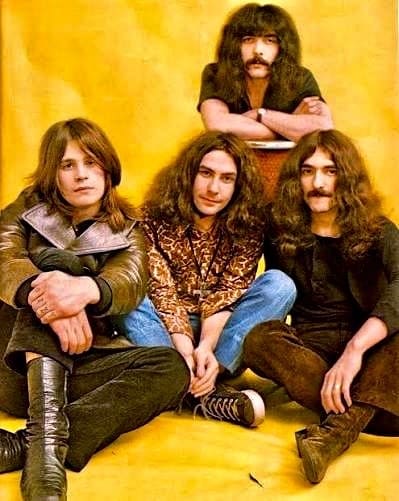
Registrazione rapida: l’intero album è stato registrato in un solo giorno e la sua produzione è costata pochissimo.
Esibizione dal vivo: la band, precedentemente nota come gruppo blues rock con il nome Earth, ha registrato i brani dal vivo in studio, con un numero minimo di sovraincisioni.
Il suono: a causa di un infortunio alle dita, il chitarrista Tony Iommi ha abbassato l’accordatura della sua chitarra per facilitare l’esecuzione. Creando un suono più pesante e fangoso.
La produzione: l’album è stato prodotto da Roger Bain e registrato da Tom Allom, che ha catturato l’energia grezza e non raffinata della band.
Black Sab bath Ozzy Osbourne
L’impatto dell’album
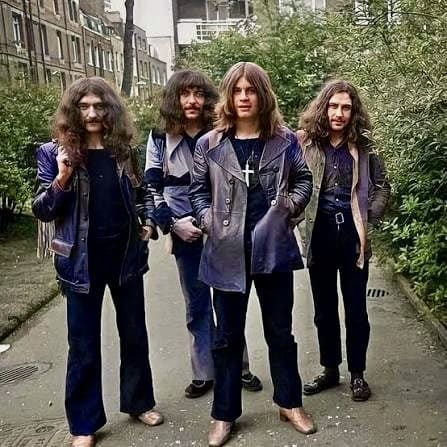
La nascita dell’heavy metal: è ampiamente riconosciuto che “Black Sabbath” sia stato il primo vero album heavy metal. Il disco ha definito il genere con testi cupi e occulti, tempi lenti e riff pesanti.
Cambiamento culturale: l’album, in particolare la sua traccia omonima, ha segnato un allontanamento dalla musica psichedelica hippie degli anni ’60 verso un suono minaccioso e inquietante.
Influenza duratura: nonostante le recensioni inizialmente negative da parte della critica, l’album ha avuto un’enorme influenza sulle successive generazioni di band rock e metal.
*Atmosfera: soprattutto, la canzone “Black Sabbath”, con il suo suono inquietante e terrificante, ha trovato riscontro in un nuovo pubblico di giovani acquirenti di dischi.
Black Sabbath Ozzy Osbourne
Logistica delle session e produzione
Registrazione dal vivo: per risparmiare tempo, la band suonò semplicemente il proprio set dal vivo. Mentre Ozzie cantava simultaneamente da una cabina isolata separata, per la maggior parte dei brani la band fece solo una ripresa.
Overdub minimi: a parte gli iconici effetti sonori di tuoni, pioggia e campane nella traccia di apertura, gli unici overdub sono stati gli assoli di chitarra in doppia traccia in “N.I.B.” e “Sleeping Village”.
Adattamenti tecnici
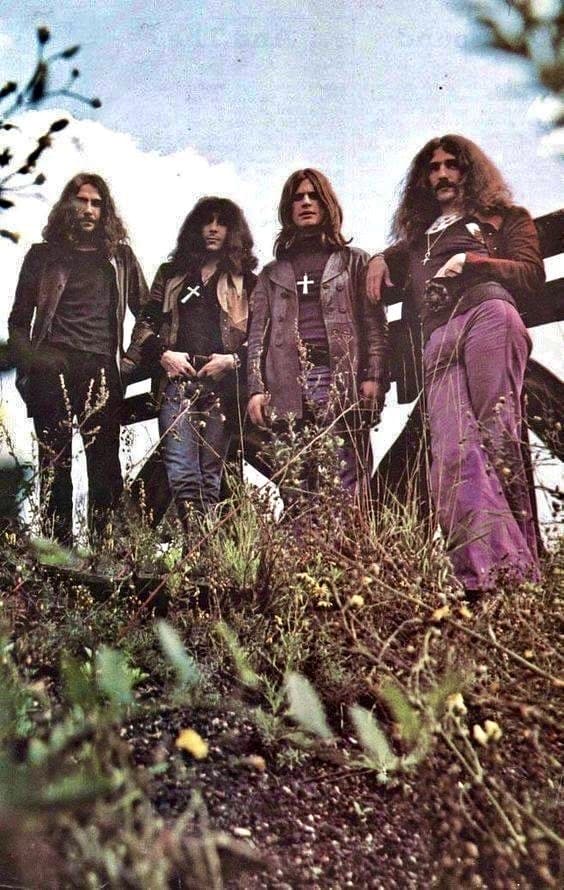
Il fattore infortunio: il chitarrista Tony Iommi, che aveva perso le punte del medio e dell’anulare in un incidente in fabbrica, è diventato famoso per l’estrema accordatura bassa per ridurre la tensione delle corde e per suonare con l’accordatura standard, utilizzando ditali di plastica fatti in casa e corde di banjo più leggere per gestire il dolore.
Il tritono: la traccia che dà il titolo all’album è famosa per essere incentrata sul tritono (l’“intervallo del diavolo”).
Indipendenza del basso: Geezer Butler ha aperto la strada a uno stile in cui il basso non si limitava a rispecchiare la chitarra, ma la accompagnava con intricati fill orientati al blues.
Black Sabbath Ozzy Osbourne
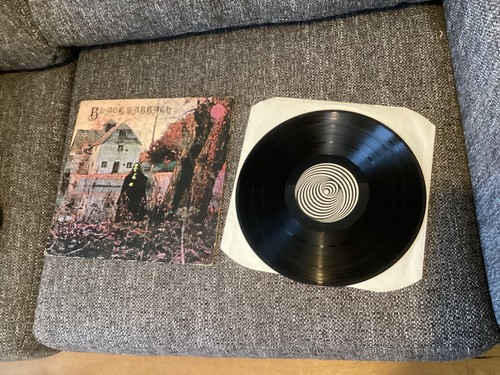
La copertina: The Witch at the Mill
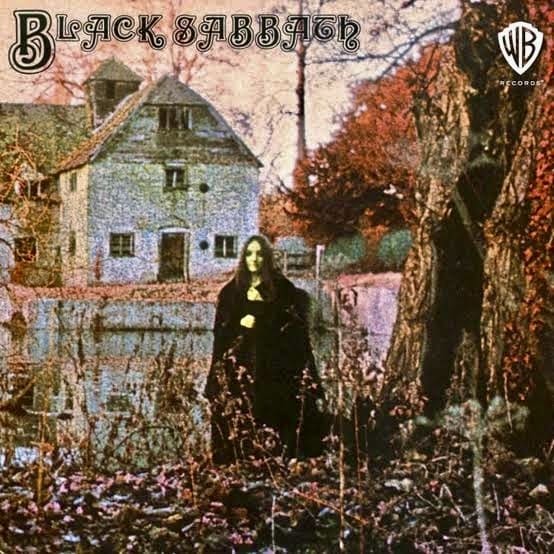
L’inquietante copertina dell’album di debutto dei Black Sabbath è considerata da molti la più iconica dell’heavy metal. Con una donna spettrale in piedi davanti al mulino ad acqua di Mapledurham sul Tamigi, nell’Oxfordshire, in Inghilterra. La sua inquietante estetica gotica è stata accuratamente realizzata dal fotografo Keith “Keef” Macmillan per riflettere il lato oscuro della band.
Alcuni fatti sulla copertina
L’inquietante immagine gotica non è un dipinto, ma una fotografia scattata dal fotografo Keith Keegan.
Leggi anche: I Giovani Prodigi di “Mr. Crowley”: Il Tributo di Jack Black al Concerto Benefico e d’Addio ai Black Sabbath
La modella: la donna spettrale con il mantello nero non era Ozzie, come alcuni pensano. Ma Louisa Livingstone, una modella diciottenne. Non fu mai riconosciuta per il ruolo e la sua identità rimase un mistero per 50 anni, fino a quando non fu finalmente identificata nel 2020. * L’atmosfera: Macmillan ha usato ghiaccio secco, passando poi a una macchina del fumo per creare la nebbia inquietante. Ha scelto il mulino del XV secolo perché il suo aspetto fatiscente e storico si adattava al sound oscuro della band.
Il mistero del gatto nero: C’è stato a lungo un dibattito sul fatto che la donna tenga in braccio un gatto nero. Macmillan insiste nel dire che ha portato un gatto vivo al servizio fotografico e che è presente nella foto, ma la modella Livingstone afferma di non avere alcun ricordo del gatto.
Dettagli nascosti della foto: se si osserva attentamente il vinile originale, si può presumibilmente individuare un corvo (di nome Yorick) su un ceppo d’albero nella parte posteriore della foto avvolgente.
Black Sabbath Ozzy Osbourne
La copertina posteriore ed interna
La croce rovesciata: l’elemento più controverso era stampato all’interno della copertina originale dell’LP.
La croce rovesciata: che non era stata ideata dalla band e che alimentò l’immagine satanica del gruppo, fu aggiunta dalla casa discografica (Vertigo) all’insaputa e senza il consenso della band.
La poesia: All’interno della croce c’è una poesia macabra, senza autore, probabilmente scritta dall’assistente di Macmillan, Roger Brown. Presenta immagini a dir poco cupe.
La reazione della band: Il chitarrista Tony Iommi e il batterista Bill Ward inizialmente non erano contenti della croce, perché attirava “pazzi” ai loro concerti e alimentava una reputazione oscura che non avevano cercato intenzionalmente. *Mapledurham Watermill è diventata una tradizione per i fan che si recano al mulino per fotografarsi nella posizione esatta in cui si trovava la strega nell’album del 1970.
Black Sabbath: l’album che ha inventato l’heavy metal
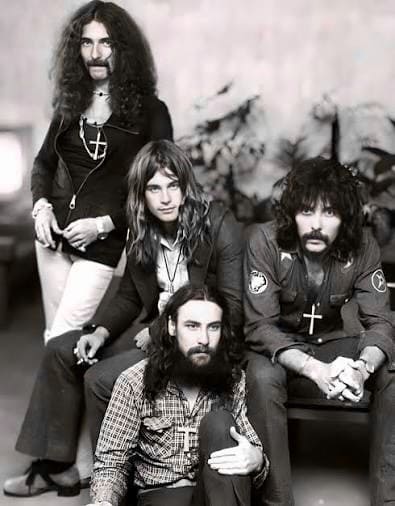
In conclusione, l’album di debutto omonimo dei Black Sabbath ha segnato un cambiamento di paradigma dal blues rock e dalla psichedelia a quello che alla fine sarebbe stato chiamato heavy metal. Le cui canzoni abbandonarono i tipici temi rock per argomenti oscuri, introspettivi e occulti, esplorando la guerra, l’esistenzialismo e il soprannaturale. Sostituendo l’ottimismo del flower power con un panorama musicale cupo e tetro. E anche se l’album di debutto dei Black Sabbath fu inizialmente stroncato dalla critica, i suoi temi occulti e il suono fragoroso sarebbero diventati il modello fondamentale per vari generi futuri di quello che sarebbe diventato noto come heavy metal, ribaltando il dominio musicale e culturale che la psichedelia e il rock degli anni ’60 avevano sui fan che acquistavano dischi e sul grande pubblico.
BLACK SABBATH: THE ALBUM THAT UPENDED THE 60’s
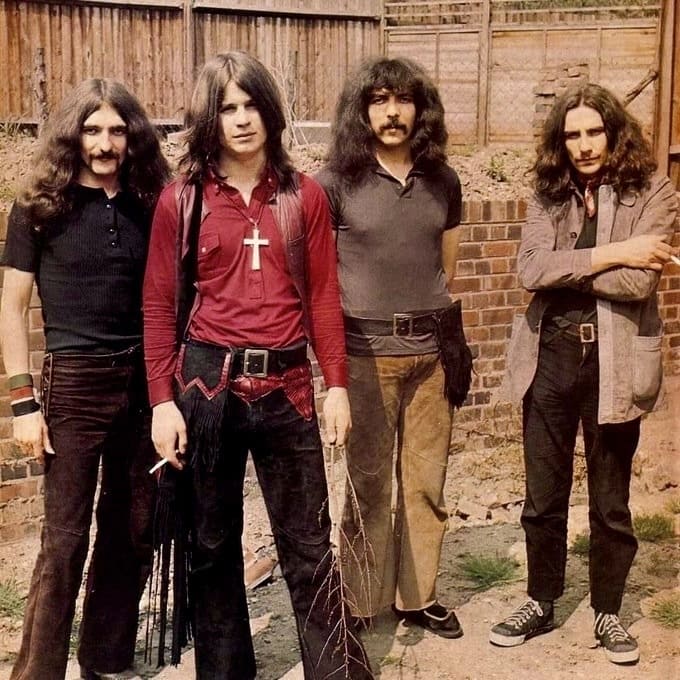
Black Sabbath’s self titled 1970 album essentially spawned heavy metal, shattering the optimistic, psychedelic cultural drift of the 1960’s, with a dark thunderous, blues influenced sound, occult themes, and industrial inspired gloom creating a menacing new musical landscape.
Released on Friday the 13th 1970, Black Sabbath’s self-titled debut, shifted rock towards darker, heavier, slower sounds. With themes of horror and darkness that made the album a foundational bedrock for heavy metal, featuring ominous blues rock and the devils tritone which is a highly dissonant musical interval historically avoided due to its unsettling, unstable sound, used to create tension, fear, or a dramatic effect often associated musically with the Middle Ages and Renaissance periods, where its usage was thought to be restricted, though that is thought to be a myth. On this ground breaking album the devils tritone is used on the album’s opening song “Black Sabbath.” Whose main, slow tempo riff is built directly on this dissonant interval, opening the album with an atmosphere of dread.
Black Sabbath Ozzy Osbourne
How the album was made
Rapid Recording: The entire album was recorded in one day and cost very little to produce.
Leggi anche: Yungblud dal concerto dei Black Sabbath alla consacrazione al cinema con Are You Ready, Boy?
Live Performance: The Band, formerly a blues rock group called Earth, recorded the tracks live in the studio, with minimal overdubs.
The Sound: Due to guitarist Tony Iommi’s injured fingertips, he downtuned his guitar to make playing easier, creating a heavier, sludgier sound.
Album Production: The album was produced by Roger Bain and engineered by Tom Allom, who captured the bands raw, unpolished energy.
The impact of the album
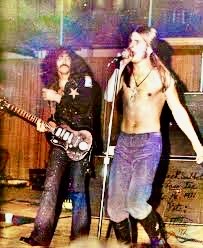
The Birth of Heavy Metal: It is widely cited that “Black Sabbath” was the first true heavy metal album, defining the genre, with dark, occult themed lyrics, slow tempos and heavy riffs.
Cultural Shift: The album, particularly its title track, signaled a shift away from 1960’s hippie psychedelic music towards an ominous, haunting sound.
Long Lasting Influence: Despite initial negative reviews from critics, the album became a massive influence on subsequent generations of rock and metal bands.
Atmosphere: Most importantly, the song “Black Sabbath”, with its foreboding, terrifying sound resonated with a new younger record-buying public.
The recording of the Black Sabbath album was a legendary feat of efficiency, with the band capturing their entire debut album in a single 12 hour session, on 16th October 1969. Despite having 2 days booked at London’s Regent Sound Studios, they finished everything including the mix in one day, so they could play a 20 pound gig in Switzerland the next day.
Black Sabbath Ozzy Osbourne
Session Logistics & Production
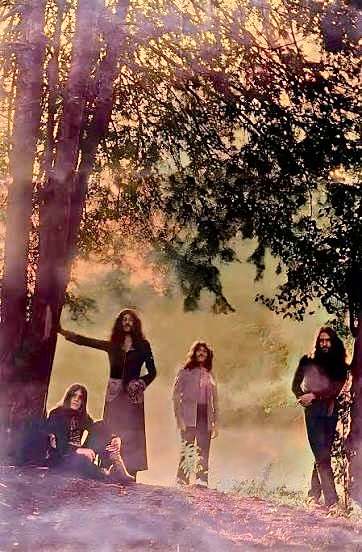
Live Tracking: To save time the band simply played they’re live set. While Ozzie sang simultaneously from a separate isolation booth, and for most of the tracks, the band only did one take.
Minimal Overdubs: Aside from the iconic thunder, rain, and bell sound effects on the opening track, the only overdubs were double tracked guitar solos on “N.I.B. ”and “Sleeping Village”.
Technical Adaptations
The Injury Factor: Guitarist Tony Iommi, who had lost the tips of his middle and ring fingers in a factory accident, became famous for extreme downtuning to reduce string tension, and playing in standard tuning, using homemade plastic thimbles and lighter banjo strings to manage the pain.
The Tritone: The title track famously centers on the (the “Devil’s Interval”).
Leggi anche: Gli Slayer: la conferma del vero heavy metal all’evento d’addio dei Black Sabbath a Villa Park 2025
Bass Independence: Geezer Butler pioneered a style where the bass didn’t just mirror the guitar but played around it with busy blues oriented fills.
The front cover: The Witch at the Mill
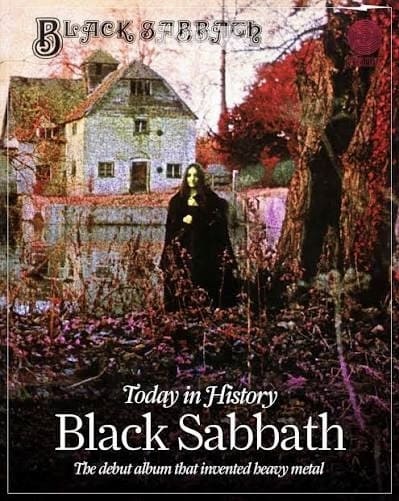
The eerie front cover of the Black Sabbath debut album is widely considered the most iconic in heavy metal, featuring a ghostly woman standing before the Mapledurham Water Mill on the River Thames, in Oxfordshire, England. It’s eerie, gothic aesthetic was carefully crafted by photographer Keith “Keef” Macmillan to reflect the band’s dark side.
Some facts on the cover
The haunting gothic image is not a painting but a photograph taken by photographer Keith Keegan.
The Model: The ghostly woman in the black cloak wasn’t Ozzie as some think. But Louisa Livingstone, an 18 year old model. Who was never recognized for the role, and her identity would remain a mystery for 50 years until finally being identified in 2020.
The Vibe: Macmillan used dry ice, later switching to a smoke machine to create the eerie fog. He chose the 15th century mill because its decrepit, historic look suited the band’s dark sound.
The Black Cat Mystery: There has long been a debate over whether the woman is holding a black cat. Macmillan insists he brought a live cat to the photo shoot and that it is in the photo, but the model Livingstone, says she has no memory of the cat.
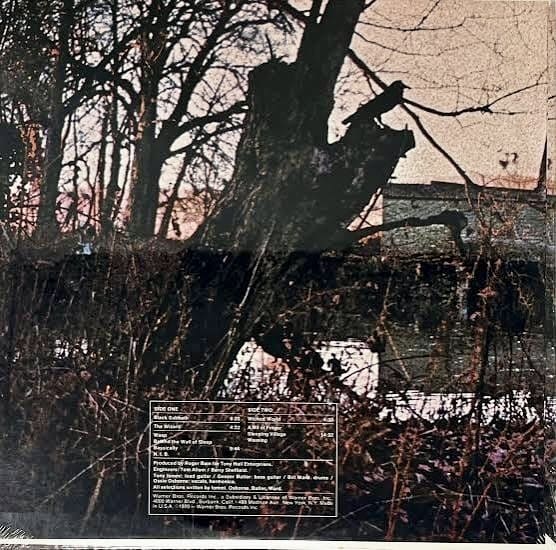
Hidden Details Of The Photo: If you look closely at the original vinyl, you can allegedly spot a crow (named Yorick) on a tree stump on the back portion of the wraparound photo.
The back and inside cover
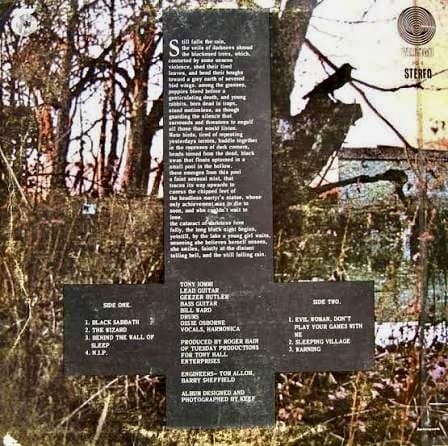
The Inverted Cross: The most controversial element was printed on the inside gatefold of the original LP.
Which the band did not initiate, and which fueled the band’s satanic image, was added by the record company (Vertigo) without the band’s knowledgeor consent.
The Poem: Inside the cross is an uncredited, macabre poem likely written by Macmillan’s assistant, Roger Brown. It features grim imagery to say the least.
The Bands Reaction: Guitarist Tony Iommi and drummer Bill Ward were initially unhappy with the cross, as it brought “crazy people” to their shows and fueled a dark reputation they hadn’t
intentionally sought. *Mapledurham Watermill has become a tradition for fans to travel to the mill and photograph themselves in the exact position where the witch stood for the 1970 album.
Black Sabbath: the iconic heavy metal album
In conclusion, Black Sabbath’s self titled debut album marked a paradigm shift from blues rock and psychedelia to what would eventually be called heavy metal. Whose songs abandoned typical rock themes for dark introspective, and occult subject matter, exploring war, existentialism, and the supernatural. Replacing flower power’s optimism with a darkly grim musical landscape. And although Black Sabbath’s debut album was initially panned by critics, its occult themes and thunderous sound would become the foundational blueprint for various future genres of what became known as heavy metal, upending the musical and cultural stranglehold psychedelia and 60’s rock had over record buying fans and the general public.
Altro per te
 Metal
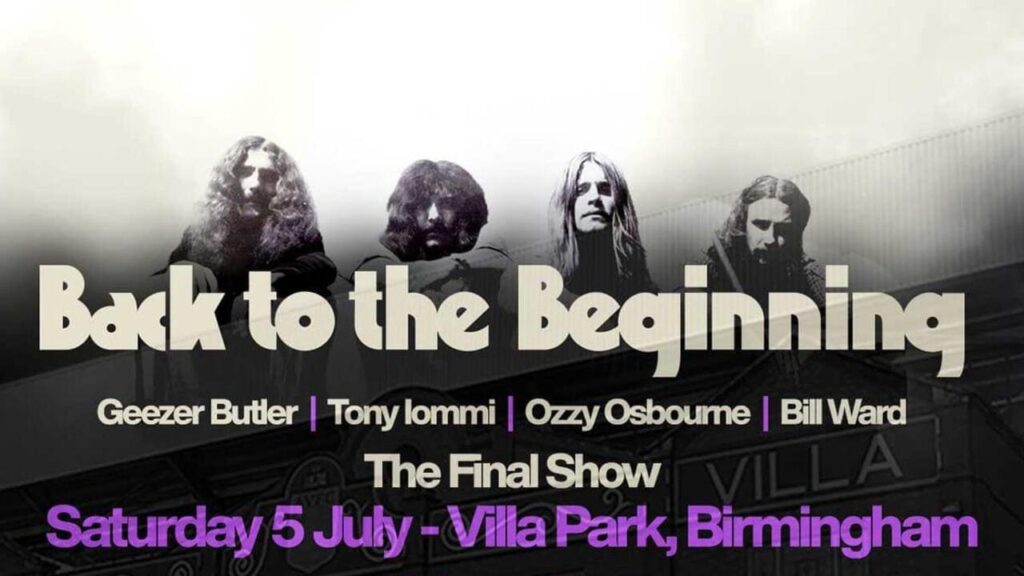
MetalBack to the Beginning: Ozzy’s final Bow: il concerto finale di Ozzy Osbourne diventa un film
Back to the Beginning, il concerto d’addio alle scene di Ozzy Osbourne diventerà un film, Back to the beginning: Ozzy’s Final Bow. La pellicola…
 Due anime, un solo grido : l’incredibile alchimia tra Ozzy Osbourne e Post Malone
 La scomparsa di Ozzy Osbourne: lo scorso 5 luglio l’addio ai fans con il concerto Back To Beginning
 OZZFEST 2027: IL RITORNO DEL FESTIVAL DI OZZY OSBOURNE A BIRMINGHAM. UN NUOVO CAPITOLO PER IL METAL
 22 luglio 2026 | Un anno senza Ozzy Osbourne: il Principe delle Tenebre continua a illuminare il metal
 Marilyn Manson: “caccia alle streghe” al concerto finale di Ozzy Osbourne
 Salem e Lola: Racconto di due tempeste a quattro zampe – Capitolo 2 Italian/English Version
 Salem e Lola: due tempeste a quattro zampe – Cap. 1 Italian/English Version
Su eBay: Black Sabbath - Black Sabbath (LP)

Black Sabbath – Self Titled (Debut) LP | Vinyl: VG+ / MINT | Cover VG+ (Taped)
Confronta il prezzo su
Vedi il prezzo su eBay


Black Sabbath Self Titled Wizard Debut Vinyl Record LP 1st Orig Press Green VG
Confronta il prezzo su
Vedi il prezzo su eBay

Link affiliati: se acquisti, BACKdigit riceve una piccola commissione senza costi per te.