
Radio Online

La Terra Promessa: come l’Italia ha salvato il Progressive Rock
Progressive Rock: come l’Italia ha salvato questo genere musicale.
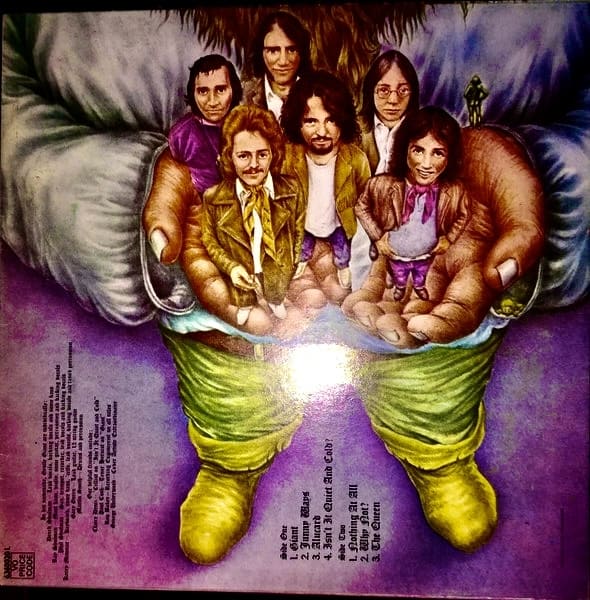
Mentre la stampa britannica liquidava con sufficienza il nuovo movimento art rock come pretenzioso e accademico, una rivoluzione musicale si stava preparando nel Mediterraneo. Il pubblico italiano, nella grande tradizione di Verdi e Vivaldi, percepì qualcosa che il resto del mondo non sentì. Non videro sintetizzatori e maschere come semplici trovate; li videro come il capitolo successivo di un’eredità teatrale millenaria. Questa è la storia degli outsider britannici che dovettero lasciare la patria per trovare il loro destino, e di come il loro arrivo abbia innescato un’esplosione musicale che avrebbe definito una generazione della cultura italiana.
È un mito comune che il Progressive Rock sia stato un trionfo britannico. In realtà, i più grandi capolavori del genere, dal Foxtrot a Pawn Hearts, forse non sarebbero mai sopravvissuti alla loro infanzia se non fosse stato per l’appassionato intervento del popolo italiano.
Come l’Italia esportò i propri giganti sinfonici nel mondo
L’Italia divenne un rifugio per le band britanniche in fuga da una stampa nazionale ostile. Accogliendo queste improbabili superstar, l’Italia non si limitò a consumare la musica, ma salvò gli artisti. Finanziò il loro futuro e infine esportò i propri giganti sinfonici nel mondo. Mentre la stampa britannica liquidava il rock progressivo come un esercizio accademico, l’Italia lo riconobbe come un Rinascimento moderno. Il pubblico italiano offrì un rifugio ad artisti ignorati in patria, trasformando gruppi di culto in icone culturali da un giorno all’altro.
I Genesis furono i primi a trovare la Terra Promessa in Italia
Se i Genesis furono i primi a trovare la “Terra Promessa” nel 1972, non furono gli ultimi. Il loro successo creò un modello per altri visionari britannici che presto li seguirono. Trovando in Italia un livello di deificazione che a Londra rimaneva un sogno lontano.
La poesia esistenzialista dei Van der Graaf Generator
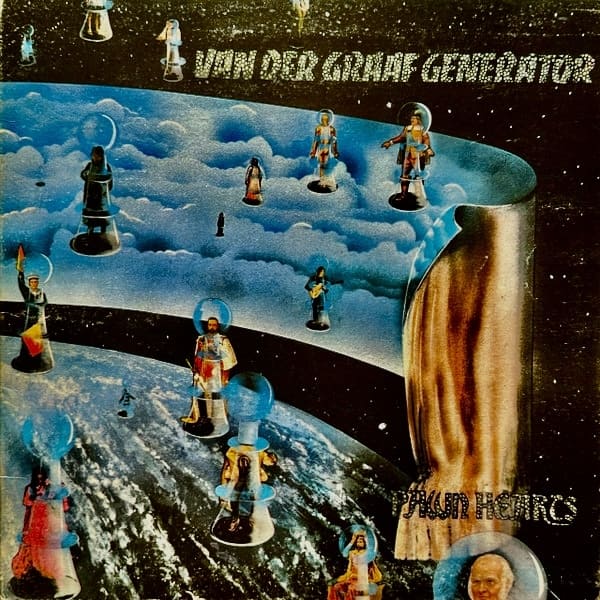
Mentre i Genesis portarono il teatro, i Van der Graaf Generator portarono la poesia esistenziale. La storia dei Van der Graaf Generator in Italia è forse l’esempio più estremo di una band che vive una doppia vita. Mentre i critici britannici spesso trovavano difficili da comprendere i testi cupi ed esistenzialisti di Peter Hammill e l’assenza di un chitarrista nella band, il pubblico italiano li acclamò come profeti moderni.
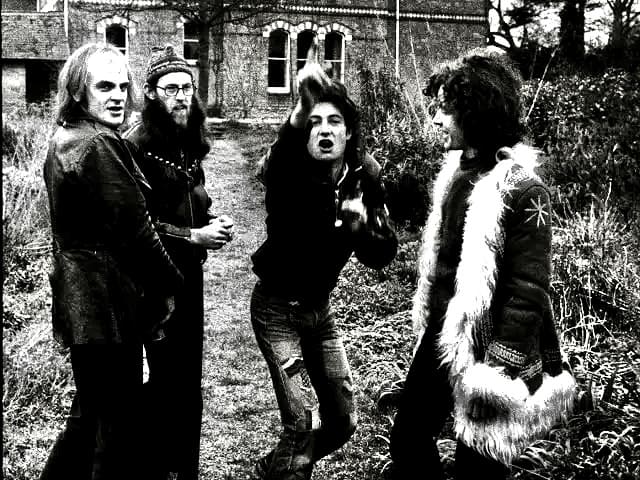
All’inizio del 1972, i Van der Graaf Generator arrivarono per il loro primo tour italiano. Aspettandosi lo stesso pubblico ristretto e composto che avevano trovato a Londra. Invece, si trovarono di fronte a scene solitamente riservate ai Beatles. Quando l’aereo della band atterrò in Italia, rimasero sbalorditi nel vedere migliaia di fan che affollavano il terminal. Il batterista Guy Evans ricordò in un aneddoto famoso la folla che vedeva e si chiedeva quale celebrità ci fosse sul loro volo. Per poi rendersi conto che i fan erano lì per loro.
Pawn Hearts dei Van der Graaf Generator al primo posto della classifica in Italia
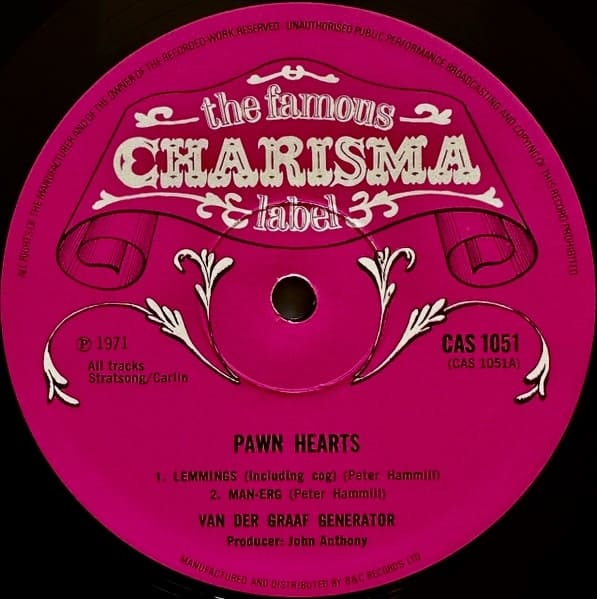
Sembra che il loro album Pawn Hearts, che si era completamente bloccato nel Regno Unito, fosse schizzato al primo posto in Italia.
Leggi anche: Andrea Bruni Compagno di Banco: 4 concerti per 4 mesi del Banco del Mutuo Soccorso – Terza Parte
Ciò che l’Italia ha colto dei Van der Graaf Generator è stato lo stile vocale di Peter Hammill, che spaziava da un sussurro a un grido teatrale tagliente, in sintonia con la storia italiana delle performance tenorili drammatiche.

Mentre i Genesis portavano il teatro, per l’orecchio italiano non era strano, era espressivo. La popolarità della band divenne così intensa da contribuire effettivamente al loro primo scioglimento. Venivano assaliti per le strade e Hammill trovava estenuante la pressione di essere trattato come un leader filosofico, mentre suonava in enormi stadi sportivi davanti a oltre 10.000 persone, ben diverso dai pub inglesi.
Gentle Giant: per la stampa britannica la loro musica era troppo intelligente
Se i Van der Graaf Generator erano i poeti della scena italiana, i Gentle Giant ne erano i professori. Mentre la stampa britannica spesso liquidava la loro musica come “troppo intelligente per il suo stesso bene”, il pubblico italiano, e in particolare i musicisti italiani, li consideravano maestri del loro mestiere. Il profondo rispetto italiano per l’educazione musicale rendeva la complessità dei Gentle Giant una virtù piuttosto che un difetto.
italia progressive rock
Durante i loro tour italiani, il pubblico era ipnotizzato dalla presenza scenica della band, un vero e proprio gioco di sedie musicali. Vedere cinque uomini alternarsi tra violoncello, violino, flauto dolce, vibrafono e tromba, mantenendo al contempo intricate armonie vocali a cinque voci, è stato considerato un’esibizione virtuosistica paragonabile a quella di un ensemble di musica da camera classica.
italia progressive rock
I giganti italiani: Banco del Mutuo Soccorso e PFM
Futuri giganti della scena italiana, come Banco del Muteo Soccorso e PFM, assistevano a questi concerti con taccuini in mano. Non si limitavano ad ascoltare, ma studiavano come i fratelli Shulman fondessero il contrappunto medievale con l’hard rock. A differenza di Top of the Pops, programma televisivo britannico che prediligeva singoli di 3 minuti, la televisione italiana diede ai Gentle Giant lo spazio per mostrare appieno il loro genio. Le loro esibizioni in programmi televisivi italiani come Permette Questo Ballo (1972) furono rivoluzionarie. Eseguivano brani lunghi e complessi che mettevano in mostra il loro approccio “artistico” al rock.
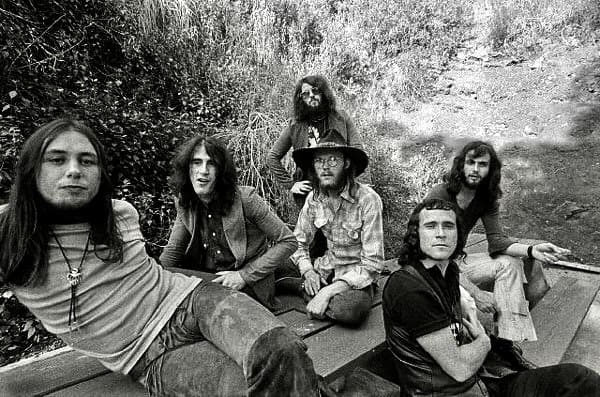
Al loro arrivo, la band percepì immediatamente la differenza di rispetto. In Inghilterra, erano spesso un gruppo di musicisti che suonavano per un pubblico ristretto, mentre in Italia erano le star principali. La band era notoriamente autocritica, a volte litigava nel backstage per una singola nota sbagliata. I fan italiani adoravano questa sacra dedizione alla musica, vedendola come un riflesso della loro passione culturale per la perfezione artistica.
italia progressive rock
Emerson Lake & Palmer e il grande successo in Italia
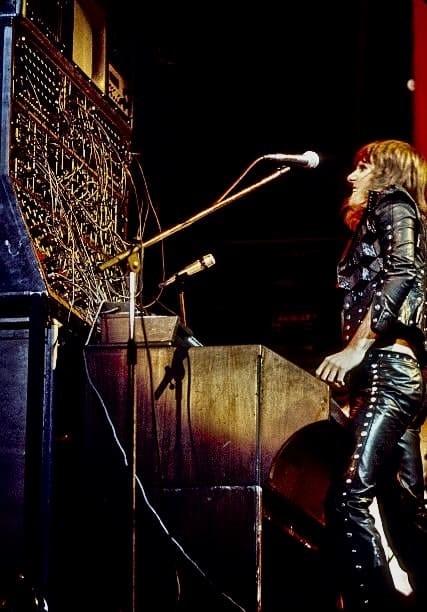
Emerson, Lake & Palmer rappresentano il cerchio completo di questa storia. Mentre altre band trovarono casa in Italia, gli ELP usarono la loro enorme piattaforma globale per dare alla scena musicale italiana una chiave per il resto del mondo.
In Italia Keith Emerson era il “Paganini delle tastiere”. I fan italiani, cresciuti con la grandiosità dell’organo a canne e del conservatorio, erano unicamente preparati per l’uso virtuoso del sintetizzatore Moog e dell’organo Hammond da parte di Emerson.
Leggi anche: Intervista di Cristina Speranza ai Prog 61 – Genesis Tribute Band: viaggio nel cuore del prog rock
Durante l’era della Trilogia degli ELP, nel loro tour italiano del 1973, gli ELP suonarono davanti a folle immense, da stadio, a Roma e Milano. Per il pubblico italiano, la fusione di Mussorgsky e Bach con il rock aggressivo degli ELP rappresentava la perfetta evoluzione moderna del loro patrimonio classico.
Quando Greg Lake scoprí la PFM
L’aneddoto più importante della parte sugli ELP di questo articolo è la scoperta da parte di Greg Lake della band italiana PFM (Premiata Forneria Marconi). Dopo aver visto i PFM esibirsi a Roma. Lake rimase così colpito dal loro talento che li mise sotto contratto con l’etichetta di ELP, la Manticore Records. ELP non si limitò a offrire loro un contratto, Li portarono a Londra, li aiutarono a riscrivere i testi in inglese (con l’aiuto di Peter Sinfield dei King Crimson) e li mandarono in tour nel Regno Unito e negli Stati Uniti. Grazie all’intervento della ELP, i PFM divennero la prima rock band italiana a raggiungere un grande successo internazionale.
Il prog rock conquista finalmente il mondo
Verso la metà degli anni ’70, il rapporto si era ribaltato. Non si trattava più di band britanniche che fuggivano in Italia, ma di band britanniche che convalidavano la scena musicale italiana come principale centro creativo del rock progressivo. L’impatto della firma di band come i PFM e i Banco del Mutuo Soccorso trasformò il rock progressivo in un linguaggio veramente internazionale, con l’Italia a fungere da capitale spirituale e creativa. I Genesis diedero la scintilla, i Van der Graaf Generator e i Gentle Giant gettarono le fondamenta, ma fu la ELP a costruire il ponte che permise alla musica italiana di attraversare finalmente le Alpi e conquistare il mondo.
THE PROMISED LAND: HOW ITALY SAVED PROGRESSIVE ROCK
While the UK press was dismissively labeling the new art rock movement as pretentious and academic, a musical revolution was brewing in the Mediterranean. Italian audiences in the grand traditions of Verdi, Vivaldi, heard something the rest of the world missed. They didn’t see synthesizers and masks as gimmicks; they saw them as the next chapter in a thousand year old theatrical legacy. This is the story of the British underdogs who had to leave home to find their destiny, and how their arrival ignited a
musical explosion that would define a generation of Italian culture.
Leggi anche: Intervista a Mauro “Lake” Aimetti – L’anima italiana del Prog Rock
It is a common myth that Progressive Rock was a British triumph. In reality the genres greatest masterpieces, from Foxtrot to Pawn Hearts, might never have survived their infancy if not for the passionate intervention of the Italian people.
How Italy exported their symphonic giants in the world
Italy became a sanctuary for British bands fleeing a hostile home press. By embracing these unlikely superstars, Italy didn’t just consume the music, it rescued the artists, funded their futures, and eventually exported its own symphonic giants back to the world. While the British press dismissed Progressive Rock as an academic exercise, Italy recognized it as a modern Renaissance. The Italian public provided a sanctuary for artists who were being ignored at home, turning cult acts into cultural icons overnight.
Italia progressive rock
Genesis were the first ones to find the Promised Land in Italy
If Genesis were the ones who first found the ‘Promised Land’ in 1972, they weren’t the last. Their success created a blueprint for other British visionaries who soon followed, finding a level of
deification in Italy that remained a distant dream back in London.
Van Der Graaf Generator and their existential poetry
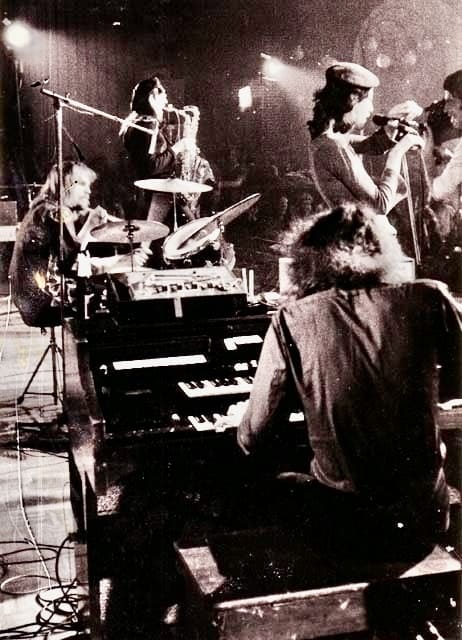
While Genesis brought the theatre Van her Graaf Generator bought the existential poetry. The story of Van der Graaf Generator in Italy is perhaps the most extreme example of a band living a double life. While British critics often found Peter Hammill’s dark existential lyrics and the band lack of a guitar player difficult, the Italian public hailed them as modern prophets.
In early 1972, Van der Graaf Generator arrived for their first Italian tour expecting the same small, polite club audiences they had in London, Instead, they were meant with scenes usually reserved for the Beatles. When the band’s plane landed in Italy, they were stunned to see thousands of fans flooding the terminal. Drummer Guy Evans famously recalled seeing the
crowds and wondering which major celebrity was on their flight, only to realize the fans were there for them.
Pawn Heart by Van der Graaf Generator number one in Italian charts
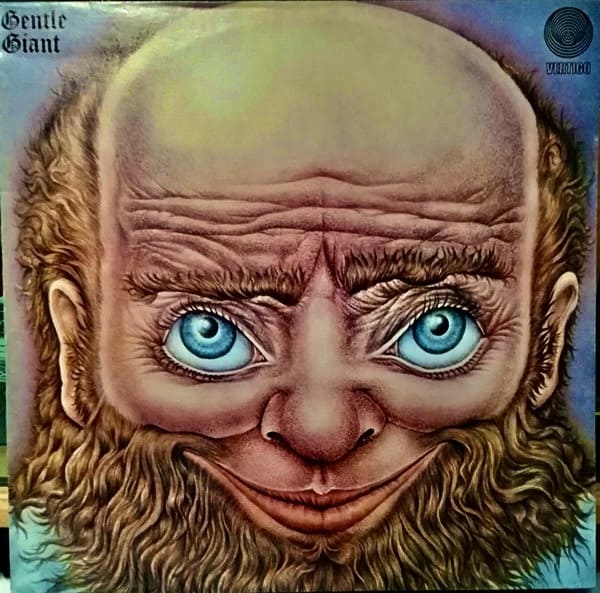
It seems that their album Pawn Hearts which had completely stalled in the UK, had shot to number 1 in Italy. What Italy got about Van der Graaf Generator was Peter Hammill’s vocal style, ranging from a whisper to a jagged theatrical scream resonated with Italy’s history of dramatic tenor performance. To the Italian ear he wasn’t weird. He was expressive. The bands popularity became so intense that it actually contributed to their first breakup. They were mobbed in the streets, and Hammill found the pressure of being treated as a philosophical leader exhausting, while playing massive sports arenas to 10,000 plus people, a far cry from the pubs in England.
italia progressive rock
Gentle Giant: for the UK press their music was too clever
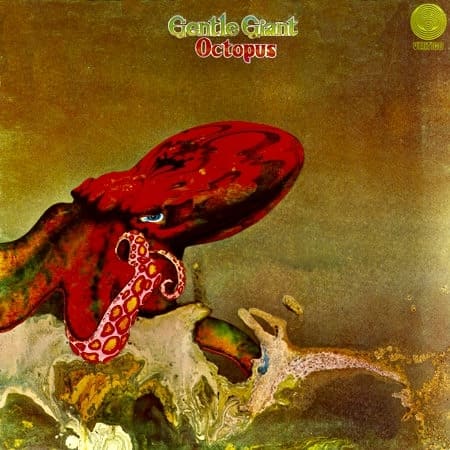
If Van der Graaf Generator were the poets of the Italian scene, Gentle Giant were its professors. While the British press often dismissed their music as “to clever for its own good,” Italian audiences and specifically Italian musicians, saw them as masters of their craft. Italy’s deep rooted respect for musical education made Gentle Giant’s complexity a virtue rather than a flaw. During their Italian tours, audiences were mesmerized by the band’s musical chairs stage presence. Seeing five men switch between cello, violin, recorder, vibes, and trumpet, all while maintaining intricate 5 part vocal harmonies was viewed as a virtuoso performance on par with a classical chamber ensemble.
Italia progressive rock
The italian giants: Banco del Mutuo Soccorso e PFM
Future giants of the Italian scene, like Banco del Muteo Soccorso and PFM, attended these shows with notebooks in hand. They didn’t just listen they studied how the Shulman Brothers blended medieval counterpoint with hard rock. Unlike the UK’s Top of the Pops, which favored 3 minute singles, Italian television gave Gentle Giant the space to display their full genius. Their performances on Italian TV programs like Permette Questo Ballo (1972) were revolutionary. They preformed long, complex tracks that showcased their “high-art” approach to rock. Upon arrival the band felt the difference in respect immediately. In England, they were often a musicians’ band playing to small crowds in Italy they were headline stars. The band was famously self critical, sometimes arguing backstage over a single missed note. Italian fans adored this sacred dedication to music, seeing it as a reflection of their own cultural passion for artistic perfection.
Emerson Lake & Palmer and the big success in Italy
Emerson, Lake & Palmer represent the full circle of this story. While other bands found a home in Italy, ELP used their massive global platform to give the Italian music scene a key to the rest of the world. In Italy Keith Emerson was the “Paganini of the Keyboards.” Italian fans raised on the grandeur of the church organ and the conservatory, were uniquely prepared for Emerson’s virtuosic use of the Moog synthesizer and Hammond organ. During the ELP Trilogy era, on their 1973 tour of Italy, ELP played to massive, stadium- sized crowds in Rome and Milan. To the Italian public, ELP’s fusion of Mussorgsky and Bach with aggressive rock was the perfect modern evolution of their own classical heritage.
When Greg Lake discovered PFM
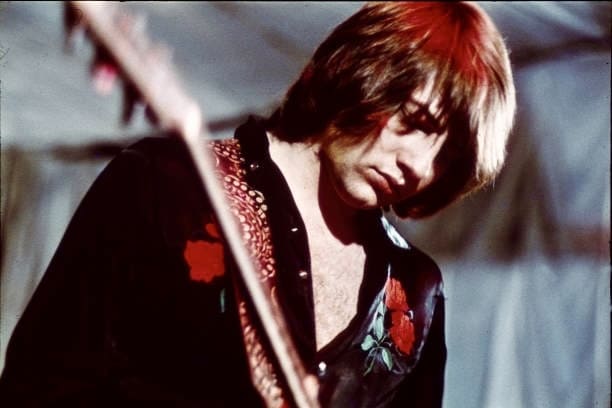
The most critical anecdote of ELP’s part of this article is Greg Lake’s discovery of the Italian band PFM (Premiata Forneria Marconi). After seeing PFM perform in Rome. Lake was so blown away by their talent that he signed them to ELP’s label Manticore Records. ELP didn’t just give them a contract, they brought them to London, helped them rewrite their lyrics in English (with the help of King Crimson’s Peter Sinfield) and sent them on tour of the UK and US. Because of ELP’s intervention, PFM became the first Italian rock band to achieve major international success.
Italia progressive rock
Progressive Rock finally conquers the world
By the mid-70’s the relationship had flipped. It was no longer about British bands escaping to Italy, it was about the British bands validating the Italian music scene as the premier creative hub for Progressive Rock. The impact of signing bands like PFM and Banco del Mutuo Soccorso turned Progressive Rock into a truly international language, with Italy serving as its spiritual and creative capital. Genesis provided the spark, and Van Der Graaf Generator and Gentle Giant laid the foundation, but it was ELP who built the bridge that allowed Italian music to finally cross back over the Alps and conquer the world.
Altro per te
 progressive
Compagno di Banco: Andrea Bruni e il tour del Banco del Mutuo Soccorso Teatro Dehon Bologna – Parte 2
Andrea Bruni ci racconta il tour del Banco del Mutuo Soccorso. Ecco la Part. 2 della tappa al Teatro Dehon, Bologna. Ore 18:00. Nel…
 Compagno di Banco: Andrea Bruni e il diario del Banco del Mutuo Soccorso concerto ad Altamura (BA) – Parte 2
 Compagno di Banco: Andrea Bruni e il diario del concerto del Banco del Mutuo Soccorso ad Altamura (BA) – Parte 1
 Compagno di Banco – Banco del Mutuo Soccorso Tour Episodio 3 (seconda parte)
 Intervista a Michelangelo Nocenzi – Banco del Mutuo Soccorso
 Big Big Train: il ritorno in Italia con Woodcut, il concept che apre una nuova era del progressive rock
 Andrea Bruni del Banco del Mutuo Soccorso: Compagno di Banco – Trasimeno Prog Castiglione del Lago (PG)
 Compagno di Banco: Andrea Bruni e il concerto del Banco del Mutuo Soccorso a Roma
Su eBay: Progressive Rock Italiano (vinile)

LP Venegoni & Co. Sarabanda Cramps 1979 Jazz Progressive Rock G/fold + Inner
Confronta il prezzo su
Vedi il prezzo su eBay


UNO - Uno ITA 1974 vinile 33 giri vinyl LP gatefold italian progressive rock
Confronta il prezzo su
Vedi il prezzo su eBay

Link affiliati: se acquisti, BACKdigit riceve una piccola commissione senza costi per te.