
Radio Online

Led Zeppelin: 40 minuti di paradiso, una notte all’inferno – La notte in cui il rock morì a Milano
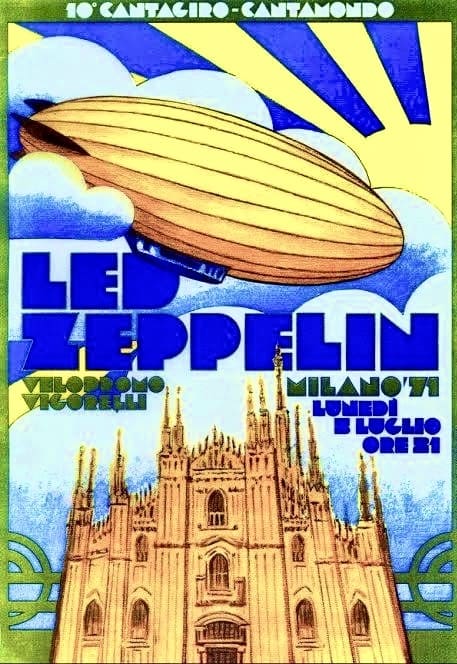
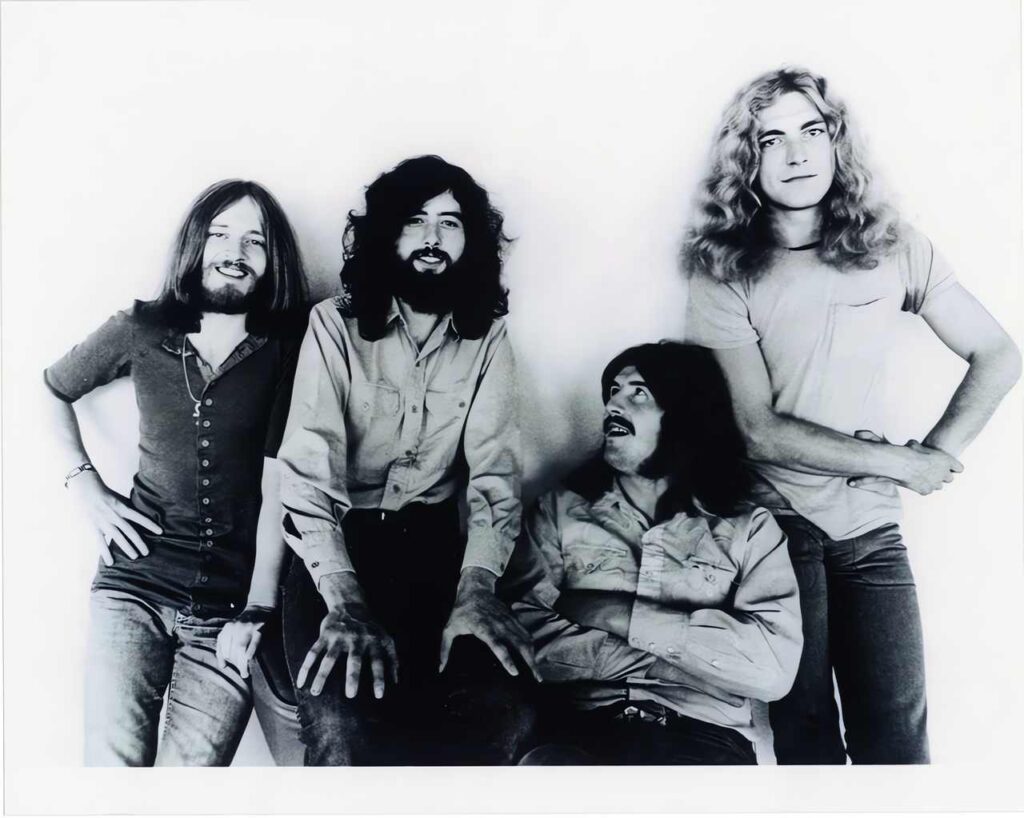
Nel luglio del 1971, i Led Zeppelin arrivarono al Velodromo Vigorelli di Milano. Quaranta minuti più tardi, fuggivano dai lacrimogeni giurando di non tornarci mai più. Questa è la storia di quella notte.
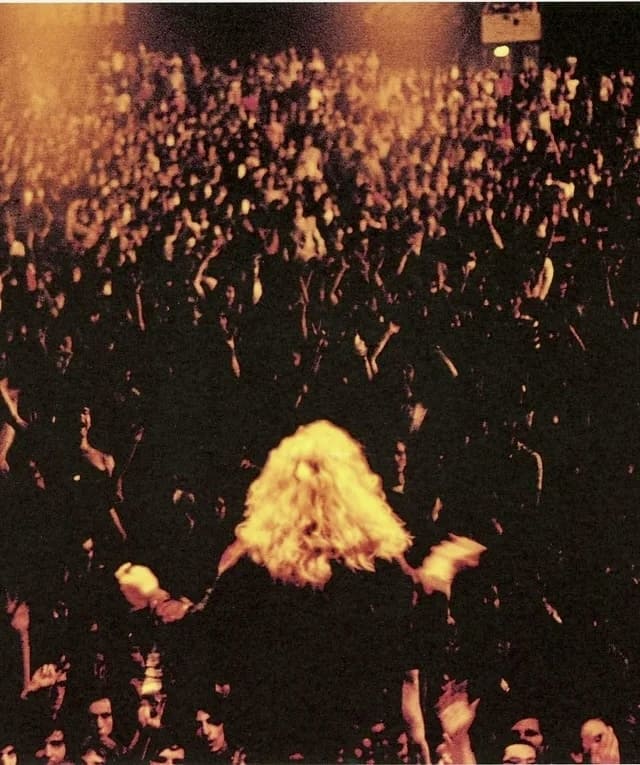
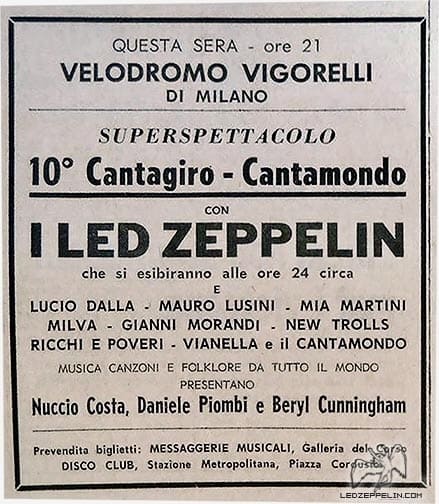
L’afa soffocante — quella pesante ondata di calore umido tipica di Milano e della Pianura Padana — gravava sul Velodromo Vigorelli la sera del 5 luglio 1971. Fuori dalle mura in cemento dell’imponente impianto per il ciclismo, l’aria vibrava di un’energia diversa. Sciami di Vespa 50 Special e Lambrette intasavano le strade; i loro motori a due tempi tossicchiavano mentre migliaia di giovani italiani convergevano verso il Cantagiro, il festival musicale patrocinato dallo Stato.
Una generazione che anelava alla cultura internazionale
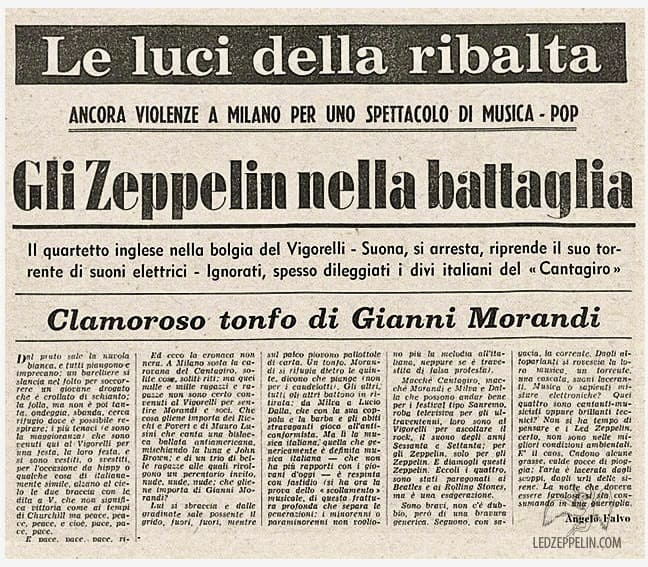
Era una generazione che anelava con forza alla cultura internazionale, decisa ad abbandonare le tradizioni rassicuranti e approvate dalla TV del Festival di Sanremo e i rituali serali in famiglia davanti a Carosello. All’interno, la folla di 15.000 persone era un mare di scarpe di tela Superga 2750, jeans a zampa d’elefante scoloriti e camicie già intrise di sudore. Densi nuvoloni di fumo acre — prodotto dalle sigarette Nazionali del monopolio di Stato e dalle più alla moda MS — si levavano verso il cielo, mentre il pubblico diventava sempre più ostile, fischiando senza pietà gli artisti pop e beat che aprivano lo spettacolo. Non avevano sfidato l’afa torrida e i 30 gradi per ascoltare melodiche ballate italiane: erano lì per la band più pesante della Terra.
Led Zeppelin finalmente on stage
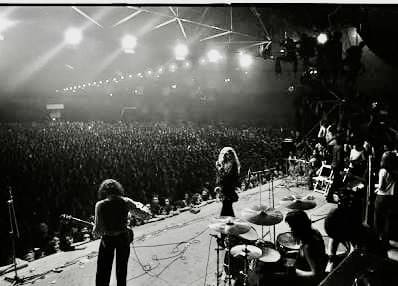
Quando i Led Zeppelin salirono finalmente sul palco, l’atmosfera passò di colpo da una tensione impaziente a una frenesia pura e incontenibile. Robert Plant stava al centro della scena, una divinità del rock a torso nudo con una chioma bionda fluente, proteso verso il microfono per sprigionare l’agghiacciante e acuto grido di battaglia di “Immigrant Song”. Le percussioni tonanti e incalzanti di John Bonham e le linee di basso possenti di John Paul Jones rimbalzavano con violenza sulla pista del velodromo, trasformando istantaneamente la folla in un’onda umana agitata e fremente. La reazione iniziale fu pura adrenalina estatica. Jimmy Page attaccò subito con i riff di chitarra feroci e taglienti di “Heartbreaker”, catturando completamente l’attenzione delle prime file con la sua maestria tecnica. Tuttavia, quando la band passò alle note blues lente e struggenti di “Since I’ve Been Loving You”, un’inquietudine più profonda iniziò a propagarsi dal palco.
La reazione della folla al concerto di Milano
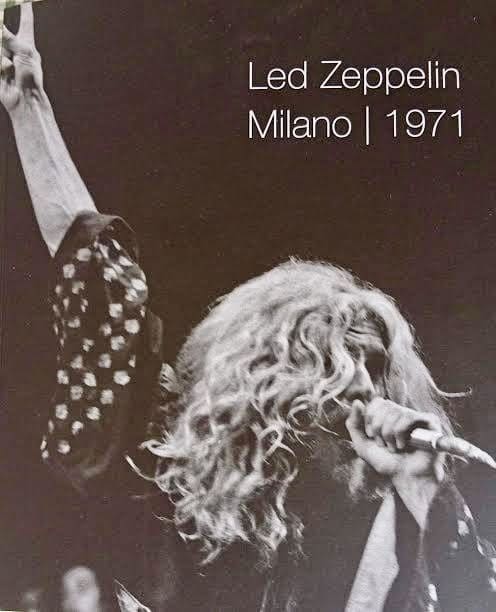
Guardando oltre le transenne, i musicisti non videro i soliti volti festosi; al loro posto, piccoli falò inspiegabili venivano accesi nell’area circostante, mentre grida fioche ma inconfondibili iniziavano a giungere dai confini dello stadio. La band proseguì con l’incedere spavaldo e dal groove potente di “Black Dog”, un brano che solitamente univa il pubblico in un’estasi ritmica collettiva.
A Milano, tuttavia, la reazione della folla stava cedendo sotto una pressione esterna. Mentre migliaia di persone continuavano a ballare e a urlare il loro sostegno, centinaia di agenti antisommossa pesantemente armati – che Plant aveva poco prima descritto come privi di qualsiasi parvenza di umanità – iniziarono a stringere progressivamente il cerchio attorno ai giovani. Il vero punto di svolta arrivò durante il brano centrale della serata, cupo e sperimentale: “Dazed and Confused”. Mentre Jimmy Page faceva scorrere l’archetto del violino sulle corde della chitarra per evocare un paesaggio sonoro vorticoso e psichedelico, lo stadio si trasformò in una vera e propria zona di guerra.
La musica dei Led Zeppelin squarciata da scoppi di lacrimogeni
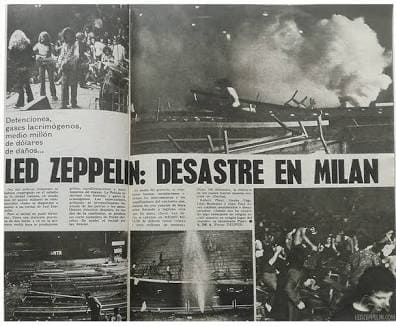
Quella musica ipnotica e inquietante fu improvvisamente squarciata dai secchi scoppi dei lacrimogeni. Una nube tossica e biancastra si propagava aggressivamente sul campo; Plant abbandonò il suo ruolo di frontman per implorare ripetutamente la folla, in inglese, di smettere di accendere fuochi, del tutto ignaro del fatto che quella nebbia soffocante non fosse opera dei fan, bensì un attacco di stampo militare sferrato dalle autorità italiane.
I quattro musicisti abbandonarono gli strumenti e scapparono via
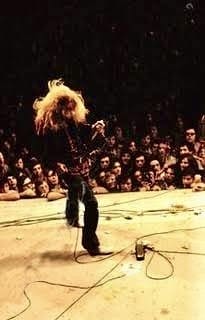
Dopo appena quaranta minuti di un concerto che avrebbe dovuto includere l’imponente maestosità di “Stairway to Heaven” e la potenza viscerale di “Whole Lotta Love”, l’esibizione precipitò in una tragica sequenza di errori. Mentre la band tentava disperatamente di continuare a suonare, i lacrimogeni iniziarono a piovere direttamente sul palco, esplodendo ai loro piedi. Soffocati, accecati e terrorizzati, i quattro musicisti abbandonarono gli strumenti e fuggirono lungo un passaggio sotterraneo sotto il velodromo, mentre la polizia antisommossa sparava lacrimogeni direttamente nel tunnel alle loro spalle. Barricato in un camerino angusto, il gruppo subì un assedio terrificante: i tecnici di palco spinsero freneticamente un pesante armadietto dei medicinali contro la porta e avvolsero asciugamani bagnati attorno alla testa dei musicisti per permettere loro di respirare. L’ultimo, brutale affronto arrivò quando la polizia infranse dall’esterno le finestre del camerino, lanciando altri due lacrimogeni ancora attivi direttamente nella stanza.
Led Zeppelin sudati e traumatizzati
Sudati, in lacrime e profondamente traumatizzati, i Led Zeppelin sopravvissero alla notte senza vittime, ma quell’esperienza ne spezzò lo spirito. Lasciarono il Paese in aereo la mattina seguente, escludendo per sempre l’Italia dai loro futuri tour e lasciando che i puristi del rock italiano piangessero per sempre la notte in cui il loro Paese spezzò il cuore della più grande rock band del mondo.
Il tempo ha dissolto il fumo di quella serata caotica
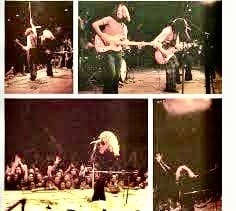
Dalle ceneri di Milano, un legame indissolubile. Sviluppo: Il tempo ha un modo di… Il tempo ha il potere di dissolvere il fumo di quella serata caotica, rivelando qualcosa di ben più resistente che giaceva sotto la superficie. Sebbene i Led Zeppelin, come entità collettiva, non abbiano mai più fatto tournée in Italia, i singoli membri della band non sono mai riusciti a staccarsi davvero dal magnetico abbraccio del Paese. A distanza di decenni, Robert Plant sarebbe tornato regolarmente a esibirsi nelle storiche piazze italiane, profondamente commosso da un pubblico che lo accoglieva non con ostilità, ma a braccia aperte e con lacrime di devozione.
Jimmy Page sarebbe stato spesso avvistato in vacanza lungo le coste italiane baciate dal sole, incantato dalla bellezza del Paese, mentre John Paul Jones avrebbe collaborato nel corso degli anni con importanti musicisti italiani. In definitiva, i disordini al Velodromo Vigorelli non furono una storia di rifiuto, bensì il sintomo estremo e tragico della passione travolgente e incontenibile di una generazione per la musica. Cinquant’anni dopo, il fumo bianco dei lacrimogeni è ormai svanito, lasciando il posto alla luce dorata e immortale di una leggenda del rock che l’Italia si rifiuta di lasciar sbiadire.
40 Minutes of Heaven, A Night in Hell: The Night Rock Died in Milan
In July 1971, Led Zeppelin rolled into MILAN’S Vigorelli Velodrome. Forty minutes later they were fleeing tear gas, vowing never to return. This is the story of that night.
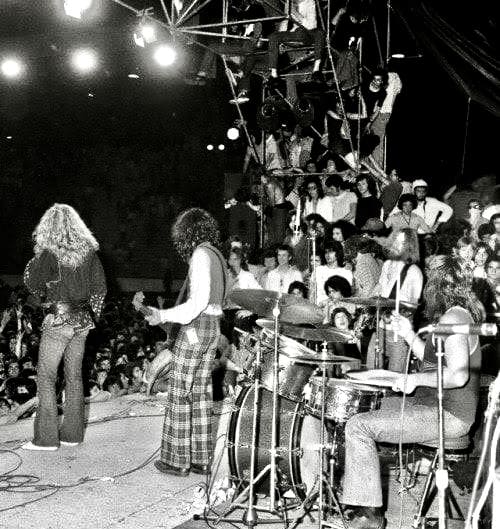
The suffocating afa, the heavy, humid summer heatwave unique to Milan and the Po Valley, hung low over the Vigorelli Velodrome on the evening of July 5, 1971. Outside the concrete walls of the massive outdoor cycling arena, the air hummed with a different kind of energy. Swarms of Vesba 50 Special and Lambrettas choked the streets, their two stroke engines coughing as thousands of Italian youth descended on the government sponsored Cantagiro music festival.
A generation fiercely hungry for international culture
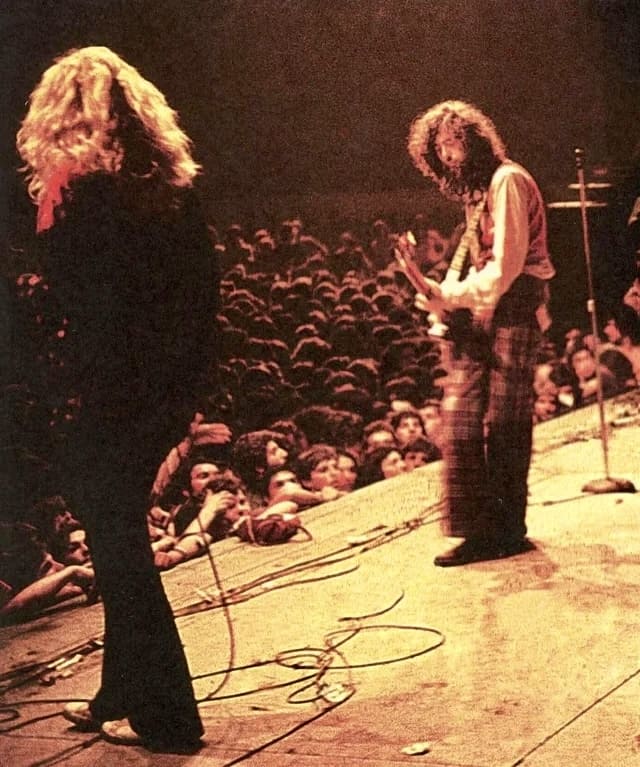
This was a generation fiercely hungry for international culture, actively shedding the wholesome, television approved traditions of Festival di Sanremo and the nightly family rituals of Carosello. Inside the 15,000 strong crowd was a sea of canvas Superga 2750 sneakers, faded, bell bottom denim, and shirts already soaked through with sweat. Thick clouds of harsh, state monopoly Nazionali and trendy MS cigarette smoke billowed towards the sky as the audience grew increasingly hostile, ruthlessly booing the opening pop and beat acts. They hadn’t braved the scorching 30c (86f) heatwave for melodic Italian ballads, they were there for the heaviest band on Earth.
Led Zeppelin finally on stage
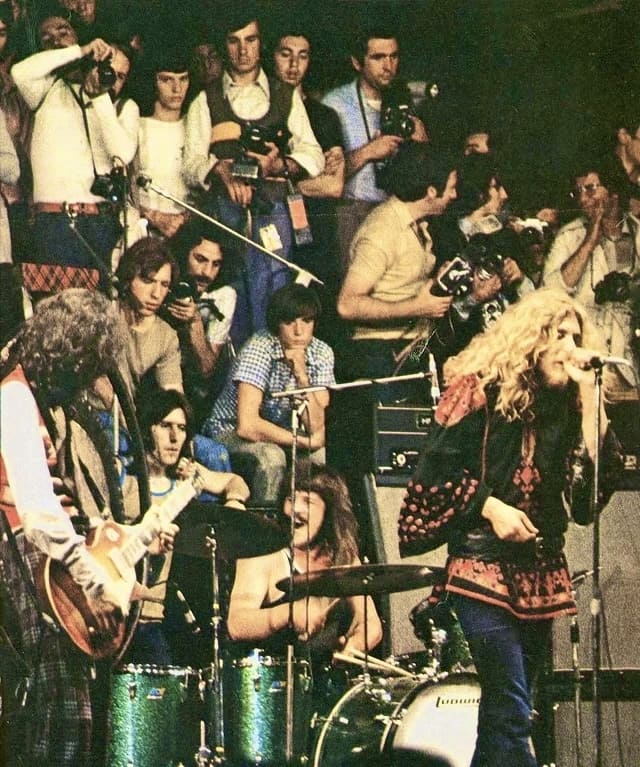
When Led Zeppelin finally took the stage, the atmosphere exploded from impatient tension into sheer, unadulterated frenzy. Robert Plant stood front and center, a bare chested rock deity with a mane of golden hair, leaning into the microphone to unleash the terrifying, high pitch battle cry of “Immigrant Song”. John Bonham’s thunderous, driving percussion and John Paul Jones’s heavy bass lines echoed brutally off the cycling track, instantly sending the crowd into a wild, undulating wave. The original reaction was pure ecstatic adrenaline. Jimmy Page immediately locked into the ferocious, jagged guitar riffs of “Heartbreaker”, his technical prowess completely captivating the front rows. Yet, as the band transitioned into the slow aching blues of “Since I’ve Been Loving You,”a deeper anxiety began to bleed from the stage.
The reaction of the audience in Milan
Looking out past the barrier, the musicians didn’t see the usual jubilant faces; instead, small, unexplained campfires were being lit across the grounds, and faint, unmistakable shouting began to drift through the stadium parameter The band pushed forward into the groove heavy swagger of “Black Dog”a track that typically united audiences into rhythmic ecstasy. In Milan however, the crowd’s reaction was fracturing under external weight. While thousands continued to dance and roar in support, hundreds of heavily armed riot police, whom Plant had earlier noted as looking entirely devoid of humanity, began progressively tightening a perimeter around the youth. The real tipping point arrived during the dark, experimental centerpiece of the night: “Dazed and Confused.” As Jimmy Page drew a violin bow across his guitar strings to conjure a swirling, psychedelic soundscape, the stadium transformed into a literal combat zone.
Led Zeppelin music pierced by the sharp cracks of tear gas canisters
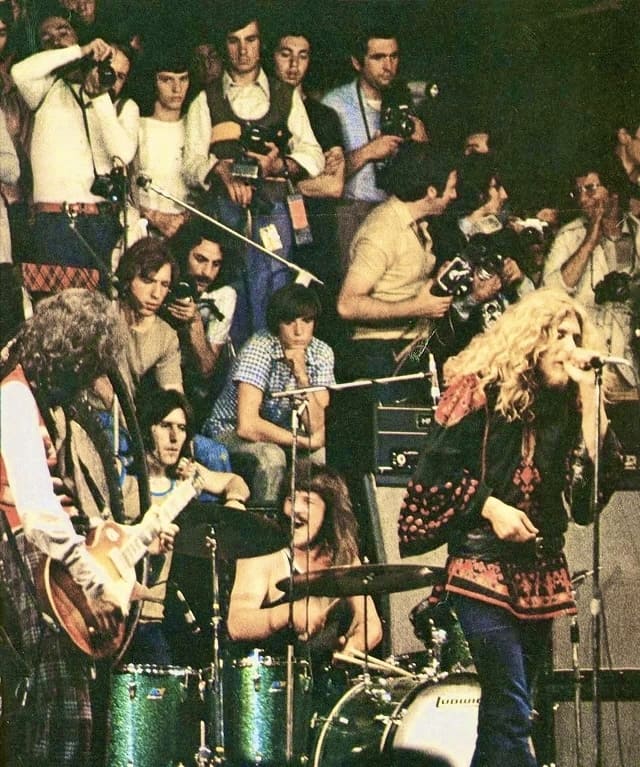
The mesmerizing, eerie music was suddenly pierced by the sharp cracks of tear gas canisters. White, toxic chemicals rolled aggressively across the field, Plant broke character, repeatedly begging the crowd in English to stop lighting fires, entirely unaware that the choking fog wasn’t a product of the fans, but a military grade assault by the Italian authorities.
The four musicians abandoned their instruments and fled down a subterranean access route
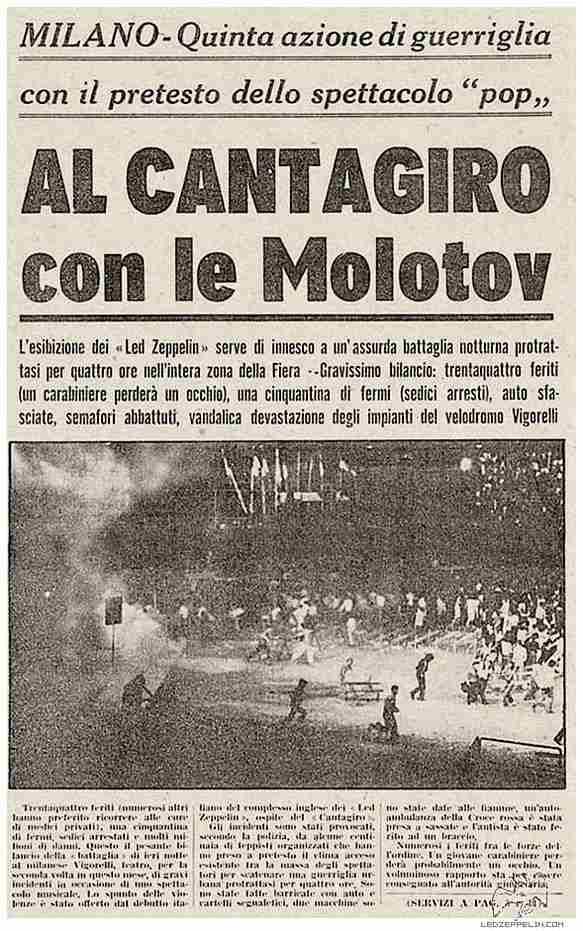
Just forty minutes into a set that was meant to include the soaring majesty of “Stairway to Heaven” and the raw power of “Whole Lot of Love” the performance collapsed into a tragedy of errors. As the band desperately attempted to play, canisters began raining down directly onto the stage, bursting at their feet. Chocking, blinded, and terrified, the four musicians abandoned their instruments and fled down a subterranean access route beneath the velodrome, with riot police firing canisters directly into the tunnel behind them.
Barricaded inside a cramped dressing room, the group endured a terrifying siege, the road crew frantically jammed a heavy medicine cabinet against the door and wrapped wet towels around the Sweating, weeping, and deeply traumatized, Led Zeppelin survived the night without casualties, but the experience shattered their spirit. They flew out of the country the following morning, permanently blacklisting Italy from their future touring schedules and leaving Italian rock purists to forever mourn the night their country broke the heart of the world’s greatest rock band. musicians heads to keep them breathing. The final brutal insult came when police smashed the exterior dressing room windows from the street, tossing two more active tear gas canisters directly into the room.
Led Zeppelin sweating, weeping, and deeply traumatized
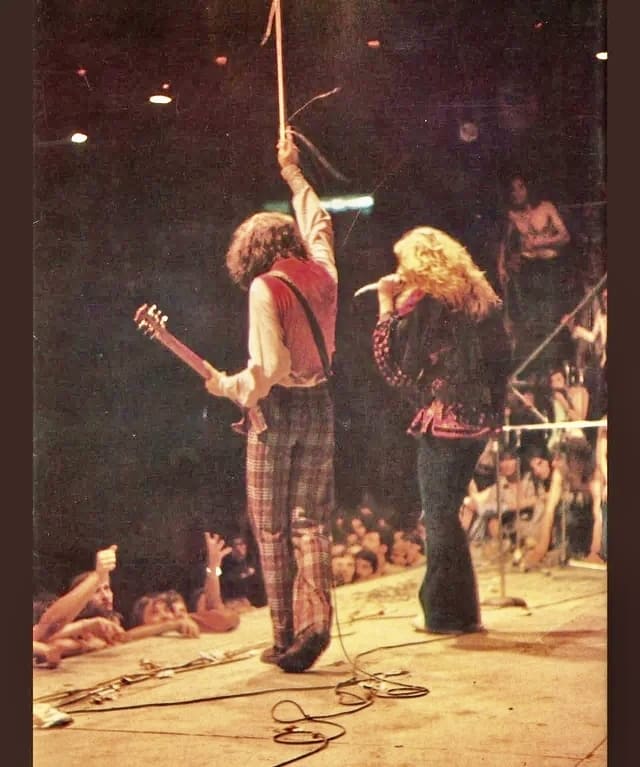
Sweating, weeping, and deeply traumatized, Led Zeppelin survived the night without casualties, but the experience shattered their spirit. They flew out of the country the following morning, permanently blacklisting Italy from their future touring schedules and leaving Italian rock purists to forever mourn the night their country broke the heart of the world’s greatest rock band.
Time has a way of washing away the smoke of that chaotic evening
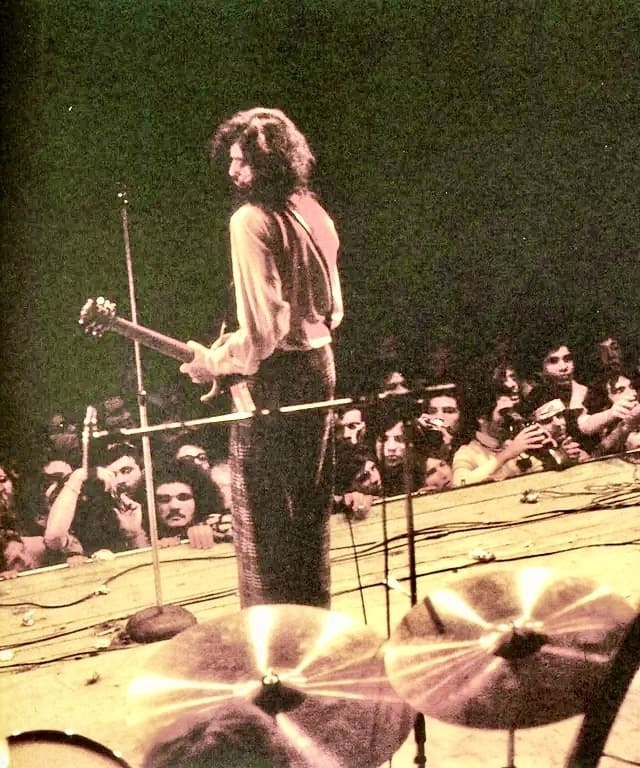
From the Ashes in Milan, an Unbreakable Bond.
Developed : Time has a way of washing away the smoke of that chaotic evening, revealing something far more resilient underneath. While Led Zeppelin as a collective entity would never tour Italy again. The individual threads of the band could never truly detach themselves from Italy’s magnetic embrace. Decades later Robert Plant would regularly return to perform in historic Italian piazzas, deeply moved by audiences that greeted him not with hostility, but with open arms and tears of reverence.
Jimmy Page would frequently be spotted vacationing along the sundrenched Italian coastlines, captivated by the country’s beauty, while John Paul Jones collaborated with prominent Italian musicians over the years. Ultimately, the riot at the Vigorelli Velodrome wasn’t a story of rejection, but an extreme, tragic symptom of a generation’s overwhelming, uncontrollable passion for music. Fifty years later, the white smoke of the tear gas is long gone, leaving behind the enduring, golden light of a rock legend that Italy refuses to let fade.
LEGGI ANCHE:
- Becoming Led Zeppelin: arriva il primo docufilm sulla leggendaria rock band
- Tutto sui Led Zeppelin: Biografia, Discografia Completa, Album Raro e Video Inediti
- Pink Floyd Immersion: un’immersione nel mondo dei Pink Floyd
- I Pink Floyd Legend “The Dark Side of The Moon”
- “Their Satanic Majesties Request”: il contributo dei Rolling Stones alla psichedelia
- Brian Jones: The Forgotten Stone
- Il “Mago Fragile”: l’Italia e l’affascinante, tragica fine dell’era di Brian Jones nei Rolling Stones – It/Eng. Version)
- Syd Barrett: un enigma musicalmente influente (Italian/English Version)
Altro per te
 Rock
RockLed Zeppelin III: La Storia, il Ritiro a Bron-Yr-Aur e Curiosità
Dimenticate il "martello degli dei" per un istante. O meglio, tenetelo a portata di mano, ma preparatevi a vederlo colpire corde di legno acustico.…
 “Becoming Led Zeppelin: Dal Palco dei Primi Concerti al Mito del Rock, Ora sul Grande Schermo IMAX” dal 7 Febbraio 2025
 Black Blood Sthlm: il rock torna alle sue radici. Intervista a Matti Alfonzetti
 The Pineapple Thief, “New World Order”: recensione del singolo, uscita di Far and Wide e tour 2027 a Roma e Milano
 Il mio brano che il pubblico dovrebbe riscoprire: parlano nove star del rock
 Frank Zappa, dopo 50 anni riapre il cassetto di Zoot Allures