
Nirvana: la band che portò il grunge nel mainstream musicale
L’album Nevermind dei Nirvana del 1991 è ampiamente citato come il “colpo mortale” all’era glam e hair metal degli anni ’80, spostando da solo l’attenzione dell’epoca verso il crudo e grezzo Seattle Sound noto come grunge.
Le influenze nel sound dei Nirvana

Il sound dei Nirvana era fortemente influenzato da un mix di punk anni ’70, indie rock anni ’80 e heavy metal, combinando ritornelli pop melodici con distorsioni fastidiose. Tra le loro principali influenze figurano i Pixies, i Melvins, i Wipers, i Mudhoney e i Sonic Youth. Kurt Cobain citò queste band, insieme ai Beatles e Leadbelly, come le principali influenze. Affermando che il musicista blues Leadbelly (Huddie Ledbetter) era il suo “interprete preferito” e che era profondamente ossessionato dalla sua musica, Kurt si identificava con l’emotività oscura e intensa di Leadbelly. Celebre la sua cover di “Where Did You Sleep Last Night” nel 1993 su MTV Unplugged. La sua toccante interpretazione di questo brano è ampiamente riconosciuta per aver ravvivato l’interesse per Leadbelly, che fu la pietra angolare delle radici folk/blues nella musica di Kurt.
Come i Nirvana portarono il grunge al grande pubblico

Il fenomeno “Smells Like Teen Spirit”: quello che sarebbe diventato un disco di successo colossale era inizialmente previsto come un piccolo successo alternative rock. Finché il singolo principale dei Nirvana non ricevette un’enorme rotazione su MTV e radio. Raggiungendo il sesto posto nella Billboard Hot 100, diventando un inno per la disillusa Generazione X. In una vittoria simbolica, mentre i gusti e i tempi cambiavano, i Nirvana scalzarono la canzone Dangerous di Michael Jackson dal primo posto nella Billboard 200 all’inizio del 1992, dimostrando che la musica “alternativa” era ormai mainstream.
Il contratto con una grande etichetta discografica
Aver firmato con una grande etichetta discografica ha fornito ai Nirvana la forza di distribuzione e marketing che mancava alle precedenti uscite grunge delle etichette indipendenti. Aprendo le porte al grunge a livello globale. Autenticità al di sopra della raffinatezza e la dinamica dei Nirvana. Dal dolce al forte, passando da versi melodici silenziosi a ritornelli aggressivi e distorti con chitarre martellanti. I Nirvana offrivano un netto contrasto autentico alla musica pop altamente prodotta della fine degli anni ’80.
L’influenza dei Nirvana sulle altre band

Il successo dei Nirvana creò una corsa all’oro per le etichette discografiche. Queste iniziarono a mettere sotto contratto qualsiasi band con un sound simile e grintoso, dando vita a diverse ondate musicali. La svolta dei Nirvana aprì la strada a band di Seattle come Pearl Jam, Sound Garden e Alice In Chains, che ottennero successi multi-platino.
Post grunge: un nuovo sottogenere
Emerse tra la metà e la fine degli anni ’90, composto da band che adottarono il modello sonoro dei Nirvana, ma con una produzione più accessibile commercialmente. Tra queste band troviamo: *Bush, spesso descritti come uno degli emulatori di maggior successo del sound dei Nirvana.
I Foo Fighters, formati dal batterista dei Nirvana Dave Grohl, portarono avanti una versione del grunge caratterizzata da chitarre distorte, testi angosciati e un suono volutamente grezzo.
Anche Nickelback, Puddle of Mud e Silver Chair ottennero un enorme successo commerciale perfezionando la formula grunge.
L’Ethos punk rock dei Nirvana
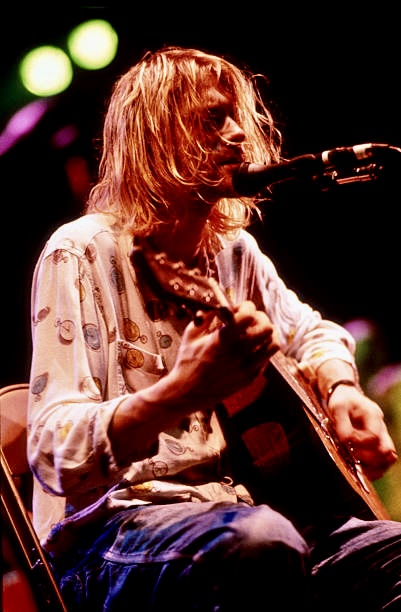
L’etica punk/rock dei Nirvana ha innescato una rinascita dell’interesse per la cultura punk, aiutando indirettamente band come i Green Day e gli Offspring a raggiungere il successo mainstream. Nel complesso, i Nirvana hanno agito come una forza sismica che ha portato il movimento grunge underground di Seattle nel mainstream globale, sconvolgendo l’era dell’hair metal degli anni ’80 con un’autenticità cruda e inni pieni di rabbia come “Smells Like Teen Spirit”. Il loro album del 1991, Nevermind, ha rivoluzionato il rock fondendo l’energia del punk, le melodie del pop e la loro struttura sonora “forte, silenzioso, forte”.
Al di là della loro breve ma significativa carriera, i Nirvana hanno cambiato radicalmente il panorama musicale, aprendo la strada al rock alternativo che avrebbe dominato gli anni ’90 e influenzando innumerevoli band, dai Pearl Jam ai Green Day. Dimostrando che una musica grezza, vulnerabile e non rifinita poteva raggiungere un enorme successo commerciale.
HOW NIRVANA BROUGHT GRUNGE INTO MAINSTREAM MUSIC

Nirvana’s 1991 album Nevermind is widely cited as the “deathblow” to the 80’s era of glam and hair metal, single-handedly shifting the music era’s focus towards the raw unpolished Seattle Sound known as grunge.
The influences in Nirvana’s sound
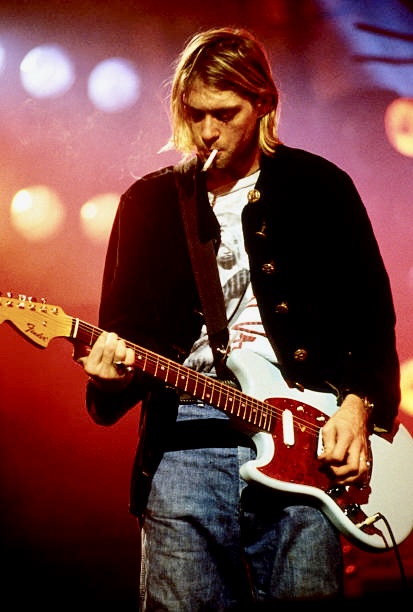
Nirvana’s sound was heavily influenced by a blend of 70’s punk, 1980’s indie rock, and heavy metal, combining melodic pop hooks with vexatious distortion. Their key influences included the Pixies, Melvins, Wipers, Mudhoney, and Sonic Youth. Kurt Cobain cited those bands, along with the Beatles, and Leadbelly as major influences. Stating that blues musician Leadbelly (Huddie Ledbetter) was his “favorite performer” and that he was deeply obsessed with his music. Kurt identified with Leadbelly’s dark, intense emotionality. Famously covering “Where Did You Sleep Last Night”, in 1993 on MTV Unplugged. His haunting performance of this song is widely credited with revitalizing interest in Leadbelly. Who was the cornerstone of the folk/blues roots in Kurt’s music.
How Nirvana brought grunge to mainstream music
*The “Smells Like Teen Spirit” Phenomenon: What would become a monster hit record was originally expected to be a minor alternative rock hit. Till Nirvana’s lead single received massive MTV rotation and radio airplay propelling it to #6 on the Billboard Hot 100, making it an anthem for the disillusioned Generation X. In a symbolic victory as tastes and times were changing, Nirvana knocked Michael Jackson’s song Dangerous off the #1 spot on the Billboard 200 in early 1992, proving “alternative” music was now mainstream.
Signing with a major power record label
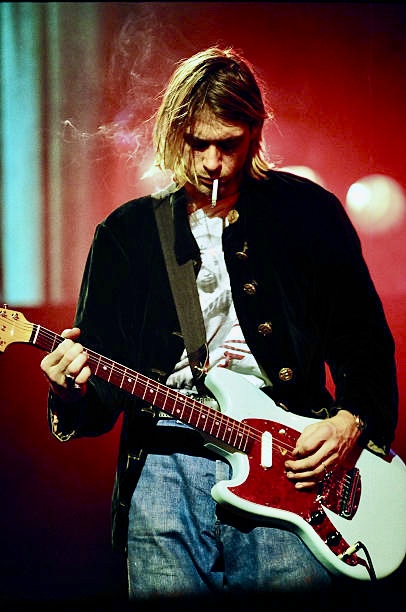
Provided Nirvana with the distribution and marketing muscle that earlier indie-label grunge releases lacked, opening the floodgates for grunge globally. Authenticity over polished and Nirvana’s soft to loud dynamic: By shifting between quiet melodic verses and aggressive distorted guitar thrashing choruses. Nirvana offered a stark authentic contrast to the highly produced pop music of the late 80’s.
Nirvana’s influence on other bands

Nirvana’s success created a gold rush for record labels, who began signing any band with a similar gritty sound, leading to the rise of several musical waves. For Nirvana’s breakthrough paved the way for fellow Seattle bands like Pearl Jam, Sound Garden, and Alice In Chains to achieve multi-platinum success.
Post-Grunge: a new subgenre
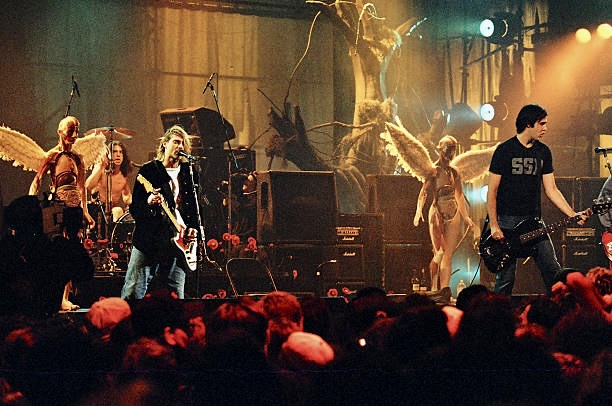
emerged in the mid to late 90’s consisting of bands that adopted Nirvana’s sonic template but with more commercially accessible production. Examples of these bands include: *Bush, who are often described as one of the most successful emulators of Nirvana’s sound. The Foo Fighters, formed by Nirvana’s drummer Dave Grohl, carried forth a version of grunge music that characterized distorted guitars, angst lyrics with a deliberately unpolished sound. Nickelback, Puddle of Mud, and Silver Chair also all achieved massive commercial success by refining the grunge formula.
Nirvana’s punk ethos

Sparked a resurgence of interest in punk culture, indirectly helping bands like Green Day and The Offspring find mainstream success. Overall Nirvana acted as a seismic force that brought Seattle’s underground grunge movement into the global mainstream, shattering the 80’s hair metal era with raw authenticity and angst driven anthems like”Smells Like Teen Spirit”. Their 1991 album Nevermind revolutionized rock by blending punk’s energy, pop’s melodies. and their “loud quiet loud” sound structure.

For beyond their brief, impactful career, Nirvana fundamentally changed the musical landscape, paving the way for alternative rock to dominate in the 1990’s and influencing countless bands, from Pearl Jam to Green Day. Proving it possible that raw, vulnerable, unpolished music, could achieve massive commercial success.
NIRVANA CD SU AMAZON


Miglior Prezzo 1590€

Miglior Prezzo 1015€

Miglior Prezzo 1490€

Miglior Prezzo 1790€


Miglior Prezzo A PARTIRE DA 40000€

Miglior Prezzo A PARTIRE DA 10999€

Miglior Prezzo A PARTIRE DA 9900€

Miglior Prezzo A PARTIRE DA 34900€