

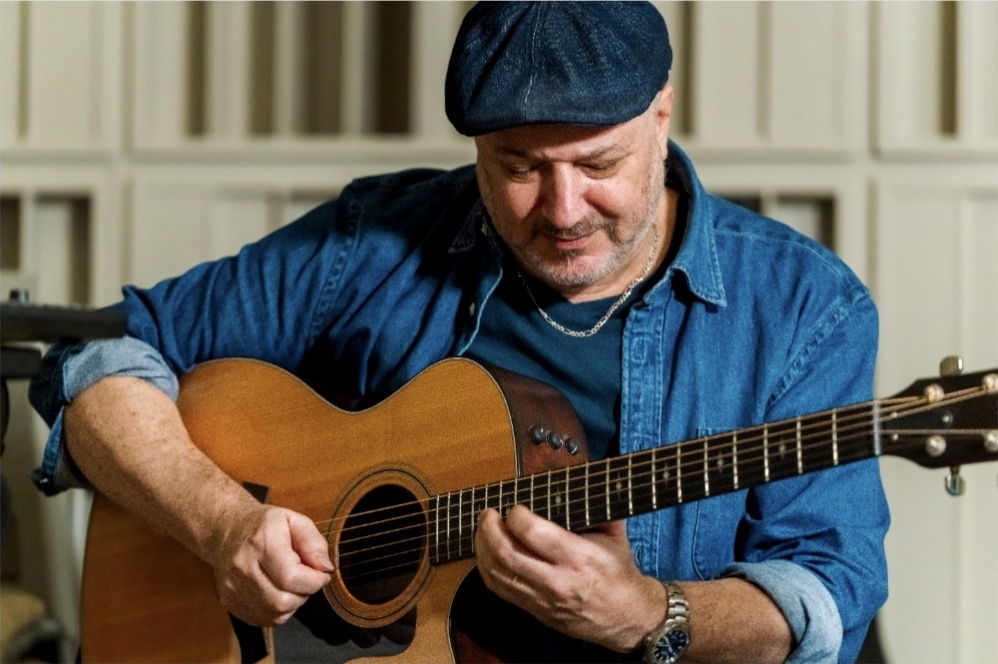
Oggi intervistiamo Russ Spiegel, famoso jazzista, che sta iniziando la sua fantastica tournèe in vista del lancio del nuovo album.
In questa intervista, il chitarrista e compositore riflette sul suo album Timepieces, esplorando il concetto di tempo tra musica, esperienza personale e ricerca artistica. Attraverso le sue risposte emerge una visione completa del processo creativo, del ruolo della performance e dell’importanza della formazione nel jazz contemporaneo.
Intervista a Russ Spiegel
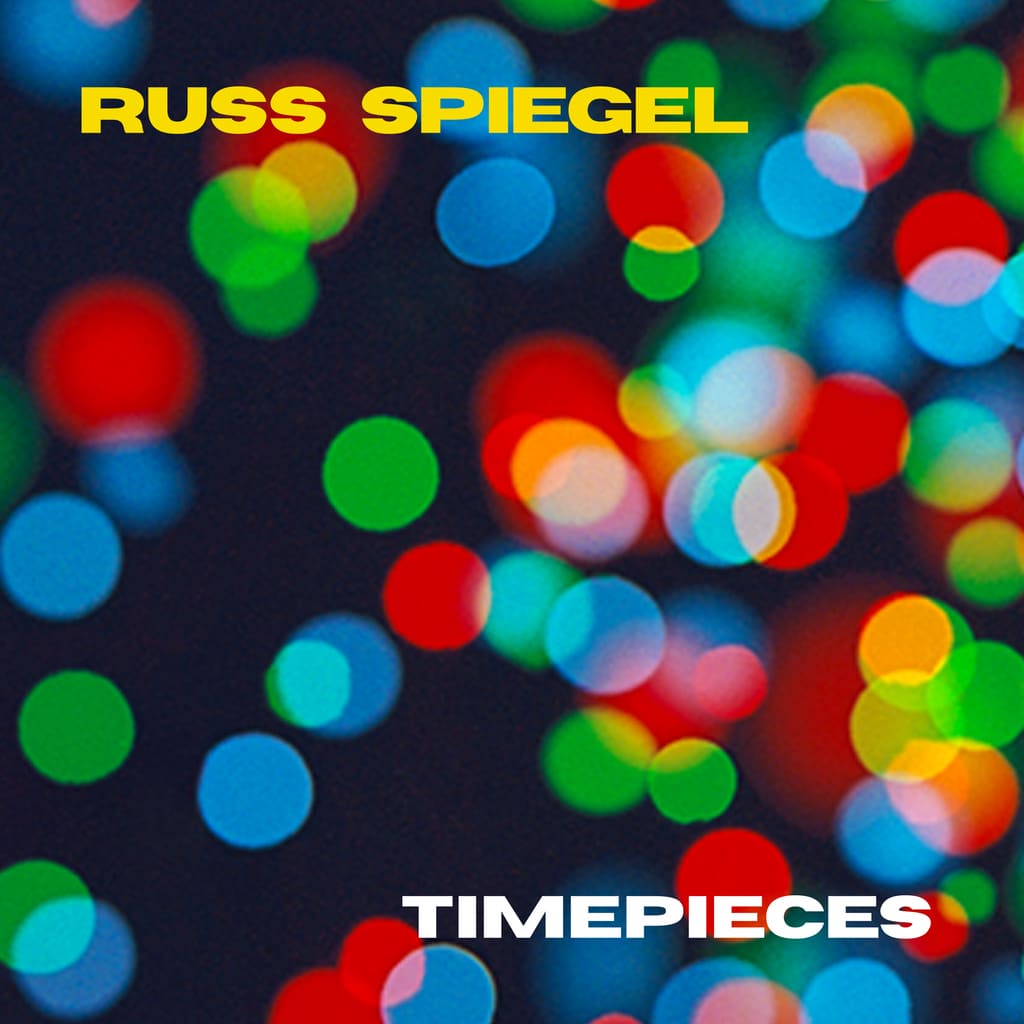
D. Timepieces ruota attorno al concetto di tempo: diresti che si tratta principalmente di un’idea musicale, di un filo narrativo o di qualcosa di più personale? In che modo plasma l’album nel suo insieme?
R. Ciao Dante, è un piacere parlare con te. Amo i molti livelli del concetto di ciò che costituisce il tempo e un “timepiece”. Per quanto riguarda i brani musicali nel tempo, questo album è un amalgama di varie composizioni provenienti da tutta la mia carriera musicale – dalla metà degli anni ’80 fino a oggi – che non erano ancora state documentate in nessuna delle mie registrazioni precedenti, tranne “Lydian Dream”, che era nel mio album di debutto Monky nel 1997, credo.
Seguendo questo concetto, ho avuto l’idea di includere composizioni con diversi tempi musicali, quindi brani che coinvolgono il tempo anche in senso ritmico. Inoltre, di recente mi sono appassionato agli orologi e alla bellissima complessità sia della loro forma che della loro funzione. Proprio come una composizione, non è necessario sapere come funziona un orologio per apprezzarlo; tuttavia, la creazione e la precisione sia di un meccanismo di orologio sia di una composizione richiedono molto lavoro attento e meticoloso. Infine, avevo scritto da poco il brano “Timepiece”, e questo sembrava unire tutte queste idee.
I brani dell’album
D. In brani come “Timepiece” e “Quiet Time” c’è un notevole senso dello spazio e della dinamica: come affronti l’equilibrio tra suono e silenzio nella tua musica?
R. Ottima domanda! Con il tempo, crescendo come compositore, ho imparato che il contrasto può manifestarsi in molti modi. L’interazione tra suono e silenzio è importante perché un eccesso di un solo approccio diventa monotono; cerco sempre varietà in termini di forma, stile e dinamica nella mia musica. Inoltre, credo che ogni brano abbia una propria idea di ciò di cui ha bisogno e cerco di seguirla.
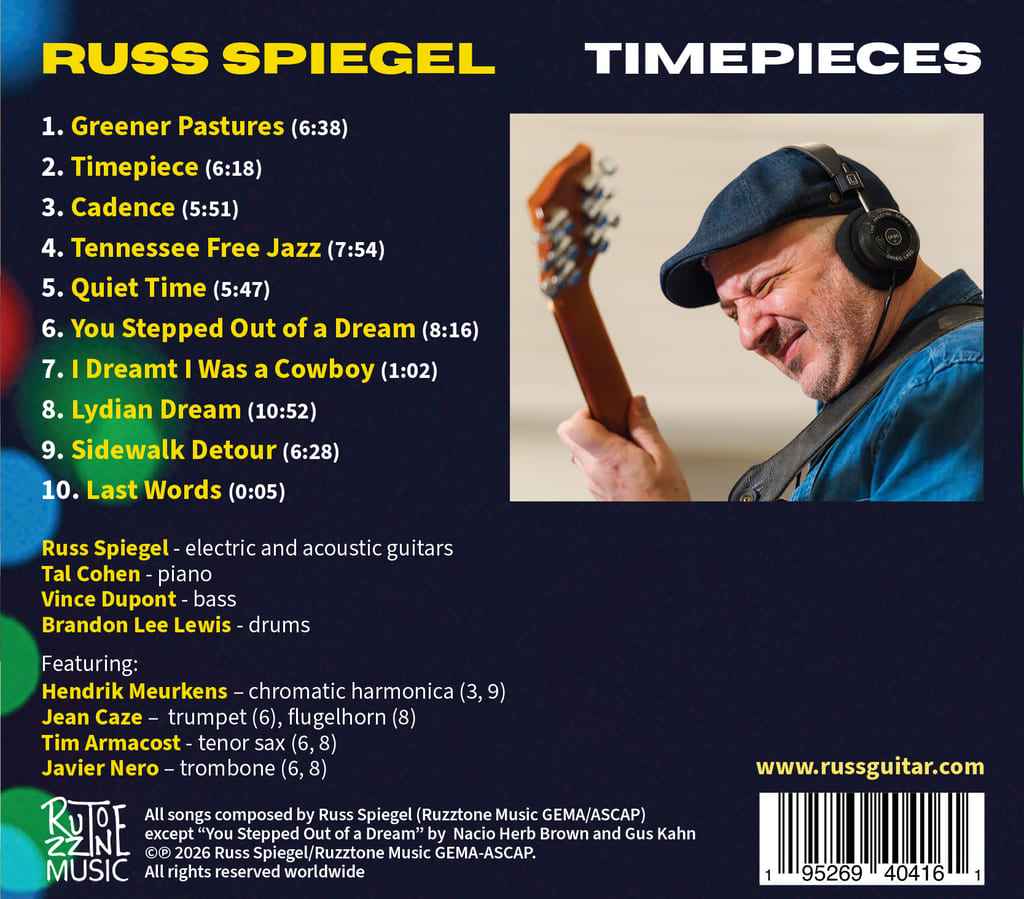
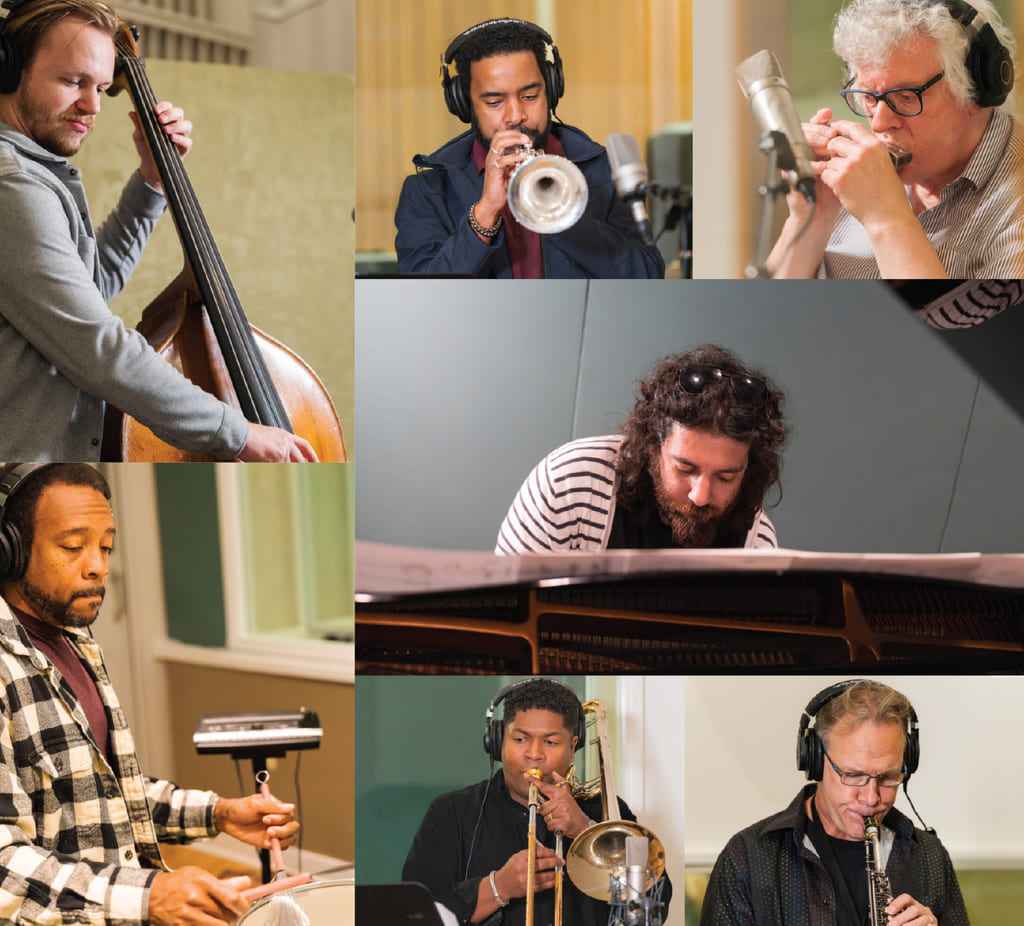
Poiché è costruito per sezioni – con una sorta di introduzione in forma di fanfara che ritorna come interludio e finale, e una sezione centrale molto dinamica in 11/4 – “Timepiece” offre molto spazio per svilupparsi. Naturalmente, avere una sezione ritmica incredibilmente abile e sensibile, con Tal Cohen al pianoforte, Vince Dupont al basso e Brandon Lee Lewis alla batteria, permette al brano di respirare dinamicamente. Per quanto riguarda “Quiet Time”, ho pensato fosse un ottimo veicolo per un duo tra me e Tal. Cerco sempre di includere almeno uno o due brani con chitarra acustica nei miei album, e questo, insieme all’assenza di basso e batteria, consente all’ascoltatore una pausa dai pezzi più intensi del disco.
Russ Spiegel e la sua visione artistica completa
D. Come chitarrista, compositore, produttore e ingegnere del suono, hai una visione artistica estremamente completa: in che modo questo ruolo sfaccettato influenza il suono finale delle tue registrazioni?
R. Per prima cosa, mi permette di eliminare i miei errori, haha!! Ma più seriamente, è un po’ come essere allo stesso tempo produttore ed editor cinematografico: posso avere una visione olistica del mio lavoro. Sviluppo un concetto o una serie di brani per ogni album, scrivo e definisco gli arrangiamenti, prenoto i musicisti e lo studio, pianifico il processo di registrazione, prendo decisioni sul momento e cerco di far suonare e apparire tutto come lo immagino, per ottenere un prodotto finale il più completo possibile.
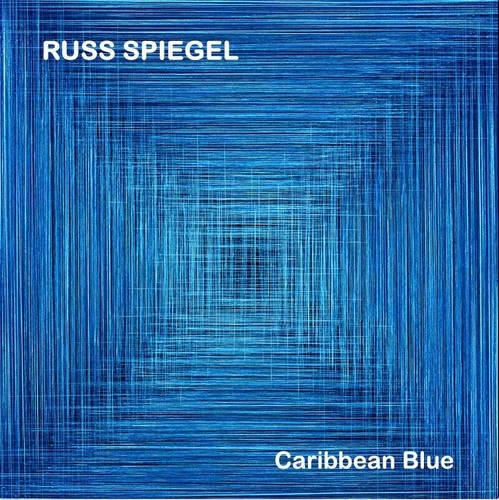
Da Caribbean Blue in poi ho provato a lavorare con altri tecnici del suono per il mix, ma non ero soddisfatto dei risultati, quindi ho finito per mixare da solo le ultime tre uscite, ed è stato anche un grande processo di apprendimento. Progetto anche il layout dei miei album e, sempre da Caribbean Blue, collaboro con l’artista finlandese Niko Luoma e il graphic designer Tom Beckham per creare una coerenza visiva. Inoltre pubblico i miei album sulla mia etichetta Ruzztone Music e ho la fortuna di distribuirli tramite The Orchard. Richiede molto tempo e denaro, ma è davvero un lavoro fatto per amore.
Il prossimo tour europeo di Russ Spiegel
D. Il tuo prossimo tour europeo attraversa contesti culturali molto diversi: adatti le tue performance a ogni pubblico o cerchi di mantenere un’identità artistica coerente?
R. Prima di tutto, adoro viaggiare! È sempre emozionante andare in posti nuovi, incontrare persone e fare nuove esperienze. E dato che viaggio spesso, finisco anche per conoscere luoghi e persone, e amo tornarci. Inoltre, di solito non viaggio con una mia band. Mi piace molto lavorare con musicisti locali, conoscerli e interagire con loro e questo, insieme al pubblico, fa sì che ogni concerto sia speciale e unico. Nel corso degli anni ho creato un ampio repertorio, quindi posso adattare le mie scelte musicali ai musicisti con cui lavoro e, naturalmente, c’è un vastissimo canone di standard jazz a cui attingere se necessario.
L’impegno nell’ambito dell’insegnamento
D. Oltre alla tua carriera performativa, sei molto impegnato anche nell’insegnamento: cosa ritieni più importante trasmettere oggi ai giovani musicisti jazz?
R. Nulla accade senza passione e disciplina! Serve la passione per suonare, ma serve la disciplina per migliorare. Che si tratti di comporre, arrangiare, eseguire o altro, la dedizione allo studio e allo sviluppo delle proprie capacità è fondamentale per avere successo.
Leggi anche: Il Jazz che Incanta la Spezia: Al Via la 57ª Edizione del Festival Internazionale del Jazz
Ho anche trovato una sorta di “ricetta” per il successo (anche se alcune cose possono sembrare ovvie, fidati, non lo sono!): farsi la doccia ogni giorno, vestirsi con cura, essere puntuali, imparare la musica, lavorare sul proprio suono, essere attenti sul palco, ascoltare e rispettare le opinioni degli altri, rispondere rapidamente alle richieste di prove e concerti, conoscere i musicisti con cui si suona e, se si è leader, essere corretti e puntuali nei pagamenti, e soprattutto… suonare a tempo! E ho imparato troppo tardi un’altra cosa: per quanto tu sia bravo, è fondamentale essere una persona piacevole. Nessuno vorrà lavorare con te se non è piacevole stare in tua compagnia (avrei voluto capirlo 30 anni fa!).
L’equilibrio tra struttura e spontaneità nel jazz
D. Con una formazione accademica così solida, come gestisci l’equilibrio tra struttura e spontaneità, così centrale nel jazz?
R. È una domanda molto interessante. Senza struttura non c’è coesione, né forma. Ma troppa struttura può rendere la musica priva di anima. Vedo l’educazione musicale come l’acquisizione degli strumenti necessari per sentirsi liberi nella musica: sviluppare competenze per poter prendere decisioni musicali interessanti, consapevoli e creative. Il vecchio detto – credo attribuito a Miles Davis, ma potrei sbagliarmi – è che ci vuole una vita intera per imparare a essere se stessi. Alcuni lo imparano presto, come i grandi del jazz. Oggi sento di aver acquisito queste capacità, sia come chitarrista sia come compositore/arrangiatore, e questo mi permette di essere libero e seguire la musica ovunque mi porti.
russ spiegel
Tra esibizioni dal vivo e nuove direzioni musicali
D. Ora che Timepieces è uscito, le tue esibizioni dal vivo stanno già indicando nuove direzioni musicali o ti stai concentrando sull’esplorazione completa di questo capitolo sul palco?
R. Direi così: musica e arte sono un viaggio continuo. Mi piace pensare agli album come a una fotografia di un momento nella vita di un artista. Quando ascolto i miei lavori più vecchi, come Chimera (cosa che non faccio spesso!), sento un musicista in una fase molto diversa della sua vita: con una visione interessante e unica, ma diversa da quella attuale. Credo di fare entrambe le cose: esplorare a fondo questo capitolo e allo stesso tempo guardare al futuro. Sono costantemente esposto a nuove idee, nuova musica e nuove fonti di ispirazione. Onestamente, non so ancora dove mi porterà tutto questo.
L’essenza di Timepieces di Russ Spiegel
D. Infine, se potessi racchiudere Timepieces in un’unica immagine o momento della tua vita, quale sarebbe – e perché hai scelto proprio quello?
R. È difficile, perché questo album è esattamente l’opposto di un singolo momento: raccoglie musica proveniente da tutta la mia carriera, quindi è in un certo senso la somma della mia vita come musicista jazz. Direi che quel momento è quello in cui mi trovo ora, come musicista.
D. Grazie mille per il tuo tempo e ti auguro uno splendido tour europeo!
R. Grazie mille, Dante! È stato un piacere.
Sound, soul and freedom: the voice of Russ Spiegel
Today we interview Russ Spiegel, a renowned jazz musician, who is beginning his fantastic tour ahead of the release of his new album.
In this interview, the guitarist and composer reflects on his album Timepieces, exploring the concept of time through music, personal experience, and artistic research. Through his answers, a comprehensive vision emerges of the creative process, the role of performance, and the importance of education in contemporary jazz.
Interview to Russ Spiegel
Q. Timepieces revolves around the concept of time: would you say this is primarily a musical idea, a narrative thread, or something more personal? How does it shape the album as a whole?
A. Hello, Dante, so nice to speak with you. I love the many layers of the concept of what constitutes time and a timepiece. In terms of pieces of music in time, this album is an amalgamation of a number of various compositions from throughout my musical career – beginning from the mid -1980s until the present – that hadn’t yet been documented on any of my previous recordings – except for “Lydian Dream” which was on my debut album Monky way back in 1997, I think.
Leggi anche: Eternal: L’EP Jazz di Owen Chen che Unisce Anime Music, Jazz Moderno e Rock Progressive
Following on this concept, I had the idea of having compositions on this album in different time signatures, thus pieces involving time. Further, I very recently became interested in watches and the beautiful intricacy of both their form and function. Much like a composition, one doesn’t need to know how a watch works to appreciate it; however, the creation and precision of both a watch mechanism and of a composition requires much thoughtful and exacting work. Finally, I had recently written the song “Timepiece,” and this just seemed to tie all these ideas together.
The tracks of Timepieces
Q. In tracks like “Timepiece” and “Quiet Time,” there’s a remarkable sense of space and dynamics: how do you approach the balance between sound and silence in your music?
A. Great question! As I have developed and grown as a composer, I’ve learned that contrast comes in many forms. The interplay of sound and silence is important because too much of any one approach for me becomes monotonous and I try to always have variety in terms of form, style and dynamics in my music. Also, I believe each piece of music has its own idea of what it needs and I try to follow that.
Because it is built in sections – with a kind of fanfare intro that returns as an interlude and ending and the very dynamic 11/4 middle section, “Timepiece” offers a lot of room to build. Of course, having an incredibly adept and sensitive rhythm section in Tal Cohen on piano, Vince Dupont on bass and Brandon Lee Lewis on the drums means the song can breathe dynamically. As to “Quiet Time” – I felt this would be a great vehicle for Tal and me in duo. I always try to have at least one to two pieces of me on acoustic guitar on my albums and this, plus leaving out bass and drums allows the piece to give the listener a break from the heavier pieces on the album.
Russ Spiegel and his complete artistic vision
Q. As a guitarist, composer, producer, and sound engineer, you have a uniquely complete artistic vision: how does this multi-faceted role influence the final sound of your recordings?
A. Well, for one thing, it allows me to edit out my mistakes, haha!! But more seriously, it’s a lot like being a film producer and editor all in one – I am able to have a holistic vision for my work. I develop a concept or series of songs for each album, write and develop my arrangements, book the musicians and studio and I plan out the recording process, make decisions on the spot, and make it sound and look as I conceive it in order to have as complete a final product as possible.
From Caribbean Blue on I tried using other engineers to mix my albums but wasn’t happy with the results so I ended up mixing my last three releases myself and that has also been a great learning process. I also design my own album layout and starting with Caribbean Blue I have been working with the Finnish artist Niko Luoma and graphic artist Tom Beckham to create a consistent visual work. And, of course I release my albums on my own label Ruzztone Music and have been fortunate to be able to distribute them on The Orchard. It all takes a lot of time and money, but it’s really a labor of love.
The European Tour
Q. Your upcoming European tour spans a wide range of cultural settings: do you adapt your performances to each audience, or do you aim to present a consistent artistic identity throughout?
A. Well, first things first – I love to travel! It’s always exciting, going to new places, meeting new people, and having new experiences. And as I am fortunate to travel quite often, I also get to know people and places and love returning there.
Another thing is that I don’t usually travel with my own band. I really enjoy working with the local musicians, getting to know and interact with them and this, more or less by default, along with the audience we perform for means that each concert will be special and unique. Over the years I’ve created a large body of work so I can tailor my musical choices for the musicians I’m working with, and of course, there’s very large canon of jazz standards to play if the moment calls for it.
His job in musical education
Q. Alongside your performance career, you are also deeply engaged in education: what do you feel is most important to share with young jazz musicians today?
A. Nothing happens without passion and discipline! You need the passion to play music, but you need discipline to get better at your craft. Whether it’s composing, arranging, performing, or anything else, the dedication to learning and developing your instrumental prowess and musical tools are necessary to actually succeed. Also, I’ve found a good recipe for success (though some of the following things may seem obvious, trust me, they’re not!) is to shower daily, dress thoughtfully, be on time, learn the music, work on your sound, be observant on the bandstand, listen to and respect others’ opinions.
Leggi anche: Intervista a Francesca Tandoi: La Regina del Jazz Contemporaneo
Respond quickly to gig and rehearsal requests, get to know who you are playing with and if you are the bandleader be fair and timely with paying people, and above all, play in time! And it took me far too long to learn something else: no matter how well you play, be a good hang. No one is going to want to work with you if you aren’t pleasant to be around (boy, I wish I knew that about 30 years ago!).
The balance between structure and spontaneity in jazz
Q. With such a strong academic background, how do you navigate the balance between structure and spontaneity—so central to jazz?
A. That’s a very interesting question. Without structure, there’s no cohesion, no form. Too much structure and your music can feel soulless. I see the value in music education as acquiring the what you need so that you can feel free in the music – the acquiring of musical skills and tools to be able to make interesting, informed, and creative musical decisions.
The old adage – I think it is attributed to Miles Davis, but I could be wrong – is that it takes your whole life to learn how to be yourself. Some people learn this early – like some of the real jazz greats (Miles, Dizzy, Bird, Monk, Keith Jarrett, etc.). These days, I feel like I have acquired these skills – both as a guitarist and as a composer/arranger so that I feel free to be able to go wherever the music takes me.
Russ Spiegel
Russ Spiegel: between live perfornaces and new musical directions
Q. With Timepieces now out, are your live performances already pointing toward new musical directions, or are you focusing on fully exploring this chapter on stage?
A. I’d put it like this: music and art is a constant journey. I like the idea of albums being a record of where an artist is at a particular time in their life.
When I listen to my older albums like Chimera (which I don’t do too often lol) I hear a musician at a very different point in their life – still with an interesting and unique take on music, but also very different from what I’m doing now. I think I’d say I’m doing both things: fully exploring this chapter while looking towards the future and new directions. I’m constantly hearing and trying new things, getting exposed to new music and other forms of inspiration. To be honest, I’m not sure where it will take me next.
The essence of the album Timepieces
Q. Finally, if you could capture Timepieces in a single image or moment from your life, what would it be—and why is that the moment you chose to preserve in this album?
A. That’s a hard one as this album is exactly the opposite of one moment in my life, since it comprises music from throughout my musical career it’s kind of the sum of my life as a jazz musician. I guess you could say the moment is where I am right now as a musician.
Q. Thank you so much for your time, and I wish you a wonderful European tour!
A. Thanks so much, Dante! It’s been a pleasure.
Altro per te
 jazz
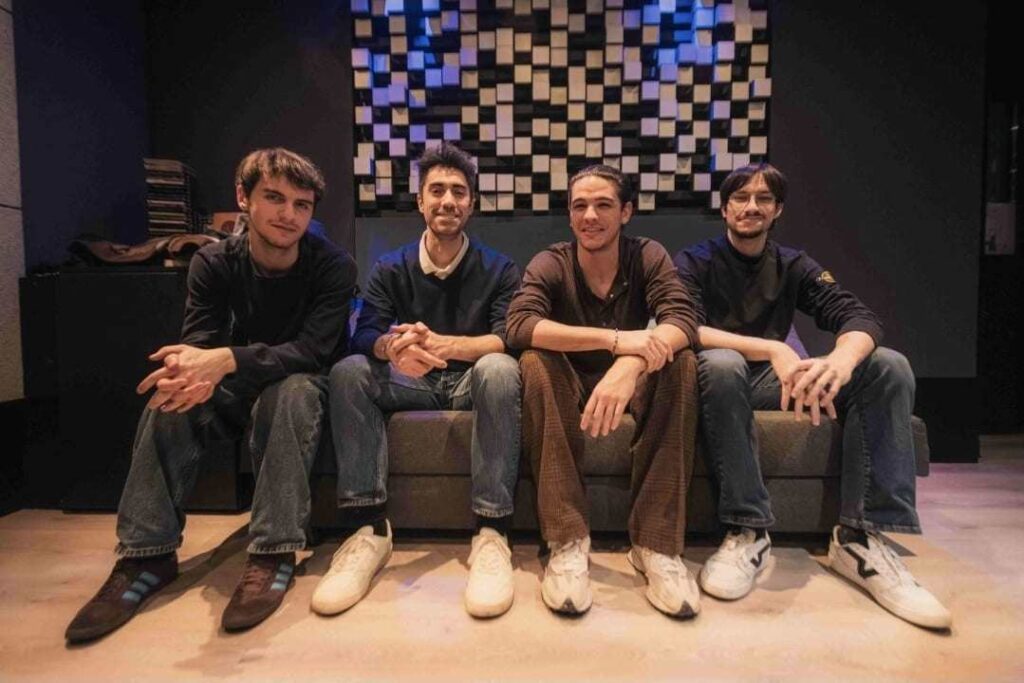
jazzMattia Basilico Quartet pubblica WHAT’S NEXT: la tradizione del jazz incontra il futuro
Con WHAT’S NEXT il quartetto formato da Mattia Basilico, Alessio Pagliero, Andrea Amato e Luca Guarino firma un album di grande fascino. Capace di…
 La Spezia celebra il jazz internazionale – 58ª edizione
 Intervista a Denise Donatelli: «Questo album è un inno alla vita»
 Festival Jazz Monte Mario – Massimo Urbani: grande successo per la settima edizione
 Festival del Jazz Monte Mario “Massimo Urbani” – Settima Edizione
 Adam and.. the music! Intervista ad Adam De Lucia
 Francesca Tandoi ed il suo jazz: SongBook Vol.1 – Intervista
 “The Art of Devotion – Interpretation”: la musica come linguaggio universale nell’International Jazz Day 2026
Su eBay: Russ spiegel



Link affiliati: se acquisti, BACKdigit riceve una piccola commissione senza costi per te.