
They Could be Heroes: David Bowie, Iggy Pop, Robert Fripp e Brian Eno per la trilogia berlinese
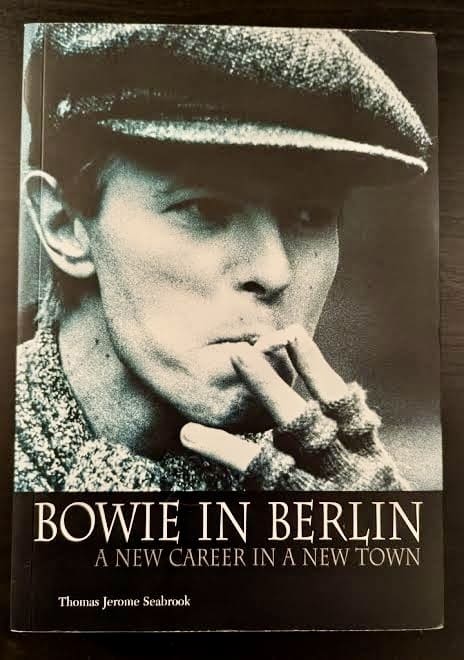
David Bowie, Iggy Pop, Robert Fripp e Brian Eno furono figure chiave in un periodo musicale creativamente fertile nella Berlino Ovest alla fine degli anni ’70. Il loro periodo lì si concluse con l’acclamata trilogia berlinese di Bowie, che includeva gli album LOW, Heroes e Lodger. Insieme agli album solisti di Iggy, The Idiot e Lust For Life. I due riuscirono a raggiungere questo obiettivo con l’aiuto di Robert Fripp, che contribuì con un’iconica chitarra. In particolare nel brano Heroes che ridefinì l’Art/Rock, e dello straordinario sintetizzatore Eno.
Le registrazioni agli Hansa Studios di Berlino
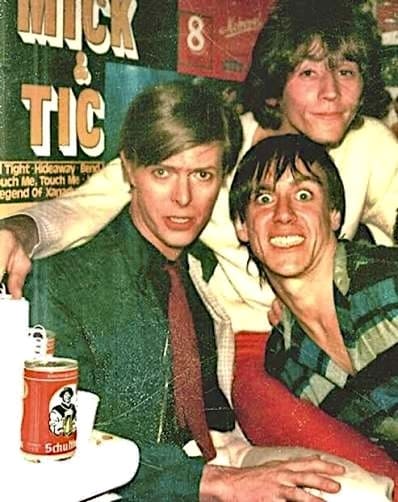
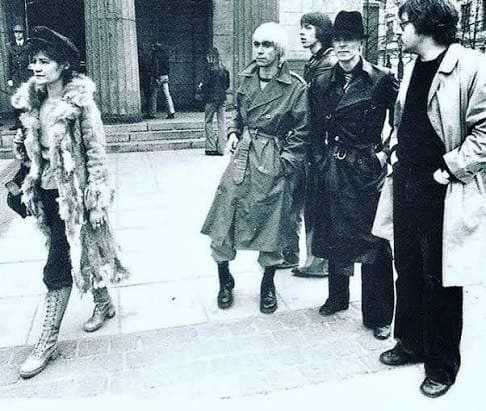
Sia Bowie che Pop si trasferirono a Berlino in cerca di un nuovo inizio e di un rinnovamento creativo. Vissero nell’anonimato in un appartamento, frequentarono i caffè locali, abbracciando l’atmosfera unica di Berlino, soprattutto vicino al Muro. Lavorarono spesso agli Hansa Studios. Situati vicino al Muro, uno sfondo toccante per il loro sound sperimentale. Mentre era a Berlino, David Bowie produsse i primi due album solisti di Iggy Pop, The Idiot e Lust for Life, creando contemporaneamente i suoi capolavori, Low, Heroes e The Lodger. Bowie fu incoraggiato da Eno a reclutare Robert Fripp, membro dei King Crimson, per aggiungere le sue inconfondibili texture chitarristiche.
Un sound che unisce l’Industrial all’electronic Rock
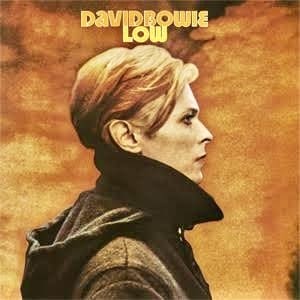
Furono notoriamente registrati in brevi raffiche, a volte utilizzando il feedback in studio. I collaboratori avrebbero poi sviluppato un sound unico che fondeva elementi Industrial, Elettronica e Rock. Gli album da loro prodotti a Berlino includono: Low (Bowie 1977), il primo di una trilogia di album, con Eno e Fripp.
Il capolavoro Heroes e la trilogia berlinese
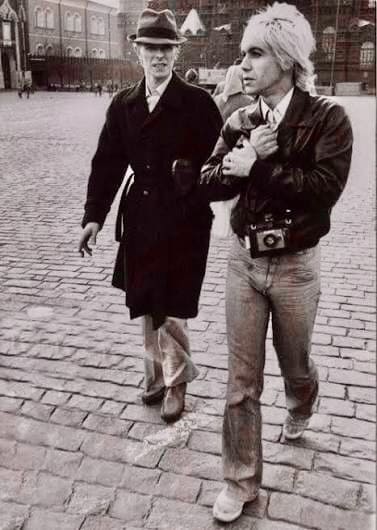
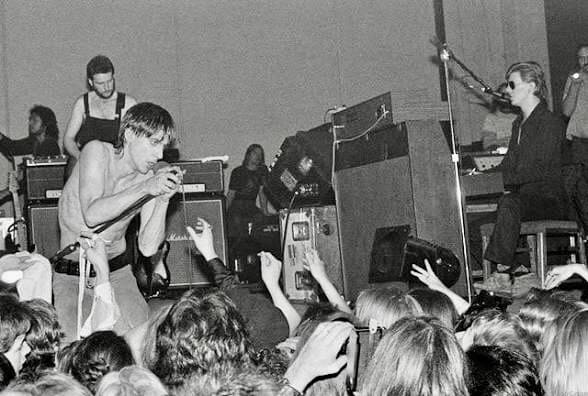
Heroes vede la chitarra di Robert Fripp nella traccia che dà il titolo all’album insieme ad altri brani. Lodger, pubblicato da Bowie nel 1979, è la parte finale della trilogia di Bowie, che prosegue la direzione sperimentale dei primi due album della trilogia. In generale, le sessioni segnarono una profonda rinascita creativa, plasmando il Post-Punk e la New Wave e definendo un capitolo significativo nella storia del Rock. Il periodo di collaborazione a Berlino Ovest fu un tentativo di reinvenzione creativa e personale.
L’amicizia tra David Bowie e Iggy Pop
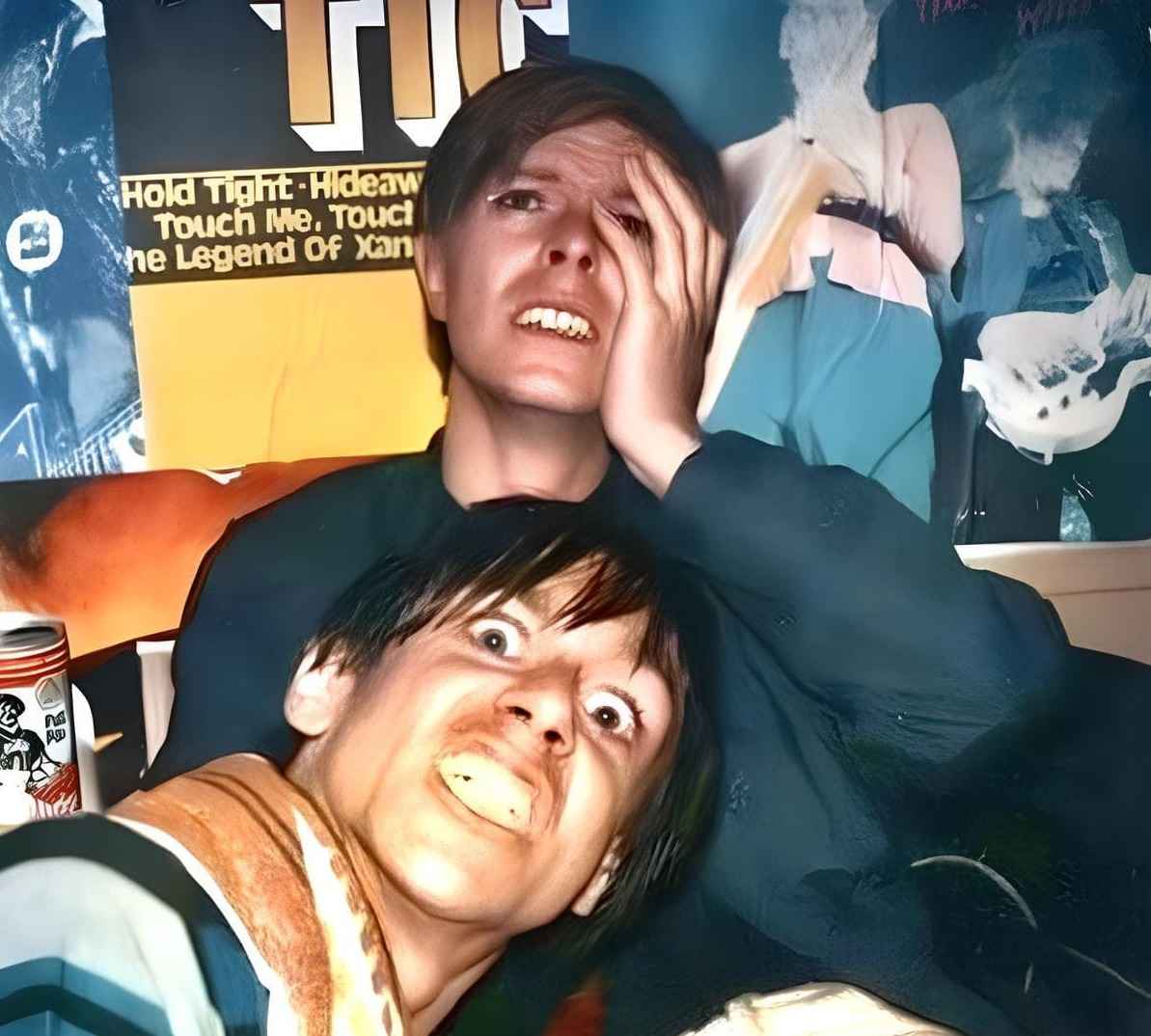
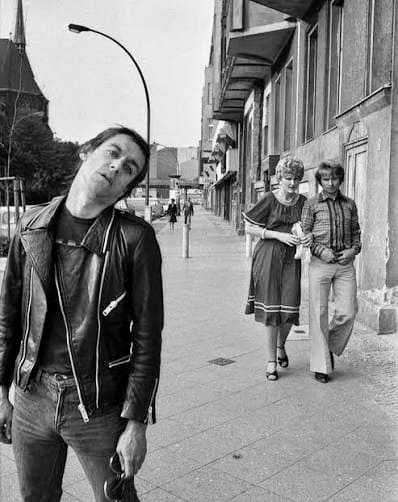
Bowie fu un mentore e un angelo custode per Iggy durante
questo periodo. Produsse e co-scrisse gli album solisti di Iggy Pop, The Idiot e Lust for Life, e andò persino in tournée come tastierista di Pop nel 1977. Questo per aiutare Iggy a ritrovare la sua fiducia come artista.
David Bowie e la collaborazione con Robert Fripp e Brian Eno
Robert Fripp ebbe un ruolo unico nella collaborazione. Brian Eno
aveva suggerito Fripp per le sessioni di Heroes. Fripp, che viveva a New York, ricevette una telefonata da Eno, che gli comunicava di essere a Berlino per lavorare con Bowie.
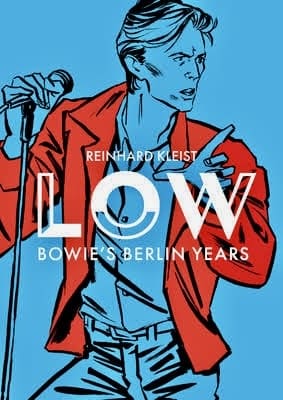
Eno passò quindi il telefono a Bowie, e David chiese a Fripp se fosse interessato a suonare “un po’ di chitarra rock and roll un po’ arruffata” sul disco a cui stavano lavorando. Fripp rispose: “Beh, non suono da tre anni, ma se sei disposto a correre un rischio, lo farò anch’io”. Così fu spedito un biglietto di prima classe a Robert e lui volò a Berlino per registrare alcune iconiche tracce sperimentali di chitarra. Avrebbe poi registrato tutte le sue parti per Heroes in soli tre giorni, spesso suonando su brani che non aveva mai sentito prima. Per ottenere e sostenere le note ululanti della title track Heroes, Fripp si mise in punti precisi sul pavimento dello studio dove la sua chitarra avrebbe captato il feedback dell’amplificatore
Le dichiarazioni di Robert Fripp
Il produttore Tony Visconti poi sovrappose queste diverse riprese per creare il muro di suono distintivo del brano.
Fripp, parlando dell’atmosfera e dell’ambiente in cui è stato realizzato l’album Heroes, ha tracciato parallelismi tra la Londra degli anni ’60, la New York della fine degli anni ’70 e l’inizio degli anni ’80 e la Berlino della metà degli anni ’70. Affermò: “È come se lo spirito discendesse, e un luogo, per qualsiasi giustapposizione di ragioni, avesse potere. Penso che per gli artisti, gran parte di ciò dipenda dal fatto che le normali strutture formali di controllo perdono la loro presa”.
I contributi chiave alla collaborazione degli artisti sono: gli album di David Bowie, Low, Heroes e Lodger.
Brian Eno collaboratore chiave
Tra le opere di Iggy Pop figurano The Idiot e Lust for Life. Iggy ha anche eseguito i cori nell’album Low di Bowie.
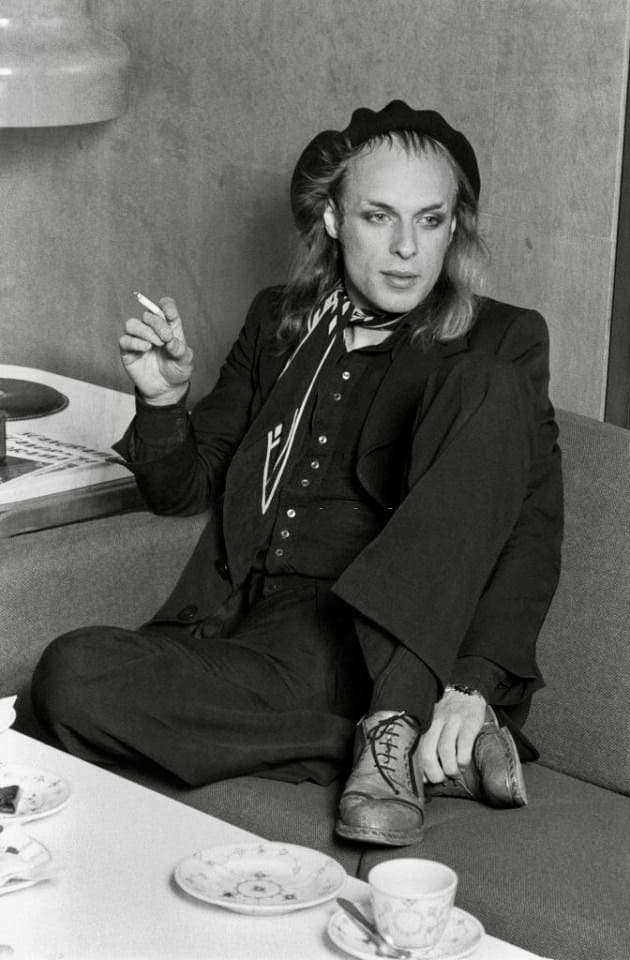
Robert Fripp contribuì agli album Heroes e Lodger. Il suo ruolo principale fu quello di chitarrista solista ospite. Infine, ma non meno importante, Brian Eno apparve negli album di Bowie, Low, Heroes e Lodger come collaboratore chiave. Eno avrebbe poi rivoluzionato il sound di David Bowie durante il periodo berlinese, introducendo metodi astratti e sperimentali, concentrandosi sull’atmosfera rispetto alla scrittura tradizionale e integrando sintetizzatori, texture ambient e world music, dando vita ad album d’avanguardia influenti che esploravano nuovi paesaggi sonori e segnavano un distacco dal rock convenzionale.
L’ispirazione dalla Guerra Fredda a Berlino
Portò strutture concettuali e co-scrisse molti brani, plasmando il suono unico, frammentato ed elettronico della trilogia.
A Berlino Bowie, nella sua collaborazione con Iggy, Fripp ed
Eno, abbandonò la sua identità da “Duca Bianco” per concentrarsi sul processo artistico anziché sullo spettacolo. Gran parte dell’atmosfera cupa e distaccata della musica traeva ispirazione dalla cupa atmosfera della Guerra Fredda a Berlino e dall’incombente muro, che ispirò Bowie e i suoi compagni a creare una trilogia di capolavori musicali che avrebbero contribuito a plasmare il futuro del rock.
The Could Be Heroes

David Bowie, Iggy Pop, Robert Fripp and Brian Eno were pivotal figures in a creatively fertile musical period in West Berlin
during the late 1970s.
Their time spent there cumulated, with Bowie’s acclaimed Berlin trilogy which included the albums, LOW, Heroes and Lodger.
Along with Iggy’s solo albums, The Idiot and Lust For Life. The two of them accomplished this with help from Robert Fripp contributing iconic guitar work, particularly on the song Heroes that redefined Art/Rock, and synthesizer extraordinaire Eno.
The recordings at the Hansa Studios in Berlin
Both Bowie and Pop moved to Berlin seeking a new start and creative renewal. They lived anonymously in an apartment, frequented local cafes,
embracing Berlin’s unique atmosphere, especially near the Berlin Wall. They often worked
at Hansa Studios. Located near the Wall, a poignant backdrop for their experimental sound.
While in Berlin, David Bowie produced Iggy Pop’s first two solo albums, The Idiot and Lust for Life, while simultaneously creating his own masterpieces, Low, Heroes and the Lodger Bowie was encouraged by Eno, to recruit Robert Fripp a member of King Crimson, to add his unique guitar textures.
A sound mixing Industrial to Electronic Rock
They were famously recorded in short bursts, sometimes using studio feedback and the collaborators would go on to develop a unique sound blending Industrial, Electronic, and Rock elements.
The albums produced by them in Berlin included:
Low (Bowie 1977), the first of a trilogy of albums, that featured Eno and Fripp.
The masterpiece Heroes and the Berlin Trilogy
Heroes features Robert Fripp’s guitar on the title track along with other tracks on the album. Lodger released by Bowie, in 1979, is the final part of Bowie’s trilogy, which continued the experimental direction of the trilogy’s first two albums.
In general the sessions marked a profound creative renaissance, shaping Post- Punk and New Wave and defining a significant chapter in Rock history. The collaborative period in West Berlin, was an attempt at creative and personal reinvention.
The friendship between David Bowie and Iggy Pop
Bowie acted as a mentor and guardian angel for Iggy during
this period. He produced and co-wrote Iggy Pop’s solo albums, The Idiot and Lust for Life and even toured as Pop’s keyboardist in 1977 to help Iggy regain his confidence as a performer.
The collaboration with Robert Fripp and Brian Eno
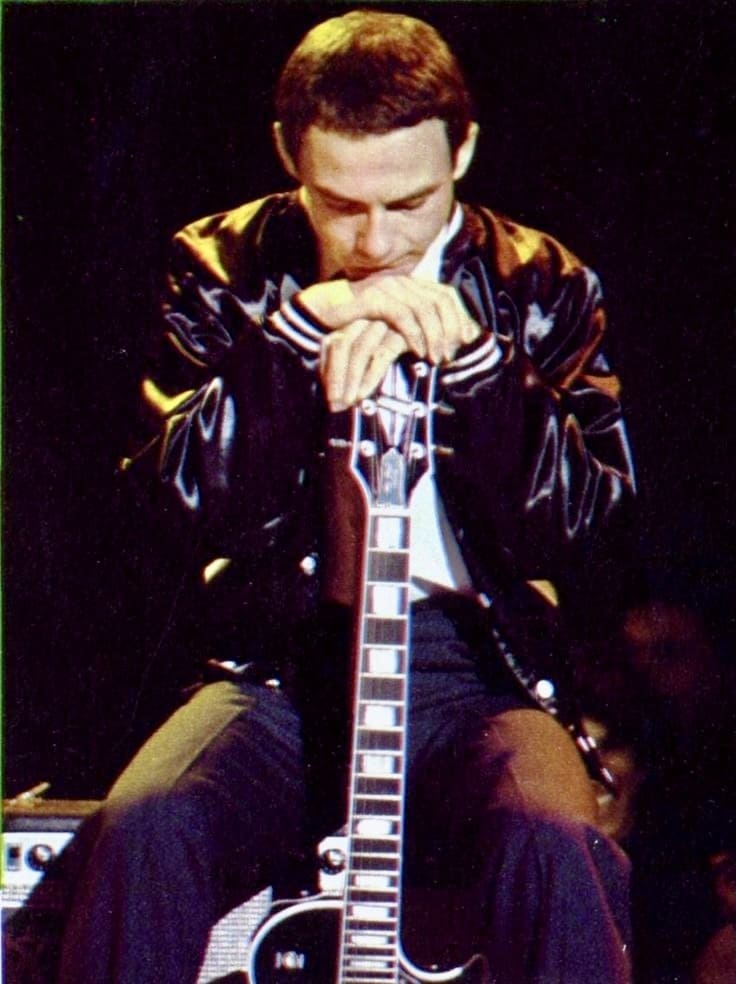
Robert Fripp had a unique role in the collaboration. Brian Eno
had suggested Fripp for the Heroes sessions. Fripp who was living in New York City, received a phone call from Eno, stating he was in Berlin working with Bowie.
Eno then passed the phone to Bowie, and Fripp was asked by David if he’d be interested in playing “some hairy rock and roll guitar”, on the record they were working on. To which Fripp replied,”Well, I haven’t really played in three years, but if you’re prepared to take a risk, so will I.” So a first class ticket was dispatched to Robert and off he flew to Berlin to lay down some iconic experimental guitar tracks. He would go on to record all his parts for Heroes in just three days, often playing over tracks he had never heard before. To achieve and sustain, the howling notes on the title track Heroes. Fripp stood at precisely marked spots on the studio floor where his guitar would catch feedback from his amplifier.
Robert Fripp talks about Heroes
Producer Tony Visconti then layered these different takes to create the song’s signature wall of sound. Fripp while talking about the atmosphere and environment in which the album Heroes was made, drew parallels between London in the 1960’s, New York in the last of the 70’s and early 80’s and Berlin in the mid 70’s, saying ,“it’s as if the spirit descends, and a place, for whatever juxtaposition of reasons has power, and I think that for artists, a lot of it is that the normal formal structures of control lose their grip.” Key contributions to the collaboration by the
artists are: David Bowie’s, Low, Heroes and Lodger albums.
Brian Eno: a key collaborator to David Bowie
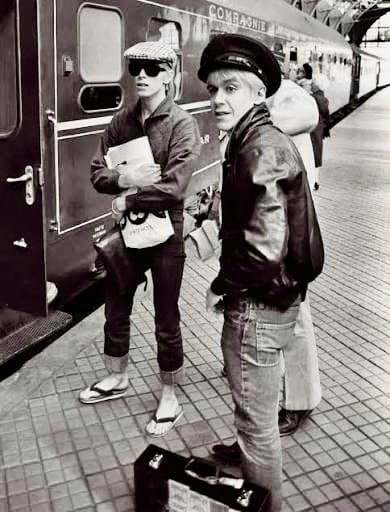
Iggy Pop’s works included The Idiot, and Lust for Life. Iggy also provided backing vocals on Bowie’s album Low. Robert Fripp contributed to the Heroes and Lodger albums. His primary role was guest lead guitarist. Last but not least, Brian Eno appeared on Bowie’s, Low, Heroes, and Lodger albums as a key collaborator. Eno would go on to revolutionize David Bowie’s sound during the Berlin period, introducing abstract, experimental methods, focusing on atmosphere over traditional songwriting and integrating synthesizers, ambient textures, and world music, leading to avant-garde, influential albums that explored new sonic landscapes and marked a departure from conventional rock.
The inspiration from the Cold War atmosphere in Berlin
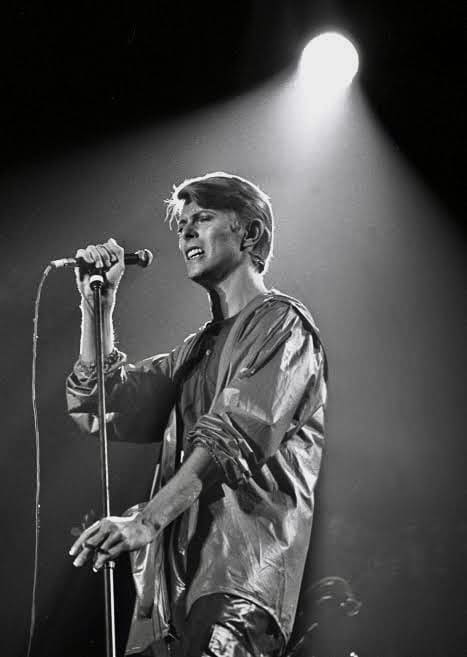
He brought conceptual frameworks, and co-wrote many tracks, shaping the trilogy’s unique fragmented and electronic sound.
In Berlin Bowie, in his collaboration with Iggy, Fripp and
Eno, abandoned his, “Thin White Duke” persona to focus on artistic process over spectacle. Much of the music’s gloomy detached mood was inspired by the bleak Cold War atmosphere of Berlin and the looming wall, which inspired Bowie and his companions to create a musical masterpiece trilogy that would help shape the future of rock.
LEGGI ANCHE:
- Nuovo libro su David Bowie di Paul Morley: “Oltre lo spazio e il tempo”
- Cesare Cremonini al lavoro con Mike Garson il leggendario pianista di David Bowie
- “Born With A Broken Heart” il nuovo singolo da solista di Damiano David
- Syd Barrett: un enigma musicalmente influente (Italian/English Version)
- Pink Floyd Immersion: un’immersione nel mondo dei Pink Floyd
- I Pink Floyd Legend “The Dark Side of The Moon”
- Syd Barrett: un enigma musicalmente influente (Italian/English Version)
- LA VOLPE – Genesis of a Prog Band Live e Video Reel



Miglior Prezzo A PARTIRE DA 40000€

Miglior Prezzo A PARTIRE DA 10999€

Miglior Prezzo A PARTIRE DA 9900€

Miglior Prezzo A PARTIRE DA 34900€