Radio Online
Intervista a Cindy Blackman Santana: la musica come ricerca infinita
Dall’album Coherence al progetto The Power of 3, passando per l’improvvisazione, il linguaggio della batteria e l’eredità dei grandi maestri.
Cindy Blackman Santana: un sound che lascia un’impronta
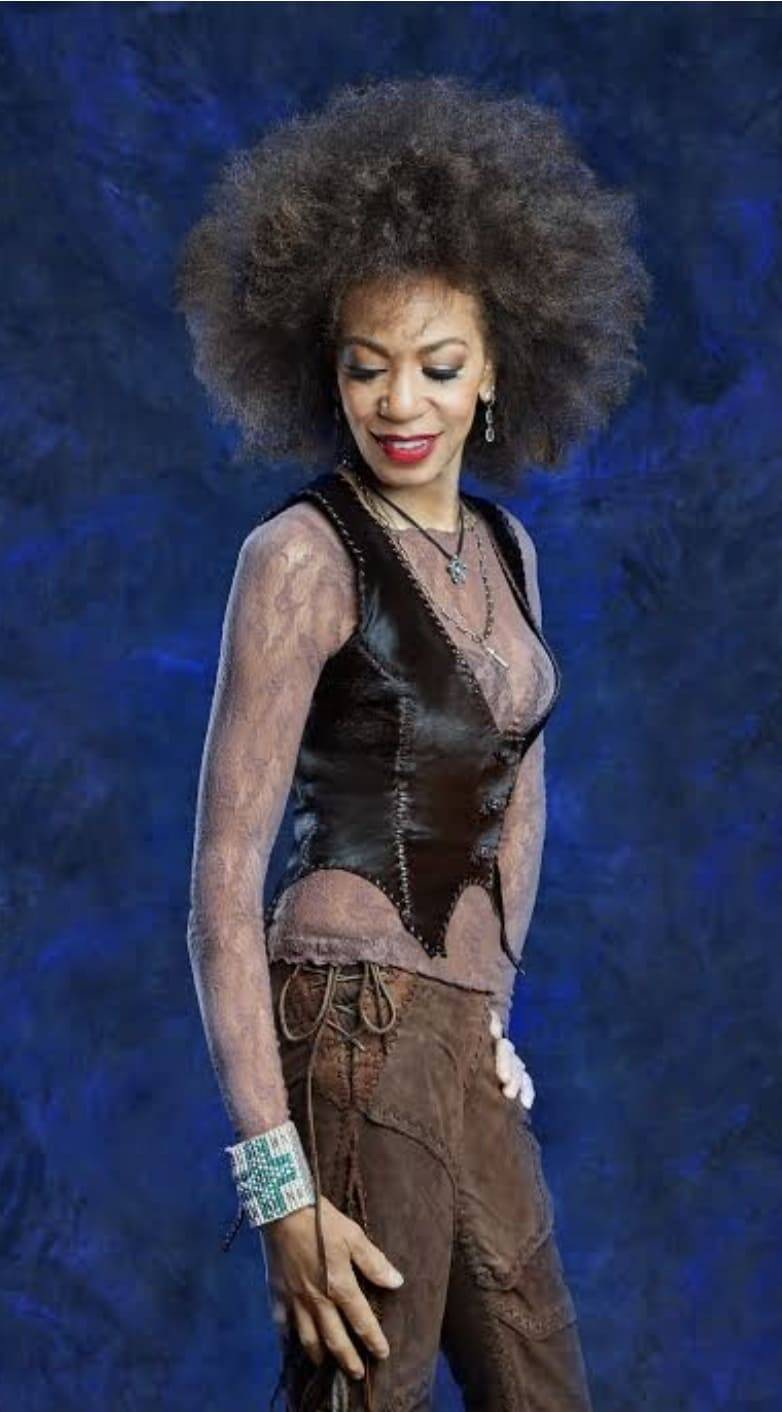
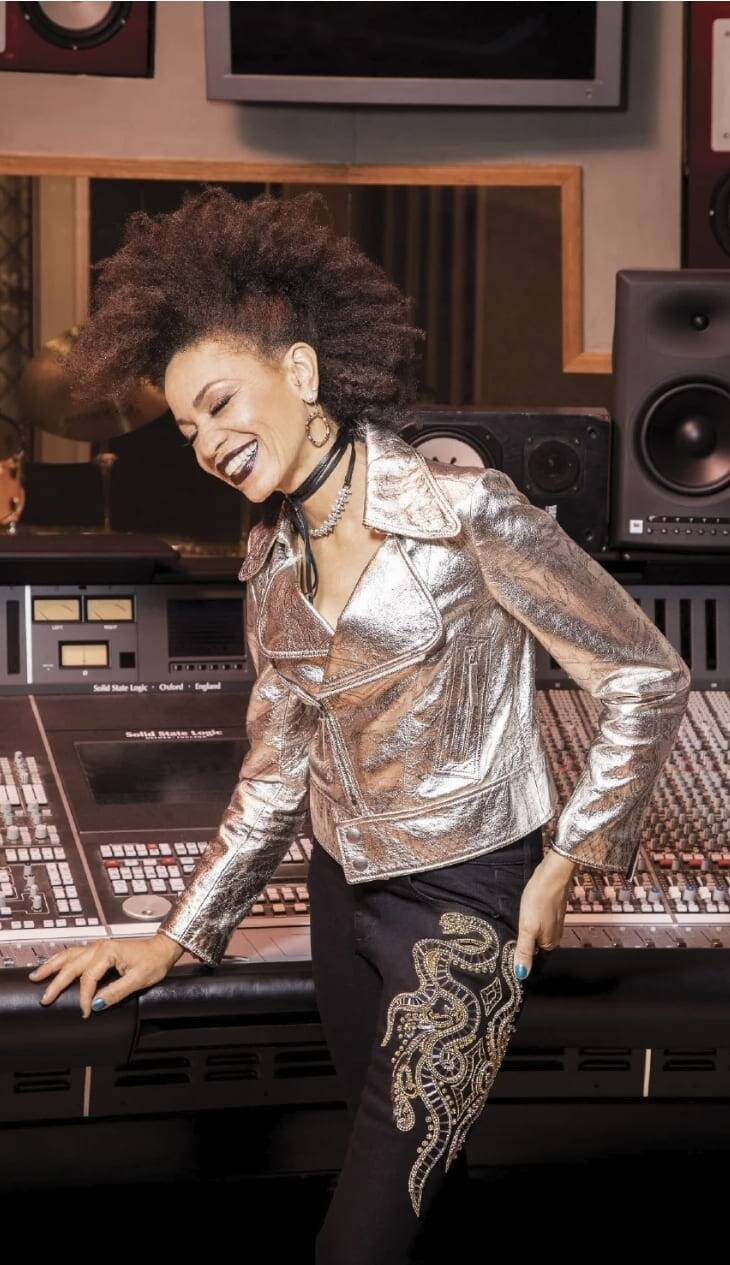
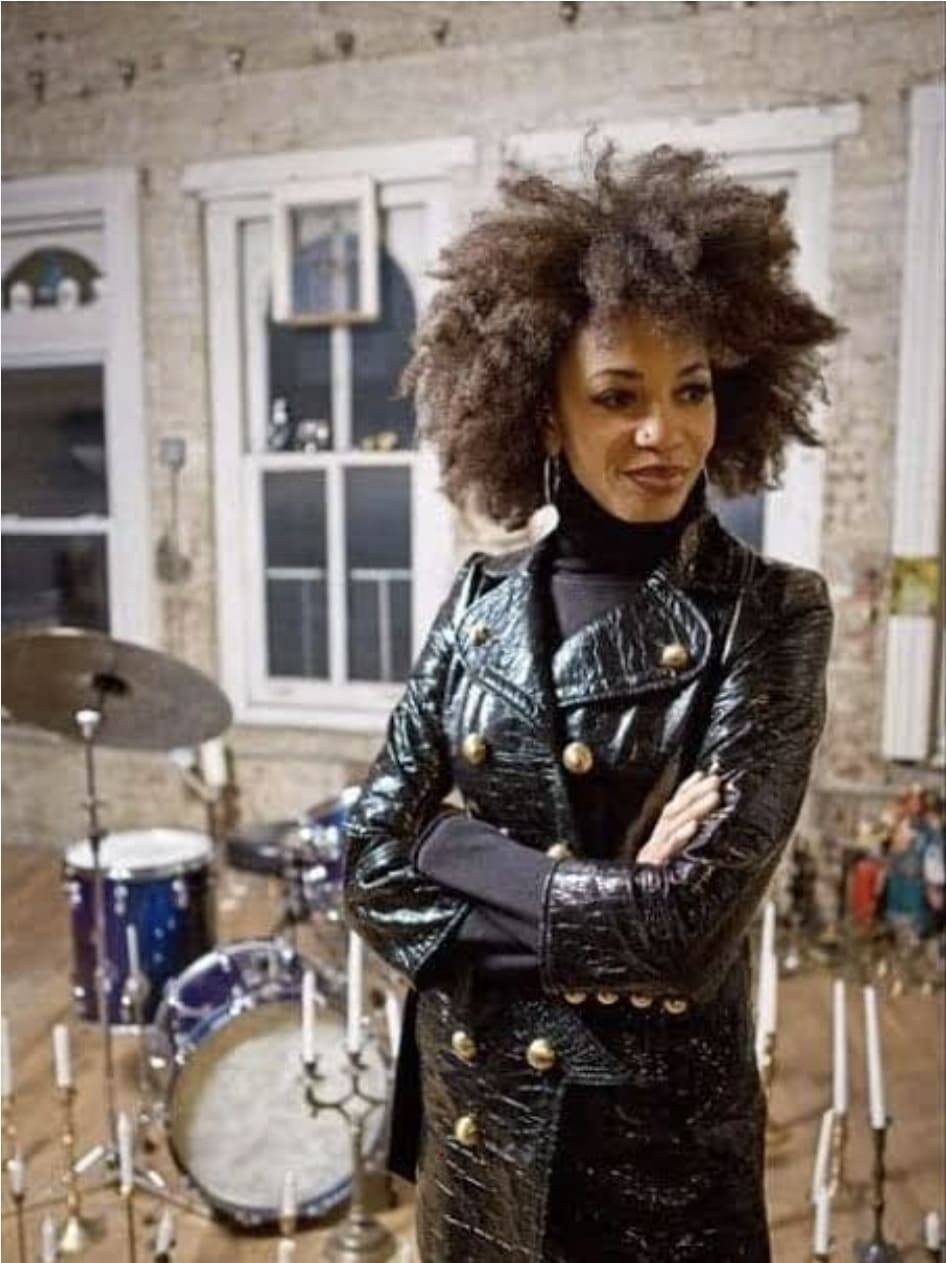
Ci sono musicisti che si riconoscono dopo poche note e altri che riescono a lasciare la propria impronta attraverso un ritmo, una pausa o un semplice accento. Cindy Blackman Santana (LINK) appartiene senza dubbio a questa seconda categoria. Batterista dalla personalità inconfondibile, ha attraversato con naturalezza i territori del jazz, del rock e della fusion, costruendo un percorso artistico straordinario al fianco di giganti come Lenny Kravitz, Carlos Santana e John McLaughlin.Con Coherence e il progetto The Power of 3, insieme a Orianthi e Rhonda Smith, Cindy continua a esplorare nuove possibilità espressive, mantenendo intatta quella curiosità che caratterizza i grandi musicisti.
Per BackDigit abbiamo avuto il piacere e l’onore di intervistarla, cercando di andare oltre le consuete domande promozionali per approfondire il suo rapporto con la composizione, l’improvvisazione, le collaborazioni e quella continua ricerca musicale che, come ci racconta lei stessa, non conosce un punto d’arrivo.
L’Intervista
Ascoltando Coherence, si ha la sensazione che la batteria non si limiti ad accompagnare le composizioni, ma contribuisca a raccontarne la storia. Quando componi, pensi innanzitutto come batterista oppure cerchi deliberatamente di dimenticare lo strumento?
Cindy Blackman Santana: Quando compongo, parto da qualsiasi cosa abbia ispirato quel determinato brano. Può essere un accordo, una melodia, un ritmo, un suono di qualsiasi tipo oppure un pensiero. E da lì comincio a sviluppare la composizione.
Hai raccontato che con Coherence volevi catturare l’energia della tua band dal vivo, mantenendo però il controllo sonoro offerto dallo studio di registrazione. Durante le sessioni c’è stato un momento in cui uno dei musicisti ha suonato qualcosa di completamente diverso da ciò che avevi immaginato, facendoti pensare: «Questo cambia il brano, teniamolo»?
Cindy Blackman Santana: Credo che tutti noi siamo entrati in studio con una mentalità aperta, esattamente come facciamo, e come faccio personalmente, quando affrontiamo i nostri concerti. Anche se non ricordo episodi specifici di questo tipo, ci sono sempre svolte e cambiamenti inaspettati, perché stiamo creando musica in tempo reale, istante dopo istante.
Nel jazz si parla spesso dell’importanza delle note che si suonano. Ma con l’esperienza, forse, diventa ancora più importante sapere quando non suonare. Oggi percepisci il silenzio e lo spazio in maniera diversa rispetto agli inizi della tua carriera?
Cindy Blackman Santana: Sì, certamente, e probabilmente oggi li apprezzo ancora di più. La musica deve respirare, deve inspirare ed espirare, ed è proprio questo a renderla emozionante e organica.
In Coherence rendi omaggio anche a Wayne Shorter con “Sanctuary” e “Cerce”. Se oggi potessi sederti accanto a Wayne e fargli ascoltare l’intero disco, di quale brano saresti più curiosa di discutere con lui, e perché?
Cindy Blackman Santana: Bella domanda! Vorrei chiedergli dei cambi di accordi in “Circe” e di cosa stesse pensando quando ha scritto quel brano. Ha una fantastica linea di basso ostinata, accordi dal carattere minaccioso e una melodia meravigliosamente inquietante! Mi piacerebbe sapere come sia arrivato a creare tutto questo! E poi vorrei conoscere la sua opinione su “Peace Please” e “Psychedelic Movie House”, perché raccontano delle storie nelle quali credo che lui si sarebbe riconosciuto.
Hai lavorato con personalità musicali straordinarie, da Lenny Kravitz e Carlos Santana a John McLaughlin. Ma vorrei rovesciare la domanda abituale: che cosa deve fare un musicista per sorprendere Cindy Blackman Santana?
Cindy Blackman Santana: Le tue domande mi fanno sorridere! Ah ah… Per sorprendermi? Suonare qualcosa di inaspettato che mi faccia venire voglia di andare ancora più a fondo!
In The Power of 3 suoni insieme a Orianthi e Rhonda Smith, due musiciste con identità artistiche molto riconoscibili. Questo trio sta facendo emergere qualcosa nel tuo modo di suonare che non avevi ancora scoperto negli altri tuoi progetti?
Cindy Blackman Santana: Nei The Power of 3 suono ciò che suonerei naturalmente in quel particolare contesto. Il fatto di suonare con quelle specifiche musiciste rende il mio approccio unico per quella situazione. Certamente alcuni elementi del mio linguaggio musicale si ritrovano anche altrove, ma cerco di considerare ogni musica come un gioiello a sé stante.
Hai studiato, collaborato e stretto amicizia con alcuni giganti della musica. Oggi, però, sei tu stessa un punto di riferimento per moltissimi giovani batteristi. Quando ascolti qualcuno che ha chiaramente studiato il tuo stile, ti fa piacere riconoscere la tua influenza oppure preferiresti sentirlo prendere immediatamente una direzione completamente diversa?
Cindy Blackman Santana: Per me è un onore poter essere una fonte d’ispirazione per altri batteristi, ma mi piacciono entrambe le cose!
Dopo tutti questi anni di carriera, c’è ancora qualcosa che non riesci a eseguire alla batteria esattamente come lo senti nella tua testa? Qualcosa che continui a inseguire, studiare o esercitare?
Cindy Blackman Santana: Ah! Sono sempre alla ricerca del virtuosismo, che per me significa essere in grado di esprimere qualsiasi cosa tu senta, nel momento esatto in cui la senti nella musica…Quindi sì, è questo ciò che continuo a inseguire, e il viaggio è fantastico! È come una ricerca senza fine, ed è proprio una delle cose che amo di più della musica! Puoi suonarla per tutta la vita e ci sarà sempre qualcosa verso cui tendere!
Un viaggio che non finisce mai
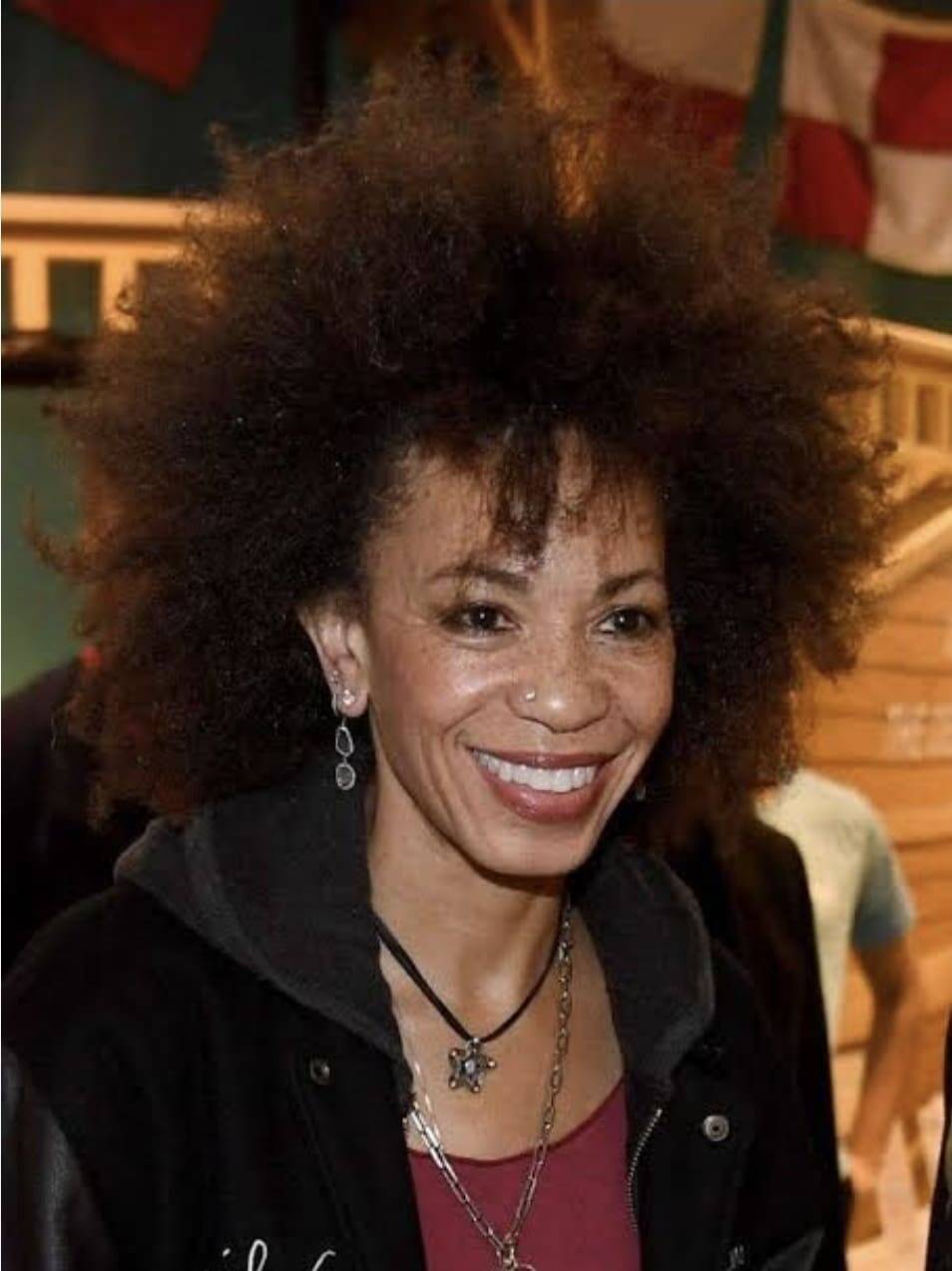
Dalle sue parole emerge un’artista che, nonostante una carriera ricca di esperienze e collaborazioni straordinarie, continua a guardare alla musica con curiosità e desiderio di scoperta. Per Cindy Blackman Santana, il virtuosismo non è un traguardo definitivo, ma la libertà di esprimere ciò che si sente, senza limiti.
Un sentito ringraziamento a Cindy Blackman Santana per la disponibilità, la spontaneità e il tempo che ha dedicato a BackDigit. È stato un autentico piacere poter condividere con i nostri lettori il suo pensiero e la sua inesauribile passione per la musica.
CINDY BLACKMAN SANTANA INTERVIEW – MUSIC AS AN ENDLESS JOURNEY
From Coherence to The Power of 3, exploring improvisation, the language of drums, and the legacy of great musical masters.
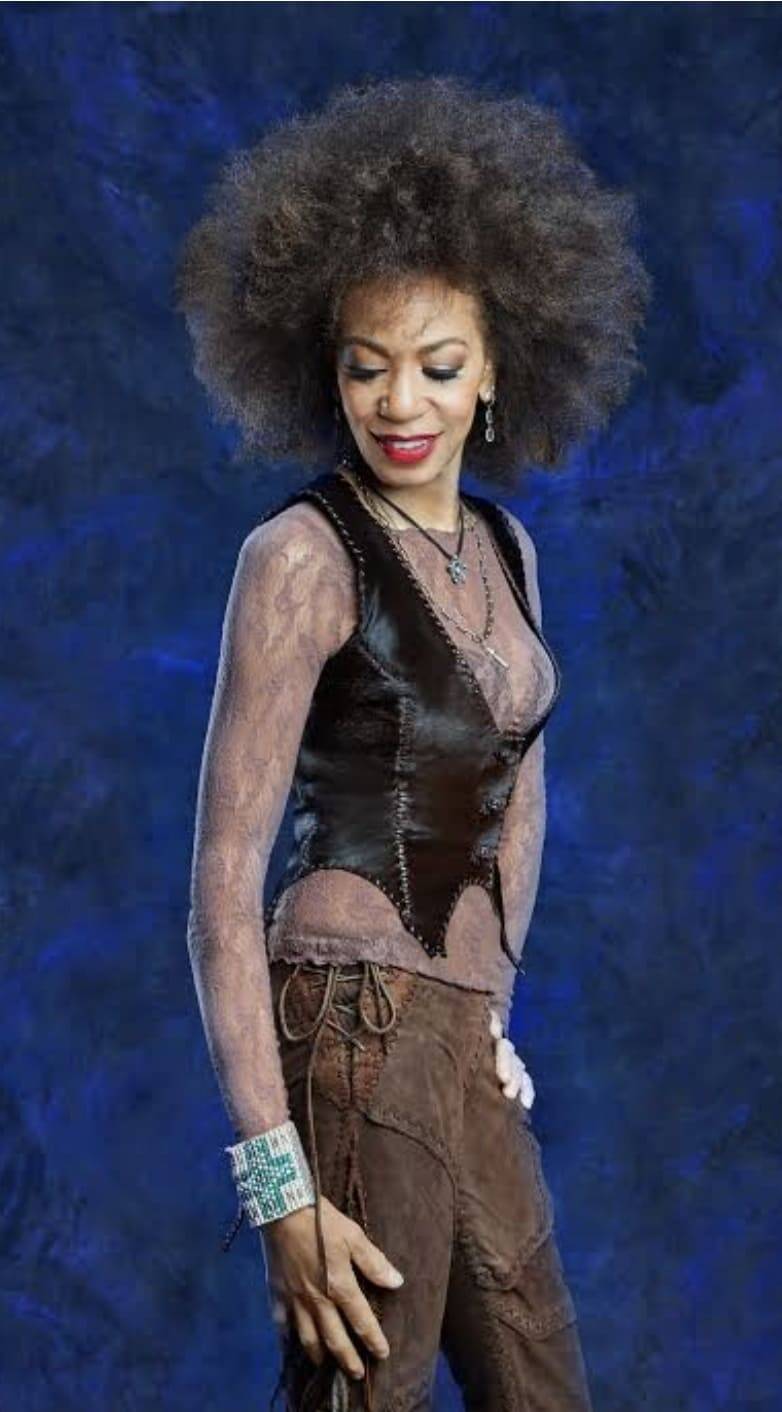
Some musicians can be recognized within just a few notes, while others leave their unmistakable mark through a rhythm, a pause, or a single accent. Cindy Blackman Santana undoubtedly belongs to the latter category. A drummer with a distinctive musical personality, she has moved effortlessly between jazz, rock, and fusion, building an extraordinary career alongside legendary artists such as Lenny Kravitz, Carlos Santana, and John McLaughlin. With Coherence and The Power of 3, her project with Orianthi and Rhonda Smith, Cindy continues to explore new musical possibilities while maintaining the curiosity that defines truly remarkable musicians.
For BackDigit, we had the pleasure and honor of interviewing her, going beyond the usual promotional questions to explore her approach to composition, improvisation, collaboration, and the endless musical journey that, as she herself explains, never truly reaches a final destination.
Interview to Cindy Blackman Santana
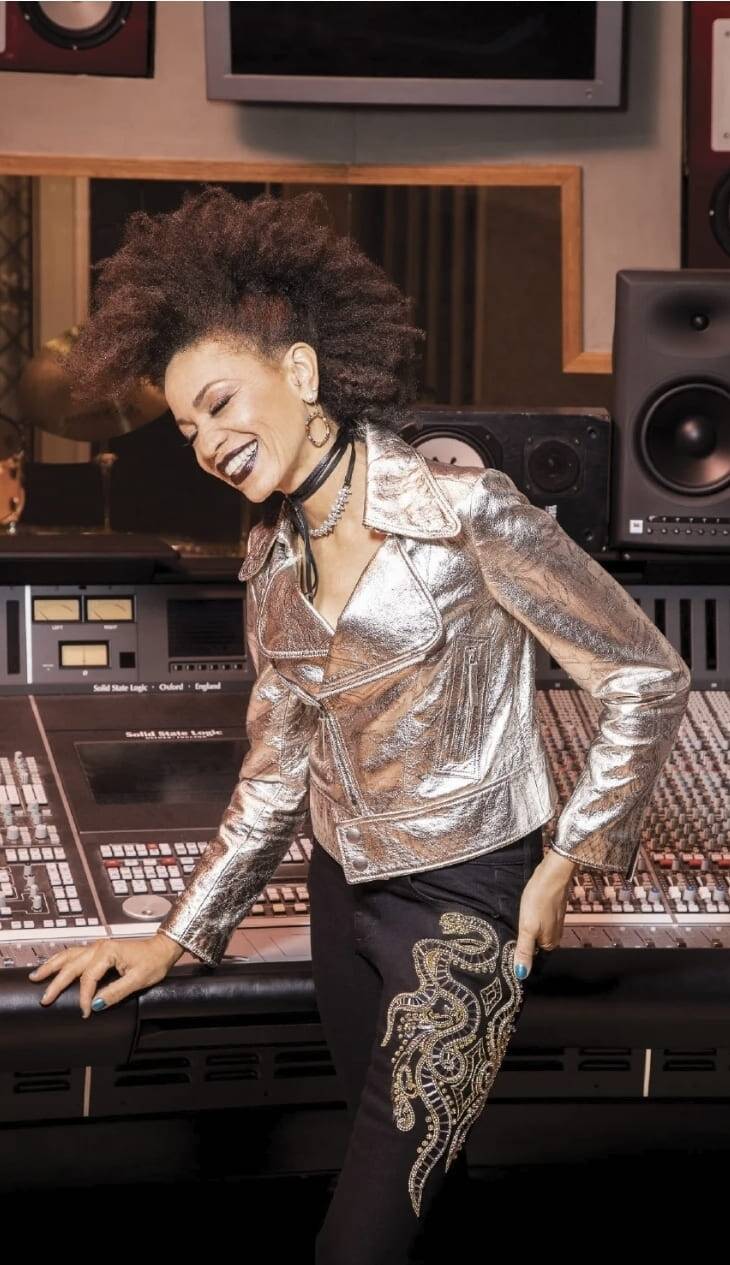
1. Listening to Coherence, it feels as though the drums aren’t simply accompanying the compositions — they’re actually helping to tell the story. When you compose, do you think like a drummer first, or do you deliberately try to forget about the instrument?
Cindy Blackman Santana: When I compose I start from what ever inspired that piece. So, it could be from a chord, a melody , a rhythm, any kind of sound or thought . I go from there.
2. You’ve said that on Coherence you wanted the energy of your live band but with the sonic control of the studio. Was there a moment during the sessions when one of the musicians did something completely different from what you had imagined and you thought, “That changes the song — let’s keep it”?
Cindy Blackman Santana: I think we all went into the sessions with an open mind , the same as when we / I approach our live shows. Though I don’t recall any specifics like that , there are always twists and turns that happen b/c we are creating in real time in each moment.
3. In jazz, we often talk about the importance of the notes we play. But with experience, perhaps knowing when not to play becomes even more important. Do you hear silence and space differently today than you did when you were starting out?
Cindy Blackman Santana: Yes I do & I probably appreciate it more. The music has to breathe , it has to inhale and exhale and that makes it exciting and organic.
4. On Coherence, you also pay tribute to Wayne Shorter with “Sanctuary” and “Cerce.” If you could sit down with Wayne today and play him the entire record, which track would you be most curious to discuss with him — and why?
Cindy Blackman Santana: Nice question ! I would want to ask him about the chord changes in Circe & what he was thinking when he wrote that song. It’s got this great ostinato bass line, ominous chords and beautifully haunting melody ! I want know how he arrived ant that ! And , I’d want to get his thoughts on Peace Please and Psychedelic Movie House b/c they tell stories that I think he would relate to.
5. You’ve worked with incredibly strong musical personalities, from Lenny Kravitz and Carlos Santana to John McLaughlin. But I’d like to reverse the usual question: what does a musician have to do to surprise Cindy Blackman Santana?
Cindy Blackman Santana: Your questions make me smile ! Ha…. To surprise me ? Play something unexpected that makes me want to dig deeper!
6. In The Power of 3, you’re playing with Orianthi and Rhonda Smith, two musicians with very distinctive musical identities. Is this trio bringing out something in your playing that you hadn’t heard in yourself in your other projects?
Cindy Blackman Santana: in The Power of 3 I play The things that I would play in that setting. With those particular musicians so that makes me play uniquely to that setting. Certain things carry over sure but I try to treat each music as its own jewel.
7. You studied with, worked alongside and became friends with some giants of music. But today, you are the reference point for many younger drummers. When you hear someone who has clearly studied your playing, does it please you to recognize your influence, or would you rather hear them immediately take it somewhere completely different?
Cindy Blackman Santana: I am honored if I’m an influence to any other drummers but I like both!
8. After all these years, is there still something you can’t quite do on the drums the way you hear it in your head? Something you’re still chasing, studying or practicing?
Cindy Blackman Santana: ha! I’m always chasing virtuosity which to me is being able to say whatever you hear whenever you hear it in the music…. So yeah – that’s what I’m chasing – and the journey is awesome ! It’s like a never ending search which is one of my favorite things about music! You can play it forever and always something to strive for !
An endless musical journey
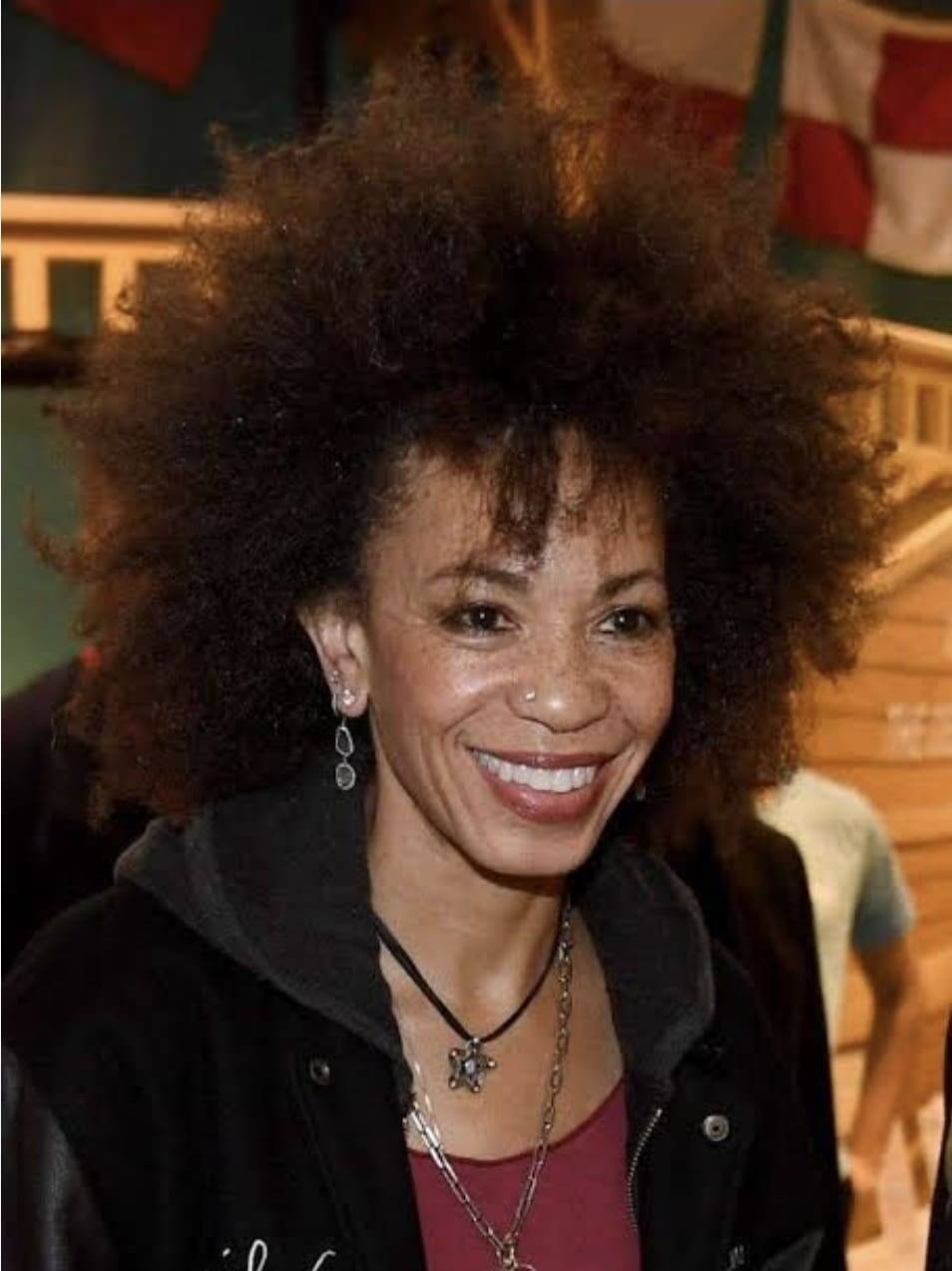
Her words reveal an artist who, despite an extraordinary career and countless musical experiences, continues to approach music with curiosity and a desire for discovery. For Cindy Blackman Santana, virtuosity is not a final destination, but the freedom to express whatever she hears and feels, without limitations.
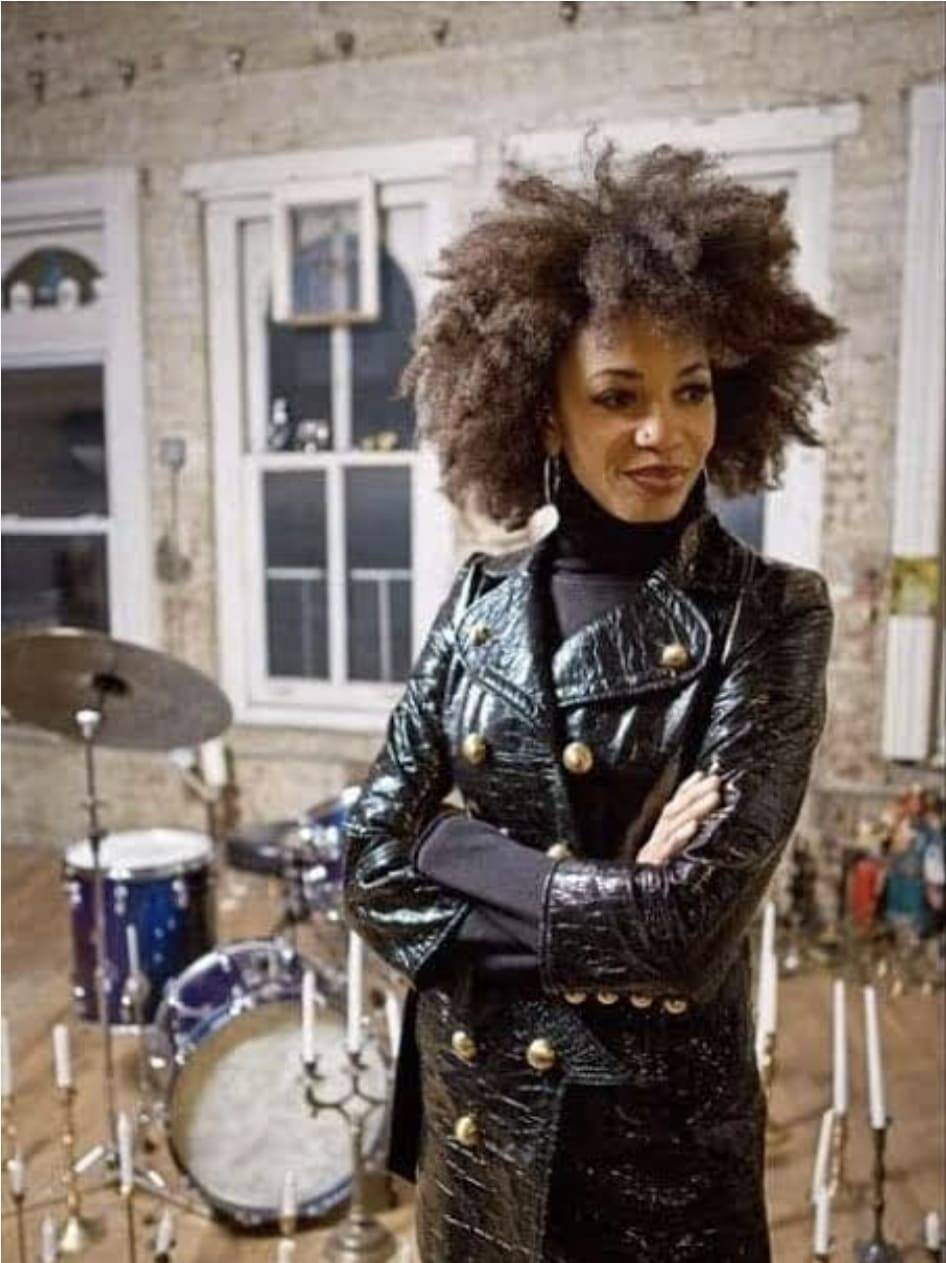
Our sincere thanks to Cindy Blackman Santana for her kindness, openness, and for taking the time to speak with BackDigit. It has been a genuine pleasure to share her thoughts and her endless passion for music with our readers.
LEGGI ANCHE:
- D’ANGELO: IL SILENZIO DOPO IL SOUL
- Festa della Musica: dal 21 giugno la musica è protagonista al Municipio XIV di Roma
- Intervista a Diego Banchero: Quarant’anni di Musica tra Jazz Rock e Poliziesco ’70
- “The Art of Devotion – Interpretation”: la musica come linguaggio universale nell’International Jazz Day 2026
- PAPmusic Soundtrack: la colonna sonora innovativa del film animato che unisce moda, arte e musica

Ti interessa anche questo?