

Un vortice turbinante di nastri magnetici al neon, orologi che si sciolgono e cieli sinfonici
Capitolo 1: la tela sonora – Dissolvere i confini del pop
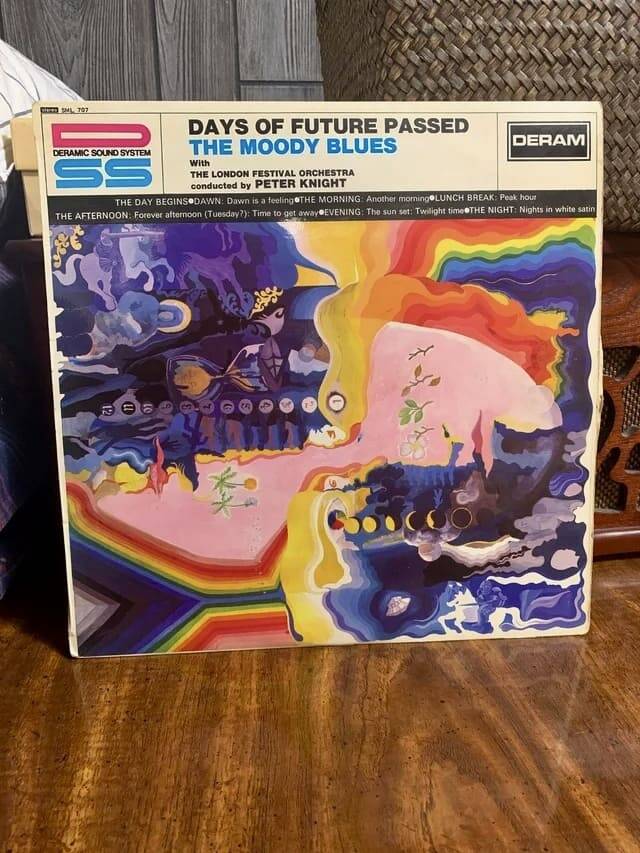
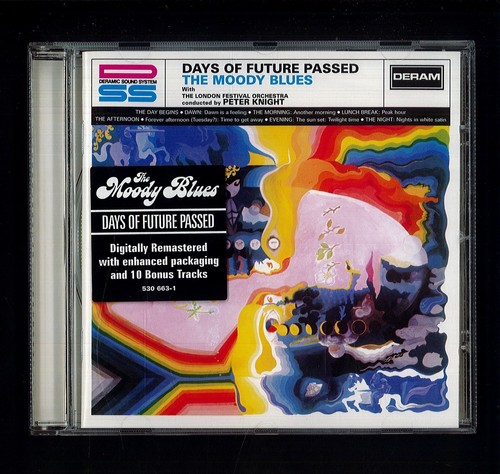
Verso la fine del 1967, la musica popolare fu travolta da una rivoluzione violenta e caleidoscopica. Mentre la maggior parte dei gruppi si limitava a perfezionare singoli di tre minuti o ad adornare strutture blues con orpelli psichedelici, i Moody Blues dipinsero un’epoca. *Days of Future Passed* rimane un monumento rivoluzionario che ha cambiato per sempre la musica moderna. È stato la culla del rock sinfonico progressivo, un traguardo imponente e innovativo che ha dimostrato come il rock and roll potesse possedere il peso architettonico di una sinfonia classica. Senza quest’opera, i movimenti rock progressivi degli anni Settanta – dai Genesis ai Pink Floyd – sarebbero privi del loro progetto fondamentale.
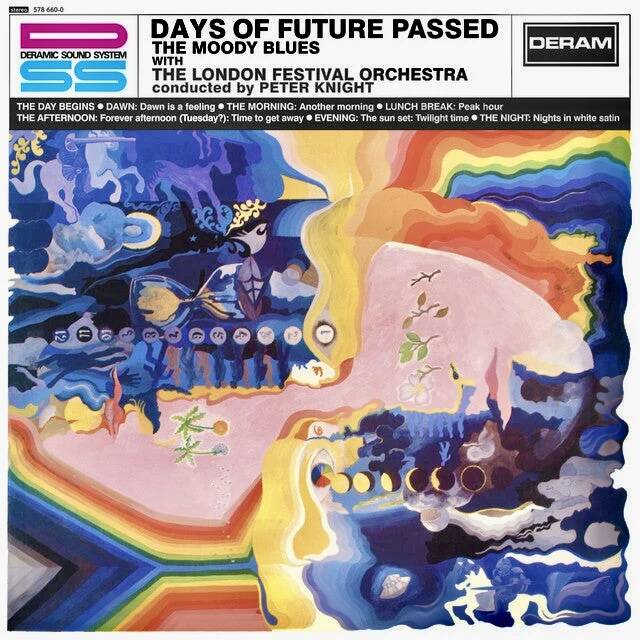
L’album funziona esattamente come una tela dipinta da Salvador Dalí o Vincent van Gogh, immersa in un denso vortice psichedelico. Proprio come lo spazio distorto ne *La persistenza della memoria* di Dalí – dove gli orologi da taschino si allungano come cera fusa su orizzonti desertici, sfidando la realtà – *Days of Future Passed* liquefa i rigidi confini del tempo, trasformando una giornata tipo di ventiquattr’ore in un’odissea cosmica e psicologica. Allo stesso tempo, la musica vibra delle trame dense e turbolente tipiche dei paesaggi di Van Gogh. È una *Notte stellata* sonora, in cui le pesanti pennellate indaco, vorticose, dell’orchestra si scontrano con i gialli vibranti e urgenti delle chitarre acustiche in un gorgo vertiginoso, catturando un cielo colmo della splendida energia della psiche umana.
Al centro di questa alchimia artistica si trovava il Mellotron di Mike Pinder, che fungeva da pennello surrealista intinto nel neon liquido. Il Mellotron non si limitava a imitare gli archi classici; li fondeva nell’impasto sonoro con una consistenza spettrale e ammaliante. Attraverso le dita di Pinder, lo strumento creava un contrasto sorprendente e, al contempo, una fusione perfetta di sonorità, distorcendo la realtà acustica quel tanto che bastava per infondere una marcata sfumatura psichedelica all’intera opera. Pinder usava il Mellotron per sfumare i contorni della musica, creando una sorta di allucinogeno uditivo, una zona crepuscolare in cui gli ascoltatori non riuscivano più a distinguere dove finisse la carne organica dell’orchestra e dove iniziasse l’anima elettronica del gruppo rock, fondendo il tutto in un vortice iridescente.
Capitolo 2: La fenice dalle ceneri – La rinascita dei Moodies
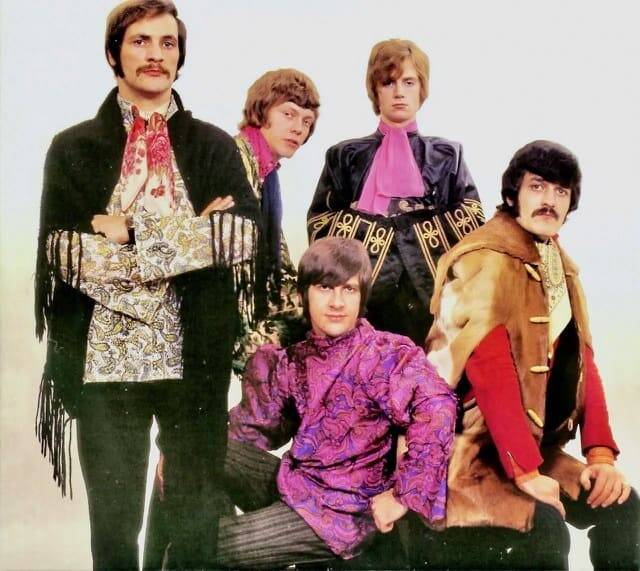
Il cammino verso questo trionfo d’avanguardia fu lastricato di disperazione e di una radicale reinvenzione. Solo un anno prima, i Moody Blues sembravano destinati all’oblio, intrappolati tra le braci ormai spente del boom del rhythm and blues legato alla “British Invasion”. Nel 1965 avevano ottenuto un enorme successo, raggiungendo la vetta delle classifiche con il brano “Go Now”, interpretato dal frontman Denny Laine. Tuttavia, la band si ritrovò ben presto prigioniera del proprio stesso successo: i singoli successivi furono un fiasco, il management si sgretolò e il gruppo sprofondò sotto una montagna di debiti. Quando, alla fine del 1966, Laine lasciò improvvisamente la formazione, sembrò il colpo di grazia per un gruppo che aveva ormai esaurito il tempo a disposizione e non aveva più risposte.
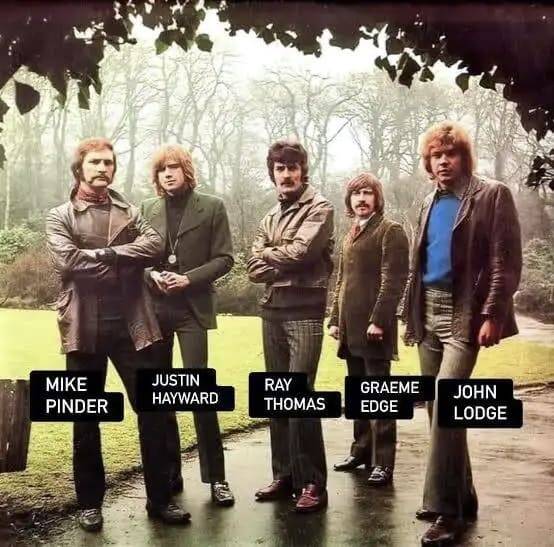
Eppure, proprio questo crollo divenne il catalizzatore della loro rinascita. I membri rimasti – Mike Pinder, il flautista Ray Thomas e il batterista Graeme Edge – compresero che, per sopravvivere, dovevano abbandonare definitivamente quel rhythm and blues di stampo americano che non rispecchiava più la loro sensibilità. Avevano bisogno di una nuova spinta propulsiva, che giunse grazie a due innesti fondamentali: il chitarrista Justin Hayward e il bassista John Lodge. Hayward portò con sé una vena compositiva poetica, fortemente melodica e introspettiva, che si allontanava dal blues per avvicinarsi al misticismo del folk inglese. Lodge, dal canto suo, infuse nel basso un’energia melodica vigorosa e trascinante, dotando la band di un’ossatura ritmica solida e moderna.
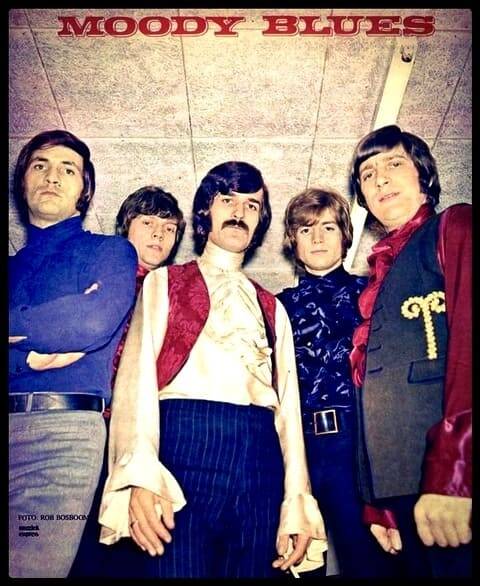
Nel loro insieme, questi nuovi membri iniettarono una vitalità fresca e giovanile nelle dinamiche del gruppo.
Sebbene l’intera band abbia accolto con entusiasmo questo cambiamento, i veri promotori che spinsero con determinazione verso una direzione così radicale furono Mike Pinder e Justin Hayward. Pinder, architetto sonoro e filosofo del gruppo – forte anche della sua esperienza lavorativa presso la fabbrica in cui venivano prodotti i Mellotron – ne comprese il potenziale rivoluzionario meglio di chiunque altro. Fu lui a insistere affinché la band smettesse di inseguire le mode del pop commerciale, dedicandosi invece a una musica che riflettesse la loro visione interiore. Hayward divenne il suo perfetto alter ego creativo, capace di tradurre i concetti grandiosi e astratti di Pinder in melodie vibranti, di grande impatto emotivo. Insieme, convinsero il resto del gruppo a mettere in atto una silenziosa ribellione in studio contro la loro etichetta discografica, la Decca, scegliendo di registrare una suite originale e di ampio respiro incentrata sulla condizione umana, anziché un banale album di cover di musica classica.
Capitolo 3: La grande illusione sonora – Fondere rock e sinfonia
Il mito che definisce *Days of Future Passed* è quello secondo cui la rock band e l’orchestra si siano ritrovate fianco a fianco in studio, suonando all’unisono. In realtà, l’album è un capolavoro di montaggio, un magnifico mosaico musicale costruito attraverso un processo di isolamento brillante e calcolato. La band e l’arrangiatore Peter Knight misero a punto un compromesso sorprendente: i Moody Blues registrarono i loro brani rock interamente per conto proprio, utilizzando il Mellotron di Pinder per creare una base densa e suggestiva.
Una volta fissate su nastro le tracce della band, entrò in scena Peter Knight per elaborare il tessuto connettivo. Ascoltando le melodie originali del gruppo, compose ricchi ponti orchestrali che unirono i singoli brani rock in una narrazione continua e senza interruzioni. La London Festival Orchestra – un ensemble di musicisti classici professionisti di alto livello – non suonò mai sovrapponendosi direttamente alla strumentazione rock; al contrario, vi si mosse attorno. Gli arrangiamenti di Knight riprendevano le linee di chitarra di Hayward o imitavano il flauto di Thomas, gonfiandosi in un crescendo operistico per poi svanire improvvisamente, lasciando che fosse la rock band a tornare protagonista.
Questo metodo singolare creò un’incredibile illusione di unità: l’orchestra fungeva da imponente cornice, mentre i brani della band costituivano il vivido dipinto al suo interno. Il Mellotron di Pinder agiva da ponte ideale tra questi due mondi distinti. Poiché lo strumento utilizzava nastri magnetici che riproducevano il suono di veri strumenti sinfonici, il suo timbro – leggermente ultraterreno – richiamava l’orchestra reale pur restando saldamente ancorato all’estetica rock. Ne scaturì un’affascinante frizione sonora: se l’orchestra reale offriva i colori vibranti e avvolgenti di una tela di Van Gogh, il Mellotron aggiungeva le prospettive fluide e allucinatorie tipiche di un quadro di Dalí. Si trattò di un connubio senza precedenti tra discipline artistiche elevate, capace di stupire e coinvolgere i sensi.
Capitolo 4: Un viaggio surrealista – Analisi brano per brano
L’album si sviluppa strutturalmente come un rigoroso percorso concettuale che si snoda nell’arco di una singola giornata, trasformando la routine quotidiana di una vita qualunque in un epico pellegrinaggio esistenziale. “THE DAY BEGINS” apre il quadro con un’alba orchestrale arrangiata da Peter Knight, che introduce i temi musicali portanti prima di lasciare spazio a un suggestivo componimento parlato, interpretato da Mike Pinder. Questo momento introduce il tema surrealista della realtà mattutina che si insinua nel mondo dei sogni.
“DAWN: DAWN IS A FEELING” sposta l’attenzione sull’elegante scrittura di Mike Pinder. Interpretato magistralmente da Hayward e Pinder, il brano sfrutta il Mellotron per creare un’atmosfera fredda, quasi nebbiosa, che cattura alla perfezione il passaggio dal sonno allo stato di veglia. “THE MORNING: ANOTHER MORNING” è un’esplosione luminosa e pastorale, firmata da Ray Thomas. Sostenuto dal suo estroso flauto, il brano appare come un improvviso raggio di sole impressionista, celebrando lo stupore innocente di un nuovo giorno. “LUNCH BREAK: PEAK HOUR” infrange questa quiete pastorale con un’irruente e serrata incursione rock, scritta da John Lodge. Il brano si avvale di linee di basso possenti e incalzanti, accompagnate da una batteria martellante, per restituire l’energia caotica dell’ora di punta pomeridiana, creando un netto contrasto con gli interludi orchestrali. “THE AFTERNOON: FOREVER AFTERNOON (TUESDAY AFTERNOON)” rappresenta il primo, monumentale capolavoro di Justin Hayward all’interno del disco. Si tratta di un brano rigoglioso e baciato dal sole, in cui la voce intensa di Hayward e i nitidi arpeggi della chitarra acustica si fondono alla perfezione con ampie aperture orchestrali, immortalando un istante ideale di serena evasione a metà giornata. “EVENING” si divide tra due atmosfere distinte e brillanti: “The Sun Set”, di John Lodge, utilizza ritmi esotici e ipnotici, uniti a sonorità di Mellotron d’ispirazione orientale, per dipingere il crepuscolo che cala sulla terra. Il brano sfuma poi, senza soluzione di continuità, in “TWILIGHT TIME” di Ray Thomas: un pezzo dal ritmo incalzante, sostenuto da una pulsazione costante e da accordi di pianoforte inquietanti che evocano l’allungarsi delle ombre. «THE NIGHT: NIGHTS IN WHITE SATIN» chiude l’album con uno dei capolavori più celebri ed emotivamente devastanti della storia del rock. Scritto da un diciannovenne Justin Hayward, il brano è un imponente monumento al desiderio romantico e all’angoscia esistenziale. L’interpretazione vocale appassionata di Hayward e le linee di chitarra, quasi piangenti, sono avvolte dagli archi maestosi di Peter Knight, che danno vita a un crescendo epico. Il brano si dissolve infine nel recitato poetico di Pinder, per concludersi con il suono drammatico e riecheggiante di un gong, che segna il ritorno all’oscurità assoluta.
Capitolo 5: L’onda d’urto – Un capolavoro in anticipo sui tempi
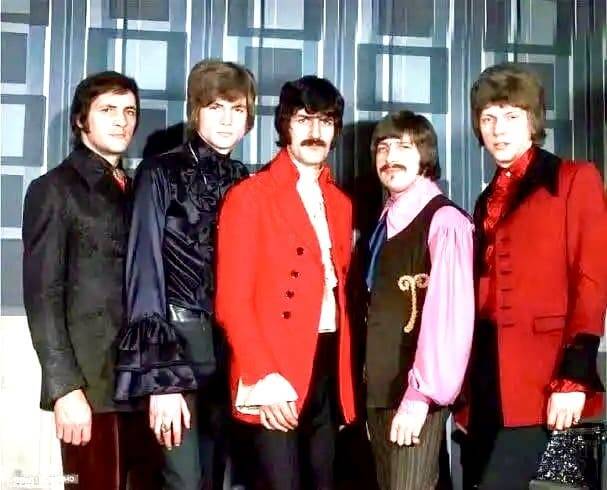
Quando i nastri master definitivi furono fatti ascoltare ai dirigenti della Decca Records, rimasti sbalorditi, la reazione iniziale dell’azienda fu di totale e assoluto sconcerto. I vertici dell’etichetta rimasero in un silenzio paralizzato: si aspettavano una banale operazione di marketing in chiave classica, e si ritrovarono invece tra le mani un’opera rock psichedelica e artistica, del tutto inclassificabile. La critica si spaccò nettamente: alcuni ne lodarono l’ambizione immensa e sbalorditiva, altri la liquidarono come un esperimento fin troppo pretenzioso, che infrangeva le regole non scritte della musica pop.
Il pubblico, tuttavia, comprese ben presto che *Days of Future Passed* rappresentava una visione del futuro assoluto. In un’epoca in cui la stragrande maggioranza dei gruppi creava ancora semplici canzoni pop, costruite su formule standard e incentrate su amori adolescenziali, i Moody Blues ebbero l’ardire di comporre una profonda meditazione sinfonica sull’esperienza umana collettiva. L’album superò ogni scetticismo iniziale, guadagnando slancio grazie al passaparola e a un’ampia diffusione nelle stazioni radiofoniche alternative. Divenne un successo commerciale travolgente, raggiungendo infine lo status di disco multi-platino. Fu una gloriosa vittoria del coraggio artistico. Fondendo la grandiosità organica di un’orchestra classica con le potenzialità elettriche e surrealiste del rock ’n’ roll, i Moody Blues non si limitarono a sopravvivere al proprio crollo: rimodellarono per sempre l’universo musicale.
Epilogo: Il Big Bang del rock progressivo
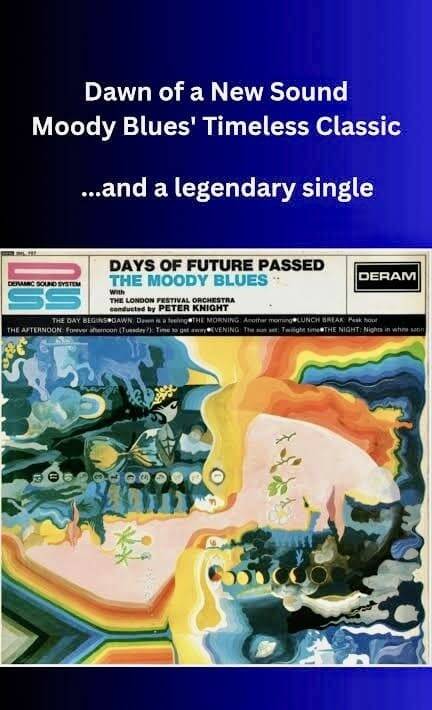
“Days of Future Passed” non fu soltanto un passo verso un nuovo genere; fu, indiscutibilmente, il primo vero album di rock progressivo. Prima della sua uscita, nel novembre del 1967, i gruppi pop concepivano i dischi come semplici raccolte di brani slegati tra loro, assemblati solo per sfruttare il successo dei singoli passati in radio. I Moody Blues infransero questo paradigma. Trattarono il vinile a lunga durata come una tela coesa, un’opera d’arte di alto livello, introducendo il formato del “concept album” a una generazione di musicisti che, improvvisamente, comprese come la musica rock potesse ambire a essere, al contempo, letteratura, filosofia e architettura classica.
L’album rappresentò una svolta epocale. Provocò un’onda d’urto nella scena musicale londinese, fungendo da catalizzatore culturale che permise l’emergere del genere rock progressivo. Quando, tra la fine degli anni Sessanta e l’inizio degli anni Settanta, i gruppi musicali iniziarono a sperimentare, lo fecero varcando una soglia che i Moody Blues avevano spalancato a colpi di Mellotron e orchestra. Dimostrando che la musica rock poteva assimilare strutture classiche senza perdere la propria carica elettrica e viscerale, *Days of Future Passed* ridefinì i confini del possibile all’interno di uno studio di registrazione. L’album sancì che il rock and roll non era più soltanto una colonna sonora passeggera per adolescenti, bensì una forza permanente e grandiosa, espressione di alta arte.
The Moody Blues and Days of Future Passed: The Canvas of Rock’s First Surrealistic Masterpiece
A Swirling Vortex of Neon Tape-Loops, Melting Clocks, and Symphonic Skies
Chapter 1: The Sonic Canvas – Melting the Boundaries of Pop
In late 1967, popular music underwent a violent, kaleidoscopic revolution. While most groups refined three minute singles or decorated blues structures with psychedelic tinsel, The Moody Blues painted an epoch. Days of Future Past remains a groundbreaking monument that permanently altered modern music. It was the birthplace of progressive symphonic rock, an innovative, towering achievement proving rock and roll could possess the architectural weight of a classical symphony. Without it, the progressive rock movements of the 1970’s, from Genesis to Pink Floyd, would lack their foundational blueprint.
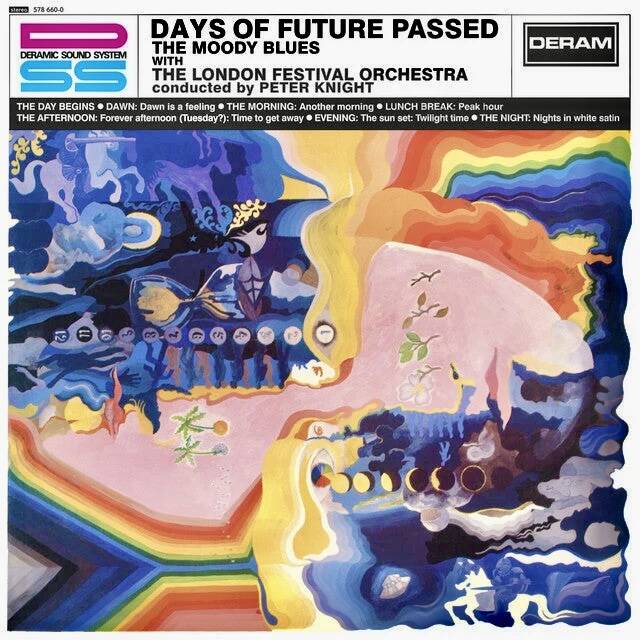
The album operates precisely like a canvas painted by Salvador Dalí or Vincent van Gogh captured within a heavy, psychedelic swirl. Just as Dalí’s warped space in The Persistence of Memory, stretching pocket watches like melting wax over desert horizons to challenge reality, Days of Future Passed liquefies the rigid boundaries of time, transforming a standard twenty-four-hour day into a cosmic, psychological odyssey. Simultaneously, the music vibrates with the thick, turbulent textures of a Van Gogh landscape. It is a sonic Starry Night, where the heavy, swirling indigo brushstrokes of the orchestra and the vibrant, urgent yellows of acoustic guitars collide in a dizzying vortex, capturing a sky filled with the beautiful energy of the human psyche.
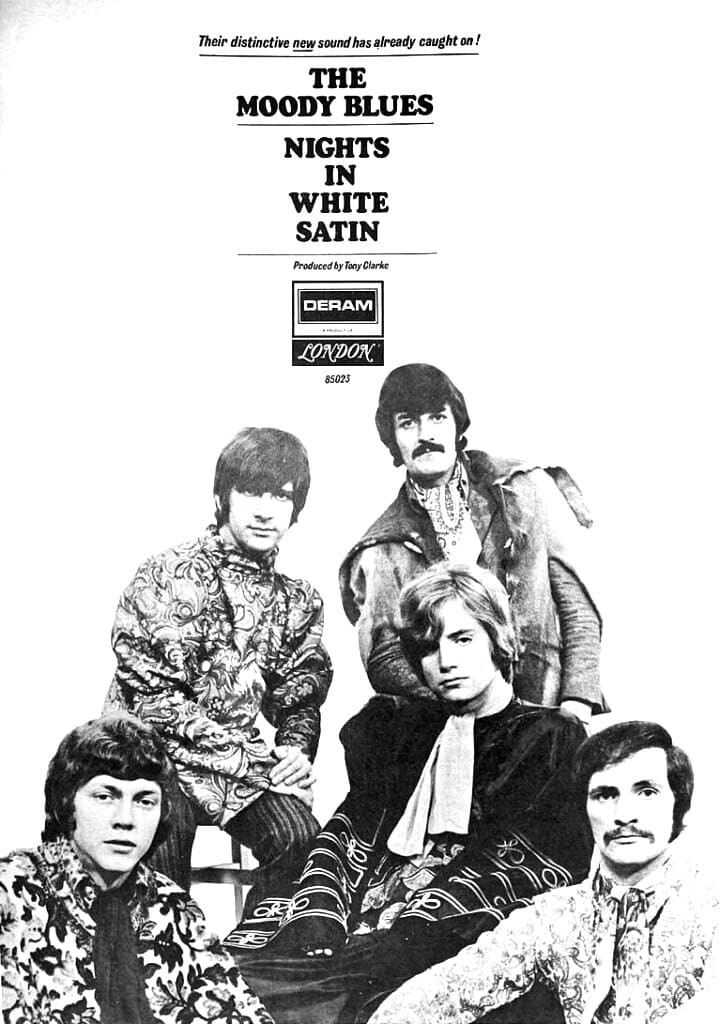
At the center of this artistic alchemy was Mike Pinder’s, Mellotron, functioning like a surrealist’s paintbrush dipping into liquid neon. The Mellotron did not merely mimic classical strings; it bled them into the mix with a ghostly, haunting texture. Through Pinder’s fingers, the instrument provided a striking contrast and a seamless blend of sounds, warping acoustic reality just enough to cast a heavy tinge of psychedelia over the entire affair. Pinder used the Mellotron to blur the edges of the music, creating an auditory hallucinogen, a twilight zone where listeners could no longer tell where the organic flesh of the orchestra ended and the electronic soul of the rock band began, spinning them both into an iridescent swirl.
Chapter 3: Phoenix from the Ashes – The Rebirth of the Moodies
The road to this avant-garde triumph was paved with desperation and radical reinvention. A year prior, The Moody Blues were a dying commodity, trapped in the fading embers of the British Invasion’s R&B boom. They had scored a massive number-one hit in 1965 with “Go Now,” led by frontman Denny Laine. However, the band quickly found themselves trapped by their own success. Subsequent singles flopped, management collapsed, and they sank into a mountain of debt. When Laine abruptly departed the band in late 1966, it seemed to be the final blow to a group that had run out of time and answers.
Yet, this collapse became the catalyst for their rebirth. The remaining members, Mike Pinder, flute player Ray Thomas, and drummer Graeme Edge, realized that to survive, they had to completely abandon the American style rhythm and blues that no longer suited their souls. They needed a new engine, which arrived in the form of two crucial replacements: guitarist Justin Hayward and bassist John Lodge. Hayward brought a poetic, highly melodic, and introspective songwriting sensibility that leaned away from the blues and toward English folk mysticism. Lodge brought a driving, robust melodic energy on the bass, giving the band a sturdy, modern rhythmic backbone.
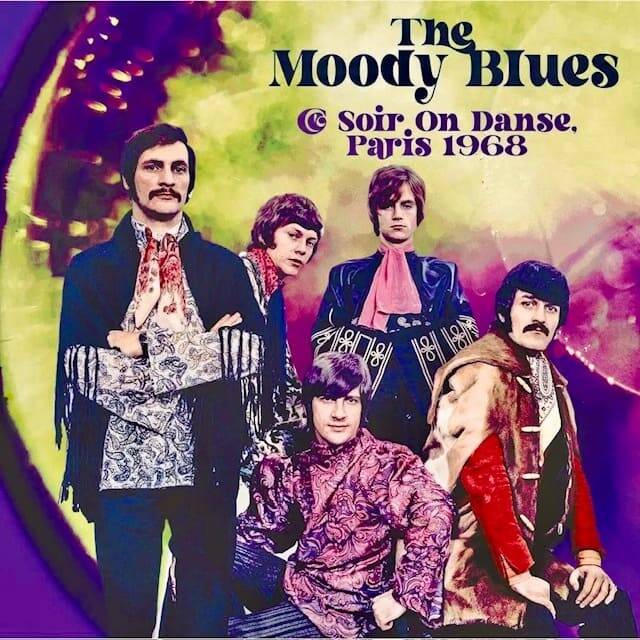
Together, these new members injected a fresh, youthful vitality into the group’s dynamic.
While the entire band embraced this shift, the true initiators who fiercely pushed the creation of the album in this radical direction were Mike Pinder and Justin Hayward. Pinder was the sonic architect and the band’s philosopher. Having worked at the factory where Mellotrons were manufactured, he understood the instrument’s revolutionary potential better than anyone alive. He insisted that the band stop chasing commercial pop trends and start making music that reflected their internal worldviews. Hayward became his perfect creative foil, translating Pinder’s grand, abstract concepts into soaring, emotionally resonant melodies. Together, they convinced the rest of the group to stage a quiet studio rebellion against their record label, Decca, choosing to record an original, high concept suite about the human condition rather than a cheap classical cover album.
Chapter 3: The Great Sonic Illusion – Blending Rock and Symphony
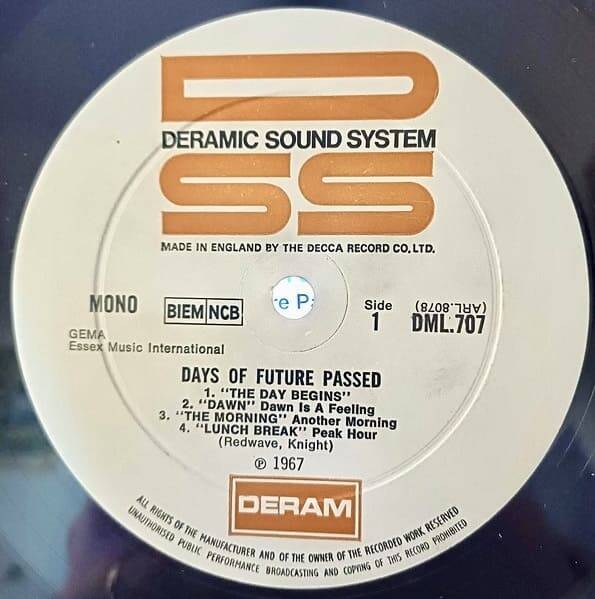
The defining myth of Days of Future Passed is that the rock band and the orchestra stood side by side in the studio, playing in unison. In truth, the album is a masterpiece of editing, a magnificent musical mosaic constructed through a process of brilliant, calculated isolation. The band and arranger Peter Knight engineered a breathtaking compromise. The Moody Blues recorded their original rock songs entirely on their own, using Pinder’s Mellotron to lay down a thick, atmospheric foundation.
Once the band’s tracks were securely taped, Peter Knight stepped into the frame to craft the connective tissue. He listened to the band’s original melodies and composed lush, orchestral bridges to stitch the individual rock songs together into a continuous, unbroken narrative. The London Festival Orchestra, a group of elite, freelance classical session musicians, never actually played on top of the band’s rock instrumentation. Instead, they performed around them. Knight’s arrangements would echo Hayward’s guitar lines or mimic Thomas’s flute, swelling up to an operatic crescendo before suddenly fading away to let the rock band take the stage.
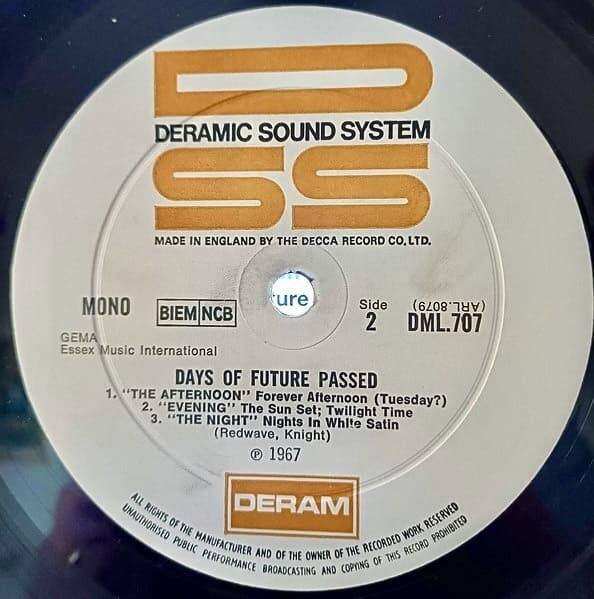
This unique method created an incredible illusion of unity. The orchestra acted as a grand picture frame, while the band’s songs provided the vivid picture inside. Pinder’s Mellotron served as the ultimate bridge between these two separate worlds. Because the Mellotron used tape loops of actual symphonic instruments, its slightly unearthly tone mirrored the real orchestra while remaining rooted in the rock aesthetic. This created a fascinating sonic friction. The real orchestra provided the vibrant, sweeping colors of a Van Gogh canvas, while the Mellotron added the melting, hallucinatory angles of a Dalí painting. It was an unprecedented marriage of high art disciplines that shocked the senses.
Chapter 4: Chapter 4: A Surrealist Journey – Song by Song Review
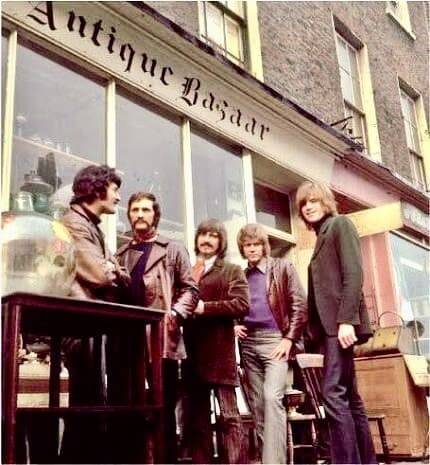
The album unfolds structurally as a rigorous, conceptual journey through a single day, transforming the mundane routine of an average life into an epic, existential pilgrimage
“THE DAY BEGINS” opens the canvas with an orchestral sunrise arranged by Peter Knight, establishing the main musical themes before yielding to a haunting, spoken word poem read by Mike Pinder. This introduces the surrealist theme of morning’s reality creeping over the dream world.
“DAWN: DAWN IS A FEELING” shifts the spotlight to Mike Pinder’s elegant songwriting. Sung beautifully by Hayward and Pinder, the track uses the Mellotron to create a chilly, fog like atmosphere, perfectly capturing the transition from sleep to waking consciousness “THE MORNING: ANOTHER MORNING” is a bright, pastoral explosion penned by Ray Thomas. Driven by his whimsical flute work, the song feels like a sudden burst of impressionistic sunlight, celebrating the innocent wonder of a brand new day. “LUNCH BREAK:PEAK HOUR” shatters this pastoral peace with a roaring, fast paced rock assault written by John Lodge. The song utilizes heavy, driving basslines and urgent, crashing drums to perfectly mimic the chaotic energy of the afternoon rush hour, contrasting sharply with the orchestral interludes “THE AFTERNOON: FOREVER AFTERNOON (TUESDAY AFTERNOON)” represents Justin Hayward’s first monumental masterpiece on the record. It is a gorgeously lush, sun drenched track where Hayward’s soaring vocals and chiming acoustic guitar blend flawlessly into sweeping orchestral swells, capturing a perfect moment of peaceful, midday escapism. “EVENING “splits its identity between two distinct, brilliant moods. John Lodge’s “The Sun Set” utilizes exotic, hypnotic rhythms and eastern influenced Mellotron patches to paint twilight falling over the earth. This bleeds instantly into Ray Thomas’s “TWILIGHT TIME,” an uptempo track driven by a pulsing rhythm and eerie piano chords that mimic lengthening shadows. THE NIGHT: NIGHTS IN WHITE SATIN” concludes the album with one of the most famous, emotionally devastating masterpieces in rock history. Written by a nineteen year old Justin Hayward, the song is a towering monument of romantic longing and existential angst. Hayward’s impassioned vocal performance and crying guitar leads are enveloped by Peter Knight’s soaring strings, building into an epic crescendo. The track finally dissolves back into Pinder’s spoken word poetry, ending with a dramatic, echoing gong that signals the return of total darkness.
Chapter 5: The Aftershock – A Masterpiece Ahead of Its Time
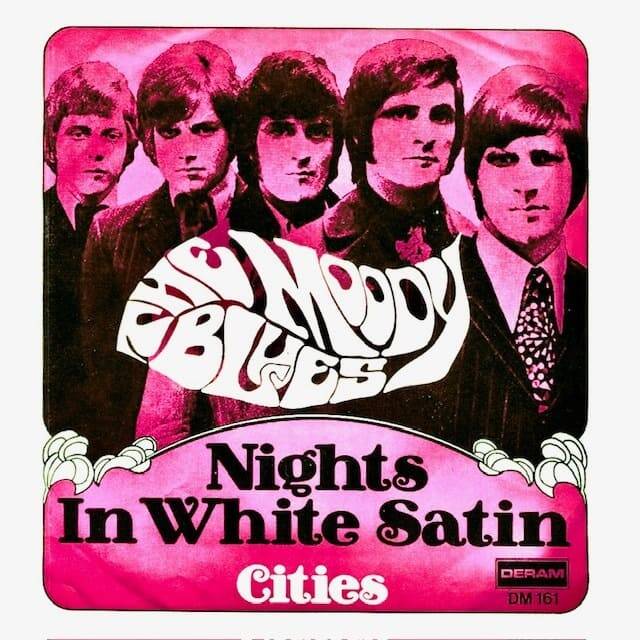
When the final master tapes were played for the stunned executives at Decca Records, the initial corporate reaction was one of complete and utter bewilderment. The label bosses sat in total, paralyzed silence; they had expected a straightforward classical marketing gimmick and had instead been handed an unclassifiable, psychedelic art rock opera. Critics were deeply divided, with some praising its immense, staggering ambition and others dismissing it as an overly pretentious experiment that defied the unwritten rules of pop music.
However, the public quickly realized that Days of Future Passed was a vision of the absolute future. In an era where the vast majority of bands were still manufacturing simple, formulaic pop songs about teenage romance, the Moody Blues had dared to write a profound, symphonic meditation on the collective human experience. The album defied all initial skepticism, slowly gathering steam through word of mouth and extensive underground radio airplay. It became a massive, runaway commercial success, eventually achieving permanent, multi-platinum status. It was a glorious victory for artistic bravery. By blending the organic grandeur of a classical orchestra with the electric, surrealist possibilities of rock and roll, the Moody Blues didn’t just survive their own collapse, they reshaped the musical universe forever.
Epilogue: The Big Bang of Progressive Rock
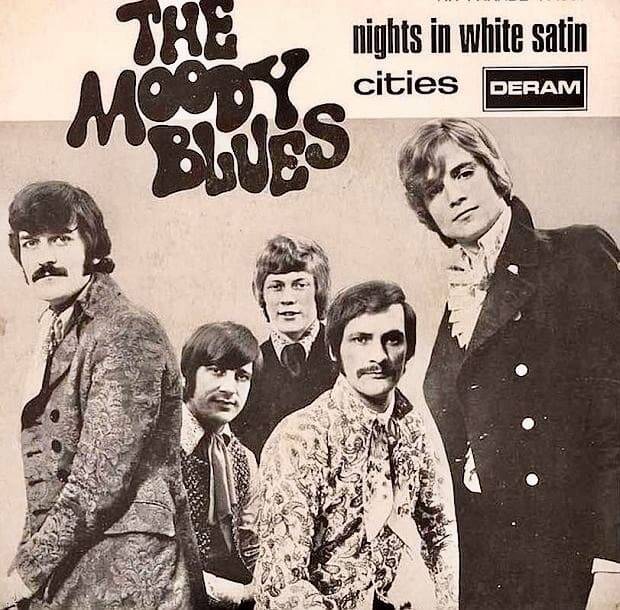
Days of Future Passed was not merely a step toward a new genre, it was, indisputably, the very first Progressive Rock album. Before its release in November 1967, pop groups made albums as collections of disconnected songs, stitched together to cash in on radio hits. The Moody Blues shattered that paradigm. They treated the long playing vinyl record as a cohesive, high art canvas, introducing the concept album format to a generation of musicians who suddenly realized that rock music could dare to be literature, philosophy, and classical architecture all at once.
The album was the ultimate game changer. It sent shockwaves through the London music scene, serving as the cultural catalyst that allowed the genre of Progressive Rock to emerge. When bands began experimenting in the late 1960s and early 1970s, they were walking through a door that The Moody Blues had kicked open with a Mellotron and an orchestra. By showing that rock music could absorb classical structures without losing its electric, visceral edge, Days of Future Passed redefined what was possible in a recording studio. It proved that rock and roll was no longer just a transient teenage soundtrack, but a permanent, magnificent force of high art.
Leggi anche: Jack Slamer, “Mask Of Broken Glass”: dentro il nuovo album con Marco Hostettler e Omar Fra
Ti è piaciuto questo articolo?











Discussione 0
Regole della discussione
Per pubblicare serve un account BACKdigit, gratuito: bastano pochi secondi.
Nessun messaggio ancora. Inizia tu la discussione.