Radio Online

Il “Mago Fragile”: l’Italia e l’affascinante, tragica fine dell’era di Brian Jones nei Rolling Stones – It/Eng. Version)
Non furono più gli stessi dopo l’addio di Brian Jones, non erano più i Rolling Stones dopo la sua partenza, erano semplicemente gli Stones.
Nell’aprile del 1967, mentre il sole tramontava sul Palazzo dello Sport a Roma, l’aria era densa non solo del profumo di primavera e del bruciore dei gas lacrimogeni della polizia. Sul palco si ergeva una figura che sembrava meno una rock star e più un principe caduto di una fiaba psichedelica. Era Brian Jones, il “Mago Fragile”, circondato da sitar e dulcimer, intento a tessere le strane e meravigliose trame sonore che avevano definito l’ascesa dei Rolling Stones. Ma sotto il velluto e la frangia bionda, si stava consumando una tragedia greca.
L’Italia e l’ultimo bagliore di Brian Jones con i Rolling Stones
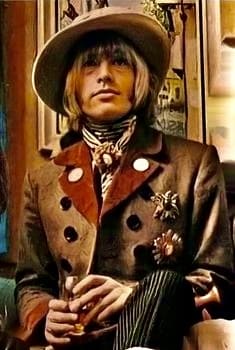
L’Italia assisteva all’ultimo, flebile bagliore di un uomo che aveva fondato la più grande rock band del mondo, proprio mentre veniva abbandonato dai suoi fratelli e tormentato dalla perdita della sua musa italiana. A Milano Brian era un paradosso ambulante. Avvolto nelle sete italiane più pregiate e nei mantelli di velluto, con l’aspetto di un vero e proprio “Fragile Wizard”, eppure i presenti notavano che sembrava svanire sullo sfondo della sua stessa vita. Mentre i fan fuori urlavano per la band, l’uomo che aveva dato loro il nome sedeva in una suite dorata, rendendosi conto che la “Terra Promessa d’Italia” non offriva alcun rifugio dal tradimento dei suoi amici più cari.
Fu una pugnalata al cuore di una relazione travolgente durata tre anni.
Una relazione che si trasformò in un incubo
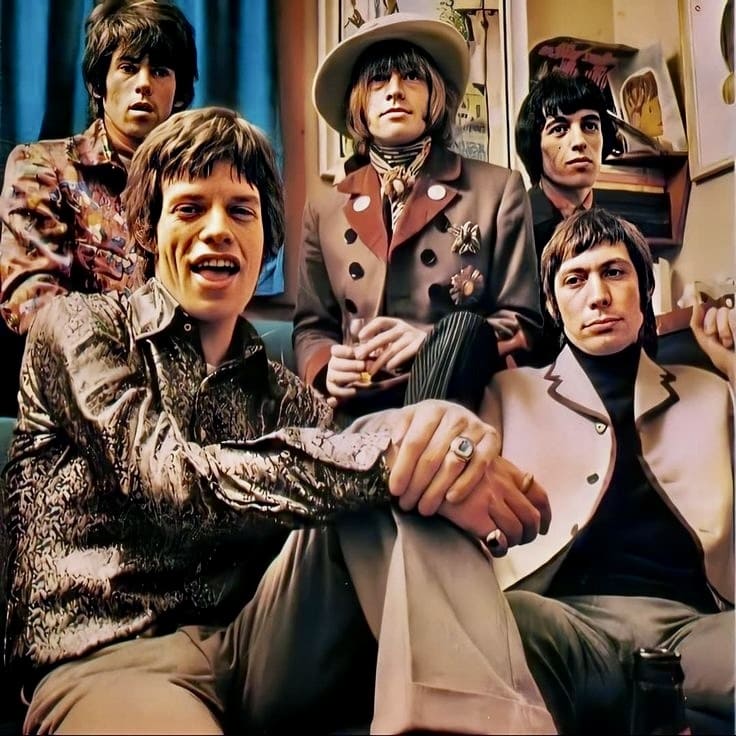
Una relazione che si trasformò in un incubo durante il viaggio verso l’Italia. Il tradimento avvenne poche settimane prima dell’inizio del tour italiano: nel marzo del 1967, Brian, Anita e Keith partirono per un viaggio in auto verso il Marocco.
Brian, già debilitato dall’asma e dai farmaci, si ammalò di polmonite e fu ricoverato in ospedale in Francia durante il viaggio. Mentre Brian era in ospedale, Keith e Anita proseguirono da soli verso il Marocco. Sul sedile posteriore di una Bentley, sotto le stelle del Nord Africa, la loro chimica, a lungo covata, esplose finalmente. Quando Brian li raggiunse a Marrakech, li trovò insieme.
Poi, una mattina, si svegliò e trovò la stanza d’albergo vuota: Keith e Anita erano fuggiti a Londra, lasciandolo solo in Marocco. Quando la band si riunì per il tour italiano in aprile, il dolore era ancora vivo. Con sua grande umiliazione, Brian fu costretto a vedere Anita, la donna che era stata la sua anima gemella creativa, in disparte. Nel Palazzo dello Sport come partner di Keith.
Il tradimento della musa Anita Pallenberg
Non si trattò di una semplice rottura, ma di un vero e proprio colpo di mano. Anita portò il suo “fuoco italiano” a Keith, aiutandolo a trovare l’atteggiamento oscuro e blueseggiante che avrebbe definito gli Stones per i successivi 50 anni, mentre Brian rimase una fragile reliquia decorativa del passato.
Anita Pallenberg era la musa che aveva aiutato Brian a costruire il suo regno magico, ma quando arrivarono a Milano, aveva consegnato le chiavi a Keith Richards. Per Brian, ogni nota suonata in quel tour era un elogio funebre per un amore che lo aveva letteralmente lasciato nella polvere del deserto marocchino.
Mentre Mick Jagger forniva il sudore e Keith il riff, Brian forniva l’atmosfera.
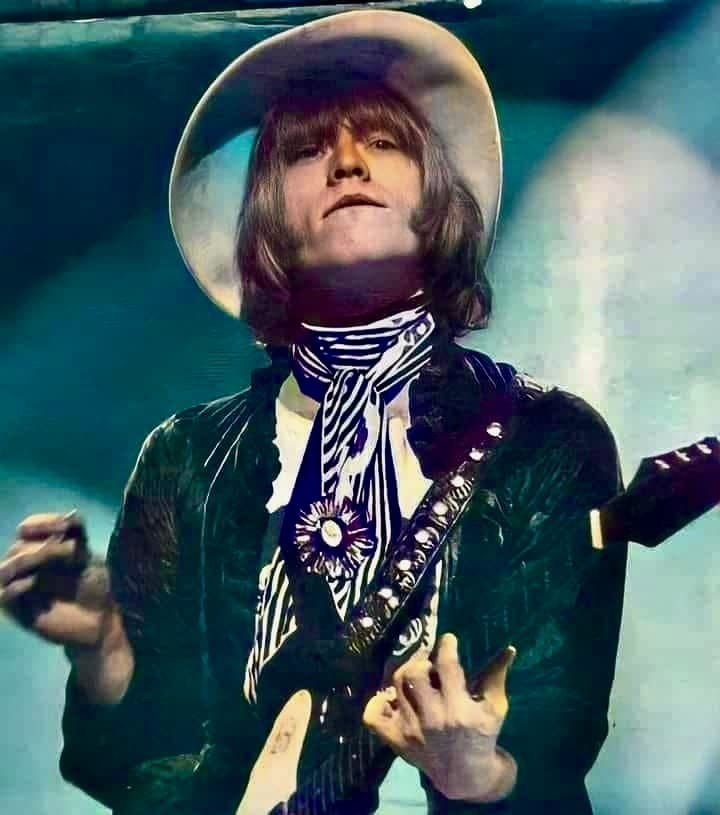
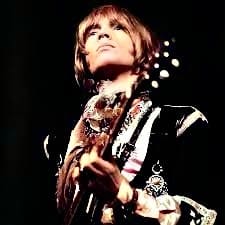
Sui palchi italiani del Palalido e del Palazzo dello Sport, Brian si distingueva, circondato da un “laboratorio di maghi” di strumenti non convenzionali. In brani come “Paint It Black”, sedeva a gambe incrociate, estraendo dal suo sitar il suono ipnotico e orientaleggiante.
Un viaggio sensoriale per i giovani italiani
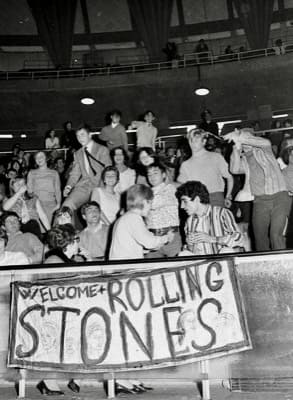
Per i giovani italiani, che stavano appena iniziando a scoprire la controcultura psichedelica, non si trattava solo di musica, ma di un viaggio sensoriale. Il sitar di Brian trasformava un concerto rock in una seduta spiritica.
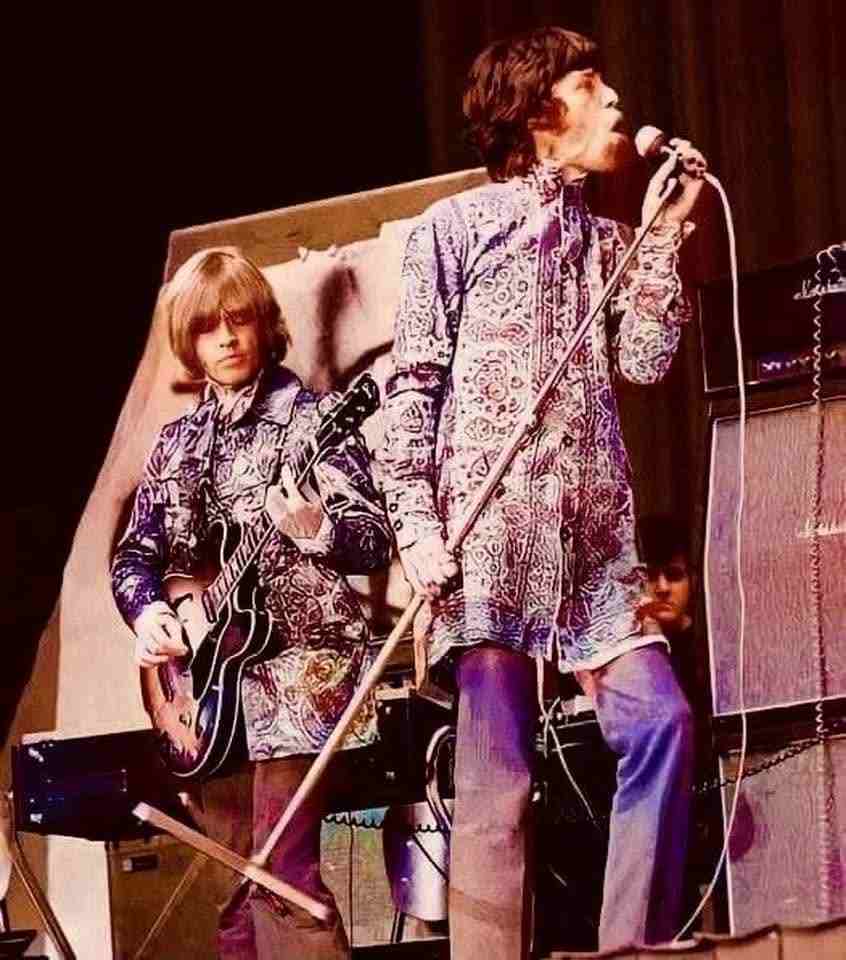
Per la delicata “Lady Jane”, Brian suonava il dulcimer degli Appalachi. Il suo suono antico, intriso di tradizione popolare, risuonava profondamente con la storia italiana della musica per liuto e con le melodie rinascimentali. Era in questi momenti di quiete che il “Fragile Wizard” brillava davvero, il suo tocco delicato in netto contrasto con le rivolte che si stavano scatenando fuori dal locale. Durante il concerto, Brian passava dal flauto dolce per “Ruby Tuesday” alle marimbe per “Under My Thumb”.
L’artefice del Rolling Stones Sound del 1967
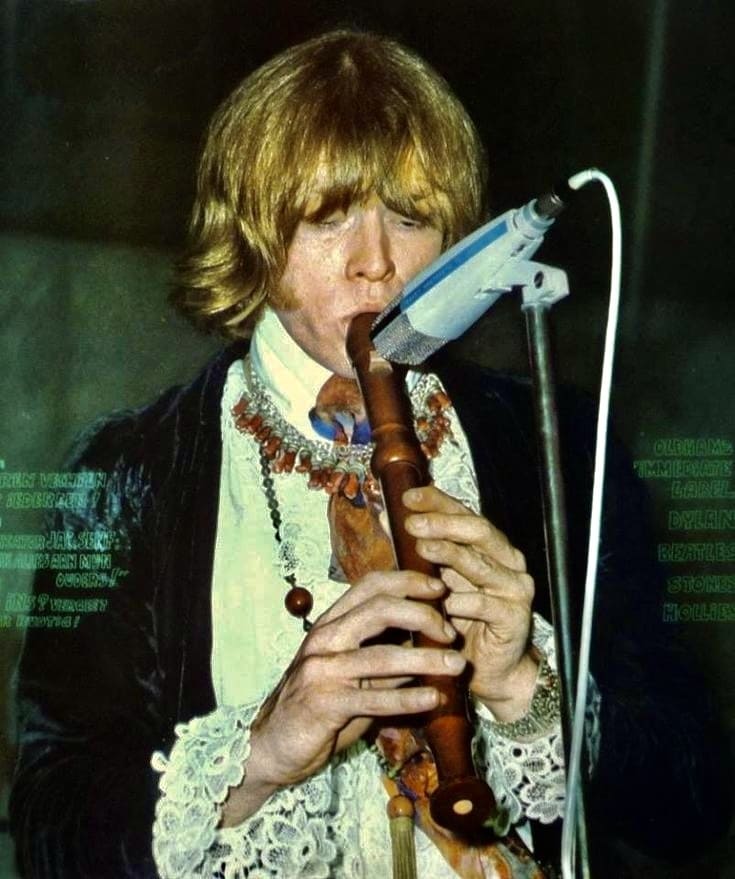
Era l’artefice del “Rolling Stones Sound” del 1967, un suono barocco, stratificato e sofisticato. L’ironia era che Brian stava suonando proprio i suoni che la band stava per lasciarsi alle spalle. Perché mentre Brian era sul palco a Milano, sovrapponendo meticolosamente questi suoni intricati, non ne era consapevole che lui stesse costruendo una cattedrale mentre il resto della band si preparava a bruciarla. Mentre Jagger e Richards si stavano già muovendo verso il rock grezzo e aggressivo del futuro, quello che incantava il pubblico italiano stava diventando una reliquia dell’era psichedelica che i suoi compagni di band stavano superando.
L’ultimo concerto del tour europeo dei Rolling Stones
Si tenne nel 1967 il 9 aprile al Palazzo dello Sport di Genova. Non fu solo la fine del tour, per molti fan e storici, fu la fine simbolica del “Fragile Wizard” come membro attivo dei Rolling Stones.
Il sipario finale a Genova: un’atmosfera grintosa e industrial.
Lo sfondo di quello che sarebbe stato l’ultimo concerto completo di Brian sul suolo italiano. L’atmosfera era un mix esplosivo di stanchezza e rock and roll ad alta tensione. Quando la band arrivò a Genova, il programma estenuante e il peso emotivo del silenzio imposto da Mick e Keith avevano lasciato il segno.
Brian Jones: “a fragile wizard”
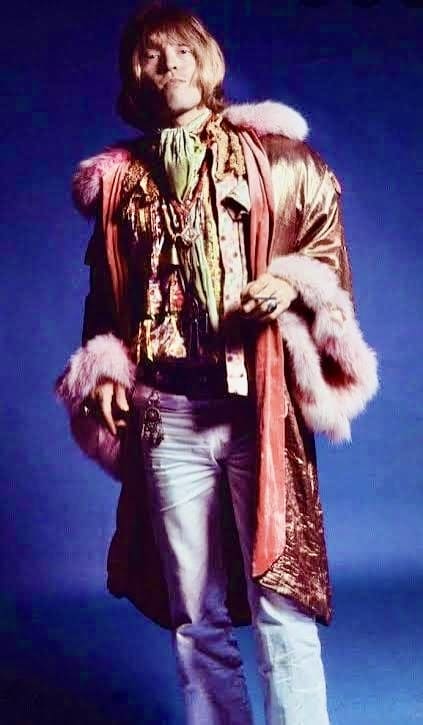
Brian appariva sempre più spettrale sotto le luci del palco, un vero e proprio “Fragile Wizard” che sembrava svanire nei suoi stessi vestiti. Nonostante le tensioni interne, la band suonò con un’intensità feroce. I resoconti della serata suggeriscono che il caos del pubblico, ormai un segno distintivo delle date italiane, spinse la band a suonare più velocemente e con più grinta. Brian, sempre professionale sul palco, mantenne le sue indicazioni, ma si esibiva nel vuoto. E mentre le ultime note del bis risuonavano nella notte genovese, Brian lasciò il palco italiano per l’ultima volta. Non lo sapeva ancora, ma il “Mago” non sarebbe mai più tornato in tour in Italia con la band che aveva fondato.
Mentre la band si imbarcava sul volo in partenza da Genova, Brian Jones portava con sé più dei suoi strumenti.
L’era psichedelica volgeva al termine
Portava il peso di un’era psichedelica stava già iniziando a svanire. Il “Fragile Wizard” aveva incantato l’Italia con i suoi sitar e la sua malinconia, ma mentre la costa italiana scompariva sotto le nuvole, anche la presa di Brian sui Rolling Stones si affievoliva. Lasciò l’Italia da leggenda, ma tornò a Londra da fantasma.
THE FRAGILE WIZARD: HOW ITALY WITNESSED THE BEAUTIFUL, TRAGIC END OF BRIAN JONES, ROLLING STONES ERA
They were never the same after Brian left, they were no longer The Rolling Stones after he left, they were the Stones.
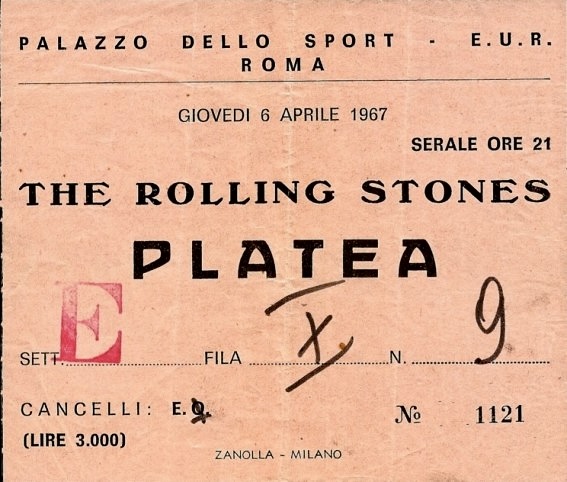
In April 1967, as the sun set over the Palazzo dello Sport in Rome, the air was thick with more then just the scent of spring and the sting of police tear gas. On stage stood a figure who looked less like a rock star and more like a fallen prince from a psychedelic fairytale. This was Brian Jones, the “Fragile Wizard “ surrounded by sitars, ducimers, weaving the strange, beautiful textures that had defined The Rolling Stones ascent. But beneath the velvet and blonde fringe, a Greek tragedy was unfolding.
Italy and the final flickering of Brian Jones with the Rolling Stones
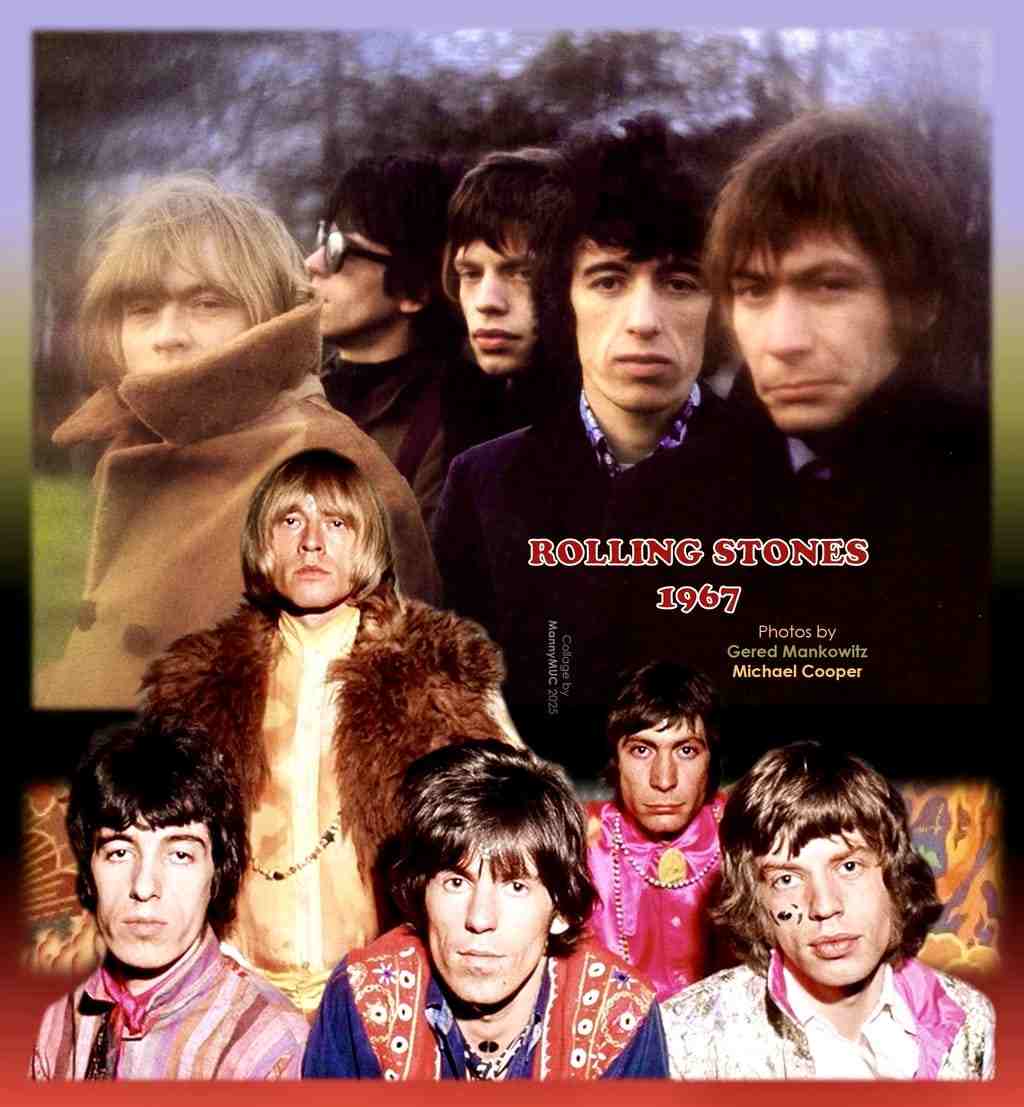
Italy was witnessing the final flickering brilliance of a man who had founded the world’s greatest rock band, just as he was being ghosted by his brothers and haunted by the loss of his Italian muse. In Milan Brian was a walking paradox. He draped himself in the finest Italian silks and velvet capes, looking every bit the ‘Fragile Wizard’, yet witnesses noticed that he seemed to be fading into the background of his own life. While the fans outside screamed for The Rolling Stones,’ the man who gave them their name sat in a gilded suite, realizing the ‘Promised Land of Italy’ offered no refuge from the betrayal of his closest friends.
A relationship that turned into a nightmare
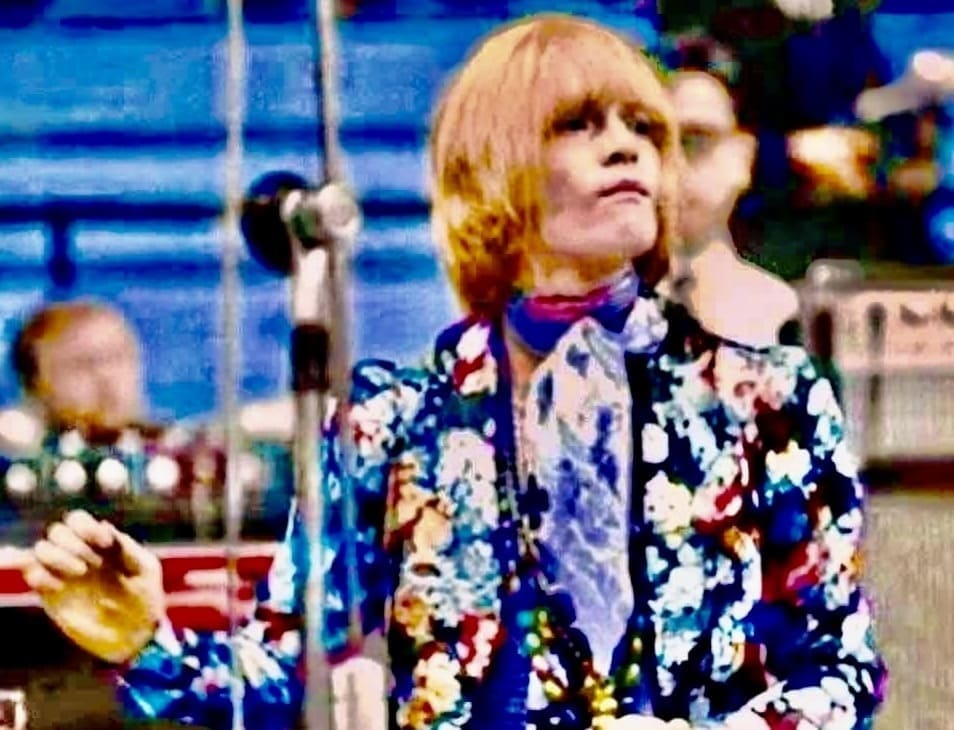
It was a knife in the heart of a three year whirlwind relationship. That turned into a nightmare during the journey to Italy. The betrayal happened just weeks before the Italian tour began: In March of 1967, Brian, Anita, and Keith set off on a road trip to Morocco. Brian already weakened by asthma and drugs, fell ill with pneumonia and was hospitalized in France along the way.
While Brian was in the hospital, Keith and Anita continued to Morocco alone. In the back of a Bentley, under the North African stars, their long brewing chemistry finally exploded. By the time Brian caught up with them in Marakech, he found them together. Then one morning he woke up to find the hotel room empty, Keith and Anita had fled back to London, leaving him alone in Morocco.
When the band gathered for the Italian tour in April, the pain was still raw. To his humiliation Brian was forced to see Anita, the woman who had been his creative soul mate, standing in the wings of Palazzo dello Sport as Keith’s partner.
The betrayal from the muse Anita Pallenberg
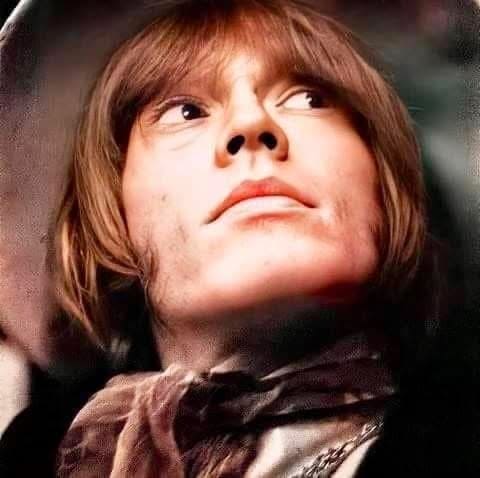
This wasn’t just a breakup, it was a coup. Anita brought her “Italian Fire” to Keith, helping to find the dark, bluesy swagger that would define the Stones over the next 50 years, while Brian was left as a decorative fragile relic of the past.
Anita Pallenberg was the muse who had helped Brian build his magical kingdom, but by the time they had reached Milan, she had handed the keys to Keith Richards. For Brian every note he played on that tour was a eulogy for a love that had literally left him in the dust of the Moroccan desert.
While Mick Jagger provided the sweat and Keith provided the riff, Brian provided the atmosphere. On the Italian stages of the Palalido and the Palazzo dello Sport, Brian stood apart, surrounded by a “wizard’s workshop” of unconventional instruments.
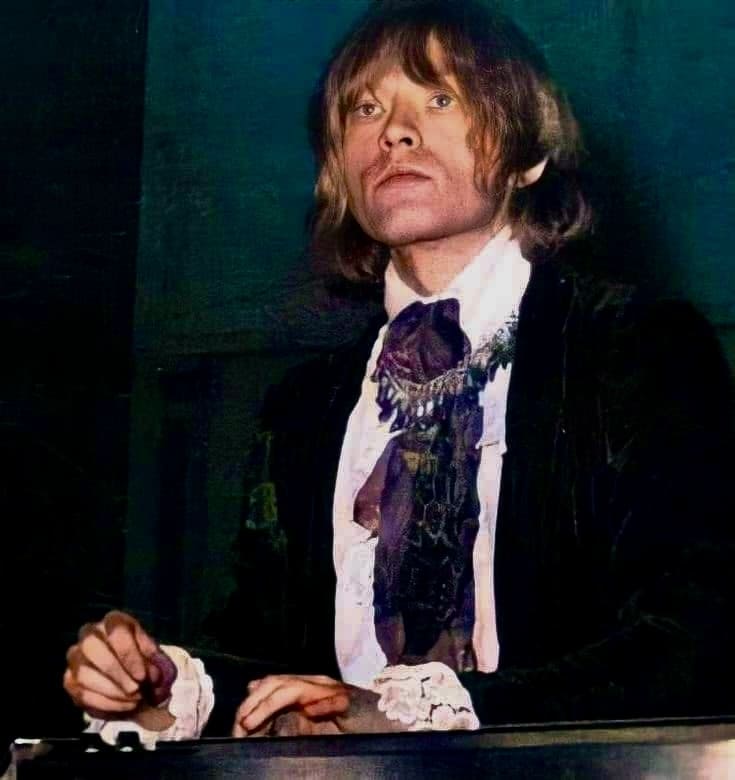
In songs like Paint It Black, Brian sat crosslegged, coaxing the haunted, Eastern drone from his sitar. To the Italian youth, who were just beginning to discover the psychedelic counterculture, this wasn’t just music, it was a sensory trip. Brian’s sitar turned a rock concert into a spiritual seance.
For the delicate Lady Jane, Brian played the Appalachian dulcimer. Its ancient folk tinged sound resonated deeply with Italy’s own history of lute music and Renaissance melodies. It was in these quiet moments that the “Fragile Wizard” truly shone, his delicate touch providing a stark contrast to the brewing riots outside the venue doors. Throughout the set, Brian would switch to the recorder for Ruby Tuesday or the marimbas for Under My Thumb.
The architect of the Rolling Stones Sound of 1967

He was the architect of the “Rolling Stones Sound” of 1967, a sound that was baroque, layered, and sophisticated. The irony was Brian was playing the very sounds the band were about to leave behind. For as Brian stood on the stage in Milan, meticulously layering these intricate sounds, he was unaware that he was building a cathedral while the rest of the band was preparing to burn it down.
As Jagger and Richards were already moving towards the raw “Street Fighting Man” rock of the future, while the very thing that enchanted the Italian crowds was becoming a relic of the psychedelic era that his bandm ates were outgrowing.
The final show of the Rolling Stones in Europe
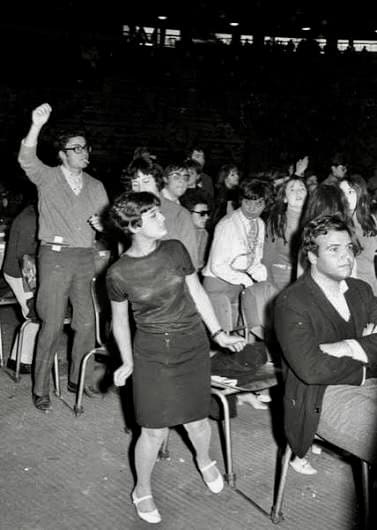
The final show of The Rolling Stones 1967 European tour took place on the 9th of April at the Palazzo dello Sport in Genoa. This wasn’t just the end of the tour, for many fans and historians, it was the symbolic end of the “Fragile Wizard”as a functioning member of The Rolling Stones.
The final curtain in Genoa: provided a gritty, industrial backdrop to what would be Brian’s final full concert on Italian soil. The atmosphere was a volatile mix of exhaustion and high voltage rock and roll. By the time the band reached Genoa, the grueling schedule and emotional weight of the silent treatment from Mick and Keith had taken their toll.
Brian Jones: a “fragile Wizard”
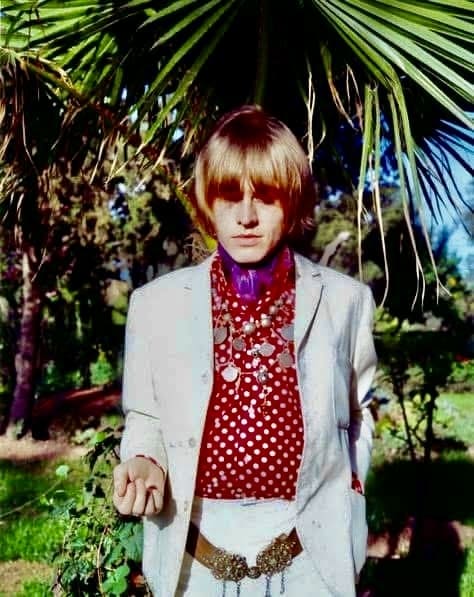
Brian looked increasingly ghostly under the stage lights, a literal “Fragile Wizard” who seemed to be disappearing in his own clothes. Despite the internal friction, the band played with a ferocious intensity. Reports from the night suggest that the chaos of the crowd, which had become a hallmark of the Italian dates, pushed the band to play faster and harder. Brian ever the professional on stage, hit his cues, but he was performing in a vacuum.
And as the final notes of the encore rang out in the Genoese night, Brian walked off an Italian stage for the last time. He didn’t know it yet but the “Wizard” would never return to tour Italy with the band he founded.
As the band boarded their flight out of Genoa, Brian Jones carried more than just his instruments.
The psychedelic era was beginning to fade

He carried the weight of a psychedelic era that was already beginning to fade. The ‘Fragile Wizard’ had enchanted Italy with his sitars and his sorrow, but as the Italian coast line disappeared beneath the clouds, so did Brian’s grip on The Rolling Stones. He left Italy a legend, but he returned to London a ghost.
LEGGI ANCHE:
- Brian Jones: The Forgotten Stone
- Marianne Faithfull: la vita e la scomparsa dell’icona pop musa dei Rolling Stones
- “Their Satanic Majesties Request”: il contributo dei Rolling Stones alla psichedelia
- UFO Club: il locale che ha lanciato i Pink Floyd e ha fatto la storia della psichedelia inglese
- Intervista a Garry ‘Moonboot” Masters: i dettagli sul suo album Bone Idol
- The End of the Beginning: come lo sciamanesimo, le ombre e il debut album dei Doors hanno influenzato la musica italiana
- Pink Floyd Immersion: un’immersione nel mondo dei Pink Floyd

Ti interessa anche questo?