
Radio Online

Pink Floyd, il concerto a Pompei e lo spirito di Syd Barrett – It./Eng. Version
Nell’ottobre del 1971, i Pink Floyd entrarono nell’anfiteatro di Pompei, vecchio di 2000 anni, per esibirsi davanti a un pubblico che non esisteva più. Filmato in una città congelata dalla cenere vulcanica, “Live in Pompeii” fu concepito come l'”anti-Woodstock”, un deliberato rifiuto delle folle urlanti in favore di un vasto isolamento, echeggiante. Ma mentre i sedili di pietra erano vuoti, l’arena era tutt’altro che deserta. Sotto il caldo sole italiano, la band eseguì una seduta spiritica silenziosa usando la parete di amplificatori come un incantesimo per raggiungere l’unica persona che non poteva più essere lì: Syd Barrett.
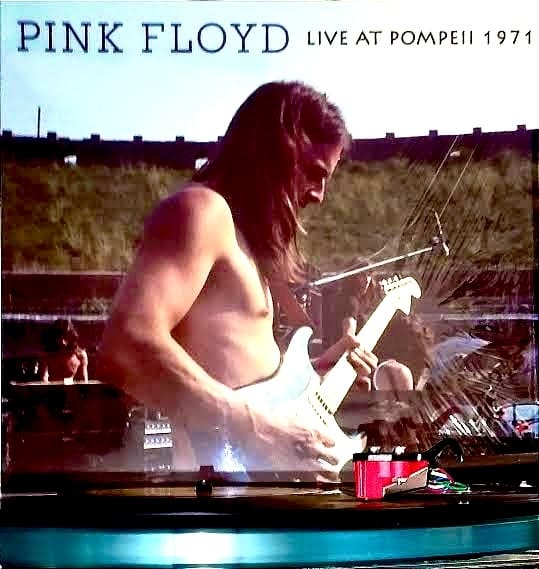
Per la band, Pompei non era solo un luogo per concerti; era un santuario dove potevano finalmente affrontare il “vuoto a forma di Syd” nella loro musica e dire addio al fantasma del Pifferaio prima di ascendere verso la luna.
Pink Floyd: dopo Syd una band senza bussola
Dopo l’abbandono di Syd all’inizio del 1968, i Pink Floyd erano una band senza una bussola. Syd era stato il principale autore dei brani del gruppo, lasciando i membri rimanenti a destreggiarsi in una “prova del fuoco” piena di incursioni sperimentali e vicoli ciechi creativi. Questo periodo è spesso chiamato “gli anni di mezzo” dei Pink Floyd, ed è probabilmente la loro era più affascinante.Era un laboratorio caotico e meraviglioso in cui cercavano di capire come essere i Pink Floyd senza l’architetto che li aveva costruiti. Ecco un viaggio album per album dalla nebbia post-Syd alle porte di Pompei.
A Saucer full of Secrets
1. A Saucer Full Of Secrets (1968) Questo è l’unico album in cui compaiono tutti e cinque i membri (inclusi Syd e David Gilmour).
L’atmosfera era un mix tra le stravaganti canzoni di Syd e il primo tentativo della band di “Space Rock”. La title track “A Saucer Full of Secrets” è stato il primo tentativo della band di comunicare senza il vocabolario di Syd. Se Syd era il Pifferaio Magico che cantava di gnomi e biciclette, questo album è stato il primo ruggito di maturità della band.
La canzone, “A Saucer Full Of Secrets”, sembra un rituale, ed è per questo che è diventata un elemento centrale del film Pompeii. Persino la copertina dell’album, un collage vorticoso e multistrato di Storm Thorgerson, fungeva da metafora dello stato d’animo della band. La copertina dell’album è stata la prima volta che si sono allontanati dalle foto di se stessi, scegliendo invece un paesaggio onirico nebuloso e psichedelico. Sfocando i contorni dell’immagine fisica della band, stavano sottilmente preparando ilmondo a un Pink Floyd definito non dal volto di un leader, ma dalla trama del suo suono.
More
2. MORE (1969) Una colonna sonora filmata a Ibiza. La cui atmosfera è sorprendentemente acustica e folk. Dimostrò che i Pink Floyd erano più che semplici musicisti psichedelici. Il brano chiave “Cymbaline” ha una qualità inquietante e onirica, perfetta per quei giorni psichedelici e allucinati.
Ummagumma
3. Ummagumma (1969) Un doppio album: metà live, metà esperimenti solisti, in cui ogni membro aveva a disposizione una parte del disco da interpretare a modo suo. L’atmosfera era di pura follia sperimentale. Un brano chiave dell’album è “Careful with That Axe, Eugene”. Una canzone terrificante e viscerale che sarebbe diventata un momento leggendario della seduta spiritica di Pompei.
Atom Heart Mother
4. Atom Heart Mother (1970) Per questo album ingaggiarono un compositore per aggiungere ottoni e un coro a una suite di 23 minuti.
L’atmosfera era epica, cinematografica e a dir poco bizzarra. La copertina dell’album con la famosa mucca segnalò che i Pink Floyd si stavano allontanando dalle immagini “spaziali” per avvicinarsi a qualcosa di più surreale e terreno, dimostrando di essere in grado di gestire composizioni di lunga durata, un’abilità che avrebbero perfezionato a Pompei.
Meddle
5. Meddle (1971) Un modello per la grandezza.
L’atmosfera della band finalmente al massimo della forma. Avevano smesso di sperimentare a caso e avevano iniziato ad avere un’atmosfera di determinazione. Il brano chiave dell’album è “Echos”, un’invocazione che occupa un intero lato del vinile e sarebbe diventata il cuore spirituale della Silent Seance.
Leggi anche: L’ombra di Syd Barrett sugli show dei Pink Floyd al Piper Club di Roma, 1968
Quando i Pink Floyd arrivarono a Pompei, avevano già sperimentato folk, heavy rock, noise d’avanguardia e suite orchestrali. Avevano “bruciato via” il bisogno di copiare lo stile di Syd e avevano forgiato un nuovo suono atmosferico, paziente, e profondamente emozionante.
Pink Floyd a Pompei: la band esce allo scoperto
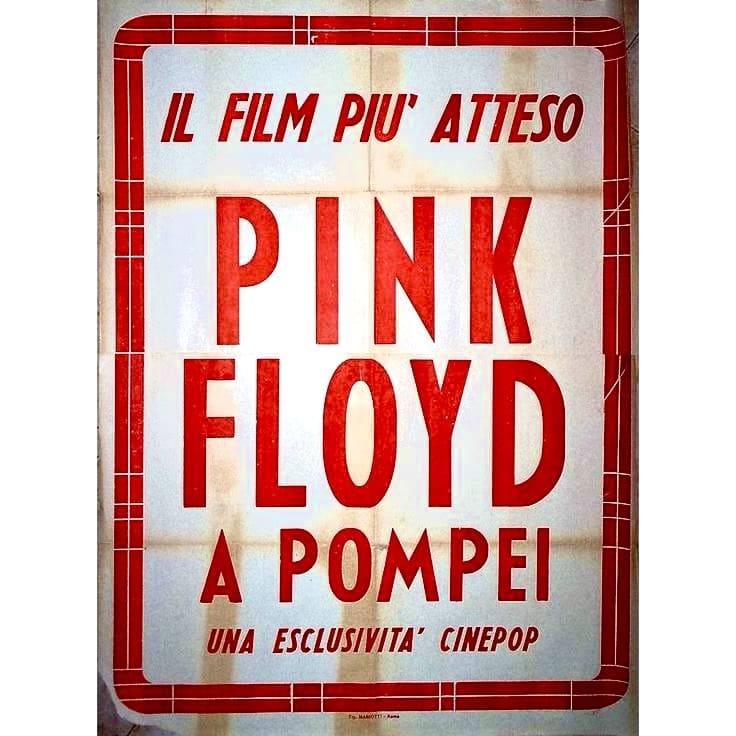
Se A Saucerful of Secrets rappresentava il suono dei Pink Floyd intrappolati in un laboratorio buio, intenti a mescolare disperatamente sostanze chimiche per vedere cosa non sarebbe esploso, allora la seduta spiritica silenziosa a Pompei fu il momento in cui uscirono per la prima volta alla luce per eseguire il loro rituale trasformativo. Nel 1971, i Pink Floyd avevano trascorso anni in laboratorio, ma erano ancora perseguitati da un’anima plasmata da Syd nel loro suono. Avevano l’attrezzatura e l’ambizione, ma mancava loro un santuario.
L’invito a Pompei: per i Pink Floyd non solo un’opportunità cinematografica
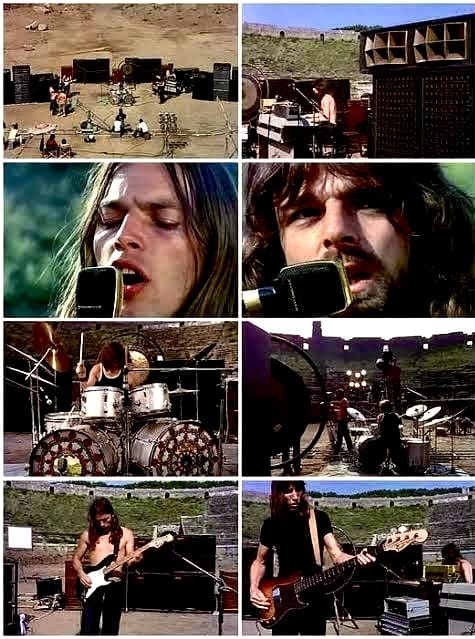
Quindi l’invito in Italia non era solo un’opportunità cinematografica; era una chiamata a l’unico luogo sulla Terra dove il silenzio è più forte del rumore, le rovine di Pompei. Mentre il resto del mondo inseguiva l’euforia di Woodstock e il fragore delle masse, i Pink Floyd si ritiravano nell’ombra. Iniziarono a capire che la loro musica non apparteneva a uno stadio; apparteneva a una camera d’eco. Pompei rappresentò una deliberata disconnessione dal mondo moderno, un pellegrinaggio in un antico cimitero dove poterono finalmente eseguire una seduta spiritica silenziosa per un pubblico di una sola persona: che era la loro storia.
Gli “anni di mezzo” dei Pink Floyd
Se gli “anni di mezzo” dei Pink Floyd furono uno scavo archeologico nella loro psiche, allora Pompei fu il luogo in cui finalmente trovarono l’oro. Trasportarono la loro enorme parete di altoparlanti attraverso le Alpi come un moderno Annabal, trascinando i macchinari pesanti del XX secolo in una città congelata nel I secolo. Non sono andati lì per suonare un concerto; sono andati per vedere se la loro musica poteva scrollarsi di dosso la polvere. Con l’imponente muro di amplificatori neri dei Pink Floyd che veniva trascinato nel cerchio baciato dal sole, sembrava meno un palco rock e più un altare pagano. Non hanno costruito una piattaforma. Si sono posizionati direttamente sulla terra sotto il sole, eliminando la barriera tra la band e la Terra, radicando la seduta spiritica nella polvere della città.
Il silenzio assoluto di Pompei prima di “Echoes”
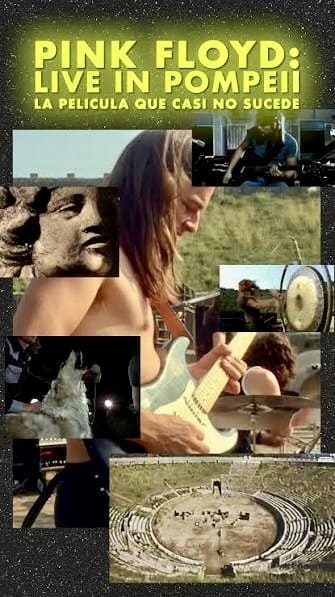
Il silenzio dell’anfiteatro era assoluto, un silenzio pesante, cocente sotto il sole, che si era posato sulla pietra per due millenni. Poi, accadde. Un singolo squillo di una nota di pianoforte ad alta frequenza, emessa da un altoparlante rotante Leslie, squarciò il calore. Era il celebre squillo della loro canzone “Echoes”. Nel contesto della seduta spiritica, non si trattava solo di una nota musicale; era un sonar psichico che Rick Wright aveva emesso, un impulso nello “spazio negativo” dell’arena, alla ricerca di una frequenza perduta dal 1968.
“Sei ancora là fuori?”
Era il modo della band di chiedere al fantasma dell’uomo che aveva dato inizio a tutto: “Sei ancora là fuori?”. Mentre il suono rimbalzava sulle gradinate dove un tempo sedevano 20.000 romani, quelle onde sonore rappresentavano la mappatura del vuoto lasciato da Syd. Dovevano trovare i confini della sua assenza prima di poter finalmente andare avanti. Mentre le telecamere riprendevano le forme fisiche della band, la musica era impegnata a catturare un fantasma. Il lavoro di laboratorio era finito; il rituale era iniziato. Se il “ping” era un educato bussare alla porta dell’aldilà, “Careful With That Axe Eugene” è stato il momento in cui la band ha spalancato le porte. Mentre il sole incombeva pesante sull’anfiteatro, la band è passata dalla bellezza melodica di “Echoes” a un oscuro e ipnotico strisciare.
Pink Floyd a Pompei
Roger Waters e i Pink Floyd a Pompei
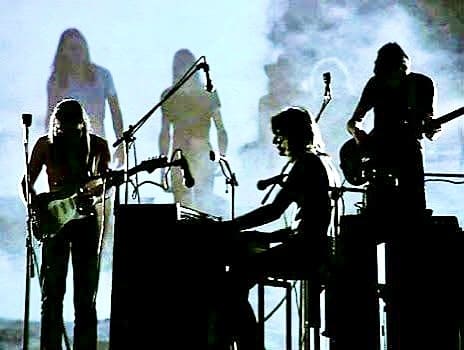
L’aria di Pompei, già densa del calore del Vesuvio, sembrò farsi più pesante. Mentre Roger Waters iniziava il suo incantesimo ritmico e sussurrato, un avvertimento a bassa frequenza che sembrava passi in un oscuro corridoio romano. Poi arrivò l’esorcismo. Con Waters che lanciava un urlo terrificante che squarciava l’antico silenzio. In questa “Seduta Silenziosa”, quell’urlo aveva uno scopo vitale: era la liberazione cruda e senza filtri di tre anni di dolore represso. Era il suono della band che finalmente urlava contro la follia che si era portata via Syd.
Pink Floyd e “il vuoto a forma di Syd”
Mentre la musica esplodeva in un muro di distorsione, la telecamera inquadrava il fango ribollente della Solfatara e la terra bruciata del vulcano. Il messaggio era chiaro: il rituale stava funzionando. Incanalando il loro dolore nella polvere di una città morta, i Pink Floyd non stavano semplicemente suonando una canzone, ma stavano esorcizzando un fantasma. Quando l’ultima nota si dissolse nel vento italiano, il “vuoto a forma di Syd” non era stato colmato, ma era finalmente consacrato. L’infestazione era finita, la trasformazione era iniziata.
Poi, mentre il sole tramontava dietro l’anfiteatro e la “Seduta Silenziosa” giungeva al termine, un pesante silenzio tornò tra le rovine. L’imponente muro di altoparlanti fu silenziato e le custodie dei Pink Floyd furono chiuse per l’ultima volta in Italia.
La transizione dei Pink Floyd
Il rituale era completo. Portando la pesante strumentazione dei loro anni sperimentali nelle ceneri di Pompei, la band aveva compiuto una transizione sacra. Erano entrati tra le rovine come un gruppo ancora definito dal “vuoto di Syd” nella loro formazione, ma ne erano emersi come una forza singolare e suggestiva. Gli echi che evocarono nell’anfiteatro non rimasero semplicemente nella pietra; divennero un modello.
La band registra “The Dark Side of the Moon”
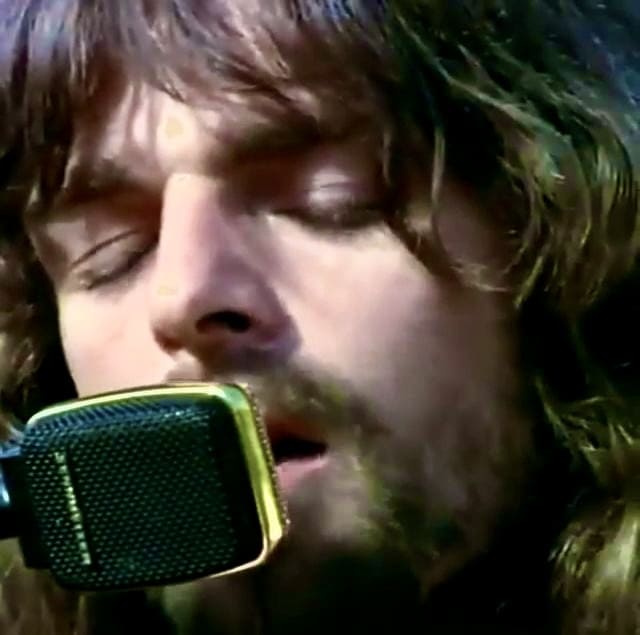
Solo pochi mesi dopo aver lasciato il sole italiano, la band sarebbe entrata negli Abbey Road Studios per iniziare a lavorare a “The Dark Side of the Moon”. Gli insegnamenti della seduta spiritica, l’uso del silenzio come arma, il suono simile a un sonar del pianoforte e la cruda, liberazione vulcanica del loro dolore condiviso furono tutti portati avanti.
Leggi anche: UFO Club: il locale che ha lanciato i Pink Floyd e ha fatto la storia della psichedelia inglese
Uscirono dall’antico cimitero di Pompei e si diressero verso la luce della luna, lasciandosi alle spalle il fantasma di Syd nella cenere vulcanica. Sarebbe sempre stato il Pifferaio che li avrebbe condotti alle porte, ma mentre guardavano le stelle, si resero conto di avere finalmente la forza di attraversarle da soli.
THE SILENT SEANCE: PINK FLOYD, POMPEII AND THE SPIRIT OF SYD BARRETT
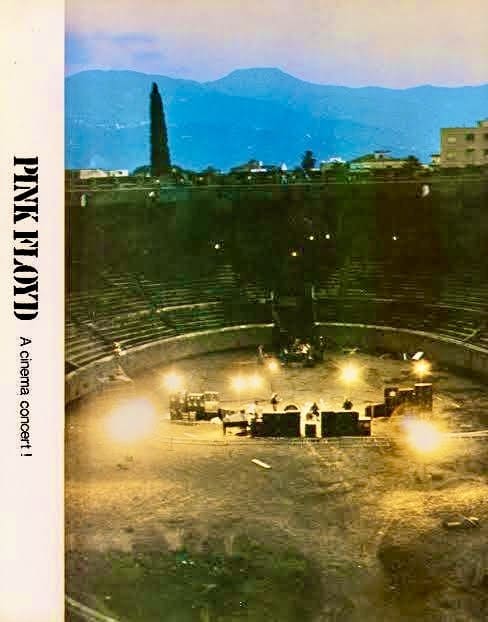
In October 1971, Pink Floyd stepped into the 2,000 year old amphitheater of Pompeii to perform to an audience that didn’t exist anymore. Filmed in a city frozen by volcanic ash, ‘Live in Pompeii’ was conceived as the ‘anti-Woodstock’, a deliberate rejection of screaming crowds in favor of vast, echoing isolation. But while the stone seats were empty, the arena was far from vacant. Under the heat of the Italian sun, the band performed a Silent Seance using their wall of amplifiers as an incantation to reach the one person who could no longer be there: Syd Barrett. To the band, Pompeii wasn’t just a concert venue; it was a sanctuary where they could finally confront the ‘Syd shaped hole’ in their music and say goodbye to the Piper’s ghost before ascending towards the moon.
Pink Floyd a Pompei
Pink Floyd: after Syd a band without a compass
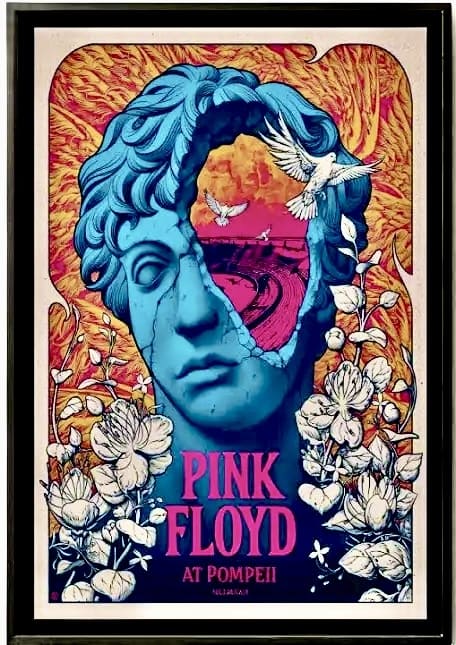
After Syd departed in early 1968, Pink Floyd was a band without a compass. Syd had been the band’s primary songwriter, leaving the remaining members to navigate a “test of fire” filled with experimental forays and creative blind alleys. This period is often called Pink Floyd’s, “Middle Years”, and it’s arguably their most fascinating era. It was a chaotic, beautiful laboratory where they were trying to figure out how to be Pink Floyd without the architect that built them. Here is an album by album journey from the post Syd fog to the gates of Pompeii.
A Saucer Full of Secrets
1. A Saucer Full Of Secrets (1968) This is the only album where all five members (including Syd and David Gilmour) appear. The vibe was a mix of Syd’s whimsical songs and the band’s first attempt at “Space Rock”. The title song “ A Saucer Full of Secrets” was the band’s first attempt to speak without Syd’s vocabulary. If Syd was the Piper who sang about gnomes and bicycles, this album was the band’s first growl of adulthood.
The song, ‘A Saucerful Of Secrets’ feels like a ritual, which is why it became a centerpiece for the Pompeii film. Even the album’s cover art, a swirling, multi- layered collage by Storm Thorgerson served as a metaphor for the band’s internal state. The album cover was the first time they moved away from photos of themselves, choosing instead a hazy, psychedelic dreamscape. By blurring the lines of the band’s physical image. They were subtly preparing the world for a Pink Floyd defined not by theface of a leader, but by the texture of its sound.
More
2. MORE (1969) A sound track filmed in Ibiza. Whose vibe is surprisingly acoustic and folksy. It showed Pink Floyd was more than psychedelic feedback. The key track “Cymbaline” has a haunting, dreamlike quality to it, perfect for those trippy psychedelic days.
Ummagumma
3. Ummagumma (1969) A double album: half live, half solo experiments, where each member got a portion of the record to do whatever they wanted. The vibe was experimental madness. A key track of the album is “Careful with That Axe, Eugene.” A terrifying and visceral song that would become a legendary highlight of the Pompeii seance.
Atom Heart Mother
4. Atom Heart Mother (1970) For this album they hired a composer to add brass and a choir to a 23 minute suite. The vibe was epic, cinematic, and strange to say the least. The album cover of the famous cow signaled Pink Floyd were moving away from “Space” imagery and into something more surreal and Earth bound, showing that they could handle long form compositions, a skill they would perfect at Pompeii.
Meddle
5. Meddle (1971) A blueprint for greatness. The vibe of the band finally clicking on all cylinders. They had stopped experimenting randomly and started to have an atmosphere of purpose. The key track on the album is “Echos”, an incantation that takes up an entire side of the vinyl and would become the spiritual heart at the Silent Seance. By the time Pink Floyd reached Pompeii, they had tried folk, heavy rock, avant-garde noise, and orchestral suites. They had “burned away” the need to copy Syd’s style and had forged a new sound that was atmospheric, patient, and deeply emotional.
Pompeii: the moment the band first stepped out…
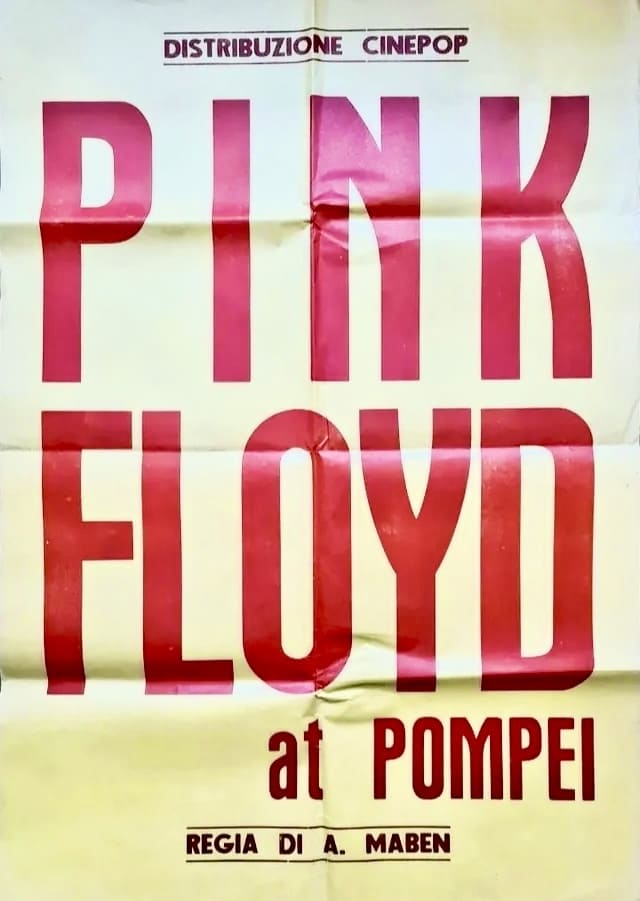
If a Saucerful of Secrets was the sound of Pink Floyd trapped in a dark laboratory, desperately mixing chemicals to see what wouldn’t explode, then the silent seance at Pompeii was the moment they first stepped out into the light to perform thier transformative ritual. By 1971, Pink Floyd had spent years in the laboratory, but they were still haunted by a ‘Syd shaped soul’ in their sound. They had the equipment and the ambition, but they lacked a sanctuary.
Pink Floyd a Pompei
The invitation to Pompeii
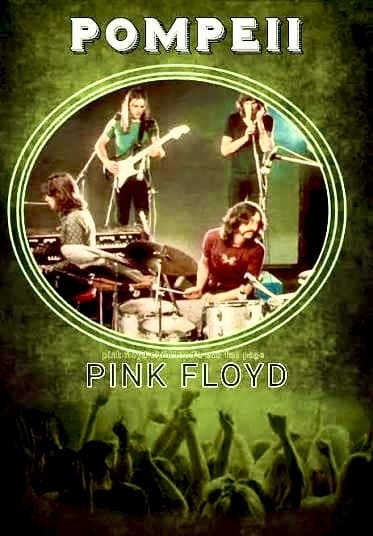
So the invitation to Italy wasn’t just a film opportunity; it was a summon to the one place on Earth where silence is louder than noise, the ruins of Pompeii. While the rest of the world was chasing the high of Woodstock and the roar of the masses, Pink Floyd was retreating into the shadows. They began to realize that their music didn’t belong in a stadium; it belonged in an echo chamber. Pompeii was a deliberate unplugging from the modern world, a pilgrimage to an ancient graveyard where they could finally perform a Silent Seance for an audience of one: which was their own history.
Pink Floyd “Middle Years”
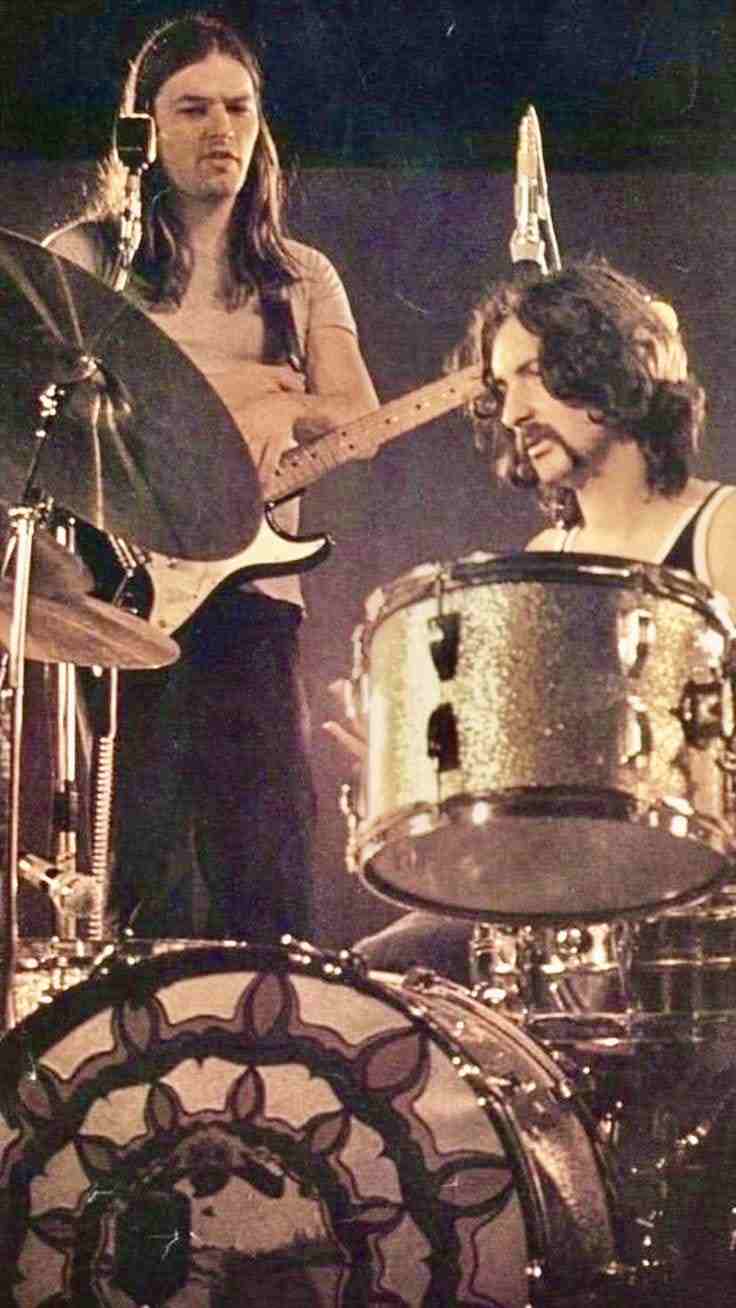
If Pink Floyd’s ‘Middle Years’ were an archeological dig into their own psyche, then Pompeii was the site where they finally struck gold. They carried their massive wall of speakers across the alps like modern day Hannabal, hauling the heavy machinery of the 20th century into a city frozen in the 1st century. They didn’t go there to play a concert; they went to see if their music could shake the dust off their heels. With the Pink Floyd massive wall of black amplifiers being hauled into the sun drenched circle, it looked less like a rock stage and more like a pagan altar. They didn’t build a platform; they set up directly on the dirt in the sun, removing the barrier between the band and the Earth, grounding the seance into the dust of the city.
The absolute silence of the amphitheater before “Echoes”
The silence of the amphitheater was absolute, a heavy, sun baked quiet that had settled over the stone for two millennia. Then, it happened. A single ping of a high frequency piano note, fed through a Leslie rotating speaker, cut through the heat. It was the famous ping from their song ‘Echoes’. In the context of the Seance, this wasn’t just a musical note; it was Psychic Sonar that Rick Wright sent out, a pulse out into the ‘negative space’ of the arena, searching for a frequency that had been lost since 1968.
“Are you still out there?”
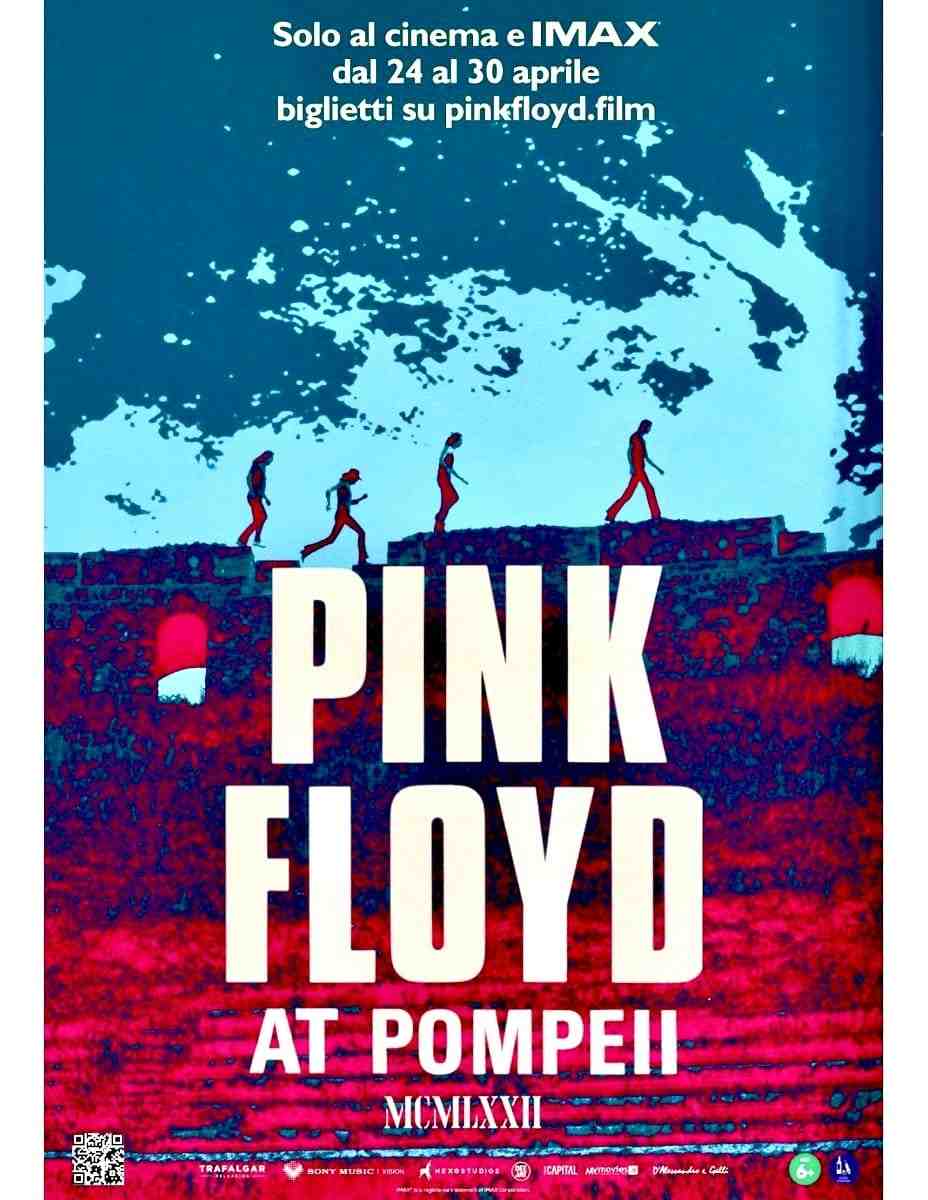
It was the band’s way of asking the ghost of the man who started it all, ‘Are you still out there?’ As the sound bounced off the tiers where 20,000 Romans once sat. Those ripples of sound were the band mapping the hole Syd left behind. They had to find the boundaries of his absence before they could finally move on. While the cameras captured the band’s physical forms, the music was busy capturing a phantom. The laboratory work was over; the ritual had begun. If the ping was a polite knock on the door of the afterlife, “Careful With That Axe Eugene” was the moment the band tore the doors off the hinges. For as the sun hung heavy over the amphitheater, the band shifted from the melodic beauty of “Echoes” into a dark, hypnotic crawl.
Roger Waters and the Pink Floyd in Pompeii
The air of Pompeii, already thick with the heat of Vesuvius, seemed to tighten. As Roger Waters began his rhythmic, whispered incantation, low frequency warning that felt like footsteps in a dark Roman corridor. Then came the exorcism. With Waters letting out a terrifying shriek that tore through the ancient silence. In this “Silent Seance,” that scream served a vital purpose: it was the raw, unfiltered release of three years of suppressed grief. It was the sound of the band finally screaming back at the madness that claimed Syd.
Pink Floyd: the “Syd Shape Hole”
As the music exploded into a wall of distortion, the camera cut away to the bubbling mud of the Solfatara and the scorched earth of the volcano. The message was clear: the ritual was working. By channeling their pain into the literal dust of a dead city, Pink Floyd wasn’t just playing a song, they were purging a ghost. When the last note finally faded into the Italian wind, the “Syd shape hole” wasn’t filled, but it was finally consecrated, The haunting was over, the transformation had begun. Then as the sun finally dipped beyond the rim of the amphitheater and the “Silent Seance” drew to close, a heavy stillness returned to the ruins. The massive wall of speakers was silenced, and the Pink Floyd flight cases were latched shut for the final time in Italy.
A band sacred transition
The ritual was complete. By bringing the heavy machinery of their experimental years to the dust of Pompeii, the band had performed a sacred transition. They had entered the ruins as a group still defined by the “Syd shaped hole” in their lineup, but they emerged as a singular, atmospheric force. The echoes they summoned in the amphitheater didn’t just stay in the stone; they became a blueprint.
Pink Floyd recording The Dark Side of the Moon
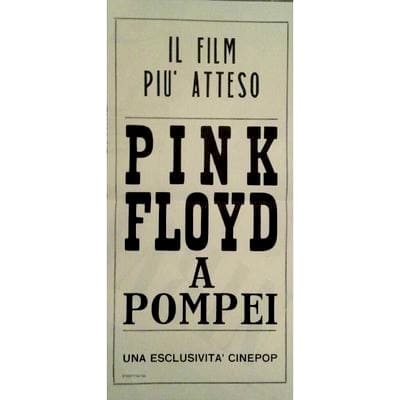
Only months after leaving the Italian sun, the band would enter Abbey Road Studios to begin work on ‘The Dark Side of the Moon’. The lessons of the seance, the use of silence as a weapon, the sonar like ping of the piano, and the raw, volcanic release of their shared grief were all carried forward. They walked out of the ancient graveyard of Pompeii and towards the light of the moon, leaving Syd’s ghost behind in the volcanic ash. He would always be the Piper who led them to the gates, but as they looked towards the stars, they realized they finally had the strength to walk through them alone.
Altro per te
 Rock
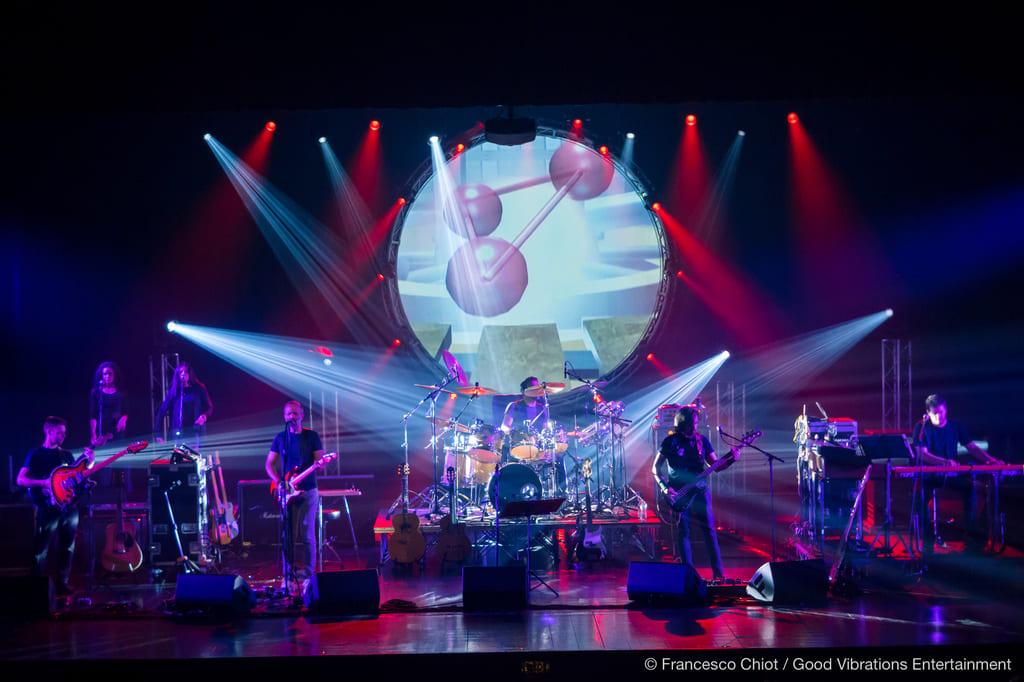
RockBig One: la miglior tribute band dei Pink Floyd torna on stage per celebrare i 50 anni di “The Dark Side of the Moon”
Big One, la tribute band floydiana più apprezzata al mondo, torna con un imperdibile tour. Si tratta di Big One - European Pink Floyd…
 Pink Floyd, la magia ritorna: la riedizione di Wish You Were Here celebra 50 anni di storia
 Pink Floyd: il film di The Endless River diretto da Ian Emes ora in 4K
 Pink Floyd: come nacque il capolavoro psichedelico “The Piper at the Gates of Dawn”
 Pink Floyd – Live at Pompeii (1972): Edizione Restaurata 2025: quando la musica diventa eterno respiro della terra
 Per la prima volta al cinema e negli IMAX® “Pink Floyd At Pompei – MCMLXXII” il film concerto della band britannica