Radio Online

Solo contro il mare: l’Epifania di John Lennon (It./English Version)
Il viaggio terrificante di John Lennon (LINK) e la tempesta che ha rigenerato una leggenda della musica.
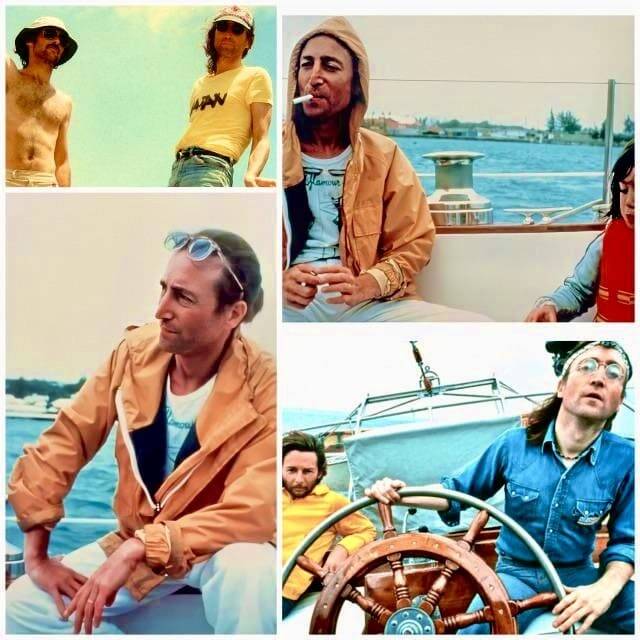
“Solo contro il mare” esplora uno dei capitoli più avventurosi, drammatici e meno noti della storia del rock: la traversata oceanica di John Lennon nel giugno del 1980. Tormentato da un silenzio creativo durato cinque anni, Lennon lasciò il suo comodo isolamento nel Dakota Building di New York per noleggiare uno yacht di 43 piedi diretto alle Bermuda. Quando una violenta tempesta atlantica mise fuori gioco l’equipaggio, il musicista – privo di qualsiasi esperienza nautica – rimase da solo al timone, assicurato all’imbarcazione, per sei lunghe ore; per restare in vita, urlava vecchie canzoni marinaresche della tradizione irlandese di Liverpool sfidando raffiche di vento a oltre 100 km/h. Questo brutale faccia a faccia con la morte innescò una rinascita psicologica esplosiva, spezzando il suo blocco creativo e ispirando direttamente l’ultimo testamento musicale della sua vita:
Double Fantasy. Capitolo 1: Il silenzio e la tempesta
L’Oceano Atlantico appariva come un muro di vetro nero e lo yacht di 43 piedi, il *Megan Jaye*, veniva sballottato nell’abisso come un giocattolo. Era il giugno del 1980. Il vento urlava a oltre 100 chilometri orari e onde alte sei metri si infrangevano violentemente nel pozzetto, accecando chiunque osasse aprire gli occhi. Al timone c’era un uomo assicurato a un’imbracatura di sicurezza in tela, fradicio fino al midollo e senza occhiali, spazzati via tempo prima dagli spruzzi salmastri. Governava l’imbarcazione in totale solitudine. Il capitano e l’equipaggio giacevano sottocoperta, paralizzati da un violento mal di mare e da uno sfinimento totale. Eppure, quell’uomo non piangeva né pregava. Al contrario, sfoggiava un sorriso maniacale e selvaggio, urlando vecchie ballate irlandesi di Liverpool e canti marinareschi contro la furia della tempesta. Gridava contro gli dei, semplicemente per restare sveglio.
Quella voce apparteneva a John Lennon. Solo pochi giorni prima, era l’eremita più famoso del mondo. Ora, era un marinaio che combatteva una battaglia per la sopravvivenza destinata a cambiare per sempre la storia della musica.
Il cantautore più celebre al mondo in balia dell’Atlantico
Per capire come il cantautore più celebre al mondo sia finito in balia dell’Atlantico, bisogna guardare al profondo silenzio che ha preceduto quell’evento. Per cinque lunghi anni, una delle voci più famose di una generazione era rimasta in silenzio. Tra le stanze vaste e blindate del Dakota, il palazzo residenziale di Manhattan, Lennon si era completamente ritirato dall’industria musicale. L’irruente rocker degli anni Sessanta si era trasformato in quello che lui stesso definiva un “casalingo”, trascorrendo le giornate a preparare il pane, a crescere il figlio piccolo Sean e a osservare il mondo che scorreva fuori. Le sue chitarre riposavano nelle custodie, intatte e coperte di polvere.
Agli occhi del pubblico, sembrava un ritiro tranquillo. Per Lennon, tuttavia, nella primavera del 1980, quella routine domestica aveva iniziato ad apparire non più come un rifugio, ma come una forma di stagnazione. La fonte creativa si era completamente prosciugata, lasciando il posto a una paralisi artistica che intorpidiva lo spirito. Si sentiva come naufragato sulla terraferma. Disperatamente alla ricerca di una scossa, di un confronto crudo e innegabile con la realtà — qualcosa che la vita da celebrità a New York non poteva più offrirgli — Lennon decise di guardare verso l’oceano. Cercava un’avventura che spogliasse il suo mito, mettesse alla prova i suoi limiti e lo costringesse a sentirsi di nuovo vivo.
Capitolo 2: La prova del fuoco a bordo della Megan Jaye
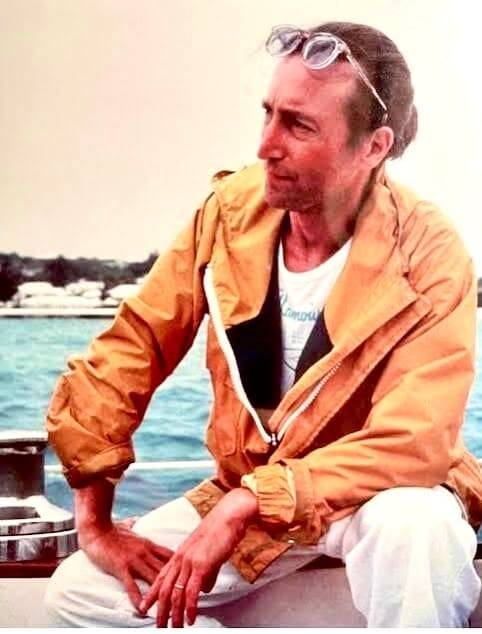
La trasformazione ebbe inizio il 4 giugno 1980, quando Lennon salì sul ponte della Megan Jaye, uno sloop di pregevole fattura ormeggiato a Newport, nel Rhode Island. Insieme al capitano Hank Halsted e a un piccolo equipaggio di altre tre persone, Lennon stava tracciando una rotta di 635 miglia nautiche attraverso le acque insidiose e imprevedibili dell’Atlantico, diretto alle Bermuda. Nei primi giorni, l’oceano si rivelò un ospite gentile. Lennon si trovò a suo agio nell’anonimato del mare, imparando a leggere le vele, a fare nodi e a dare il proprio contributo come membro inesperto dell’equipaggio. L’orizzonte aperto iniziò a esercitare la sua magia, spogliandolo dei pesanti strati di fama e isolamento che lo avevano oppresso per mezzo decennio.
Ma l’Atlantico è una bestia capricciosa e, al quarto giorno di navigazione, il cielo assunse una sinistra tonalità violacea, simile a un livido. Lo yacht finì dritto nel cuore di una violenta tempesta oceanica che si trasformò rapidamente in un incubo durato giorni. L’oceano divenne un labirinto caotico di montagne in movimento; onde terrificanti si infrangevano sul ponte, sballottando l’imbarcazione di 43 piedi come fosse un tappo di sughero. Mentre le ore si trascinavano in una seconda, estenuante giornata di incessanti percosse da parte del mare, l’equipaggio iniziò a cedere. Uno dopo l’altro, sopraffatti da un violento mal di mare e dal totale collasso fisico, gli altri marinai strisciarono sottocoperta, completamente fuori gioco.
Il capitano Halsted capì che l’unica speranza risiedeva in quella rockstar…
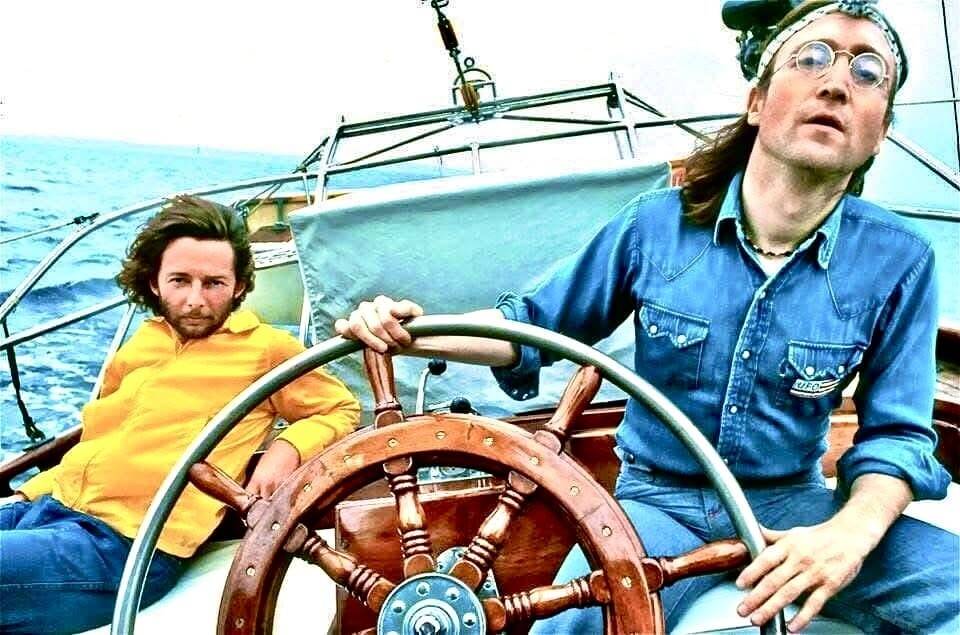
Il capitano Halsted rimase al timone per oltre trenta ore strazianti, lottando contro la ruota finché i muscoli non bruciarono e le palpebre si fecero pesanti per la stanchezza. Aveva raggiunto il limite estremo delle proprie forze. Guardandosi intorno e vedendo il suo equipaggio ormai abbattuto, Halsted capì che l’unica speranza risiedeva in quella rockstar che, per un singolare miracolo biologico, era rimasta del tutto immune al mal di mare. Il capitano trascinò Lennon nel pozzetto, lo assicurò a un’imbracatura di sicurezza e gli affidò il timone. Halsted impartì al musicista, privo di qualsiasi esperienza nautica, un’ultima, cupa istruzione: se si fosse avvicinata un’onda gigantesca, avrebbe dovuto puntare dritto contro di essa per evitare che la barca si capovolgesse. Detto ciò, il capitano scese sottocoperta per crollare in un sonno profondo, lasciando John Lennon completamente solo ad affrontare la tempesta.
Lennon rimase paralizzato da un terrore puro e assoluto
Per la prima ora, Lennon rimase paralizzato da un terrore puro e assoluto. Le onde si infrangevano proprio sopra la sua testa, riempiendogli gli stivali di acqua gelida e accecandolo con la salsedine. Era una rockstar trentanovenne che non affrontava una vera crisi da anni e che, all’improvviso, si ritrovava con le vite di cinque persone nelle proprie mani. Ma, col passare di quelle ore terrificanti, avvenne un profondo cambiamento psicologico. La paura paralizzante lasciò il posto a una scarica selvaggia ed elettrizzante di pura adrenalina da sopravvivenza. Capì che, se avesse mollato il timone, sarebbero morti. Quella consapevolezza estrema risvegliò in lui una forza antica e sopita.
Per contrastare il vento impetuoso e scacciare la spossatezza che minacciava di sopraffarlo, Lennon attinse alle risorse più profonde del suo inconscio. Non cantava canzoni pop o successi dei Beatles; iniziò invece a urlare le ballate ruvide e potenti della tradizione anglo-irlandese di Liverpool e le vecchie canzoni marinaresche ascoltate da ragazzo nella sua storica città portuale. Gridava quelle melodie antiche direttamente in faccia alla tempesta, accordando la propria voce al ritmo violento delle onde che si infrangevano. Non era più una celebrità solitaria che si nascondeva dietro i cancelli del Dakota; era un marinaio che misurava la propria anima contro l’universo. Quando il capitano Halsted si svegliò, sei ore più tardi, e risalì in coperta, non trovò un uomo abbattuto. Trovò Lennon che sorrideva freneticamente tra gli spruzzi del mare, completamente trasformato da quella sensazione meravigliosa e terrificante che è la vita stessa. Capitolo 3: La rinascita alle Bermuda
John Lennon mise piede a terra da uomo completamente cambiato
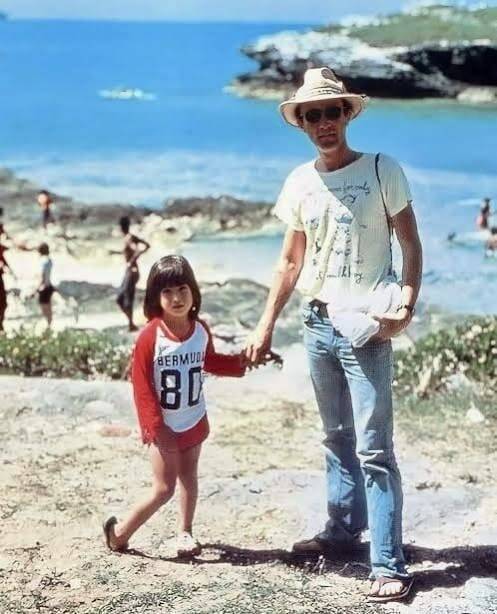
Quando lo scafo malconcio della Megan Jaye entrò finalmente nelle acque calme e turchesi delle Bermuda, John Lennon mise piede a terra da uomo completamente cambiato. Aveva ancora la salsedine incrostata sulla pelle e l’adrenalina dell’Atlantico gli scorreva ancora impetuosa nelle vene. Aveva affrontato il limite estremo della propria mortalità e ne era uscito vincitore. Per la prima volta dopo cinque anni, la nebbia pesante e paralizzante del blocco creativo era svanita, spazzata via dagli spruzzi gelidi della tempesta oceanica. L’istinto di sopravvivenza che lo aveva tenuto aggrappato al timone aveva risvegliato con forza il suo spirito creativo.
L’esplosione artistica di John Lennon
Sistematosi a Fairylands — una tranquilla villa in affitto circondata da giardini rigogliosi — Lennon visse un’esplosione creativa senza precedenti. Le dighe della creatività non si limitarono ad aprirsi: andarono in frantumi. Nel corso di tre settimane frenetiche e ispirate, melodie e testi sgorgarono da lui con una rapidità che non provava dai tempi d’oro della Beatlemania. Seduto con la sua chitarra acustica, catturava quella profonda lucidità che aveva trovato in mare aperto. I brani composti durante quella magica esplosione estiva – tra cui “Watching the Wheels“, “(Just Like) Starting Over” e “Woman” – riflettevano l’immagine di un uomo che si era spogliato dei suoi vecchi miti e aveva ritrovato la propria voce autentica.
Le canzoni della rinascita sulla costa
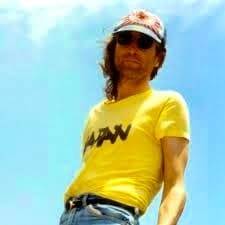
Le canzoni scritte durante quella rinascita sulla costa costituirono la parte di John in *Double Fantasy*, il suo ultimo album in studio, pubblicato nel novembre del 1980. Nella storia di questo viaggio si cela un’ironia tragica e profondamente commovente: quella tempesta regalò a Lennon la rinascita vitale e trionfale di cui aveva bisogno per interrompere un silenzio durato cinque anni e condividere con il mondo un ultimo, splendido dono artistico. Solo pochi settimane dopo l’uscita dell’album, la sua vita fu tragicamente spezzata a New York. Eppure, proprio perché scelse di abbandonare la sicurezza della riva per affrontare l’Atlantico in tempesta, la storia ricorda che John Lennon non svanì in un silenzio fatto di isolamento.
Epilogo: Riflessioni sulla Megan Jaye
Lo sloop di 43 piedi che trasportò John Lennon attraverso la tempesta divenne una preziosa testimonianza della storia della musica. A distanza di decenni da quel fatidico viaggio di giugno, la Megan Jaye fu ritrovata e amorevolmente restaurata da appassionati custodi dell’eredità dei Beatles, preservando proprio quel ponte su cui la voce creativa di Lennon era stata scossa e risvegliata dall’Atlantico. Per anni, l’imbarcazione è stata un museo galleggiante, una testimonianza tangibile del confine sottile tra mortalità e immortalità artistica.
Sebbene John Lennon sia stato strappato al mondo appena sei mesi dopo l’approdo alle Bermuda, il periodo trascorso al timone della Megan Jaye rimane il simbolo emblematico dei suoi ultimi capitoli. Dimostrò che il suo spirito leggendario non era mai stato veramente domato dalla tranquilla vita domestica di New York. Nella memoria collettiva della storia della musica, Lennon rimane per sempre immortalato a prua di quello yacht di 43 piedi: sferzato dagli spruzzi salmastri, indomito di fronte alla burrasca, mentre canta per ritrovare la vita.
ALONE AGAINST THE SEA: JOHN LENNON’S EPIPHANY
John Lennon’s Terrifying Voyage and the Storm That Rebuilt a Musical Legend
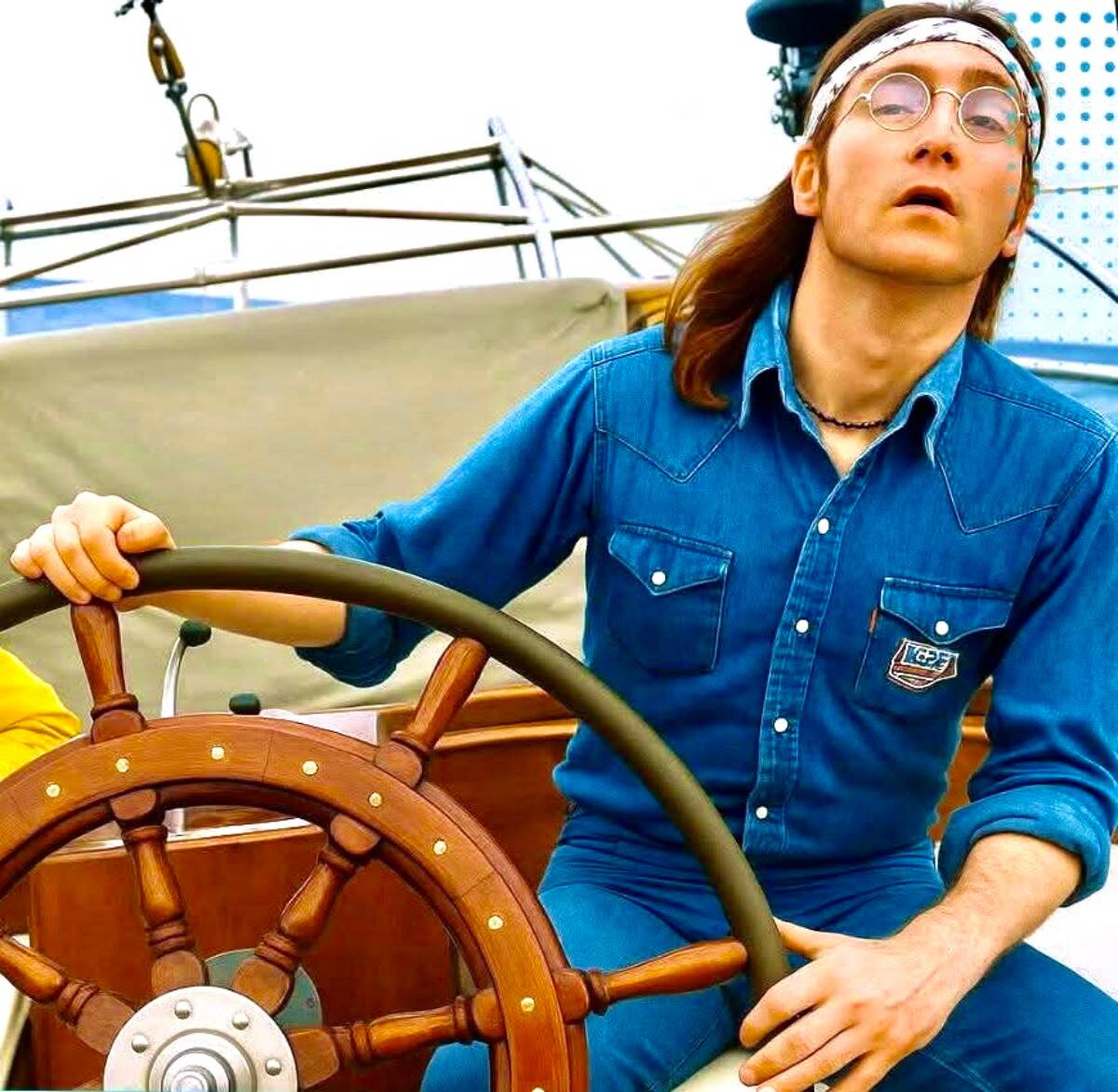
“Alone Against The Sea” explores one of the most adventurous, dramatic, and lesser-known chapters in rock history: John Lennon’s little known ocean voyage in June 1980. Haunted by a five-year creative silence, Lennon left his comfortable isolation at New York’s Dakota apartment building to charter a 43-foot yacht to Bermuda. When a violent Atlantic storm incapacitated the crew, the untrained musician was strapped to the helm alone for six hours, screaming old Liverpool-Irish sailor tunes into 65 mph winds to stay alive. This raw brush with mortality triggered an explosive psychological rebirth, shattering his writer’s block and directly inspiring the final musical statement of his life:
Double Fantasy. Chapter 1: The Silence and the Storm
The Atlantic Ocean was a wall of black glass, and the 43-foot yacht Megan Jaye was being thrown like a toy into the abyss. It was June 1980. Winds screamed at 65 miles per hour, and 20-foot waves smashed directly into the cockpit, blinding anyone who dared open their eyes. At the helm stood a man strapped into a canvas safety harness, drenched to the bone, his glasses long ago swept away by the salt spray. He was steering completely alone. The captain and crew lay below deck, paralyzed by violent seasickness and total exhaustion. But this man wasn’t crying or praying. Instead, he was smiling a manic, feral grin, shouting old Liverpool-Irish ballads and sailor tunes into the teeth of the gale. He was screaming at the gods just to stay awake.
The voice belonged to John Lennon. Only days earlier, he was the world’s most famous recluse. Now, he was a sailor fighting a mortal crucible that would permanently alter music history.
How the most celebrated songwriter at the mercy of the Atlantic
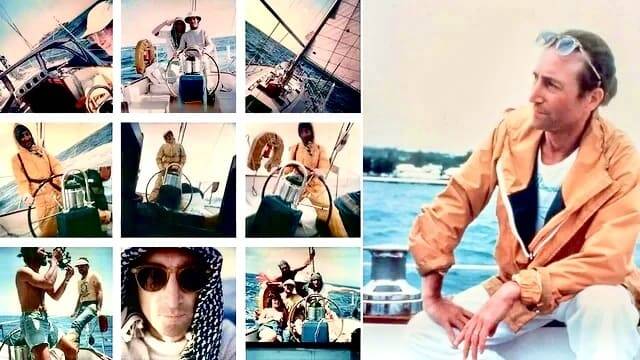
To understand how the world’s most celebrated songwriter ended up at the mercy of the Atlantic, one has to look back at the profound silence that preceded it. For five long years, one of the most famous voices of a generation had gone quiet. Inside the cavernous, hyper-secured rooms of the Dakota apartment building in Manhattan, Lennon had retreated entirely from the music industry. The fierce rock-and-roller of the 1960s had transformed into a self-described “househusband,” spending his days baking bread, raising his young son Sean, and watching the world go by. His guitars sat in their cases, untouched and gathering dust.
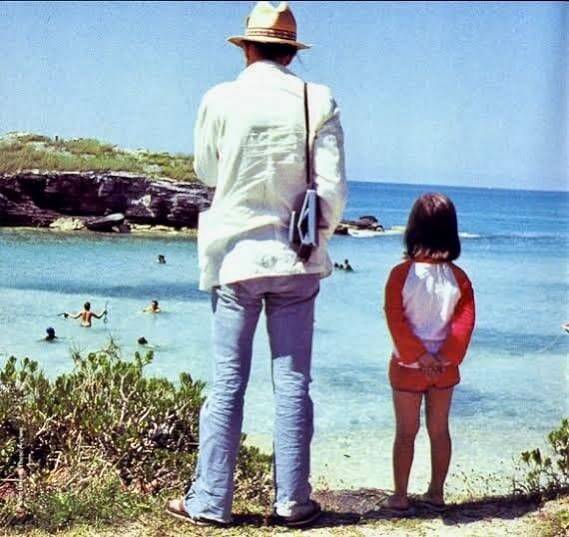
To the public, it looked like a peaceful retirement. To Lennon, however, by the spring of 1980, the domestic routine had begun to feel less like sanctuary and more like stagnation. The creative well had run entirely dry, replaced by a numbing artistic paralysis. He was spiritually marooned on land. Desperate for a shock to his system, a raw, undeniable confrontation with reality that New York celebrity life could no longer provide—Lennon decided to look to the ocean. He sought an adventure that would strip away his myth, test his boundaries, and force him to feel alive again.
Chapter 2: The Crucible of the Megan Jaye
The transformation began on June 4, 1980, when Lennon stepped onto the deck of the Megan Jaye, a beautifully crafted sloop docked in Newport, Rhode Island. Along with Captain Hank Halsted and a small crew of three others, Lennon was charting a 635-nautical-mile course across the treacherous, unpredictable waters of the Atlantic toward Bermuda. For the first few days, the ocean was a gentle host. Lennon thrived in the anonymity of the sea, learning to read the sails, tying knots, and pulling his weight as a rookie crew member. The open horizon began to work its magic, peeling away the heavy layers of fame and isolation that had weighed him down for half a decade.
But the Atlantic is a fickle beast, and by the fourth day out, the sky turned a bruised, ominous purple. The yacht sailed directly into a powerful ocean storm that rapidly escalated into a multi-day nightmare. The ocean transformed into a chaotic maze of moving mountains, with terrifying waves crashing over the deck and tossing the 43-foot vessel like a cork. As the hours dragged on into a second grueling day of relentless battering, the crew began to fail. One by one, gripped by violent seasickness and sheer physical collapse, the other sailors crawled below deck, completely incapacitated.
Captain Halsted realized his only hope lay in the rock star…
Captain Halsted stayed at the helm for over thirty agonizing hours, fighting the wheel until his muscles burned and his eyelids grew heavy with exhaustion. He had reached his absolute breaking point. Looking around at his broken crew, Halsted realized his only hope lay in the rock star who, by some strange miracle of biology, was completely untouched by seasickness. The captain dragged Lennon to the cockpit, strapped him into a safety harness, and handed him the wheel. Halsted gave the untrained musician one final, grim instruction: if a massive wave approached, steer directly into it to keep the boat from capsizing. With that, the captain went below to collapse into a dead sleep, leaving John Lennon entirely alone with the storm.
Lennon was paralysed by sheer, unadulterad terror
For the first hour, Lennon was paralyzed by sheer, unadulterated terror. Waves crashed directly over his head, filling his boots with freezing water and blinding him with salt. He was a 39-year-old rock star who hadn’t faced a real crisis in years, suddenly holding the lives of five people in his hands. But as the terrifying hours ticked by, a profound psychological shift occurred. The paralyzing fear dissolved into a wild, electric rush of pure survival adrenaline. He realized that if he let go of the wheel, they would die. The ultimate consequence unlocked an ancient, dormant power within him.
To battle the roaring wind and fight off the exhaustion that threatened to pull him under, Lennon dug deep into his subconscious. He didn’t sing pop songs or Beatles hits; instead, he began to scream out the raw, booming Liverpool-Irish ballads and old sailors’ tunes he had heard as a boy growing up in his historic port hometown. He shouted those ancient melodies directly into the teeth of the gale, matching his voice to the violent rhythm of the crashing waves. He was no longer a reclusive celebrity hiding behind the gates of the Dakota; he was a sailor matching his soul against the universe. By the time Captain Halsted woke up six hours later and climbed back onto the deck, he didn’t find a broken man. He found Lennon grinning wildly through the sea spray, completely transformed by the beautiful, terrifying thrill of being alive.
Chapter 3: The Bermuda Resurrection

When the battered hull of the Megan Jaye finally drifted into the calm, turquoise waters of Bermuda, John Lennon stepped onto dry land as a completely changed man. The salt was still caked on his skin, and the adrenaline of the Atlantic was still surging through his veins. He had faced the absolute limit of his own mortality and won. For the first time in five years, the heavy, numbing fog of artistic paralysis was gone, washed away by the freezing spray of the ocean storm. The survival instinct that kept him glued to the ship’s wheel had successfully jolted his creative spirit back to life.
John Lennon’s creative explosion
Settling into Fairylands, a quiet, rented villa surrounded by lush gardens, Lennon experienced an explosive, unprecedented burst of songwriting. The creative floodgates did not just open—they shattered. Over a frantic, inspired three-week period, melodies and lyrics poured out of him with a speed he hadn’t experienced since the height of Beatlemania. He sat with his acoustic guitar, capturing the profound clarity he had found at sea. The tracks he wrote during this magical summer burst—including “Watching the Wheels,” “(Just Like) Starting Over,” and “Woman”—reflected a man who had stripped away his old myths and rediscovered his true voice.
The songs written during that coastal rebirth formed John’s half of Double Fantasy, his final studio album released in November 1980. There is a deeply moving, tragic irony woven into the history of this voyage. The storm gave Lennon the vital, triumphant resurrection he needed to break his five-year silence and share one final, beautiful artistic gift with the world. Only a few weeks after the album’s release, his life was tragically cut short in New York. Yet, because he chose to leave the safety of the shore and face the wild Atlantic, history remembers that John Lennon did not vanish into reclusive silence.
Epilogue: Reflections on the Megan Jaye
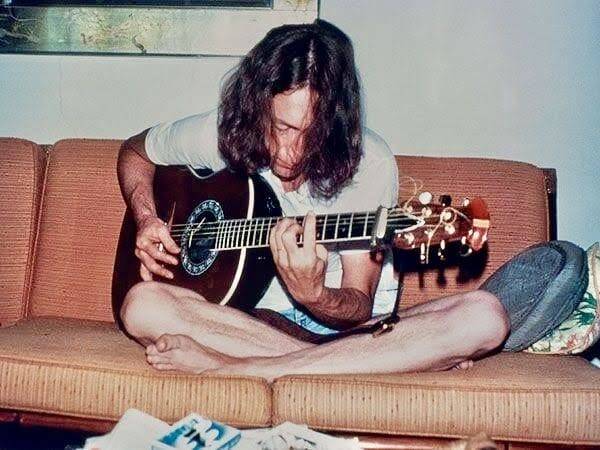
The 43-foot sloop that carried John Lennon through the storm became an enduring relic of music history. Decades after that fateful June voyage, the Megan Jaye was tracked down and lovingly restored by dedicated Beatles caretakers, preserving the very deck where Lennon’s creative voice was shaken awake by the Atlantic. For years, the vessel served as a living museum on water, a physical testament to the thin line between mortality and artistic immortality.
Though John Lennon was taken from the world just six months after docking in Bermuda, his time at the helm of the Megan Jaye remains the definitive symbol of his final chapters. It proved that his legendary spirit was never truly tamed by the quiet domesticity of New York. In the collective memory of music history, Lennon is forever frozen at the bow of that 43-foot yacht—drenched in salt spray, defiant against the gale, and singing his way back to life.
LEGGI ANCHE:
- The Beatles In Mono: il Ritorno del Suono Autentico
- “Now And Then”: esce l’ultima canzone dei Beatles
- Global Beatles Day: l’omaggio mondiale ai Beatles e al messaggio di All You Need Is Love
- Adam and.. the music! Intervista ad Adam De Lucia
- Brian Jones: The Forgotten Stone
- Il “Mago Fragile”: l’Italia e l’affascinante, tragica fine dell’era di Brian Jones nei Rolling Stones – It/Eng. Version)

Ti interessa anche questo?