
Radio Online

Adam and.. the music! Intervista ad Adam De Lucia
Oggi vi proponiamo un’intervista approfondita ad Adam De Lucia, costruita a partire dalle sue più recenti pubblicazioni del 2025, tra cui 8 Out, 96 Heartbeats Per Minute e Cycle One, lavori che mostrano una forte attenzione alla composizione concettuale, alla contaminazione stilistica e alla ricerca sonora.
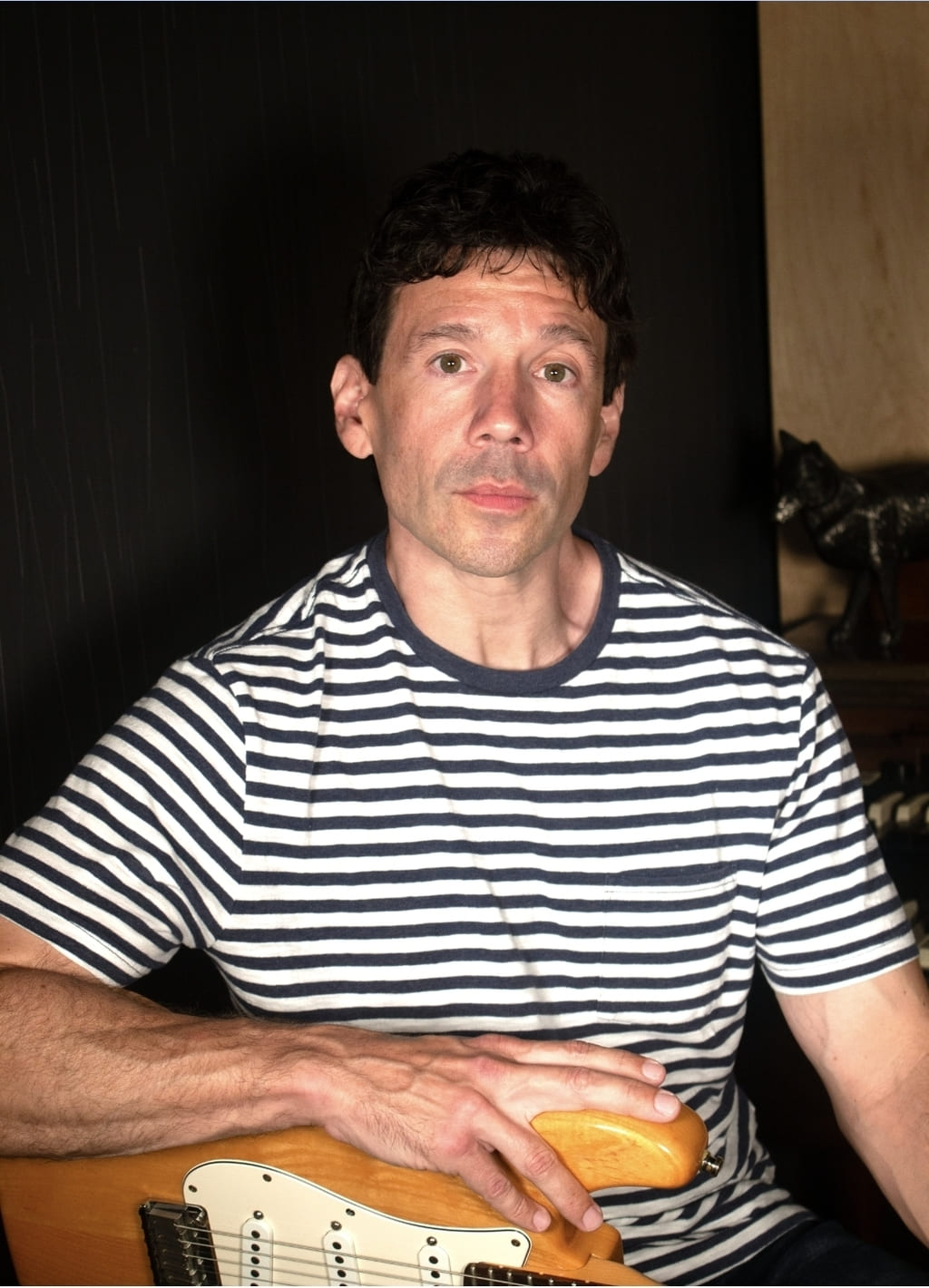
D.: Nei tuoi lavori più recenti, il concetto compositivo sembra precedere il genere musicale stesso. Quanto è importante per te partire da un’idea narrativa o filosofica prima di sviluppare una struttura jazzistica?
R.: Apprezzo il fatto che la tua osservazione dimostri una certa familiarità con il mio lavoro. Le composizioni nascono da una vera ispirazione: canto ciò che sento in una registrazione. Sebbene non si tratti di una teoria scientifica ampiamente consolidata, credo che la musica sia un linguaggio che mette radici e cresce nel cervello in modo naturale e salutare. Un buon libro sull’argomento è Language, Music, and the Brain: A Mysterious Relationship pubblicato da Strüngmann Forum Reports. Alcuni pittori e illustratori pensano attraverso immagini visive. Alcune persone pensano tramite una voce interiore, un monologo. Quando sono ispirato, io penso in musica.
Dopo aver catturato il germe di un’idea, il mio compito come compositore è svilupparne i dettagli. È l’inizio, il centro o la fine di un brano? È un ritmo, una linea di basso, una melodia o la conduzione delle voci armoniche? Con quale strumento voglio eseguirlo? Man mano che l’ispirazione lascia spazio alla comprensione della composizione e dell’arrangiamento — nella forma e nel contenuto — acquisisco una visione più chiara della genesi dell’idea.
La narrazione e la struttura di un’opera d’arte come elementi organici
Per quanto riguarda una narrazione o un concetto filosofico, la verità nell’opera d’arte ha una lunga tradizione nel parlare al mondo e all’epoca delle persone con cui condivide una cultura. In passato il mecenatismo artistico dipendeva dalle classi dominanti: nobili e clero. Nei tempi moderni, gli artisti che possono permettersi di produrre il proprio lavoro in modo indipendente sono liberi dall’imposizione delle narrazioni e delle filosofie altrui. In poche parole, sia la narrazione sia la struttura sono elementi organici. Qualsiasi convenzione di genere è incidentale. Dipende dalla mia formazione accademica, da come le mie scelte sono influenzate dalla musica che ho studiato a fondo e dalle notevoli competenze e talenti che il team porta nel disco. Non ho alcuna intenzione di conformarmi a un genere.
Adam De Lucia
D.: 8Out è nato da riflessioni sul potere e sul concetto di limite temporale dei mandati. In che modo temi politici o sociali influenzano il tuo processo creativo e il modo in cui plasmi un brano dal punto di vista sonoro?
R.: Ero una persona prima di essere un musicista. Come chiunque sia intellettualmente onesto, i temi politici e sociali fanno parte della vita quotidiana. Individuare questioni che vanno oltre la mia esperienza personale e trovare modi per tradurre quella verità nell’opera, anziché rendere l’opera un semplice accessorio della mia identità artistica, è fondamentale per ciò che faccio in musica. Da un certo punto di vista, è corretto dire che ogni mio brano ha una propria identità sonora. Io vedo progressioni e connessioni tra le canzoni che ho prodotto, ma questo può sfuggire a chi non ha accesso privilegiato al processo creativo. Prendendo 8 Out come esempio, ho utilizzato il pianoforte e otto doppi intervalli nel pre-chorus della chitarra per trasmettere una sensazione di discordia. Ho scherzato con qualcuno della band dicendo che stavo percependo una sorta di “zen alla Ty Webb” nel ritmo che avevo impostato sul delay della chitarra.
Michael Ghegan e il suo sax tenore
Si può dire che ciascun doppio intervallo corrisponda a un anno del limite di mandato presidenziale: due mandati di quattro anni. Questa tensione è poi contrastata dal rilascio emotivo dei momenti più quieti, con il synth pad e con i suoni più luminosi e l’arrangiamento del coro sintetico. Inoltre, il modo in cui Michael Ghegan ha interpretato la melodia per sax tenore che avevo scritto le conferisce una qualità molto lirica.
Adam e le sue influenze musicali
D.: Hai citato influenze che vanno da Miles Davis a Curtis Mayfield. Come trasformi queste ispirazioni in qualcosa di originale, invece di creare semplicemente un omaggio o un esercizio nostalgico?
R.: I miei amici scherzano dicendo che non sono un musicista professionista. In parte, questa definizione deriva dal fatto che non vivo di musica. Sebbene in passato abbia insegnato in alcuni studi, ho trovato un modo di vivere più coerente con il modo in cui desidero fare musica rispetto alla cultura della continua ricerca di entrate provenienti da più fonti: esibirsi come leader e sideman, registrare come leader e turnista, insegnare, vendere merchandising, percepire royalties e così via. Essere al di fuori della gig economy mi ha dato maggiore libertà, sia creativa sia finanziaria. Di conseguenza, la mia visione è piuttosto controcorrente. Poiché la musica è un linguaggio, ascolto le idee degli altri senza ossessionarmi con l’analisi e l’imitazione. Un filosofo legge il lavoro degli altri, ma non costruisce diagrammi sintattici delle frasi per comprenderlo meglio, perché ha qualcosa di proprio da dire.
Lo studio della teoria musicale
L’equivalente più vicino in filosofia è la logica simbolica, che ha poi portato all’informatica. Io non sto cercando di diventare una macchina che produce arte. Non nego di possedere un Real Book, un Charlie Parker Omnibook, di aver studiato teoria musicale e di essermi dedicato all’analisi di composizioni e assoli, comprese le trascrizioni che ho realizzato. Tuttavia, immagino di averlo fatto — e di essermici ossessionato — molto meno della maggior parte dei musicisti professionisti. Alla fine, ciò che mi interessa davvero è come la musica fa sentire. Avere una sensibilità per il linguaggio musicale nella sua dimensione viva e vernacolare è molto più utile di un approccio eccessivamente intellettualizzato.
Adam De Lucia
Come rendere accessibile un’idea teorica complessa
D.: In Cycle One hai utilizzato il circolo delle quinte come struttura compositiva, esplorando tutte le tonalità all’interno di un’unica architettura musicale. Qual è stata la sfida più grande nel rendere accessibile agli ascoltatori un’idea teorica così complessa?
R.: Innanzitutto, non ho realizzato fino in fondo l’idea originale di scrivere un brano in tutte le tonalità. Non direi che sia stato un fallimento. Semplicemente, il risultato suonava meglio con meno tonalità, e la moderazione ha impedito che un concetto forzato o artificioso prendesse il sopravvento su ciò che il brano trasmette emotivamente. I numerosi cambi di tonalità hanno rappresentato la sfida maggiore. Se il risultato è accessibile agli ascoltatori, lo si deve all’aver seguito il mio orecchio, all’aver coinvolto i musicisti giusti per registrarlo e a un ottimo tecnico del suono per il mixaggio.
Adam De Lucia: chitarrista, compositore e produttore musicale
D.: Oltre a essere chitarrista e compositore, sei profondamente coinvolto nella produzione dei tuoi progetti. In che misura il lavoro in studio è diventato una parte essenziale della tua identità artistica?
Leggi anche: Intervista a Francesca Tandoi: La Regina del Jazz Contemporaneo
R.: In realtà è praticamente tutto ciò che faccio. Non è così strano come può sembrare se si considera che alcune delle band di maggior successo della storia hanno trascorso lunghi periodi lavorando quasi esclusivamente in studio. Penso, ad esempio, agli Steely Dan durante gran parte della loro fase di massimo successo tra il 1972 e il 1980, o ai Beatles negli ultimi anni della loro carriera come gruppo.
Adam De Lucia
I musicisti con cui ha lavorato
D.: Le tue registrazioni recenti coinvolgono musicisti provenienti da background molto diversi. Quando scegli i collaboratori, cerchi una compatibilità stilistica oppure personalità capaci di mettere in discussione le tue idee?
R.: Quasi tutte le persone con cui lavoro provengono dalla scena del 55 Bar di New York. In origine frequentavo regolarmente quel locale per ascoltare il trio di Wayne Krantz, ed è così che ho conosciuto Tim Lefebvre. Lì ho visto anche i Rudder e il Chris Tarry Group, oltre ad altri gruppi in diversi locali. In quel periodo ho conosciuto Henry Hey grazie al suo lavoro con entrambe le formazioni.Chris mi ha presentato Jordan Perlson intorno al 2010. Henry mi ha presentato Chrissi Poland nel 2024 e, nello stesso anno, Tim mi ha fatto conoscere Donny McCaslin. La maggior parte dei musicisti della band sono dei veri camaleonti musicali con una formazione jazzistica. Possono suonare qualsiasi cosa e spesso lo fanno. Inoltre, molti di loro collaborano da anni, il che aiuta sicuramente sul piano della compatibilità stilistica.
No Mistery dei Return To Forever
Ho ascoltato No Mystery dei Return to Forever intorno al 1997 e per me è stato un momento rivelatore che ha spalancato le porte della jazz fusion. Mi sono innamorato, tra molti altri generi e periodi, del suono di Miles Davis tra il 1969 e il 1975, della Mahavishnu Orchestra, dei Weather Report e degli stessi Return to Forever. Quando ho ascoltato per la prima volta i musicisti con cui collaboro oggi, mi è sembrato il naturale proseguimento della musica che mi aveva fatto appassionare fin dall’inizio.
La continua evoluzione della musica jazz
D.: Il jazz contemporaneo è in continua evoluzione e dialoga sempre più con altri linguaggi musicali. Come bilanci la ricerca artistica con il desiderio di raggiungere un pubblico più ampio?
R.: La definizione più vicina a ciò che faccio nell’industria musicale è probabilmente la jazz fusion, che resta un genere di nicchia. Non mi aspetto di raggiungere un pubblico vasto. Credo fermamente nel dare priorità all’autenticità, che per me significa fare musica senza alcuna motivazione esterna. Non mi interessa usare la musica come mezzo per ottenere qualcos’altro. Esplorare le mie idee e verificare fino a che punto riesco a realizzarle con il massimo livello qualitativo possibile è il mio unico criterio di successo. Tutto ciò che arriva dopo è un bonus.
D.: Dopo queste pubblicazioni recenti, caratterizzate da una forte componente concettuale e sperimentale, quali territori musicali ti interessano maggiormente per il futuro?
R.: Nel breve e medio termine vorrei esplorare maggiormente l’interazione tra improvvisazione collettiva e dinamiche di gruppo, riunendo le persone giuste nella stessa stanza e nello stesso momento.
Grazie Adam…e buona Musica!!!
Adam… and the Music!
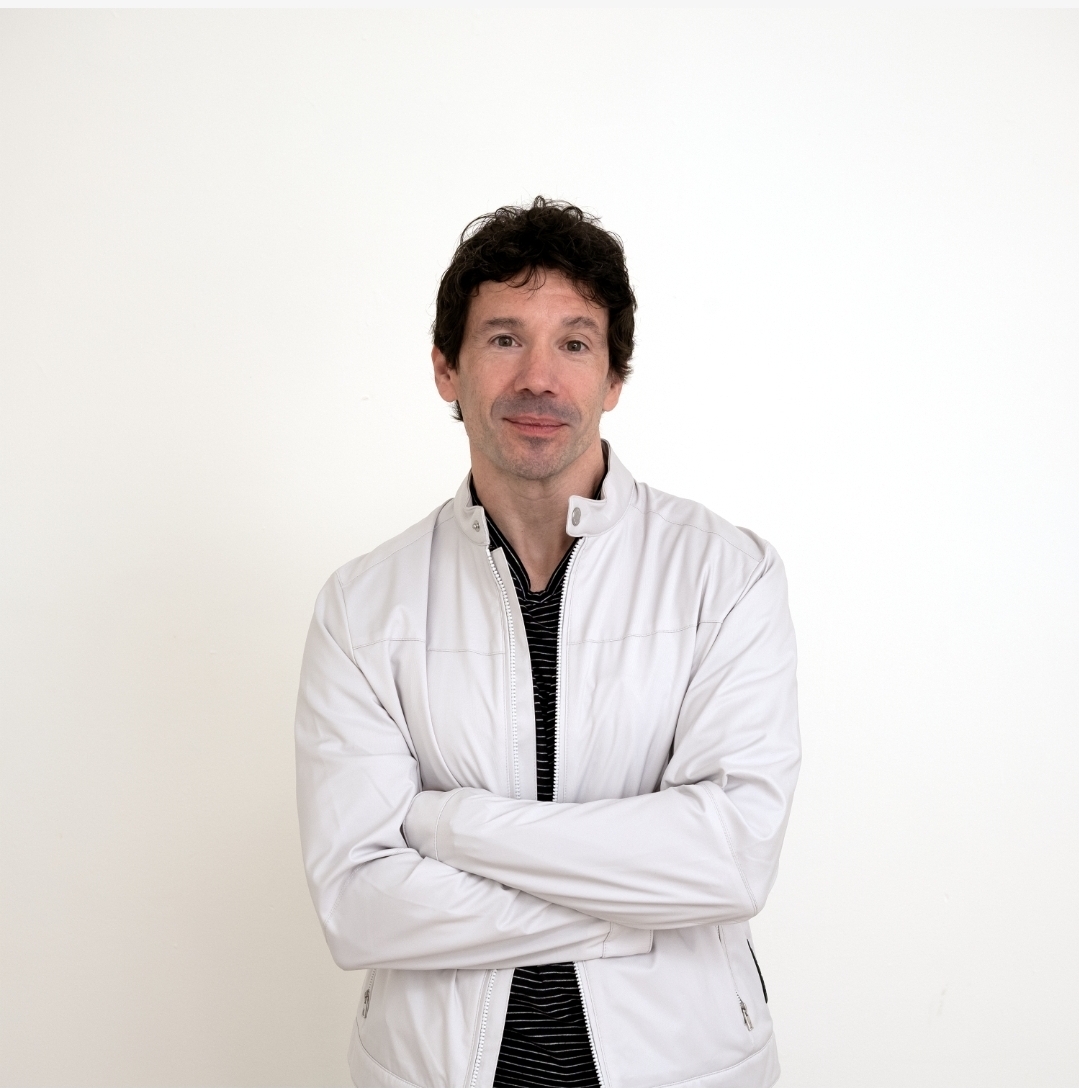
Today we offer you an in-depth interview with Adam De Lucia, built on his most recent releases from 2025, including 8 Out, 96 Heartbeats Per Minute and Cycle One, works that show a strong focus on conceptual composition, stylistic contamination and sonic research.
Adam De Lucia
Adam De Lucia: the Interview
Q.: In your most recent works, the compositional concept seems to come before the musical genre itself. How important is it for you to begin with a narrative or philosophical idea before developing a jazz structure?
Leggi anche: Francesca Tandoi ed il suo jazz: SongBook Vol.1 – Intervista
A.: I appreciate how your observation demonstrates a familiarity with my body of work. The compositions begin with true inspiration: I sing what I hear into a recording. Although this is not a well-established scientific theory, I believe music is a language that takes root and grows in the brain, which is healthy and natural. A good book on the subject is Language, Music, and the Brain: A Mysterious Relationship by Strüngmann Forum Reports. Some painters and illustrators think in visual images. Some people think in an inner voice, or monologue.
The ins;piration for his music
When I’m inspired I think music. After capturing the germ of an idea, my job as a composer is to flesh out the details. Is it the beginning, the middle, or the end of a song? Is it a beat, a bass line, a melody, or voice leading for a harmony? What instrument do I want to play it? As inspiration gives way to an understanding of the composition and arrangement—in form and content—I have insight into the genesis of the idea.
The narrative and the structure of an art opera as organic elements
Regarding a narrative or philosophical idea, truth in the work of art has a rich history of speaking to the world and times of the people it shares culture with. In the distant past, art patronage depended on the ruling class: nobles and clergy. In modern times, artists who can afford to produce their work independently are free from the imposition of others’ narratives and philosophies on their work. Simply put, both the narrative and the structure are organic. Any genre convention is incidental. It is based on my formal education, how my choices are informed by what I discerned from the music I delved into, and the significant skills and talents the team brings to the record. I have no intention of conforming to genre.
Adam De Lucia
The influence of political and social themes
Q.: 8 Out was inspired by reflections on power and the concept of time limits. How do political or social themes influence your creative process and the way you shape a piece sonically?
A.: I was a person before I was a musician. Like anyone who is intellectually honest, political and social themes are a part of everyday life. Identifying themes that are larger than my own life and finding ways to create that truth in the work rather than make the work incidental to my artistic identity is vital to what I do in music. From one point of view, it is fair to say that each song of mine has a different sonic. I see progressions and connections among the songs I’ve produced, but it can be lost on someone without my privileged access to the creative process.
Using “8 Out” as one example, I used the piano forte and eight double stops in the pre-chorus on guitar to convey a sense of discord. I joked with someone in the band that I was feeling the Ty Webb zen with the rhythm I set there on the guitar delay. You can say each double stop corresponds to a year in the presidential term limit: two four-year terms. That tension is contrasted with the release of the quiet moments with the synth pad, and the uplifting sounds and arrangement of the choir pad. The way Michael Ghegan played the tenor sax melody I wrote sounds lyrical.
Adam De Lucia
Adam De Lucia and his musical influences
Q.: You have cited influences ranging from Miles Davis to Curtis Mayfield. How do you transform these inspirations into something original rather than simply creating homage or nostalgia?
A.: My friends tease me that I’m not a professional musician. Some of that is the logical conclusion of not earning my living from music. Although I used to teach at a couple of studios, I found a way of existing that is more conducive to how I want to make music than the hustle culture of having multiple revenue streams from performing as a leader and sideman, recording as a leader and session player, teaching, selling merchandise, any royalties, and other opportunities. Being outside the gig economy has brought me more freedom, both creatively and financially. Apropos, my view is somewhat contrarian. Because music is a language, I listen to others’ ideas without obsessing over analysis and imitation. A philosopher reads others’ work, but does not create sentence diagrams in order to understand the work better because they have their own thing to say.
Leggi anche: “The Art of Devotion – Interpretation”: la musica come linguaggio universale nell’International Jazz Day 2026
The closest equivalent in philosophy is symbolic logic, which led to computing. I’m not looking to become an art making machine. I don’t deny owning a real book, a Charlie Parker omnibook, studying music theory, and delving into the analysis of compositions and solos, including what transcribing I’ve done. However, I assume I’ve done it—and obsessed over it—way less than most professional musicians. I’m ultimately interested in how music feels. Having a feel for the vernacular of the musical language is more constructive to that end than intellectualizing it.
How to make accessible for the listeners a very complex idea
Q.: In Cycle One, you used the circle of fifths as a compositional framework, exploring every key within a single musical architecture. What was the greatest challenge in making such a complex theoretical idea accessible to listeners?
A.: First, I did not realize the original idea of writing a song in every key. I would not say I failed. Instead, it sounded better in fewer keys, and restraint prevented a forced or contrived concept from overshadowing how the song feels. The considerable key changes were the greatest challenge. To the extent that it is accessible to listeners, it resulted from trusting my ears, getting the right players to record it, and a great engineer to mix it.
Q.: Beyond being a guitarist and composer, you are deeply involved in producing your own projects. To what extent has studio work become an essential part of your artistic identity?
A.: It’s really all I do. It’s not as strange as it sounds when you remember that some of the most successful bands in history went long stretches as a studio band; for example, Steely Dan for most of their initial success from 1972 – 1980, and the Beatles later in their career as a group.
Adam De Lucia: the musicians he worked with
Q.: Your recent recordings feature musicians from diverse musical backgrounds. When choosing collaborators, do you look for stylistic compatibility or for personalities capable of challenging your ideas?
A.: Almost everyone I work with is from the 55 Bar scene in NYC. Originally, I went there regularly to see the Wayne Krantz trio, which is how I got to know Tim Lefebvre. I also saw Rudder and the Chris Tarry Group there, besides other venues. I got to know Henry Hey at that time from his work with both bands. Chris introduced me to Jordan Perlson around 2010. Henry introduced me to Chrissi Poland in 2024, and, in the same year, Tim introduced me to Donny McCaslin. Most of the people in the band are musical chameleons with jazz backgrounds. They can and often do play anything.
Also, many of them have a long history of working together, which certainly helps with stylistic compatibility.I heard No Mystery by Return To Forever around 1997, which blew the door open on jazz fusion for me. Among other genres, bands, and recording periods, I fell in love with how the music sounded by Miles Davis from 1969 – 1975, Mahavishnu Orchestra, Weather Report, and RTF. When I first heard the people I play with now, it felt like the natural extension of the music that got me interested to begin with.
The continue evolution of jazz music
Q.: Contemporary jazz is constantly evolving and increasingly interacts with other musical languages. How do you balance artistic exploration with the desire to reach a broader audience?
A.: The closest fit in the music industry to what I do is jazz fusion, which is a niche genre. I don’t expect to reach a broad audience. I believe strongly in prioritizing authenticity, which, for me, means making music without any extrinsic motivation. I’m not interested in using music to accomplish something else. Exploring my ideas and seeing what I have in me to produce them at the highest quality I’m capable of is my only measure of success. Anything after that is a bonus.
Q.: After these recent releases, marked by strong conceptual and experimental elements, what musical territories are you most interested in exploring in the years ahead?
A.: In the near to midterm, I would like to explore the interplay of group improvisation by getting the right people in the same room at the same time.
Thank You Adam…and good music!!!
Altro per te
 jazz
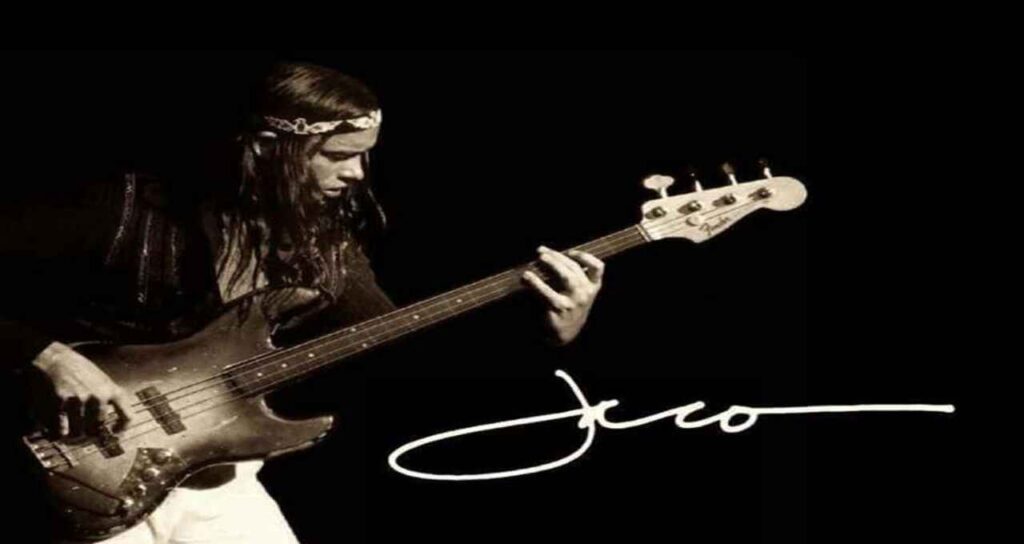
jazzJaco Pastorius: oltre il confine delle quattro corde
Il 21 settembre 1987 moriva Jaco Pastorius. Aveva 35 anni. Quasi quattro decenni dopo, il suo nome continua a vivere ogni volta che un…
 Jordan Rakei annuncia “A Safe Place To Be Wild”: nuovo album, singolo e tour nel 2027
 Intervista a Denise Donatelli: «Questo album è un inno alla vita»
 Mattia Basilico Quartet pubblica WHAT’S NEXT: la tradizione del jazz incontra il futuro
 Festival Jazz Monte Mario – Massimo Urbani: grande successo per la settima edizione
 Festival del Jazz Monte Mario “Massimo Urbani” – Settima Edizione
Su eBay: Adam de

La Halle (Adam de ) Jean Gradassi Le jeu de la feuillée Monte-Carlo, Le Parnasse
Confronta il prezzo su
Vedi il prezzo su eBay


Le Livre d' Adam ou Code de Nazaréen. Présentation de Fabrice Bardeau 1980
Confronta il prezzo su
Vedi il prezzo su eBay


Link affiliati: se acquisti, BACKdigit riceve una piccola commissione senza costi per te.