

In occasione dell’uscita del suo nuovo album Take My Breath Away, la cantante jazz americana Denise Donatelli si racconta in un’intervista esclusiva. Dalla lunga collaborazione con il pianista e produttore Geoffrey Keezer alla battaglia contro il cancro affrontata durante la realizzazione del disco, fino al valore dell’improvvisazione e dell’ascolto, emerge il ritratto di un’artista che continua a fare della musica un autentico atto d’amore e di condivisione.
Intervista a Denise Donatelli
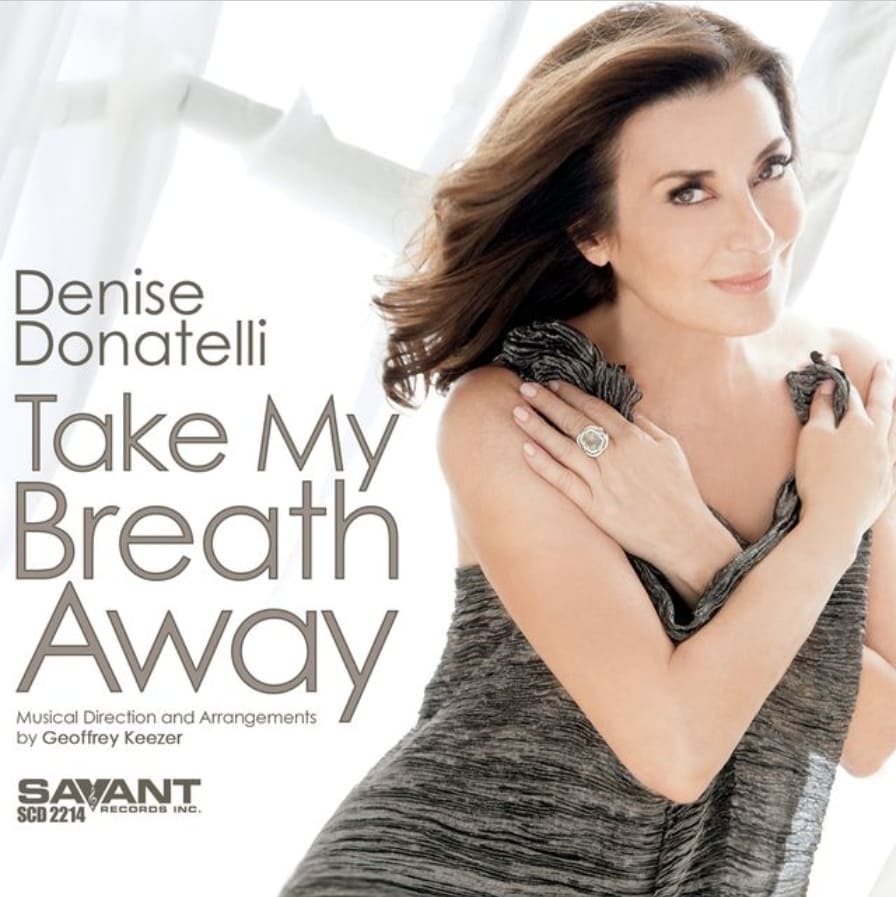
D.: Ogni nuovo progetto musicale rappresenta la fotografia di un momento preciso della vita di un artista. Quale parte del tuo percorso personale e artistico rivela questo nuovo lavoro e cosa senti di aver lasciato emergere attraverso la musica, questa volta?
R.: Geoffrey Keezer, pianista e produttore vincitore del Grammy Award, e io avevamo registrato le basi di questo album nel 2024 a Brooklyn, New York. Al mio ritorno a Los Angeles, però, mi è stato diagnosticato un tumore al seno. Il progetto è stato inevitabilmente sospeso mentre affrontavo i cicli di chemioterapia e radioterapia. Fortunatamente oggi sono libera dalla malattia. Geoffrey è poi venuto a Los Angeles e abbiamo finalmente completato il disco, con un profondo senso di sollievo, gratitudine e una rinnovata consapevolezza del valore della vita. Spero che tutto questo arrivi anche a chi ascolterà questo album.
L’approccio ai brani del nuovo album

D.: Nel jazz l’interpretazione non è mai semplice esecuzione, ma ricerca personale e scoperta. Quali domande interiori hanno guidato il tuo approccio ai brani e al loro racconto?
R.: Ho sempre scelto di incidere canzoni che mi colpissero sia musicalmente sia dal punto di vista del testo: brani che raccontano l’amore, la perdita e, soprattutto, il desiderio di vivere la vita pienamente. La scelta del repertorio è stata un vero lavoro di squadra. Geoffrey mi ha proposto di registrare Go di Philip Bailey: ho amato subito la sua atmosfera e il testo. È stato sempre lui a suggerire Brazilian Love Affair di George Duke, perché aveva già in mente un arrangiamento. Credo che, se George fosse ancora tra noi e potesse ascoltarlo, ne sarebbe davvero felice.
Desideravo inoltre registrare un brano di James Taylor, di cui sono una grande ammiratrice, e abbiamo scelto You and I Again. Diversi anni fa il mio amico, il pianista Larry Goldings, mi regalò lo spartito di Summer’s Gone Again, scritto insieme a David Bateau. È una melodia splendida, accompagnata da un testo molto intenso. La title track, Take My Breath Away, è invece composta dal pianista e compositore newyorkese Donald Brown. L’ho conosciuto molti anni fa durante un’altra registrazione a New York e mi aveva regalato lo spartito del brano. L’ho custodito per tanto tempo e sono felice di aver finalmente potuto registrare questa bellissima composizione.
Denise Donatelli: il silenzio, l’improvvisazione e la libertà espressiva
D.: La tua voce si è sempre distinta per l’attenzione al timbro, al fraseggio e allo spazio tra le note. Come si è evoluto negli anni il tuo rapporto con il silenzio, l’improvvisazione e la libertà espressiva?
R.: Continuo a credere che “less is more”, ovvero che “meno è meglio”. Ritengo importante interpretare un brano rispettando l’intenzione del compositore, almeno nel primo chorus, e raccontare il testo nel modo in cui il paroliere lo ha immaginato, così da riuscire davvero a toccare l’ascoltatore. Da bambina vivevamo nella periferia di Allentown, in Pennsylvania, e non avevo il classico quartiere pieno di altri bambini con cui giocare. Per fortuna mia sorella maggiore era iscritta al Capitol Music Club e in casa arrivò una straordinaria collezione di dischi jazz. Così trascorrevo ore ad ascoltare Nancy Wilson, Frank Sinatra, Ella Fitzgerald e Sarah Vaughan. Se devo rispondere alla tua domanda sul silenzio, il fraseggio e l’improvvisazione, credo di poter dire semplicemente che sono stata educata dai migliori.
Denise Donatelli: i brani famosi contenuti nell’album
D.: Il jazz vive di dialogo: tra musicisti, tra passato e presente, tra tradizione e innovazione. Quali riferimenti, influenze o incontri musicali hanno alimentato questo progetto?
R.: Questo disco raccoglie composizioni di grandi autori contemporanei come George Duke, Donald Brown, Nathan East, Stevie Wonder, James Taylor ed Eliane Elias. Ho sempre amato Brazilian Love Affair di George Duke e, quando si realizza un progetto come questo, credo che registrare anche un brano di Jobim sia quasi un passaggio obbligato. Gli unici standard jazz presenti nel disco sono How Little We Know e How Deep Is the Ocean, quest’ultimo registrato praticamente all’ultimo momento: Geoffrey e io lo abbiamo inciso in un’unica take.
L’arrangiamento jazzistico
D.: Ogni arrangiamento jazzistico racconta una precisa scelta estetica e narrativa. Quanto è stato importante costruire un suono collettivo capace di valorizzare non solo la tua voce, ma anche la personalità dei musicisti coinvolti?
Leggi anche: Intervista a Francesca Tandoi: La Regina del Jazz Contemporaneo
R.: È stato fondamentale creare un’identità sonora coerente che rispecchiasse gli arrangiamenti di Geoffrey Keezer. Geoffrey aveva già lavorato con tutti i musicisti invitati a partecipare al disco e conosceva perfettamente il loro straordinario talento e le loro qualità artistiche. Questo ha reso il lavoro estremamente naturale.
D.: In un panorama musicale dominato dall’immediatezza e dalla velocità, il jazz continua a difendere il valore della profondità e dell’ascolto. Quale pensi sia oggi il ruolo di un artista jazz nel creare un rapporto autentico con il pubblico?
R.: Credo che gli artisti jazz siano dei costruttori di ponti culturali. Attraverso l’improvvisazione riescono a creare momenti autentici e irripetibili. Penso inoltre che il pubblico ami ascoltare canzoni che già conosce, ma reinterpretate con una prospettiva diversa, con quella sensibilità e quella libertà espressiva che solo un musicista jazz può offrire.
La brillante carriera di Denise Donatelli

D.: Guardando alla tua carriera, quali aspetti della Denise Donatelli degli inizi ritrovi ancora oggi e quali senti invece completamente trasformati?
R.: Amo ancora cantare. Amo la musica. Amo registrare e salire sul palco. La musica fa parte della mia vita fin da quando ero bambina. Ho iniziato a studiare pianoforte a tre anni, dopo che mia madre mi sentì riprodurre a orecchio alcune melodie sul pianoforte di casa. La mia formazione è stata rigorosamente classica: Bach, Chopin, Beethoven, Grieg, Rachmaninov e molti altri compositori. Ho inoltre ricevuto, per tre anni consecutivi, il massimo riconoscimento nelle competizioni pianistiche della National Federation of Music Clubs. La differenza rispetto ad allora? Oggi non mi lascio più sopraffare dalle piccole cose.
D.: Se questo nuovo album fosse un viaggio, quale emozione vorresti lasciare all’ascoltatore dopo l’ultima nota? E quale significato personale rappresenta questo capitolo del tuo percorso artistico?
R.:: L’amore. E la gratitudine per la vita.
Grazie e…Buona Musica!!!
Interview with Denise Donatelli “Music Has Taught Me Gratitude. This Album Is a Celebration of Life”

On the occasion of the release of her new album Take My Breath Away, acclaimed jazz vocalist Denise Donatelli opens up in this exclusive interview. From her collaboration with Grammy-winning pianist and producer Geoffrey Keezer to the breast cancer diagnosis that interrupted the recording sessions, she reflects on resilience, artistic growth, and the enduring power of jazz to create genuine human connections.
Leggi anche: Francesca Tandoi ed il suo jazz: SongBook Vol.1 – Intervista
Q.: Every new musical project seems to be a snapshot of a specific moment in an artist’s life. What part of your personal and artistic journey does this new work reveal, and what do you feel you have allowed to emerge through the music this time?
A.: Grammy-winning pianist and producer Geoffrey Keezer and I recorded the tracks for this album in 2024 in Brooklyn, New York. When I returned home to Los Angeles, I was diagnosed with breast cancer. The project was put on hold while I underwent chemotherapy and radiation treatments.
Thankfully, I am now cancer-free. Geoffrey later came to Los Angeles, where we completed the recording with an overwhelming sense of relief, gratitude, and a renewed appreciation for life. I hope listeners will feel those emotions throughout this album.
Denise Donatelli: the approach to the songs of the new album
Q.: In jazz, interpretation is never just about execution, but about personal research and discovery. In this new release, what inner questions guided the way you approached the songs and their storytelling?
A.: I have always chosen songs that appeal to me both musically and lyrically—songs about love, loss and, above all, living life to the fullest. Selecting the repertoire was a collaborative effort. Geoffrey suggested recording Philip Bailey’s Go, and I immediately loved its atmosphere and lyrics. He also proposed George Duke’s Brazilian Love Affair, already envisioning a special arrangement for it. I think George would truly appreciate what we created if he could hear it today.
I also wanted to include a James Taylor song because I’ve always been a huge admirer of his music, so we chose You and I Again. Several years ago my friend, pianist Larry Goldings, gave me the sheet music for Summer’s Gone Again, which he wrote with David Bateau. It has a beautiful melody and deeply moving lyrics. The title track, Take My Breath Away, was written by New York pianist and composer Donald Brown. I met Donald many years ago while recording another project in New York, and he gave me the sheet music. I’ve treasured it ever since, and I’m delighted that I’ve finally had the chance to record this beautiful composition.
Silence, improvisation and expressive freedom
Q.: Your voice has always been distinguished by remarkable attention to tone, phrasing and the space between notes. Over the years, how has your relationship with silence, improvisation and expressive freedom evolved?
A.: I still believe that “less is more.” I think it’s important to honor the composer’s intentions, especially during the first chorus, while telling the lyricist’s story in a way that genuinely reaches the listener. When I was growing up on the outskirts of Allentown, Pennsylvania, I didn’t have the typical neighborhood full of children. Fortunately, my older sister belonged to the Capitol Music Club, and our home filled with an extraordinary jazz record collection. I spent countless hours listening to Nancy Wilson, Frank Sinatra, Ella Fitzgerald and Sarah Vaughan. So, when it comes to silence, phrasing and improvisation, I suppose you could say I learned from the very best.
The famous songs included in the new album

Q.: Jazz is built on dialogue: between musicians, between past and present, between tradition and innovation. Which references, influences or musical encounters have most nourished this new project?
Leggi anche: “The Art of Devotion – Interpretation”: la musica come linguaggio universale nell’International Jazz Day 2026
A.: This album features music written by outstanding contemporary composers and songwriters, including George Duke, Donald Brown, Nathan East, Stevie Wonder, James Taylor and Eliane Elias. I’ve always loved George Duke’s Brazilian Love Affair, and recording a Jobim composition felt almost essential. The only jazz standards on the album are How Little We Know and How Deep Is the Ocean, the latter recorded at the very last minute in a single take by Geoffrey and me.
Q.: Every jazz arrangement carries an aesthetic and narrative choice. How important was it to create a collective sound capable of highlighting not only your voice but also the unique identity of the musicians involved?
A.: It was essential for us to create a consistent sound that reflected Geoffrey Keezer’s arrangements. Since Geoffrey had already performed with every musician we invited to the recording, he knew exactly how exceptional each of them was, both artistically and musically.
Q.: In today’s musical landscape, where immediacy and speed often prevail, jazz continues to defend the value of depth and attentive listening. What do you believe is the role of a jazz artist today in creating authentic connections with an audience?
A.: I believe jazz artists are cultural bridge builders. Through improvisation they create authentic, unrepeatable musical moments. I also think audiences enjoy hearing familiar songs presented from a different perspective, with the sensitivity and freedom that only jazz can offer.
The brilliant carrer of Denise Donatelli
Q.: Looking back at your career, which aspects of the Denise Donatelli of your early years do you still recognize in this new phase, and which ones do you feel have been completely transformed?
A.: I still love singing. I still love music. I still love recording and performing. Music has been part of my life since childhood. I began piano lessons at the age of three after my mother heard me playing familiar melodies by ear on our piano. My early musical education was entirely classical, studying Bach, Chopin, Beethoven, Grieg, Rachmaninoff and many others. I also received Superior ratings for three consecutive years in the National Federation of Music Clubs piano competitions. What’s changed? I no longer sweat the small stuff.
Q.: If this new album were a journey, what emotion would you like to leave with the listener after the final note? And what personal meaning does this chapter of your artistic path hold for you?
A.: Love. Gratitude for life.
Thank You and…Good Music!!!
Altro per te
 ambient
Max Richter presenta “While The Flood Rages”, il nuovo album nato dalla collaborazione con Wayne McGregor
Il nuovo album di Max Richter, "While The Flood Rages", arriva come una delle opere più significative della sua carriera recente, unendo elettronica, orchestrazione…
 John 5 annuncia la collaborazione con Wednesday 13
 DYSTINCT torna con “MANSORY”: la nuova collaborazione con MORAD che accende il 2026.
 Piano City Milano 2026: il pianoforte ridisegna la città tra visioni globali e radici sonore
 BRIAN ENO + BEATIE WOLFE ANNUNCIANO GLI ALBUM IN COLLABORAZIONE LUMINAL & LATERAL
 Snoop Dogg e Dr. Dre: il nuovo album Missionary celebra 30 anni di collaborazione iconica e ridefinisce l’hip-hop
 “Bad Angel”: la nuova collaborazione di Anyma e LISA
 Carlos Santana: Torna con “Me Retiro”, Una Collaborazione Sorprendente e un Tour Mondiale da Non Perdere!
Su eBay: Denise donatelli


![Denise Donatelli Find a Heart [CD] New prezzo ebay](https://i.ebayimg.com/images/g/IFIAAOSw6DBm9xxS/s-l500.jpg)

![Denise Donatelli - Take My Breath Away [New CD] prezzo ebay](https://i.ebayimg.com/images/g/VqgAAeSwOjlqf~r8/s-l500.jpg)
Link affiliati: se acquisti, BACKdigit riceve una piccola commissione senza costi per te.

Altri articoli su pianoforte
- Great Women Composers: il vinile Blue Version che celebra le grandi compositrici24 Lug
- Mattia Basilico Quartet pubblica WHAT’S NEXT: la tradizione del jazz incontra il futuro9 Lug
- Quando Mozart incontra il futuro: una serata di talento, passione e crescita musicale27 Giu