Radio Online

Luce bianca, Magia oscura: l’eco culturale dei Velvet Underground
I Velvet Underground sono spesso citati come il modello per la musica alternativa moderna. Sebbene non abbiano riscosso quasi alcun successo commerciale durante gli anni della loro attività negli anni ’60, il loro impatto sulle generazioni successive è stato così profondo che il New York Times li ha definiti “probabilmente la rock band americana più influente del nostro tempo”.
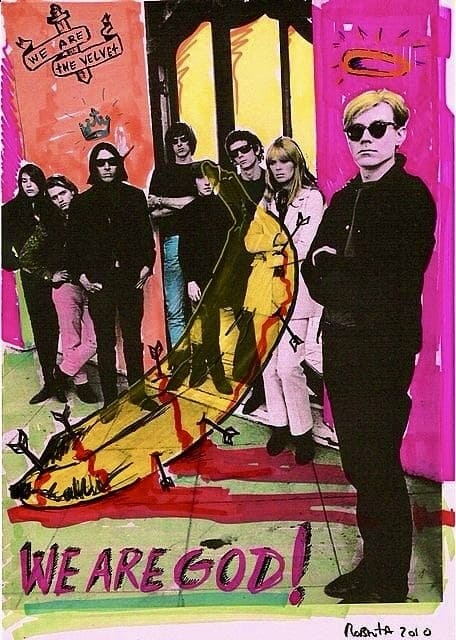
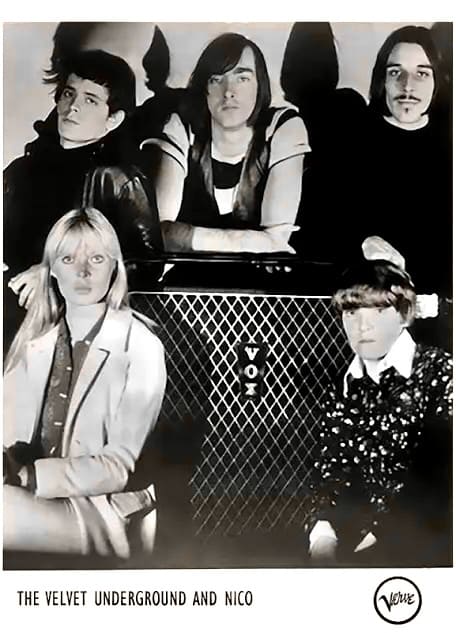
La loro influenza è riassunta al meglio da una citazione di Brian Eno. “Il primo album dei Velvet Underground ha venduto solo 30.000 copie, ma tutti coloro che ne hanno acquistata una hanno formato una band”. Innumerevoli artisti iconici hanno esplicitamente riconosciuto i Velvet Underground come una delle loro principali influenze. Vediamo quali…
David Bowie e i Velvet Underground
I Velvet Underground hanno influenzato profondamente Bowie, con il loro stile di scrittura crudo, d’avanguardia e teatrale, ispirandolo ad abbracciare temi più oscuri e autentici e, come Lou Reed, a concentrarsi sugli aspetti più oscuri della vita urbana, come la droga e la sessualità. Influenzando direttamente le esplorazioni di Bowie su temi simili. Gli hanno inoltre fornito una sorta di mappa per la camaleontica reinvenzione artistica che avrebbe perfezionato nel corso della sua carriera. Utilizzando molteplici alter ego, come Ziggy Stardust, Aladdin Zane e The Thin White Duke, ecc.
R.E.M.: il modello artistico del gruppo
I Velvet Underground sono stati un modello artistico fondamentale per il sound iniziale dei R.E.M., con la band che spesso eseguiva cover dei Velvet Underground. Michael Stipe incarnava l’approccio lirico poetico, grintoso e spesso distaccato di Lou. Poche band hanno avuto un ruolo più cruciale nell’amplificare il lavoro dei Velvet Underground come i R.E.M. Registravano o eseguivano cover di “There She Goes Again”, “Pale Blue Eyes”, “After Hours” e “Femme Fatale”, introducendo così la prima generazione di rocker indie all’oscurità lussureggiante dei Velvet Underground.
Le cover dei Nirvana
Nirvana: Sono stati influenzati dalla fusione dei Velvet Underground tra una scrittura cruda e poetica e la sperimentazione basata sul rumore, ispirando direttamente il suono grunge “forte-silenzioso” dei Nirvana. Kurt Cobain una volta ha commentato in un’intervista che Lou Reed e i Velvet Underground erano tra le sue band preferite. Tra gli omaggi musicali diretti dei Nirvana si annovera la cover di “Here She Comes Again” dei Velvet Underground del 1990. Pubblicata su un singolo split con la cover di “Venus in Furs” dei Melvins. Alcuni sostengono che la cover abbia influenzato direttamente la creazione di “Sliver” dei Nirvana. Questo poiché entrambi i brani sperimentano una specifica dinamica di percussioni a pedale durante il ritornello, mantenendo quell’intensità.
Lou Reed e Kurt Cobain: le loro melodie
Sia Lou Reed che Kurt Cobain erano maestri nello scrivere melodie pop estremamente orecchiabili, per poi seppellirle sotto strati di distorsione primitiva e aggressiva. Mentre l’approccio senza remore di Lou nello scrivere di alienazione e cultura della droga ha spianato la strada allo stile lirico introspettivo e spesso crudo di Kurt Cobain, i Velvet Underground hanno creato il punto di partenza per i movimenti indie e punk,. Kurt e i Nirvana hanno portato quel messaggio alle masse.
Le sonorità sperimentali dei Sonic Youth
Sonic Youth: Utilizzavano rumori d’avanguardia, accordature di chitarra non convenzionali e una cruda poesia urbana, con spirito punk. Costruivano sull’uso della dissonanza da feedback e delle sonorità chitarristiche sperimentali dei Velvet Underground. Kurt Cobain, tra gli altri, nutriva un profondo rispetto per i Sonic Youth, per aver ripreso l’uso di accordature alternative e rumori dei Velvet Underground e averlo applicato con successo alla scena indie degli anni ’80/’90. I Joy Division hanno offerto una visione per combinare testi oscuri, poetici e trasgressivi con un suono rock minimalista e d’avanguardia, mutuato dai Velvet Underground. Che a loro volta influenzarono i temi lirici di Ian Curtis e lo stile musicale atmosferico dei Joy Division.
La sperimentazione dei Radiohead
La transizione dei Radiohead dal rock tradizionale a pionieri sperimentali rispecchia la traiettoria dei Velvet Underground. I quali utilizzavano l’intellettualismo delle scuole d’arte per decostruire i confini della musica popolare. I Radiohead hanno adottato l’uso di droni sostenuti e ritmi ipnotici ripetitivi dei Velvet Underground per creare un senso di claustrofobia e una tensione atmosferica inquietante. Proprio come John Cale dei Velvet Underground usava la viola elettrica per creare “paesaggi sonori” dissonanti, Jonny Greenwood utilizza strumenti non tradizionali e sintetizzatori modulari per seppellire melodie pop sotto strati di suoni d’avanguardia.
Mentre la scrittura di Thom Yorke riecheggia spesso i temi di Lou Reed, come l’isolamento e la sensazione di essere un outsider in un mondo dominato dalla tecnologia. Entrambe le band, Radiohead e Velvet Underground, si sono allontanate dai “suoni adatti alla radio” all’apice della loro fama. Per perseguire un’arte impegnativa e non commerciale, dimostrando che una band può rimanere influente senza assecondare il mainstream.
Pionieri di nuovi generi musicali
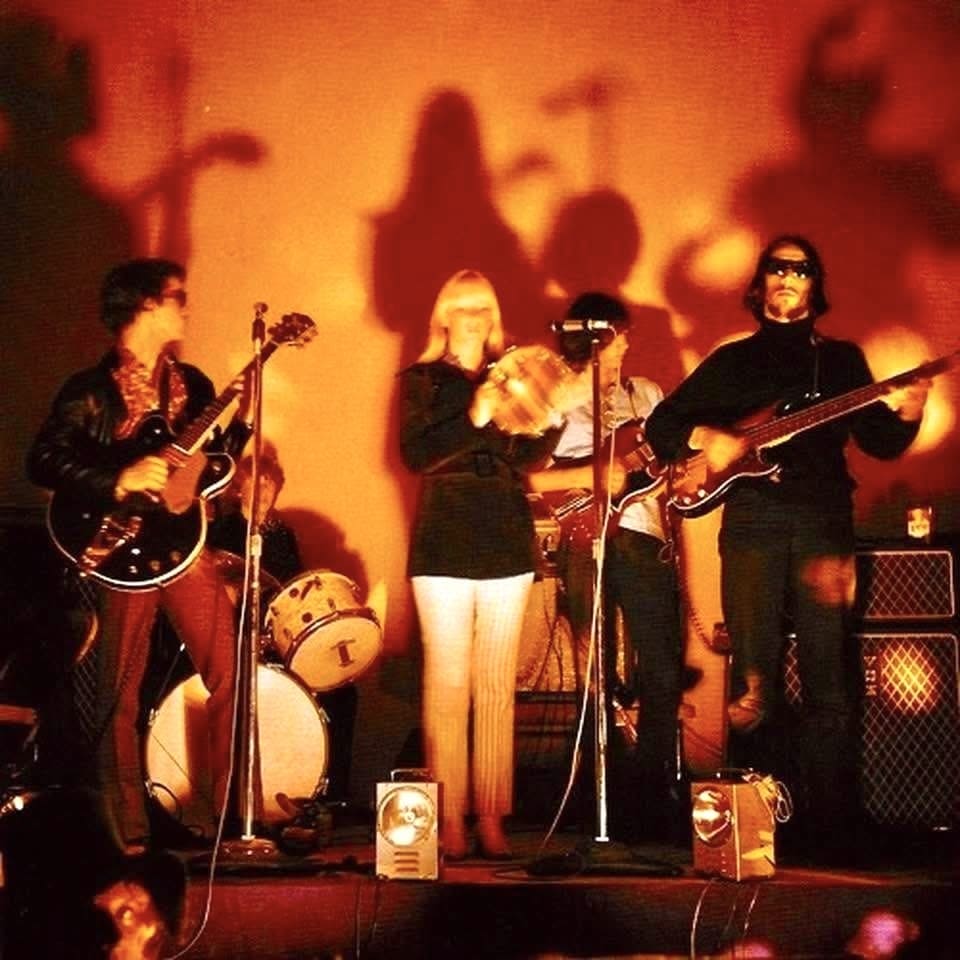
La sperimentazione dei Velvet Underground ha di fatto dato vita o anticipato diversi importanti sottogeneri del Rock.
Il punk e proto-punk
Il suono abrasivo e “anti-commerciale” dei Velvet Underground in album come “White Light/White Heat” è servito da prototipo per il genere Goth e Post-Punk.
L’atmosfera cupa “urban noir” e la voce stonata di Nico in brani come “Venus in Furs” hanno aperto la strada alla musica goth.
Shoegaze e Noise Rock
I Velvet Underground hanno introdotto l’improvvisazione prolungata e la dissonanza in stile industrial in un formato pop. Lo shoegaze è caratterizzato da un etereo “muro di suono” creato da sonorità di chitarra pesanti, distorte e riverberanti. Con voci sommesse e sussurrate che creano un’atmosfera onirica. Il noise rock, invece, è caratterizzato da un feedback di chitarra estremo e spesso distorto, da strutture musicali non convenzionali ad alto volume e dall’atonalità. Questo genere fonde il rock tradizionale con influenze sperimentali, industriali e punk per creare paesaggi sonori caotici. Tutte cose di cui i Velvet Underground sono stati pionieri.
Art Rock
Un sottogenere che eleva la musica rock da semplice intrattenimento a dichiarazione artistica, incorporando elementi di sperimentazione d’avanguardia, strutture classiche e temi intellettuali o concettuali. L’uso dell’art rock da parte dei Velvet Underground è un’integrazione di tecniche d’avanguardia, come il drone della viola di John Cale, con il rock di base. Colmando il divario tra arte “alta” e arte “bassa”.
Cambiamento lirico e culturale

I Velvet Underground hanno sostanzialmente cambiato ciò che era consentito nei testi della musica popolare. Prima di loro, la maggior parte dei testi rock si concentrava sul romanticismo. Lou Reed ha introdotto temi letterari crudi e adulti nel rock and roll. Mentre argomenti tabù vengono discussi apertamente. Con testi che parlano di uso di droghe pesanti, come nella loro canzone “Heroin”, e di devianza sessuale in “Venus in Furs”. “I’m Waiting for the Man” è un esempio lampante di come i Velvet Underground abbiano usato un realismo crudo per affrontare il tema dell’alienazione urbana.
I testi conferiscono anche una qualità poetica alla narrazione di strada in “Venus in Furs”. Che è l’esempio definitivo di come la band abbia stabilito una sensibilità letteraria nella musica rock, essendo una trasposizione musicale diretta del romanzo breve del 1870 dello scrittore austriaco Leopold von Sacher-March. L’obiettivo era quello di “portare la sensibilità del romanzo nella musica rock”. Trattando la canzone come un’opera di narrativa letteraria piuttosto che come un normale brano pop.
Identità controculturale
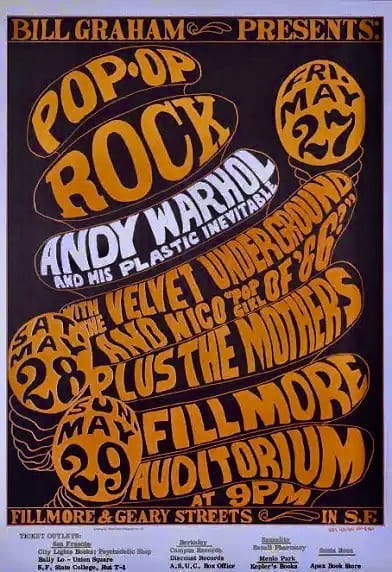
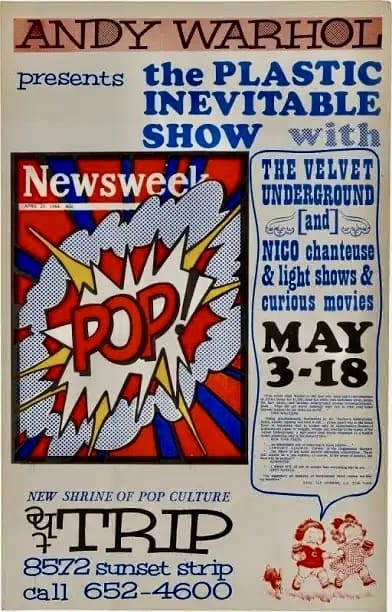
I Velvet Underground hanno consolidato la propria identità culturale principalmente grazie alla loro associazione con “Andy Warhol’s Exploding Plastic Inevitable”. Uno spettacolo multimediale itinerante che rifiutava l’estetica “pace e amore” degli anni ’60 a favore della cruda scena underground d’avanguardia di New York. Mentre il movimento hippie di San Francisco era caratterizzato da colori sgargianti e un ottimismo collettivo, i Velvet Underground indossavano abiti neri e occhiali da sole. Proiettando un’immagine fredda e distaccata che abbracciava il lato oscuro della vita urbana. Creando al contempo un’identità da outsider che avrebbe poi definito il punk e l’indie rock.
I Velvet Underground tra punk, indie rock e art rock
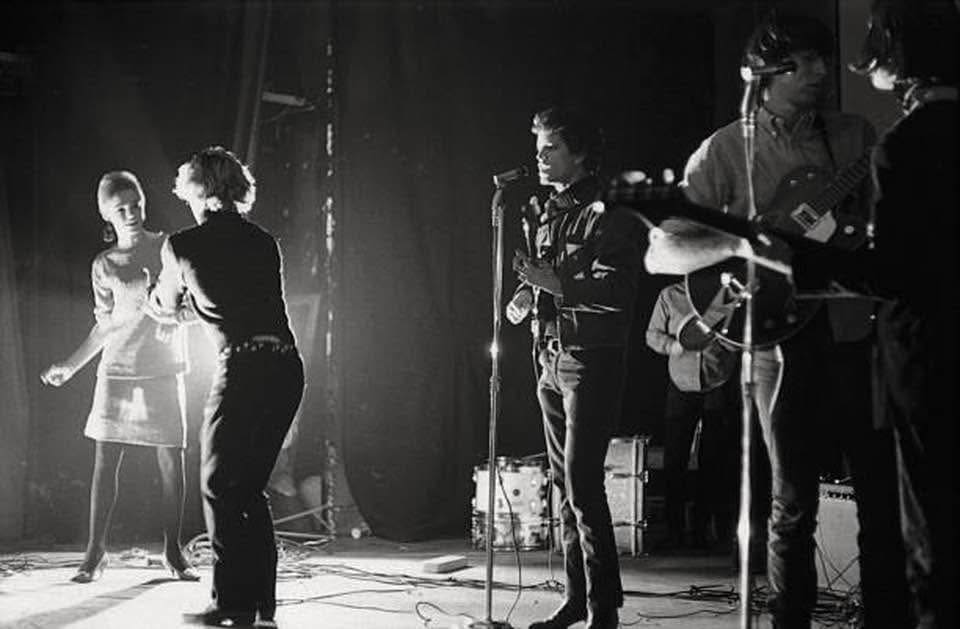
Per comprendere il DNA dei Velvet Underground nella musica moderna, bisogna analizzare i brani che hanno infranto le regole degli anni ’60. Le canzoni che hanno gettato le basi per il punk, l’indie e l’art rock.
“Sunday Morning”: Il modello per l’etica melodica e delicata del dream pop. Mostra la capacità dei Velvet Underground di scrivere una canzone pop perfetta. Mantenendo un senso di distacco paranoico.
“I’m Waiting for the Man”: Una cruda storia di un tossicodipendente che si dirige verso nord in treno per procurarsi dell’eroina. Caratterizzata da un pianoforte martellante e da testi di strada che hanno influenzato artisti come i Modern Lovers e Iggy Pop.
“Femme Fatale”: Con la voce impassibile di Nico, ha definito l’estetica fredda e distaccata che gli artisti indie pop e goth imitano da decenni.
The Experimental Edge (NOISE e Post Punk)
“Venus in Furs”: Costruito attorno a una viola ronzante e a un ritmo lento e ipnotico, è il diretto antenato del goth rock e della musica industriale che esplora il BDSM. Temi inauditi nel 1967.
“Heroin”: Un capolavoro di sette minuti che imita l’effetto della droga accelerando e rallentando. Usando una viola stridula per creare “rumore”, anticipando Sonic Youth e Shoegaze.
“Sister Ray”: È una sfocatura improvvisata di 17 minuti di organo distorto e feedback di chitarra. Il brano “proto-punk” per eccellenza, un pezzo disordinato, rumoroso e volutamente abrasivo.
“Pale Blue Eyes”: Una ballata intima e toccante, dall’atmosfera lo-fi, che ha influenzato profondamente musicisti come Elliot Smith. Un cantautore di straordinario talento, la cui voce sussurrata e il virtuosismo vocale sono serviti da veicolo per esplorazioni crude e senza compromessi. Tra depressione, dipendenza e la fragile bellezza insita nella vulnerabilità umana.
L’eredità culturale e musicale dei Velvet Underground
In conclusione, l’eredità dei Velvet Underground è definita dal rifiuto di conformarsi agli standard pop degli anni ’60, fondendo invece l’arte d’avanguardia con il rock and roll più grezzo. Sono stati pionieri del genere, gli architetti fondanti del punk, del post-punk, dell’indie rock e di altri sottogeneri. Hanno ispirato una rivoluzione lirica influenzata dai temi crudi e urban noir di Lou Reed, come la tossicodipendenza, la devianza sessuale e l’alienazione, argomenti precedentemente considerati tabù nella musica popolare. Gestiti da Andy Warhol, i Velvet Underground hanno colmato il divario tra l’arte d’élite e il rock di strada, dimostrando che la musica sofisticata poteva essere creata con metodi grezzi e diretti, e dimostrando anche che non servono la perfezione tecnica o l’approvazione commerciale per cambiare il mondo; basta il coraggio artistico di essere grezzi, onesti e rumorosi.
WHITE LIGHT, DARK MAGIC: THE VELVET UNDERGROUND’S CULTURAL ECHO
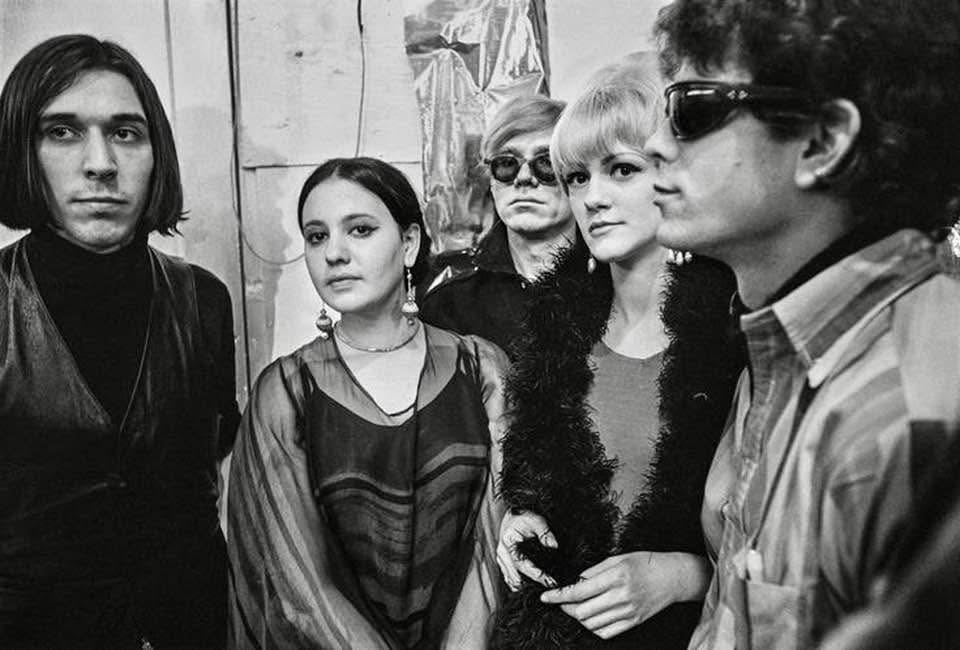
The Velvet Underground are often cited as the blueprint for modern alternative music. While they saw almost no commercial success during their active years in the 1960’s, their impact on subsequent generations was so profound that The New York Times called them “arguably the most influential American rock band of our time”. Their influence is best summarized by a quote by Brian Eno: “The first Velvet Underground album sold only 30,000 copies, but everyone who brought one of those 30,000 copies started a band”. Countless iconic artists have explicitly credited The Velvet Underground as a primary influence, such as…
David Bowie and Velvet Underground

The Velvet Underground profoundly influenced Bowie, with their gritty, avant-garde, and theatrical style of songwriting, inspiring Bowie to embrace darker, authentic themes, and like Lou Reed, focus on the darker aspects of urban life, like drugs and sexuality, directly influencing Bowie’s own explorations of similar themes. While providing him with a roadmap for the chameleon-like artistic reinvention that he would perfect throughout his career, using multiple alter egos, such as Ziggy Stardust, Aladdin Zane and The Thin White Duke etc.
R.E.M.: the foundational artistic model of the group
The Velvet Underground served as a foundational artistic model for R.E.M.’s early sound, with the band frequently covering Velvet Underground songs with Michael Stipes channeling Lou’s poetic, gritty, and often detached lyrical approach. Few bands played a more crucial role in amplifying the Velvet Underground’s work as R.E.M did. They would record or perform cover versions of “There She Goes Again,” “Pale Blue Eyes,” “After Hours,” and “Femme Fatale,” and in the process introduce the first generation of indie rockers to The Velvet Underground’s lush darkness.
Nirvana’s covers
Nirvana were influenced by the Velvet Underground’s blending of raw, poetic songwriting with noise based experimentation directly inspiring the “loud-quiet” grunge sound of Nirvana. Kurt Cobain once commented in an interview that Lou Reed and the Velvet Underground were among his favorite bands. Direct musical homages from Nirvana include a cover of the Velvets “Here She Comes Again” in 1990. Which was released on a split single with The Melvin’s cover of “Venus in Furs”. Some suggest that the cover directly influenced the creation of Nirvana’s song “Sliver” as both tracks experiment with a specific dynamic of stomping an effects pedal during the chorus and maintaining that intensity.
Lou Reed and Kurt Cobain: their melodies
Both Lou Reed and Kurt Cobain were masters of writing extremely catchy pop melodies then burying them under layers of primitive, aggressive distortion. While Lou’s unabashed approach to writing about alienation and the drug culture paved the way for Kurt Cobain’s own introspective and often stark lyrical style. The Velvet Underground created ground zero for the indie and punk movements, and Kurt and Nirvana took that message to the masses.
The experimental sound of Sonic Youth
Utilized avant-garde noise, unconventional guitar tunings, and gritty urban poetry with punk spirit. Built on the Velvet Underground’s use of feedback dissonance, and experimental guitar textures. Kurt Cobain among others deeply respected Sonic Youth, for taking the Velvet Underground’s use of alternative tunings and noise and successfully applying it to the 80’s/90’s indie scene. Joy Division provided a vision for combining dark, poetic, and taboo shattering lyrics with a minimalist, avant-garde rock sound, taken from The Velvet Underground, who also influenced Ian Curtis’s lyrical themes and Joy Division’s atmospheric musical style.
Radiohead: their experimental transition
Radiohead’s transition from traditional rock to experimental pioneers mirrors The Velvet Underground’s trajectory of using art school intellectualism to deconstruct the boundaries of popular music. Radiohead adopted the Velvet’s use of sustained drones and repetitive hypnotic rhythms to create a sense of claustrophobia and uneasy atmospheric tension. Much like the Velvet Underground’s John Cale’s use of the electric viola to create dissonant “noise-scapes,” Jonny Greenwood uses non-traditional instruments and modular synths to bury pop melodies under layers of avant-garde sound. While Thom Yorke’s songwriting frequently echoes Lou Reed’s themes of isolation and the feeling of being an outsider in a technologically driven world. Both bands, Radiohead and the Velvet Underground pivoted away from “radio-friendly sounds at the height of their fame to pursue challenging, non-commercial art, proving that a band could remain influential without catering to the mainstream.
Pioneering new musical genres

The Velvet Underground’s experimentation effectively gave birth to or prefigured several major subgenres of Rock.
Punk & Proto punk
The Velvet Underground’s abrasive “anti-commercial” sound on albums like “White Light/ White Heat” served as the genre’s prototype. * Goth and Post-Punk: The dark “urban noir” atmosphere and Nico’s out of tune vocals on tracks like “Venus in Furs” paved the way for goth music.
Shoegaze & Noise Rock
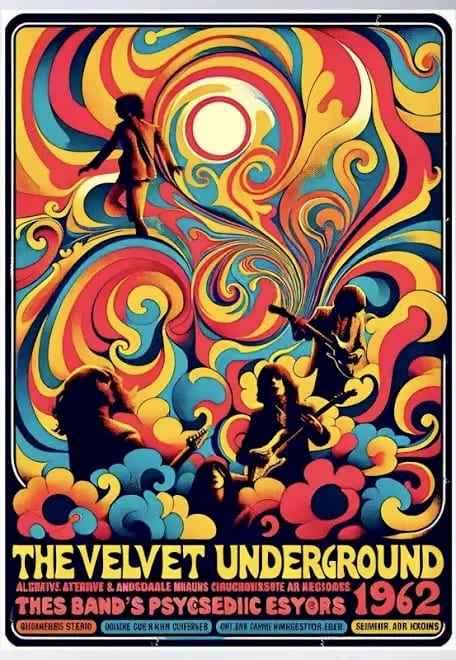
The Velvet Underground introduced extended improvisation and industrial-style dissonance into a pop format. Shoegaze is characterized by an ethereal “wall of sound” created by heavy, distorted, and reverberating guitar textures that feature buried, whispered vocals to create a dreamlike atmosphere. While Noise Rock is characterized by extreme often distorted guitar feedback and high volume unconventional song structures and atonality. That merges traditional rock with experimental, industrial, and punk influences to create chaotic soundscapes. Which are all things that the Velvet Underground pioneered. Art Rock: A sub-genre that elevates rock music from entertainment to an artistic statement by incorporating elements of avant-garde experimentation, classical structures, and intellectual or conceptual themes. The Velvet Underground’s use of art-rock, is an integration of avant -garde techniques, such as John Cale’s viola droning with basic rock, bridging the gap between “high” and “low” art.
Lyrical and cultural shift
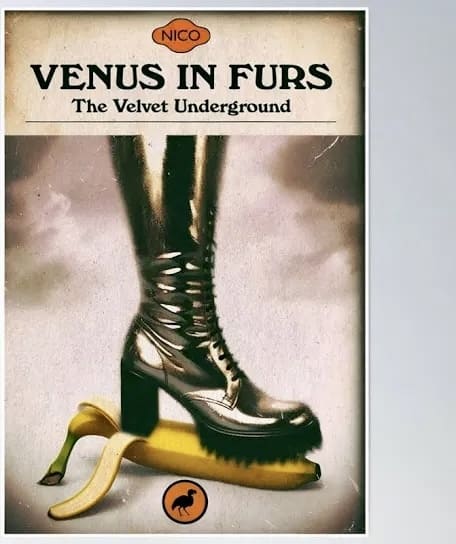
The Velvet Underground basically changed what was allowed in popular music lyrics. Before them, most rock lyrics focused on romance; Lou Reed introduced gritty adult literary themes to rock and roll. While taboo subjects are openly discussed, with lyrics featuring hard drug use, in their song “Heroin”, sexual deviancy in “Venus In Furs”. “I’m Waiting for the Man” is a primary example of how The Velvet Underground used gritty realism to discuss urban alienation. Lyrics also bring a poetic quality to the street level storytelling in, “Venus in Furs”, which is the definitive example of the band establishing literary sensibility in rock music, as it is a direct musical transposition of the 1870 novella by Austrian author Leopold Von Sacher- March. The goal was to “bring the sensitivity of the novel to rock music” treating the song like a piece of literate, novelistic fiction rather than a standard pop tract.
Counterculture Identity
The Velvet Underground established a cultural identity primarily through their association with “Andy Warhol’s Exploding Plastic Inevitable”, a traveling multimedia show that rejected the “peace and love” aesthetic of the 1960s in favor of New York City’s gritty avant-garde underground. While the hippie movement in San Francisco was defined by bright colors and communal optimism. The Velvet Underground wore all black and sunglasses, projecting a cold detached persona that embraced the dark side of urban life, while also creating an outsider identity that would later define punk and indie rock.
Velvet Underground between ounk, indie and art rock
To understand the Velvet Underground’s DNA in modern music, you have to look at the tracks that broke the rules of the 1960’s. The songs that specifically laid groundwork for punk, indie, and art-rock.
“Sunday Morning”: The blueprint for dream pop’s melodic and delicate ethos shows the Velvet Underground’s ability to write a perfect pop song while keeping a sense of paranoid detachment.
“I’m Waiting for the Man”: A gritty driving story about an addict going uptown on a train to score some heroin. Features a relentless pounding piano and street level lyrics that have influenced everyone from The Modern Lovers to Iggy Pop.
“Femme Fatale”: Showcasing Nico’s dead pan vocals, established the cool, detached aesthetic that indie pop and goth artists have been imitating for decades.
THE EXPERIMENTAL EDGE (NOISE And Post Punk)
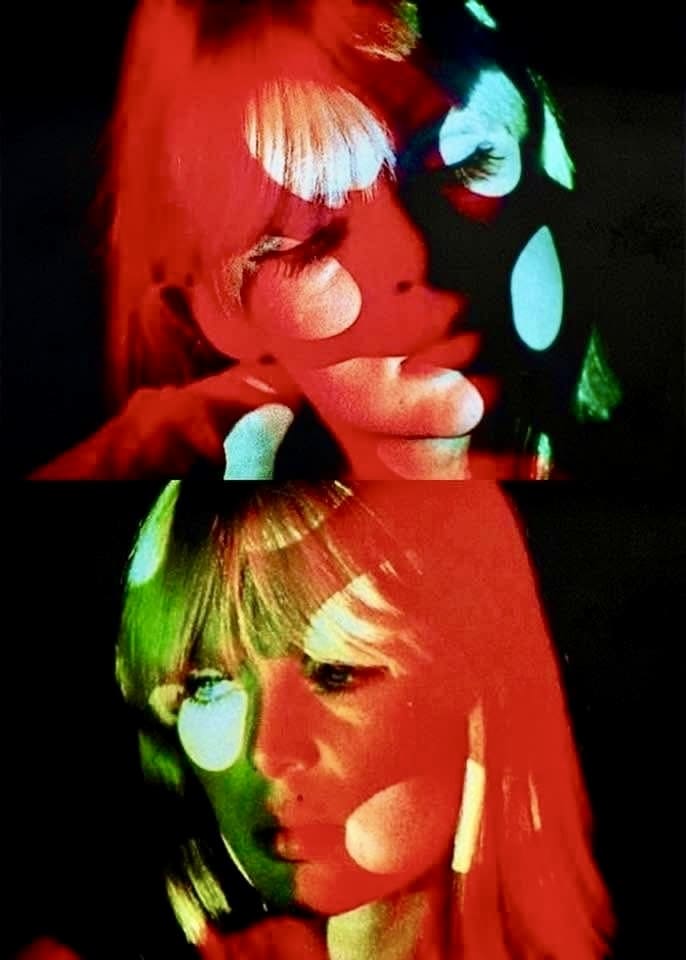
“Venus in Furs”: Built around a droning viola and a slow, hypnotic beat, is the direct ancestor of goth rock and industrial music exploring BDSM, themes unheard of in 1967.
“Heroin”: A seven minute masterpiece that mimics the rush of the drug by speeding up and slowing down, by using a screeching viola to create “noise”, predate Sonic Youth and Shoegaze. * “Sister Ray”: Is a 17 minute improvisational blur of distorted organ and guitar feedback. The ultimate “proto-punk” track that’s a messy, loud, and intentionally abrasive track.
“Pale Blue Eyes”: A quiet soul baring ballad, has an intimate, low-fi feel and was a primary influence of musicians like Elliot Smith, a hauntingly gifted songwriter who’s whispered vocals and intricate finger picking served as a vessel for raw unflinching explorations of depression, addiction and the fragile beauty found in human vulnerability.
The musical and cultural Velvet underground’s heritage

In conclusion, The Velvet Underground’s legacy is defined by a refusal to conform to 1960’s pop standards, instead merging avant-garde art with raw rock and roll. They were genre pioneers, the foundational architects for punk, post-punk, indie rock and other sub-genres. Inspiring a lyrical revolution influenced by Lou Reed’s gritty, urban noir themes, such as drug addiction, sexual deviancy, and alienation, subjects previously taboo in popular music. Managed by Andy Warhol The Velvet Underground bridged the gap between high art and street level rock, proving that sophisticated music could be made with crude, raw methods and also proved that you don’t need technical perfection or commercial approval to change the world; you only need the artistic courage to be raw, honest and loud.
LEGGI ANCHE:
- “The Velvet Underground and Nico”. Le difficoltà e le tribolazioni del capolavoro dell’Art Rock
- La storia di Nicole Orlando in un documentario che ispira
- Il mondo di Andy Pine e la sua musica
- Disreali Gears dei Cream: nascita (e recensione) del capolavoro di rock e psichedelica – English version
- Pink Floyd Immersion: un’immersione nel mondo dei Pink Floyd
- I Pink Floyd Legend “The Dark Side of The Moon”
- “A Salty Dog” dei Procol Harum: un album pioniere di un nuovo genere musicale

Ti interessa anche questo?