

Nel 1967, un viaggiatore psichedelico è atterrato sulla terza roccia dal Sole, donando all’umanità il futuro del suono.
Capitolo I: Primo contatto nella “Swinging London”
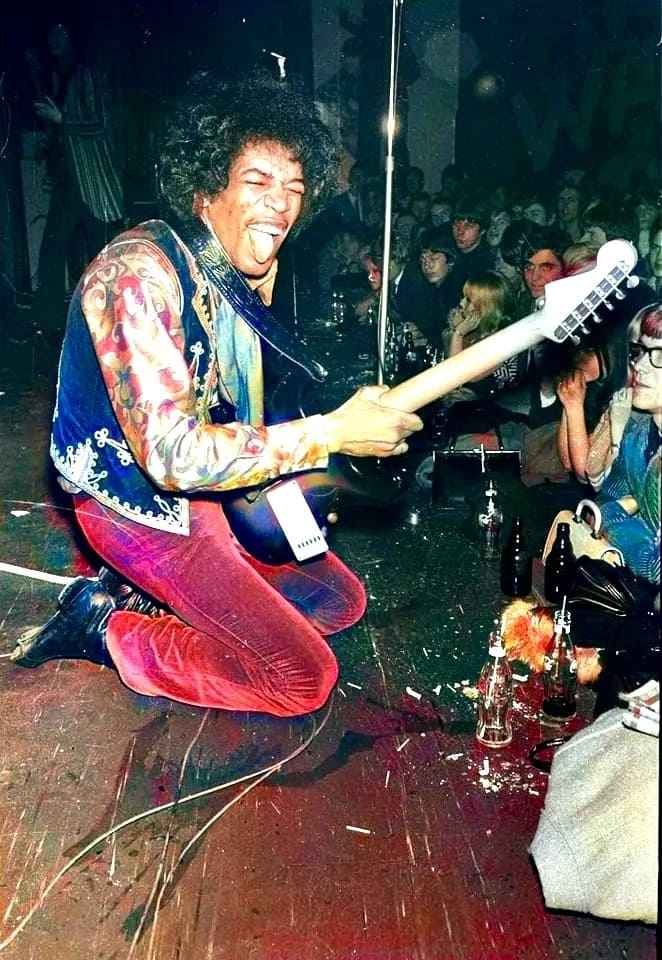
Verso la fine di settembre del 1966, un visitatore dall’aspetto modesto è atterrato all’aeroporto di Heathrow, a Londra, portando con sé poco più di una valigia, una Fender Stratocaster logora e una tecnologia sonora a cui la Terra non era affatto preparata. Pochi giorni dopo il suo arrivo, lo straniero giunto dal cosmo è salito su un palco londinese durante un concerto dei Cream, smantellando con disinvoltura tutto ciò che l’establishment musicale della città credeva di sapere sulla chitarra elettrica. Eric Clapton, acclamato in tutta la Gran Bretagna come un dio della chitarra, è sceso dal palco in uno stato di incredulità sbalordita, chiedendo, tremante, al manager Chas Chandler se Hendrix fosse davvero così bravo. Nel giro di poche settimane, l’aristocrazia rock londinese era in fermento, come se avesse assistito all’avvistamento di un UFO. Brian Jones, cofondatore dei Rolling Stones, ne è diventato presto un fervente sostenitore e caro amico, presentando gli Experience al Monterey Pop Festival; nel frattempo, Paul McCartney e John Lennon, nei club affollati di Soho come il Bag O’Nails, restavano a bocca aperta mentre Hendrix ne riscriveva il DNA. Mentre la maggior parte delle band della metà degli anni ’60 suonava il brano come una frenetica corsa garage-rock, Hendrix ne ha rallentato il ritmo, trasformandolo in un incedere pesante e cupo, lasciando che una linea di basso blueseggiante si muovesse minacciosa sotto fraseggi di chitarra scintillanti, venati di gospel.
“Hey Joe il primo brano in studio della Jimi Hendrix Experience
Registrato il 23 ottobre 1966 presso i De Lane Lea Studios, “Hey Joe” è stato il primo brano in studio della Jimi Hendrix Experience; la scelta è caduta su questo pezzo dopo che Hendrix, ascoltando il cantautore folk Tim Rose eseguire un arrangiamento più lento a New York, ha capito immediatamente che sarebbe stato il suo singolo d’esordio.
Capitolo II: All’interno del pozzo gravitazionale
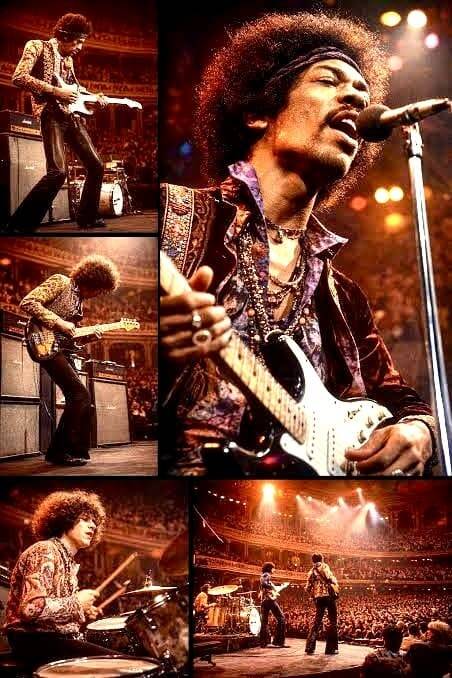
:Quando arriva “Love or Confusion”, la sperimentazione sonora si volge verso l’interno. Costruito su un riff pulsante e insistente e su percussioni frenetiche, il brano mette in luce la capacità di Hendrix di trattare il feedback dell’amplificatore non come un semplice artificio, ma come uno strumento vivo e pulsante; chitarre sature di distorsione “fuzz” turbinano nello spazio stereofonico, catturando il disorientamento emotivo legato all’amore. È noto che Hendrix fosse ossessionato dal voler ottenere l’esatta sfumatura di distorsione che sentiva nella propria mente, spingendo spesso i tecnici degli Olympic Studios di Londra a sovrapporre molteplici tracce di chitarra, finché il brano non suonava come un muro di ottoni vibranti. Ogni grande odissea fantascientifica richiede un momento di quieta meraviglia, mentre si osserva l’esterno dall’oblò.
“May This Be Love”: il momento delicato dell’album
“May This Be Love” offre proprio questo, il momento più delicato e distensivo dell’album. Arpeggi di chitarra lievi e a cascata scorrono come acqua sotto la voce tenera e confidenziale di Hendrix, dimostrando che la sua padronanza della moderazione era tanto formidabile quanto il suo controllo sul volume. Spesso chiamata dai fan “Waterfall” a causa delle immagini ricorrenti nel testo, la canzone fu registrata il 3 aprile 1967, proprio nell’ultimo giorno delle sessioni in studio per l’album. Quella tranquillità viene infranta in “I Don’t Live Today”, brano trainato da un ritmo di batteria fragoroso e ricco di tom, suonato da Mitch Mitchell, che appare cupo, ribelle e politicamente denso.
Hendrix punteggia ogni accordo pesante e discendente con brevi e taglienti esplosioni di feedback controllato, creando un drammatico gioco di rimandi tra melodia e rumore. Orgoglioso delle sue origini Cherokee, Hendrix scrisse il brano pensando al dramma storico dei nativi americani, dedicandolo spesso, durante le esibizioni dal vivo, a “tutte le persone che non sono più con noi”.
Audible Premium
3 mesi di audiolibri a 0,99 € al mese
Migliaia di audiolibri e podcast da ascoltare ovunque, anche offline. Offerta valida fino al 28 dicembre.
Poi 9,99 € al mese, disdici quando vuoi. Link affiliato.
Leggi anche: “Mayhem Mavericks”: Il Debutto Che Incendia l’Hard Rock Moderno
Capitolo III: Segnali di anima e calore
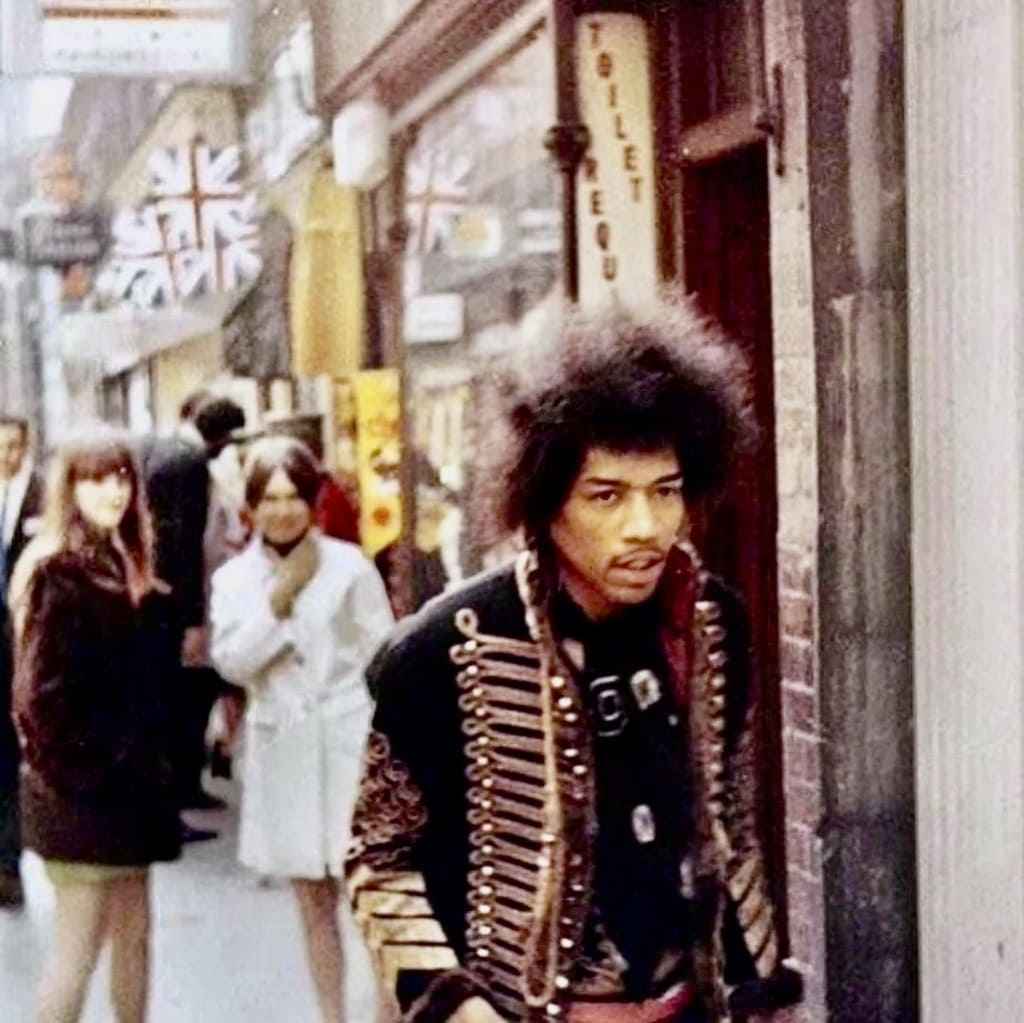
Capolavoro di minimalismo intriso di sentimento, “The Wind Cries Mary” attinge a piene mani dallo stile chitarristico R&B di Curtis Mayfield — caratterizzato da dolci progressioni accordali — e utilizza sequenze armoniche calde in tonalità maggiore, accompagnate da un testo poetico e malinconico, per svelare il cuore profondamente umano che batte nel petto di questo virtuoso di caratura cosmica. È sorprendente notare come Hendrix abbia scritto il testo in circa venti minuti, in seguito a un battibecco domestico con la sua fidanzata, Kathy Etchingham (il cui secondo nome era, appunto, Mary), nato a causa di un purè di patate pieno di grumi; la band registrò il brano in un’unica ripresa, senza alcuna prova preventiva, al termine di una sessione dedicata a “Fire”.
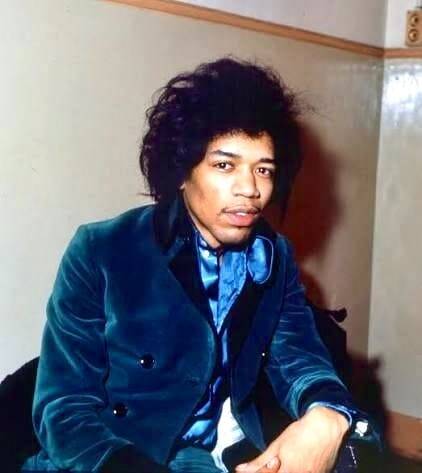
Se esiste un brano capace di dimostrare che il “funk extraterrestre” è reale, questo è senza dubbio “Fire”. Impetuoso, serrato e dotato di un groove irresistibile, il pezzo fonde la precisione ritmica di James Brown con l’aggressività di un rock ad alto voltaggio; il lavoro esplosivo di Mitch Mitchell al rullante sprona Hendrix a offrire una delle sue performance più incisive e gioiose dell’intero disco. Nonostante la sua fama seducente, la canzone è nata in realtà durante una gelida vigilia di Capodanno, trascorsa a Folkestone, in Inghilterra, presso l’abitazione della madre del bassista Noel Redding: in quell’occasione, un Hendrix infreddolito chiese gentilmente di potersi avvicinare al caminetto, traendo da quel momento l’immortale verso: “Let me stand next to your fire” (Lasciami stare accanto al tuo fuoco).
Capitolo V: La trasmissione finale
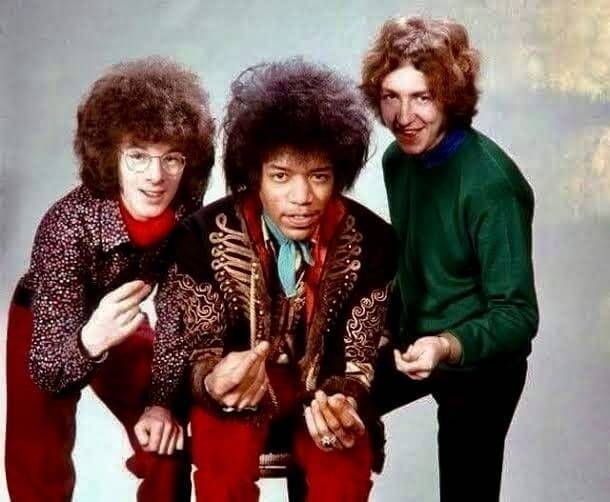
Il sottotesto fantascientifico emerge chiaramente in “Third Stone from the Sun”, un capolavoro jazz-rock di quasi sette minuti che scivola con disinvoltura tra un’ipnotica melodia a ottave, nello stile di Wes Montgomery, e un caos cosmico a forma libera. Qui, Hendrix dipinge un ritratto impressionista di un esploratore alieno che osserva la Terra, giudicando i suoi abitanti irrimediabilmente primitivi. Le voci parlate, rallentate e nascoste nel mix, non sono affatto un linguaggio incomprensibile: se riprodotte a 78 giri, rivelano una conversazione radiofonica improvvisata e dal tono impassibile tra Hendrix (“Star Fleet”) e il produttore Chas Chandler (“Scout Ship”), intenti a discutere delle bizzarre usanze degli abitanti della Terra.
Leggi anche: Intervista di Francesca Sorìa ai Wasted Wizards: energia hard rock e il singolo Hear Me Out!
Aprendosi con una singola nota prolungata che si trasforma in un vibrante ululato di feedback, simile a una sirena, “Foxey Lady” infonde nella missione una dose di pura e autentica spavalderia. Il riff a ottave, sinuoso e scivolato, si incastra perfettamente nel solido giro di basso di Noel Redding, dimostrando come Hendrix fosse in grado di trasformare l’elettricità pura in un’energia fisica viscerale. Il brano è nato da un interesse del tutto terreno: Hendrix era rimasto folgorato da Heather Taylor — che in seguito avrebbe sposato Roger Daltrey degli Who — mentre la osservava ballare in un locale di Londra.
“Are You Experienced?”
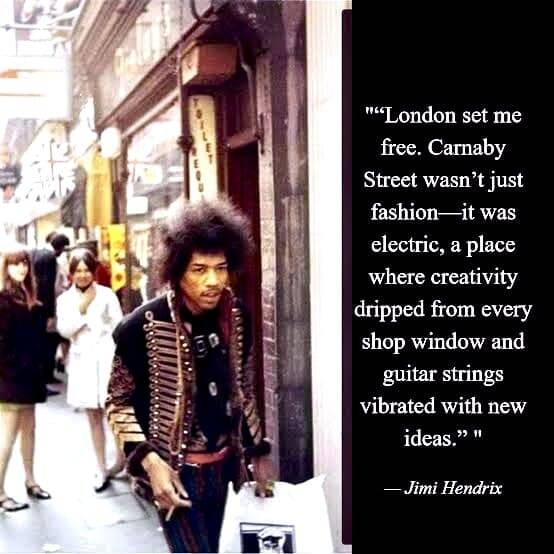
Per il gran finale di “Are You Experienced?”, Hendrix pone la domanda definitiva e mostra al mondo che suono abbia il futuro. Surreale, ipnotica e vertiginosa, la title track avvolge l’ascoltatore in un vortice di linee di chitarra e percussioni riprodotte al contrario, creando un’atmosfera che dà la sensazione di essere usciti completamente dal tempo lineare. Dato che, nel 1967, sincronizzare un nastro magnetico fatto scorrere al contrario si rivelò un’impresa troppo complessa per i tecnici in studio, Hendrix perse la pazienza e imparò semplicemente a suonare il suo assolo di chitarra di tre minuti al contrario, in tempo reale; sovrappose poi una parte di pianoforte per dare stabilità al brano: un’impresa, a suo modo sovrumana, a chiusura di un disco che, nell’edizione originale britannica, includeva anche tre ulteriori «trasmissioni terrestri» — «Red House», «Can You See Me» e «Remember».
Capitolo V: Il dono lasciato in eredità
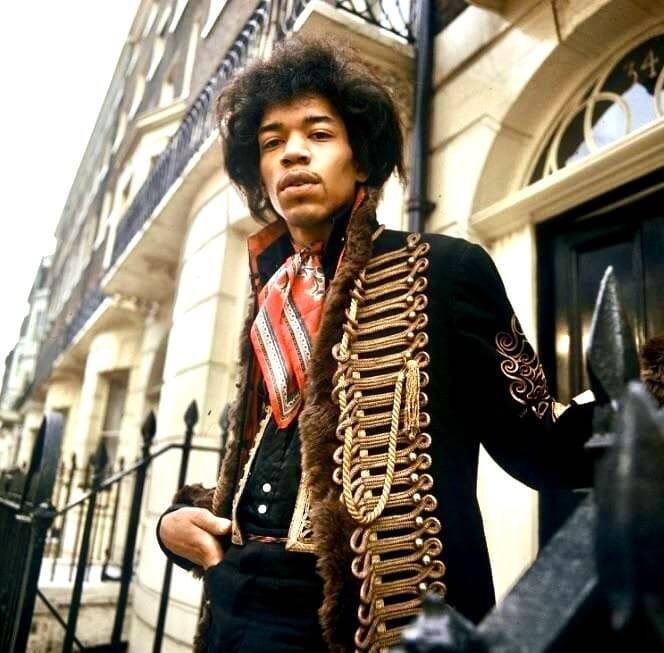
Come molti classici visitatori della fantascienza, Jimi Hendrix non è rimasto a lungo sulla Terra; nel settembre del 1970 era già svanito, tornando nel cosmo. Eppure, *Are You Experienced* resta la prova tangibile del suo passaggio tra noi. A oltre mezzo secolo di distanza, i suoi solchi vibrano ancora di un’elettricità aliena: un dono senza tempo che ha ampliato per sempre le possibilità di ciò che mani umane, legno e corde potevano realizzare. Hendrix suonava la chitarra dietro la nuca o con i denti. Persino Pete Townshend e Jeff Beck ammisero di essersi sentiti improvvisamente obsoleti, rendendosi conto che un emissario proveniente da un altro sistema stellare aveva appena riscritto le leggi della fisica del rock.
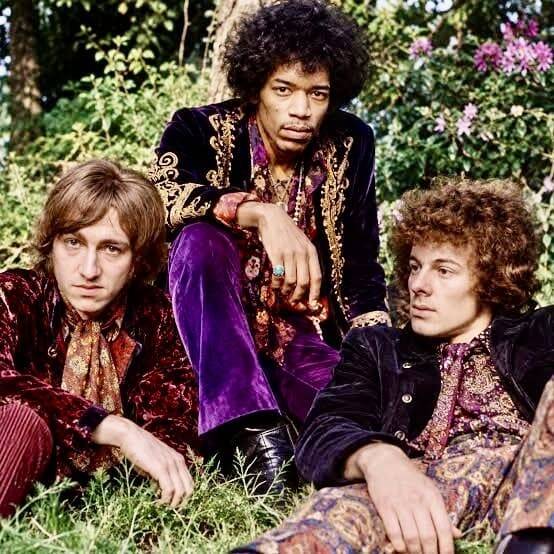
Quando *Are You Experienced* uscì nel 1967 — prima nel Regno Unito a maggio, seguito poi da un’edizione statunitense ampliata e con una nsequenza di brani differente ad agosto — non sembrò tanto un album di debutto rock, quanto piuttosto un reperto alieno lasciato sul nostro pianeta per accelerare l’evoluzione umana. Prima di Hendrix, la chitarra elettrica era vincolata alle leggi della gravità, a un’amplificazione limpida e alle garbate strutture pop di tre minuti. Hendrix spezzò questi legami. Insieme al bassista Noel Redding e al batterista Mitch Mitchell — quest’ultimo di estrazione jazz — trasformò il feedback, la distorsione e la manipolazione dei nastri in studio in vere e proprie armi, convertendo il rumore elettrico indesiderato in un linguaggio celestiale. Prendendo come riferimento l’iconica edizione statunitense da undici brani,possiamo decodificare questa trasmissione, giunta dal più grande «incontro ravvicinato» nella storia del rock.
TRANSMISSION FROM THE VALLEYS OF NEPTUNE: THE ELECTRIC GOSPEL OF JIMI HENDRIX
In 1967, a Psychedelic Voyager Landed on the Third Stone from the Sun and Gifted Humanity the Future of Sound
Chapter I: First Contact in Swinging London
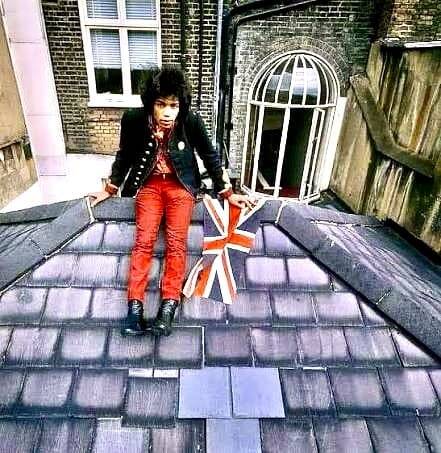
In late September 1966, an unassuming visitor touched down at London’s HeathrowAirport carrying little more than a suitcase, a battered Fender Stratocaster, and sonic technology that Earth was entirely unprepared to handle. Just days after arriving, the stranger from across the cosmos walked onto a London stage during a Cream gig and casually dismantled everything the city’s musical establishment thought it knew about the electric guitar. Eric Clapton, hailed across Britain as a guitar god, famously walked offstage in stunned disbelief, trembling as he asked manager Chas Chandler if Hendrix was really that good. Within weeks, London’s rock aristocracy was buzzing like witnesses to a UFO sighting. Rolling Stones co-founder Brian Jones quickly became an early evangelist and close friend, introducing the Experience at the Monterey Pop Festival, while Paul McCartney and John Lennon stood slack-jawed in packed Soho clubs like the Bag O’Nails, watching re-engineered its DNA. While most mid-1960s bands played the tune as a frantic garage-rock sprint, Hendrix slowed the tempo to a heavy, brooding crawl, letting the bluesy bassline walk ominously beneath shimmering, gospel-inflected guitar fills.
“Hey Joe” the Jimi Hendrix Experience’s very first studio recording
Recorded on October 23, 1966, at De Lane Lea Studios, “Hey Joe” was the Jimi Hendrix Experience’s very first studio recording, chosen after Hendrix heard folk singer Tim Rose perform a slower arrangement in New York and realized instantly it would be his debut single.
Chapter II: Insidethe Gravity Well
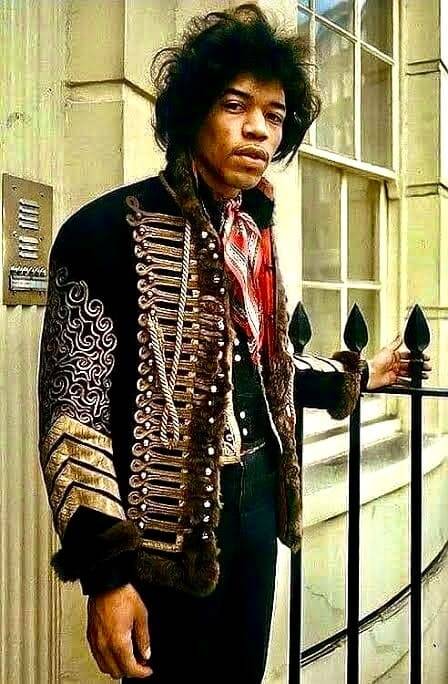
By the time “Love or Confusion” arrives, the sonic experimentation turns inward. Built on a pulsing, insistent riff and frantic percussion, the track showcases Hendrix’s ability to treat amplifier feedback not as a gimmick, but as a living, breathing instrument, with fuzz-drenched guitars swirling around the stereo field to capture the emotional disorientation of romance. Hendrix was famously obsessive about capturing the exact shade of distortion he heard in his head, frequently pushing engineers at London’s Olympic Studios to layer multiple guitar overdubs until the track sounded like a wall of vibrating brass. Every great sci-fi odyssey needs a moment of quiet wonder gazing out the viewport, and “May This Be Love” provides the album’s gentlest reprieve. Delicate, cascading guitar arpeggios ripple like water beneath Hendrix’s tender, conversational vocals, proving his mastery of restraint was just as formidable as his command of volume.
Leggi anche: Europe, This Time of Year: il nuovo videoclip tra malinconia e magia del Natale
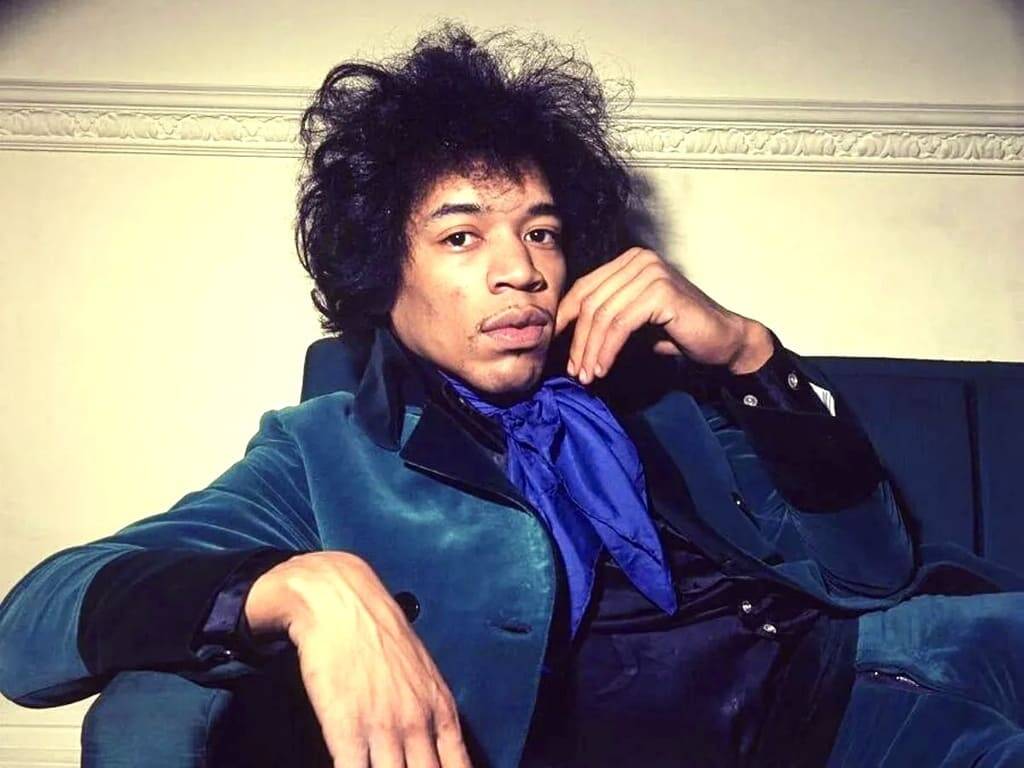
Often referred to by fans as “Waterfall” due to its recurring lyrical imagery, the track was recorded on April 3, 1967, on the very last day of studio sessions for the album. That tranquility shatters on “I Don’t Live Today,” driven by a thunderous, tom-heavy drum pattern from Mitch Mitchell that feels dark, defiant, and politically charged. Hendrix punctuates each heavy, descending chord with sharp bursts of controlled feedback, creating a dramatic call-and-response between melody and noise. Proud of his Cherokee heritage, Hendrix wrote the song with the historical plight of Native Americans in mind, frequently dedicating it in live performances to “all the people who aren’t with us anymore.”
Chapter III: Signals of Soul and Heat
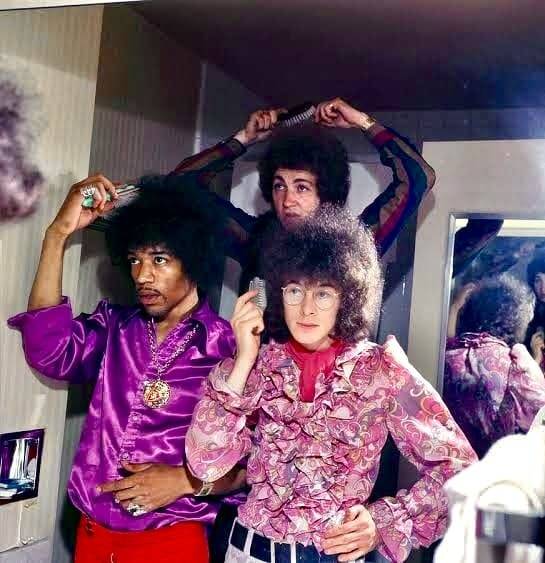
A masterwork of soulful minimalism, “The Wind Cries Mary” draws heavily from Curtis Mayfield’s sweet, chordal R&B guitar style, using warm major-key progressions and poetic, melancholic lyrics to reveal the deeply human heart beating inside the cosmic virtuoso. Remarkably, Hendrix wrote the lyrics in roughly twenty minutes following a domestic spat with his girlfriend, Kathy Etchingham—whose middle name was Mary—over lumpy mashed potatoes, and the band recorded the song in a single, unrehearsed take at the end of a session for “Fire.” If any track proves that extraterrestrial funk is real, it is “Fire” itself. Propulsive, tight, and impossibly groovy, the song blendsb James Brown’s rhythmic precision with high-voltage rock aggression, while Mitch Mitchell’s explosive snare work pushes Hendrix to deliver one of his punchiest, most joyful performances on the record.
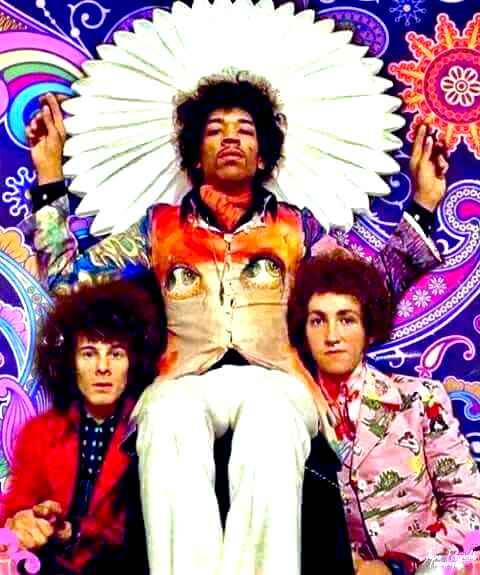
Despite its seductive reputation, the song was actually inspired by a freezing New Year’s Eve visit to bassist Noel Redding’s mother’s house in Folkestone, England, where a shivering Hendrix politely asked to stand in front of her hearth and walked away with the immortal hook, “Let me stand next to your fire.”
Chapter IV: The Final Transmission
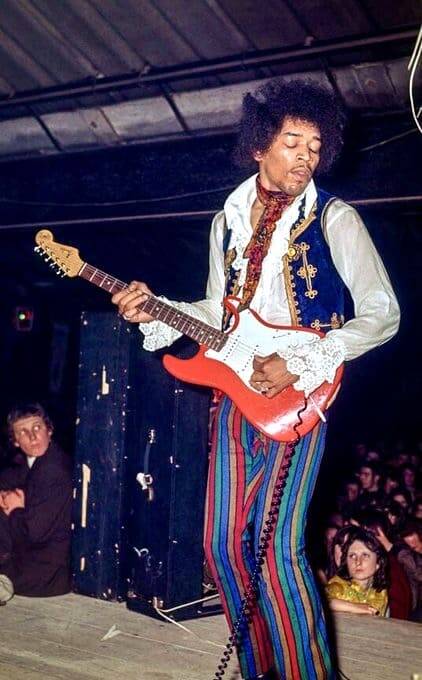
The sci-fi subtext finally becomes explicit on “Third Stone from the Sun,” a nearly seven-minute jazz-rock masterpiece that glides effortlessly between a hypnotic Wes Montgomery-style octave melody and free-form cosmic noise. Here, Hendrix paints an impressionistic portrait of an alien scout surveying Earth and finding its inhabitants hopelessly primitive. The eerie, slowed-down spoken-word voices buried in the mix aren’t gibberish at all; when played back at 78 RPM, they reveal a deadpan, improvised radio conversation between Hendrix (“Star Fleet”) and producer Chas Chandler (“Scout Ship”) discussing the bizarre customs of Earthlings. Opening with a single, sustained note that blooms into a vibrating, siren-like feedback howl, “Foxey Lady” injects pure, unadulterated swagger back into the mission. The slinky, sliding octave riff locks into Noel Redding’s steady bass groove, demonstrating how Hendrix could turn sheer electricity into visceral physical energy. The song was sparked by real-life Earthly fascination after Hendrix spotted Heather Taylor—who would later marry The Who’s Roger Daltrey—dancing at a London club. For the grand finale on “Are You Experienced?”, Hendrix asks the ultimate question and demonstrates what the future sounds like. Surreal, hypnotic, and dizzying, the title track bathes the listener in swirling backwards guitar lines and reversed percussion, creating an atmosphere that feels ike stepping out of linear time altogether. Because syncing a backwards tape loop proved too difficult for the studio engineers in 1967, Hendrix grew impatient and simply learned to play his three-minute guitar solo backwards in real time, overdubbing himself on piano to anchor the track—a fittingly superhuman feat to close a record whose original UK edition also offered three bonus earthly transmissions in “Red House,” “Can You See Me,” and “Remember.”
Chapter V: The Girl Left Behind
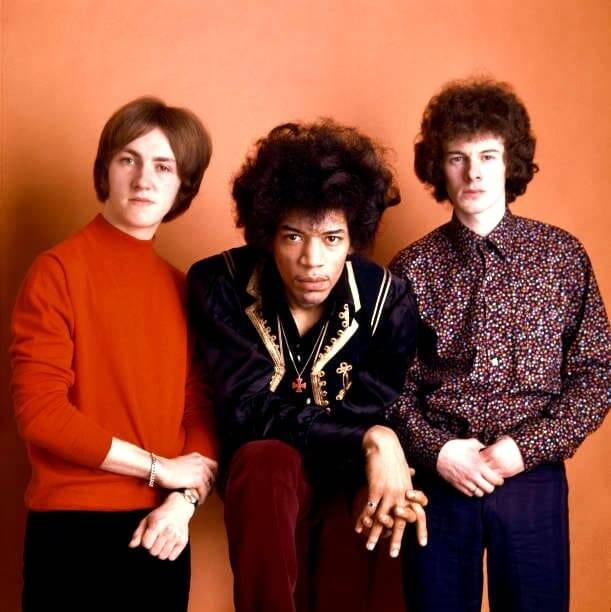
Like many classic visitors in science fiction, Jimi Hendrix did not stay on Earth for long; by September 1970, he had vanished back into the cosmos. Yet Are You Experienced remains permanent proof that he walked among us. More than half a century later, its grooves still hum with alien electricity—a timeless gift that forever expanded what human hands, wood, and wire could achieve. Hendrix play behind his head and with his teeth. Even Pete Townshend and Jeff Beck admitted they felt instantly obsolete, realizing that an emissary from another star system had just rewritten the laws of rock physics.
Are You Experienced?
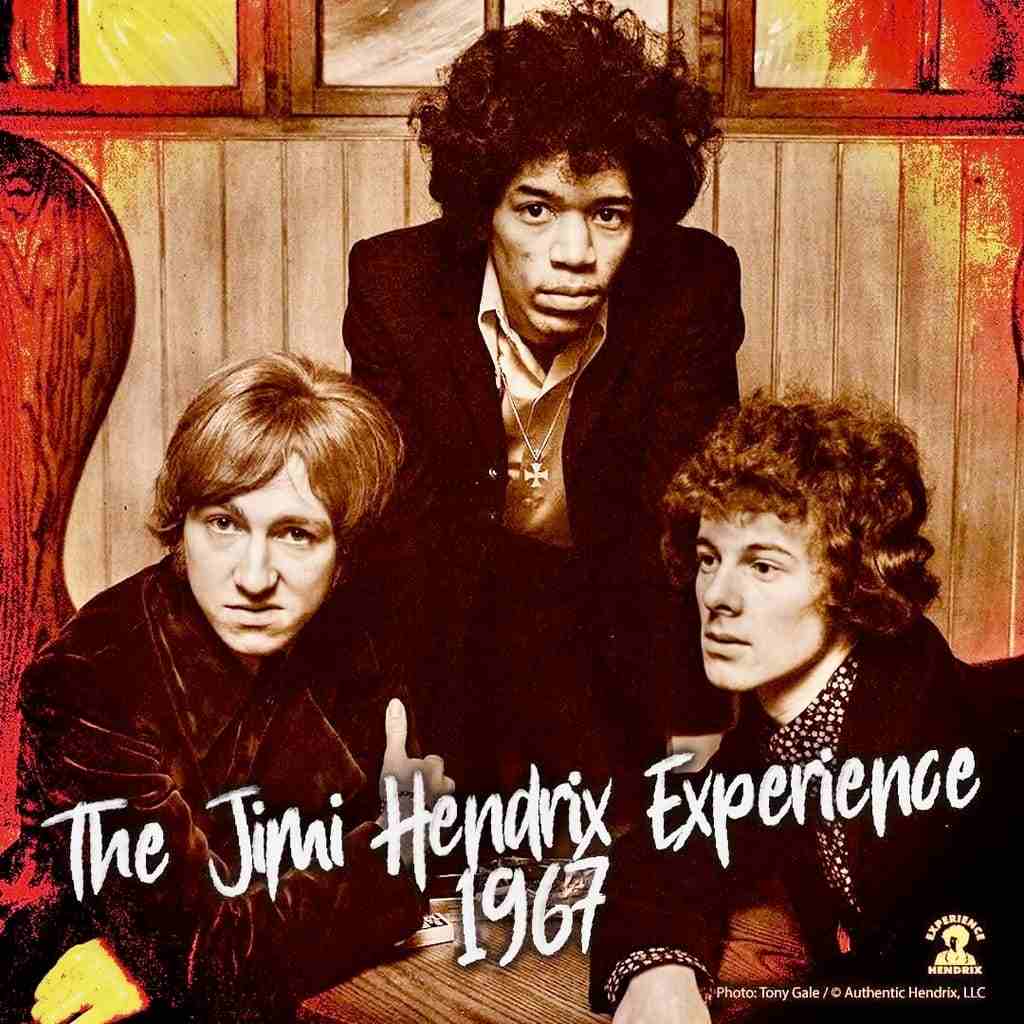
When Are You Experienced arrived in 1967, first in the UK in May and followed by an expanded, resequenced US edition in August, it functioned less like a debut rock album and more like an alien artifact left behind to accelerate human evolution. Before Hendrix, the electric guitar was tethered to the rules of gravity, clean amplification, and polite three-minute pop structures. Hendrix severed those tethers.
Alongside bassist Noel Redding and jazz-fueled drummer Mitch Mitchell, he weaponized feedback, distortion, and studio tape manipulation, turning unwanted electrical noise into a celestial language. Using the iconic eleven-track US pressing as our field guide, we can decode this transmission from rock history’s greatest close encounter.
Ti è piaciuto questo articolo?









Discussione 0
Regole della discussione
Per pubblicare serve un account BACKdigit, gratuito: bastano pochi secondi.
Nessun messaggio ancora. Inizia tu la discussione.