
Capitolo 1: La fiera e la fuga
Quando uscii nell’afa opprimente di agosto, nel bel mezzo dell’area fieristica della contea, avevo in mente solo due cose: trovare un po’ d’ombra sotto un albero e tenere il mio amico Judson Walker lontano dai guai. La famiglia di Judson possiede il Walker Ranch, la più grande azienda di allevamento di bestiame dell’intera contea. Da queste parti, questo rende i suoi genitori una sorta di famiglia reale. Significa che da Judson ci si aspetta che sposi una ragazza con un fondo fiduciario e un vestito immacolato. Io sono solo Silas Cross. Vivo nella riserva, lavoro quando c’è lavoro e non nutro grande simpatia per l’alta società. Ma io e Judson siamo legati fin da quando eravamo ragazzi; passavamo il tempo a rimettere in sesto vecchi camion dietro il fienile di suo padre. Lui non mi ha mai fatto sentire inferiore.
Poi siamo passati davanti al banchetto del gioco degli anelli, e tutto è cambiato
Daisy Barnett era lì a gestire lo stand, asciugandosi il sudore dalla fronte. Aveva i capelli neri come l’ala di un corvo. Era per metà bianca e per metà nativa, proprio come me, e nei suoi occhi si leggeva quella tempra che ti resta addosso quando hai dovuto lottare per ogni singolo pasto della tua vita. Judson si bloccò di colpo. Si avvicinò, comprò tre anelli di legno e la guardò dritto negli occhi. Daisy ricambiò lo sguardo. Rimasi lì a osservare la scena: una scintilla elettrica scoccata tra il figlio di un ricco allevatore e una ragazza che veniva dal lato sbagliato della città. In quel preciso istante, capii che ne sarebbero nati un sacco di guai.
Iniziarono a vedersi in segreto, e fui io a rendere tutto possibile. Coprivo Judson ogni volta che suo padre credeva fosse fuori a controllare le recinzioni. Suggerii loro di usare la vecchia capanna abbandonata tra le aspre colline vicino al Black Horse Creek, un posto dove non andava mai nessuno. Lassù si innamorarono follemente, profondamente, lontano dal veleno che ammorbava la valle. Perché, quando le famiglie lo scoprirono, quel veleno venne a galla in un istante. I genitori di Judson ne rimasero inorriditi; suo padre definì Daisy «gentaglia» e minacciò di rovinarla.
Per Daisy la situazione era ancora peggiore. Suo padre era un vagabondo che, dopo una breve relazione con la madre di lei, aveva preso il primo treno in partenza, sparendo prima ancora che Daisy nascesse. La madre, al verde e disperata per il bisogno di denaro, si guadagnava da vivere pulendo i pavimenti per l’uomo più ricco e spregevole della zona: il viscido Clyde Appleton. Clyde era vecchio, untuoso, e guardava Daisy come se fosse un suo possedimento. Propose di cancellare i debiti della donna a una sola condizione: voleva Daisy come sposa. Sommersa dai debiti, la madre finì per promettergliela in sposa.
Avevano fissato la data del matrimonio per oggi. Ma Judson e Daisy avevano scelto di opporsi.Erano scappati in quella baita tra le colline, isolandosi dal resto del mondo. Ero io l’unico a sapere dove si trovassero. Ero io a procurar loro la spesa, a custodire il loro segreto e a cercare di proteggerli. Eppure, stamattina, mentre caricavo il mio camioncino per salire verso la montagna, ho avvertito una sensazione terribile allo stomaco. La valle dava loro la caccia, e il tempo a mia disposizione stava per scadere.
Capitolo 2: Il viadotto e il salto
Il sacco della spesa pesava tra le mie braccia; la carta era umida di sudore dopo la lunga camminata lungo il crinale. Avevo dovuto lasciare il camioncino un miglio più indietro, per evitare che qualcuno lo notasse dalla strada principale. L’aria era densa e immobile, quel tipo di calura tipica del Nord Dakota che fa sprigionare ai pini un intenso odore di resina. Ero appena arrivato alla curva in cui il sentiero taglia un fitto bosco di betulle, quando un cupo rombo di motore mi ha fatto bloccare di colpo.
Mi sono rannicchiato dietro un masso proprio mentre un pick-up arrugginito passava sferragliando, sollevando un polverone. Attraverso il parabrezza incrinato, ho scorto il volto sudicio e furioso di “Slimy” Clyde Appleton. Insieme a lui, nell’abitacolo, c’erano tre dei suoi braccianti più violenti. Il cuore mi è sprofondato fino ai piedi. Sapevano tutto.
Prima ancora che la polvere sollevata dal mezzo di Clyde potesse posarsi, un secondo motore ha ruggito dal sentiero più in basso. Era un Ford fiammante e ben tenuto: c’era il padre di Judson, il vecchio Walker, con i suoi uomini appesi al cassone. Arrivavano da due direzioni diverse: una manovra a tenaglia studiata per intrappolare i fantasmi a cui davano la caccia.
Ho lasciato cadere il sacco della spesa a terra – barattoli di fagioli e una pagnotta di pane sono rotolati tra l’erba alta – e ho iniziato a correre.
Sono sbucato dal limitare del bosco giusto in tempo per vedere materializzarsi il peggior incubo della mia vita. Judson e Daisy avevano sentito i camion. Erano scappati dalla capanna, cercando di attraversare il ponte ferroviario in legno di Black Horse Creek per raggiungere la fitta boscaglia sull’altro lato del canyon. Ma non ce l’hanno fatta. Il camion di Clyde è slittato fino a fermarsi sulla riva orientale; i suoi uomini sono scesi in fretta, imbracciando i fucili. Un istante dopo, il camion di Walker ha inchiodato sulla riva occidentale.
Eccoli lí, Judson e Daisy
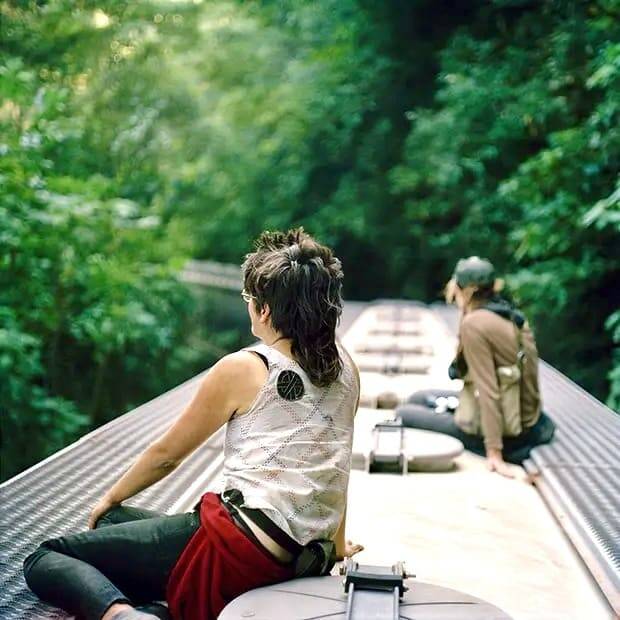
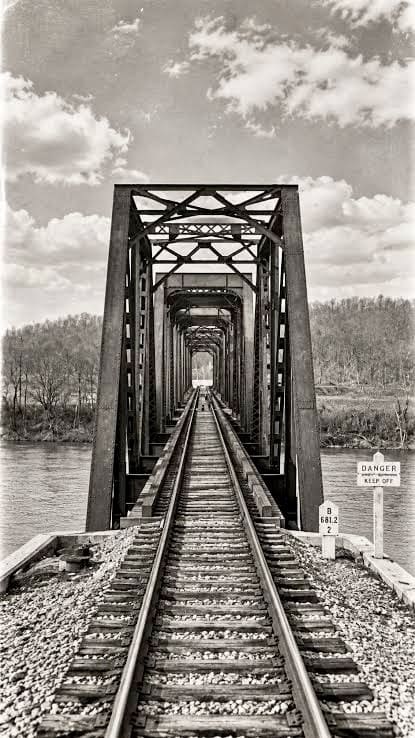
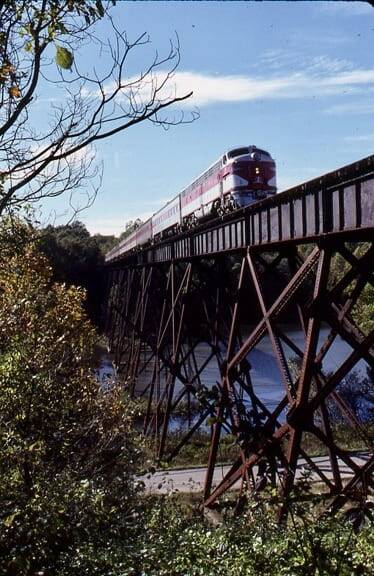
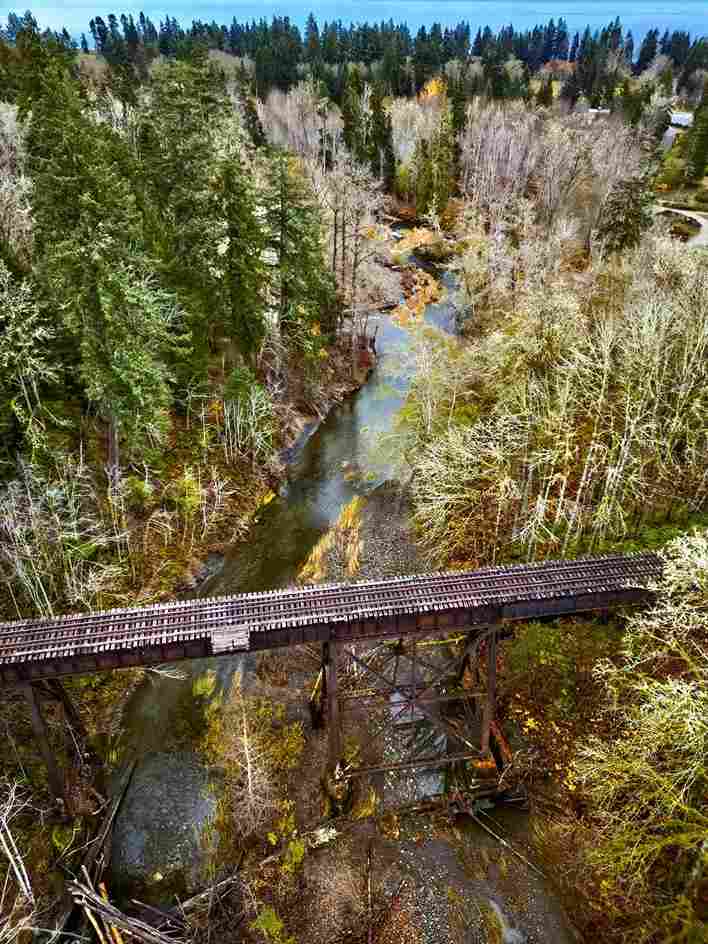
Eccoli lì. Judson e Daisy, intrappolati proprio nel mezzo del ponte in legno, sospesi a trenta metri d’altezza sopra le acque vorticose e le rocce grigie e frastagliate di Black Horse Creek.
«Judson!» ha tuonato suo padre dal lato occidentale, con la voce che rimbalzava sulle pareti del canyon. «Staccati da quella ragazza e scendi subito dai binari!»
Dal lato orientale, Clyde Appleton ha estratto un coltello da caccia dalla cintura; aveva gli occhi spiritati, la rabbia di un uomo che sa di aver perso. «Oggi è mia moglie, Walker! Se la tocchi, ti sventro!»
Gli uomini hanno iniziato ad avanzare sulle strette traversine di legno da entrambi i lati, restringendo il cerchio. Ero lì, al limitare del bosco, completamente paralizzato. Volevo urlare, estrarre una pistola che non avevo, fare qualcosa. Ma erano troppi, e la distanza era eccessiva.
Nel mezzo di quel ponte, circondati solo da odio e rancore, Judson e Daisy non hanno degnato di uno sguardo gli uomini che si avvicinavano. Guardavano soltanto l’un l’altra. Li ho visti unire le mani tremanti. Anche da lontano, ho colto l’espressione fiera e incrollabile sul volto di Daisy. Se ne stavano dritti, proprio sul bordo delle traversine. Con una voce abbastanza forte da essere portata lontano dall’eco del canyon, hanno pronunciato una promessa, dichiarandosi uniti in matrimonio, ora e per sempre.
Si sono scambiati un ultimo, profondo bacio.
«No!» Riuscii finalmente a ritrovare la voce, gridando contro il vento e facendo un passo disperato in avanti.
Ma era troppo tardi. Non permisero alla valle di toccarli. Sempre tenendosi per mano, si lasciarono cadere dal bordo del viadotto di Black Horse Creek, precipitando nel vuoto, dritti verso le acque bianche e impetuose sottostanti.
Capitolo 3: Il peso delle parole
L’ufficio dello sceriffo puzzava di caffè alla cicoria stantio e di vecchio fumo di sigaretta. Ero seduto su una sedia di legno rigida, proprio di fronte allo sceriffo Miller, che si massaggiava le tempie come se avesse un mal di testa che non voleva saperne di passare. Dall’altra parte della stanza c’era il vecchio Walker; con il volto pallido e gelido come la pietra, fissava le assi del pavimento.
Miller si sporse in avanti, picchiettando con la penna su un blocco per appunti ingiallito. «Ripassiamo tutto da capo, Silas. E risparmiami le storie di fantasmi. Solo i fatti. Cos’hai visto, esattamente?»
«Gliel’ho già detto tre volte», risposi con voce tesa. Avevo la gola come se fosse piena di sabbia. «Erano al centro del viadotto di Black Horse Creek. I suoi uomini stavano da una parte, quelli di Clyde dall’altra. Non avevano più scampo.»
«E si sono buttati, così?» La voce di Walker si incrinò. Era la prima volta che sentivo quel vecchio apparire così fragile. «Mio figlio si è lanciato nel vuoto da trenta metri d’altezza per colpa di una ragazzina?»
«Non si sono buttati per colpa sua, signor Walker», dissi, guardandolo dritto negli occhi. «Si sono buttati per colpa vostra. Di entrambi. Si sono presi per mano, hanno detto di essere sposati per l’eternità, poi si sono lasciati cadere e l’acqua se li è portati via.»
Miller scosse la testa, annotando qualcosa. Il fruscio della sua penna risuonò in modo assordante in quella piccola stanza. Parole. Era solo questo che volevano da me. Volevano che mettessi nero su bianco che i miei migliori amici erano morti, così da poter chiudere il caso, lavarsi le mani di quel sangue e tornare a gestire la contea. Le squadre di ricerca hanno passato due giorni a setacciare le rive a valle, ma la corrente era impetuosa a causa delle piogge estive. Non hanno trovato nulla: né una giacca, né uno stivale, né un corpo. Per la legge, erano spariti. Per la valle, erano diventati una tragedia di cui sussurrare.
«Sei libero di andare, Silas», disse infine Miller, strappando il foglio dal suo blocco. «Ma non allontanarti dalla contea. Potremmo avere altre domande».
Mi alzai e uscii nell’aria fresca della notte, lasciandoli soli con le loro scartoffie e il loro senso di colpa. Credevano di aver ricostruito l’intera vicenda. Ma non sapevano tutto.
Capitolo 4: Il treno merci verso est
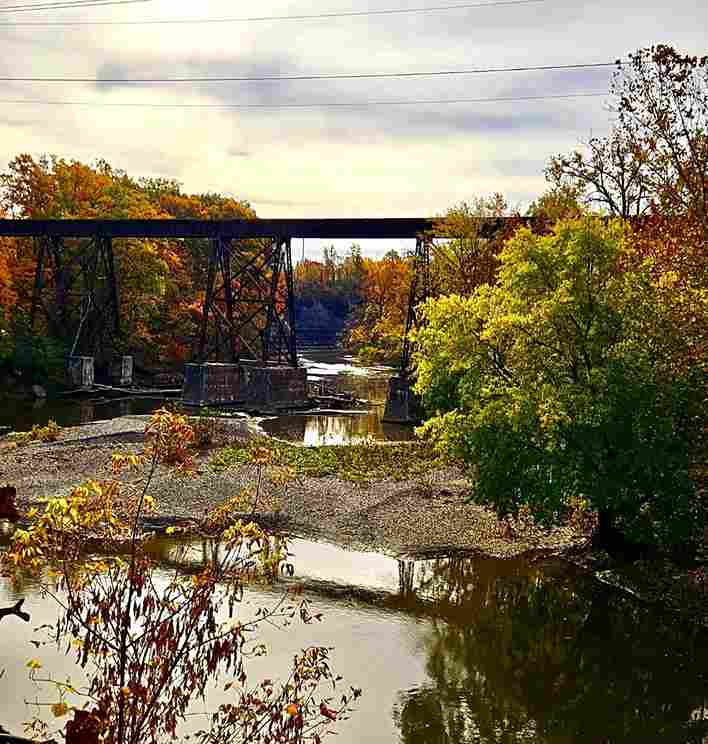
Ciò che non dissi allo sceriffo – ciò che non avrei mai rivelato ad anima viva in quella valle – fu cosa accadde dopo il tonfo nell’acqua.
Quando Judson e Daisy finirono in quel vortice di acque bianche, non urtarono le rocce appuntite. Finirono invece in una profonda pozza vorticante, proprio sotto l’ansa del canyon: un rifugio segreto che Judson ed io avevamo scoperto quando avevamo dodici anni. La corrente era violenta e li trascinò a fondo, fino a far bruciare loro i polmoni, ma rimasero stretti l’uno all’altra, le mani serrate. Lottarono insieme contro il fiume, nuotando con forza verso la riva meridionale, finché non riuscirono a trascinarsi sulla ghiaia fangosa, tossendo schiuma e cercando disperatamente di riprendere fiato.
Erano pieni di lividi, gelati e fradici, ma erano vivi. E, per la prima volta in vita loro, per il mondo che si erano lasciati alle spalle, erano come morti.
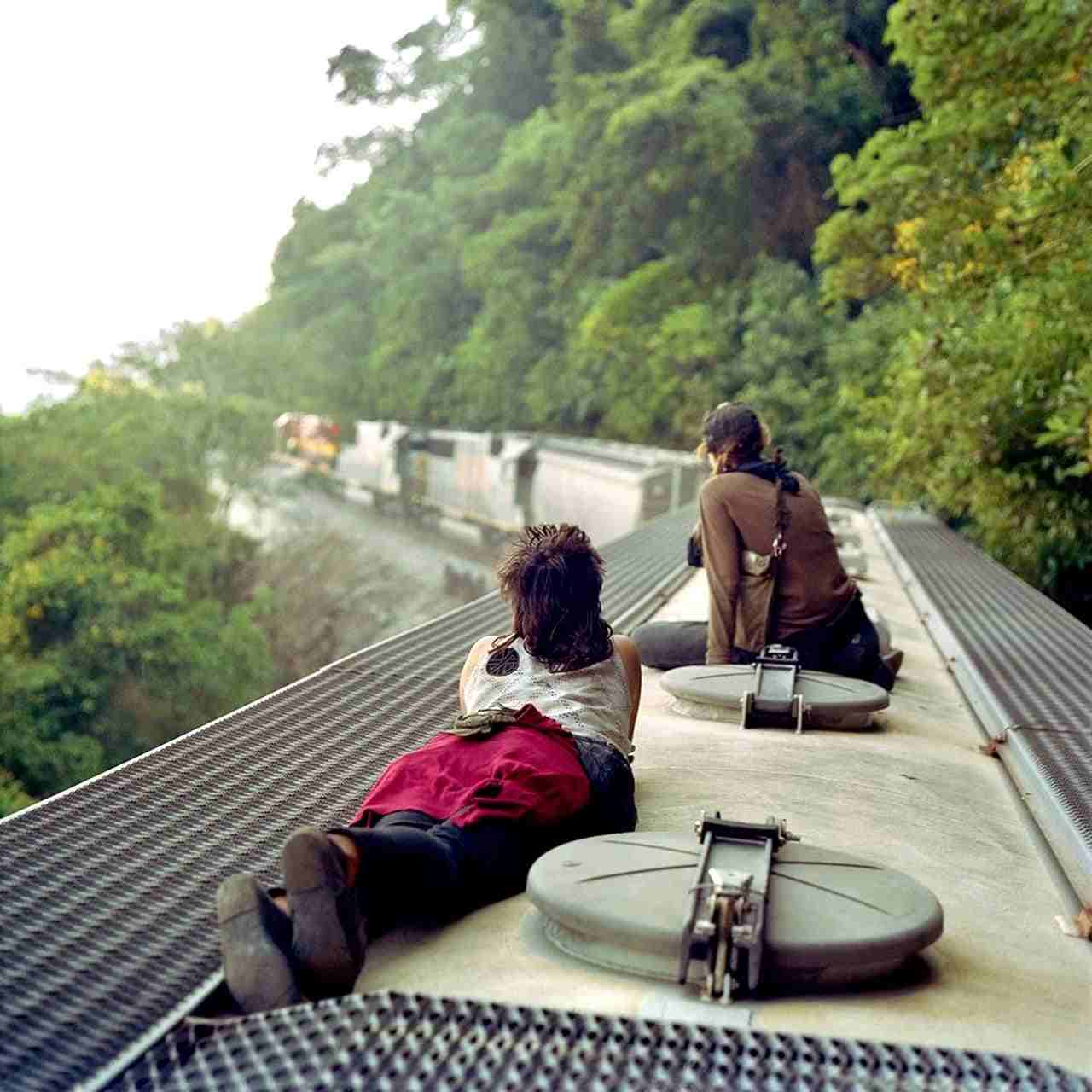
Non tornarono alla capanna. Si arrampicarono invece lungo l’erta scarpata, facendosi strada tra la fitta vegetazione, verso gli alti binari in ferro della linea ferroviaria Northern Pacific che tagliava la gola. Poi si appostarono e attesero. Aspettarono che il treno merci di mezzanotte rallentasse fino quasi a fermarsi, affrontando il ripido tratto in salita che usciva da Black Horse Creek.
Quando il rombo cupo e profondo della locomotiva fece vibrare i binari, aveva già iniziato a piovere, cancellando le loro impronte. Un vagone merci vuoto passò davanti a loro; la pesante porta di legno era socchiusa, come un invito.
Erano saltati nel fiume da fuorilegge, ma ora viaggiavano verso l’alba, finalmente liberi.
Capitolo 5: La cartolina dalla costa
Passarono tre anni, lenti come un inverno nel Nord Dakota. Nella valle, la gente parlava ancora della tragedia al viadotto di Black Horse Creek. Un cantautore, giù a Bismarck, compose persino una ballata su quegli innamorati che avevano scelto il fiume piuttosto che un matrimonio forzato; il vecchio Walker, dal canto suo, finì per vendere metà della sua mandria, perché non riusciva più a sopportare la vista di quelle colline. Per tutti gli altri, Judson e Daisy erano diventati solo una storia di fantasmi.
Leggi anche: La saga della famiglia Casey: dall’Irlanda a Philadelphia, fino al Nord Dakota e ritorno – Parte 1
Ma io non ho mai creduto a quelle storie. Conoscevo i miei amici.
Nella primavera del 1971, mentre lavoravo alla stazione di servizio Mobil vicino all’autostrada, il postino lasciò una pila di bollette sul bancone macchiato di grasso. Proprio in mezzo, spiccava una cartolina: raffigurava un’ampia spiaggia sabbiosa e imponenti palme verdi, sotto un cielo così azzurro da sembrare finto.
Leggi anche: I nuovi progetti della regista Sasha Alessandra Carlesi: Il cuore rubato e Il tempo di nessuno
La girai. Il timbro postale indicava San Diego, in California. Non c’era alcun mittente, solo poche righe tracciate con una grafia corsiva, ordinata e familiare: quella di Daisy. Silas, qui il clima è caldo ogni giorno e l’oceano non ha correnti insidiose come quelle del torrente. Judson ha trovato lavoro in un cantiere navale vicino al porto, e io dipingo murales per un piccolo caffè in riva al mare. Ci siamo costruiti un mondo tutto nostro, proprio come ci avevi suggerito. Siamo al sicuro, Silas. Siamo felici. Grazie per aver custodito le nostre parole.
Sorrisi, sentendo il petto più leggero di quanto non fosse stato da anni. Misi la cartolina in tasca, uscii dall’officina e alzai lo sguardo verso il grande cielo vuoto del Nord Dakota. Ce l’avevano fatta. Stavano vivendo la loro vita, finalmente liberi.
Epilogo
A duemila miglia di distanza, le onde dell’Oceano Pacifico si infrangevano pigramente sulla sabbia calda di una spiaggia di San Diego. Il sole del tardo pomeriggio tingeva il cielo di un arancione brillante, proiettando ombre lunghe e serene lungo tutta la costa. Judson e Daisy camminavano mano nella mano lungo la riva, con l’acqua fresca che lambiva i loro piedi nudi. Daisy rise per qualcosa che Judson aveva detto, i capelli scuri mossi dalla brezza oceanica. Sembravano una delle tante giovani coppie innamorate della California, completamente assorti l’uno nell’altra e lontanissimi, come se si trovassero a milioni di chilometri di distanza, dalle fredde colline del North Dakota. Credevano che il passato fosse sepolto sul fondo del Black Horse Creek.
A pochi metri di distanza, un uomo se ne stava sdraiato su un telo da spiaggia a righe, godendosi gli ultimi scampoli di calore della giornata. Davanti a sé teneva un quotidiano nazionale ripiegato, di cui sfogliava le pagine con indolenza.
Lo sguardo gli cadde su un breve articolo di cronaca nera, relegato nelle pagine finali del giornale. Il titolo recitava: «I fuorilegge del viadotto: tre anni dopo, l’erede di un allevamento del North Dakota e la donna scomparsa sono ancora presunti morti». Proprio sotto il testo, una vecchia fotografia in bianco e nero scattata alla fiera della contea di Mercer ritraeva Judson e Daisy, l’uno accanto all’altra, mentre sorridevano dritti verso l’obiettivo.
Un’ombra si proiettò sul giornale
Un’ombra si proiettò sul giornale proprio mentre Judson e Daisy gli passavano accanto; i loro passi lasciavano impronte umide sulla sabbia.
L’uomo sul telo sbatté le palpebre, spostando lo sguardo dal bordo del giornale alla giovane coppia che procedeva oltre. Abbassò gli occhi sulla foto stampata, poi tornò a osservare il profilo dell’uomo – che portava il corpo con la postura rigida tipica di un allevatore – e la bellissima ragazza, di origini in parte native, che gli camminava al fianco.
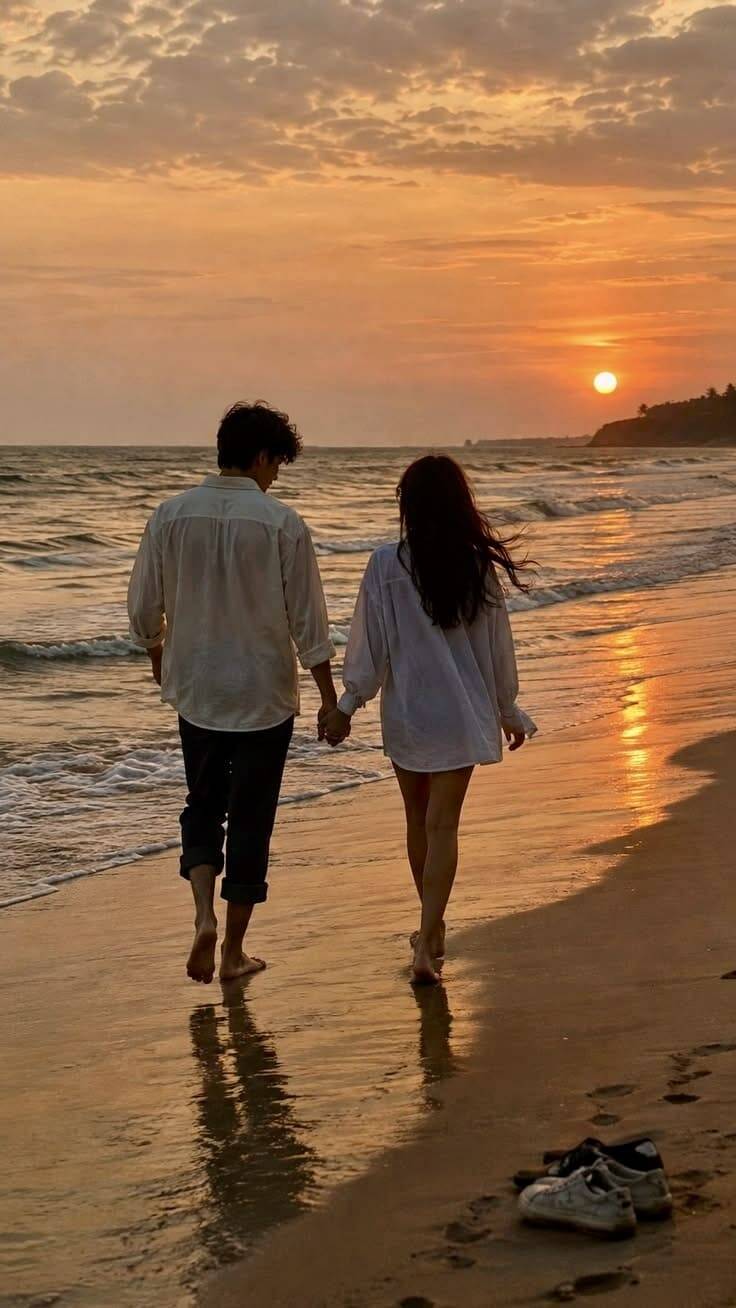
Lo sconosciuto abbassò il giornale di qualche centimetro, fissando intensamente la nuca dei due mentre si allontanavano lungo la spiaggia, del tutto ignari del mondo che, inesorabile, si stava stringendo attorno a loro.
THE DAY JUDSON AND DAISY JUMPED OFF THE BLACK RIVER TRESTLE A Tale Of Love, Words, And The (?)
Chapter 1: The Fair and the Flight
When I stepped out into the heavy August heat of the county fairgrounds, I only had two things on my mind: finding a shade tree and keeping my friend Judson Walker out of trouble. Judson’s family owns the Walker Ranch, the biggest cattle outfit in the whole county. Around here, that makes his folksroyalty. It means Judson was expected to marry a girl with a trust fund and a clean dress. I’m just Silas Cross. I live over on the reservation, work when there’s work, and don’t care much for high-society folks. But Judson and I had been tight since we were boys, fixing up old trucks together behind his dad’s barn. He never treated me like I was beneath him.
Then we walked past the ring-toss game, and everything changed. Daisy Barnett was working the booth, wiping sweat from her forehead. Her hair was dark as a crow’s wing. She was half-white and half-Indian, just like me, and her eyes had that tough look you get when you’ve had to fight for every meal you ever ate. Judson stopped dead in his tracks. He walked over, bought three wooden rings, and looked right at her. Daisy looked back. I stood there and watched it happen—this electric spark between a rich rancher’s son and a girl from the wrong side of the tracks. Right then, I knew there was going to be hell to pay.
They started meeting in secret, and I was the one who made it possible. I’d cover for Judson when his old man thought he was out checking fences. I suggested the old, abandoned cabin up in the rugged hills by Black Horse Creek where nobody ever went. They fell madly, deeply in love up there, away from the poison in the valley. Because when the families found out, the poison came spilling out fast. Judson’s folks were completely horrified. His old man called Daisy riff-raff and threatened to ruin her.
It was even worse for Daisy. Her dad was a drifter who had a fling with her mother and hopped the next train out of town before Daisy was even born. Her mom was broke, desperate for money, and scrubbed floors for the wealthiest, nastiest bachelor around: Slimy Clyde Appleton. Clyde was old, greasy, and looked at Daisy like a piece of property. He offered to wipe out her mom’s debts on one condition—he wanted Daisy as his bride. Drowning in bills, her mom promised her away. They set the wedding date for today. But Judson and Daisy chose to fight.
They ran away to that cabin in the hills, cutting off the whole world. I was the one who knew where they were. I was the one buying their groceries, keeping their secret, and trying to protect them. But as I packed my truck to head up the mountain this morning, I had a terrible feeling in my gut. The valley was hunting them, and I was running out of time.
Chapter 2: The Trestle and the Leap
The grocery sack was heavy in my arms, the paper damp with sweat from the long walk up the ridge. I had to leave my truck a mile back so no one would spot it from the main road. The air was thick and still, the kind of North Dakota heat that makes the pine trees smell like pitch. I was just rounding the bend where the trail cuts through the thick birch woods when the low rumble of an engine made me freeze.
I ducked behind a boulder as a rusted pickup truck rattled past, kicking up dust. Through the cracked windshield, I saw the greasy, furious face of Slimy Clyde Appleton. He had three of his roughest ranch hands crammed in the cab with him. My heart dropped straight into my boots. They knew.
Before the dust from Clyde’s truck could even settle, a second engine roared from the lower trail. It was a brand-new, polished Ford—Judson’s father, old man Walker, with his own hired men hanging off the bed. They were coming from two different directions, a pincer movement designed to trap the ghosts they’d been hunting. I dropped the grocery sack into the dirt, cans of beans and a loaf of bread spilling into the weeds, and I started to run.
I busted out of the treeline just in time to see the worst nightmare of my life unfold. Judson and Daisy had heard the trucks. They had run from the cabin, trying to make it across the Black Horse Creek Trestle to the deep timber on the other side of the canyon. But they didn’t make it. Clyde’s truck skidded to a halt on the east bank, his men piling out with rifles. A second later, Walker’s truck slammed its brakes on the west bank. There they were. Judson and Daisy, trapped right in the middle of the high timber trestle, suspended a hundred feet above the swirling, rushing waters and the jagged grey rocks of Black Horse Creek.
“Judson!” his father bellowed from the west side, his voice echoing off the canyon walls. “Get away from that girl and get off that track!” From the east side, Clyde Appleton pulled a hunting knife from his belt, his eyes wild with a losing man’s rage. “She’s my wife today, Walker! You touch her and I’ll gut you!”
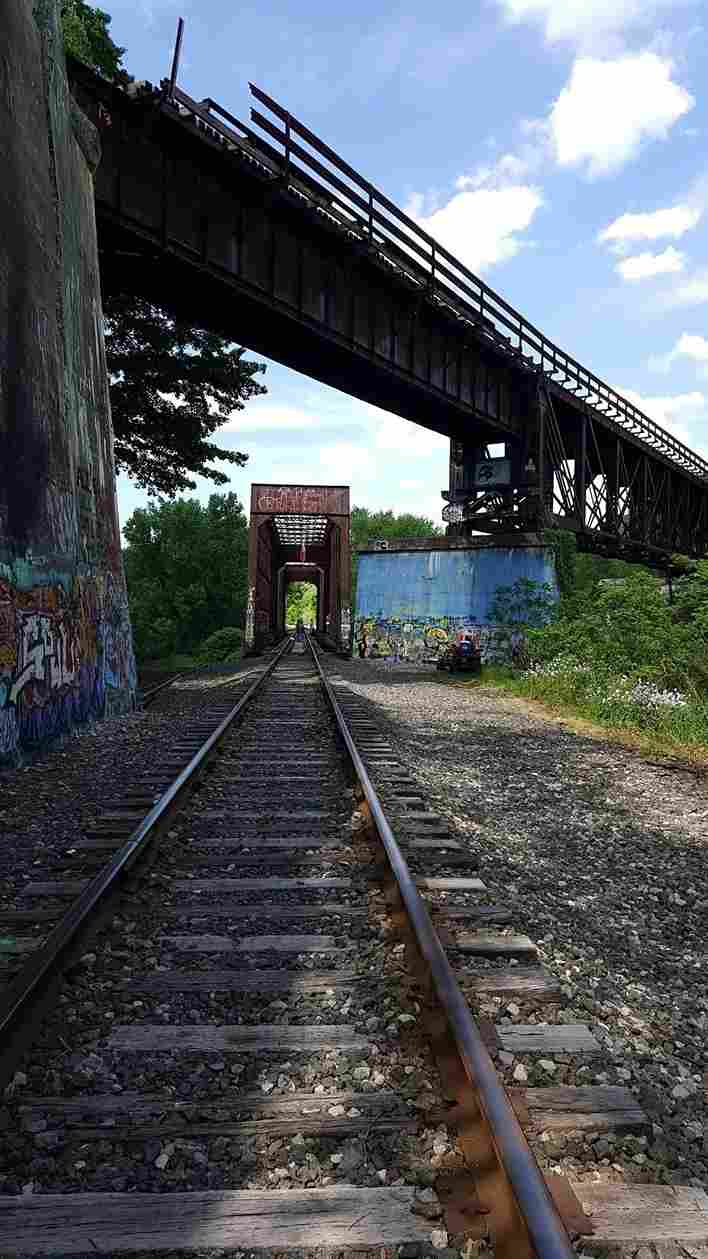
The men started moving onto the narrow wooden ties from both sides, closing the gap. I was standing at the edge of the woods, completely paralyzed. I wanted to scream, to draw a gun I didn’t have, to do something. But there were too many of them, and the distance was too great. In the middle of that bridge, surrounded by nothing but hatred and bad blood, Judson and Daisy didn’t look at the men closing in. They only looked at each other. I watched them join their trembling hands. Even from a distance, I could see the fierce, unbroken look on Daisy’s face. They stood tall, right on the edge of the timber ties. Loud enough for the canyon to carry it, they called out a vow, declaring themselves wed for now and forever.
They shared one final, deep kiss.
“No!” I finally found my voice, screaming into the wind, taking a desperate step forward. But it was too late. They didn’t let the valley touch them. Still holding hands, they stepped off the edge of the Black Horse Creek Trestle, plunging downward through the empty air, straight into the roaring white water below.
Chapter 3: The Weight of the Words
The sheriff’s office smelled of stale chicory coffee and old cigarette smoke. I sat in a hard wooden chair right across from Sheriff Miller, who was rubbing his temples like he had a headache that wouldn’t quit. On the other side of the room stood old man Walker, his face pale and stone-cold, staring at the floorboards. Miller leaned forward, tapping a yellow legal pad with his pen. “Let’s go over it again, Silas. And don’t give me any more ghost stories. Just the words.Exactly what did you see?”
“I told you three times already,” I said, my voice tight. My throat felt like it was
full of sand. “They were out on the middle of the Black Horse Creek Trestle. Your men were on one side, and Clyde’s were on the other. They didn’t have anywhere to go.”
“And they just jumped?” Walker’s voice cracked. It was the first time I’d ever heard the old man sound fragile. “My boy just stepped off a hundred-foot drop because of some girl?”
“They didn’t jump because of her, Mr. Walker,” I said, looking him dead in the eye. “They jumped because of you. Both of you. They held hands, they said, that they were married forever, and then they jumped, and the water took them.”
Miller shook his head, writing something down. The scratch of his pen sounded incredibly loud in the small room. Words. That’s all they wanted from me. They wanted me to put down on paper that my best friends were dead so they could close the file, wash their hands of the blood, and go back to running the county. The search parties spent two days combing the banks downstream, but the current was roaring from the summer rains. They didn’t find a jacket, a boot, or a body. To the law, they were gone. To the valley, they were a tragedy to be whispered about.
“You’re free to go, Silas,” Miller finally said, ripping the page off his pad. “But don’t go leaving the county. We might have more questions.” I stood up and walked out into the cool night air, leaving them alone with their paperwork and their guilt. They thought they had the whole story figured out. But they didn’t know everything.
Chapter 4: The Freight Train East
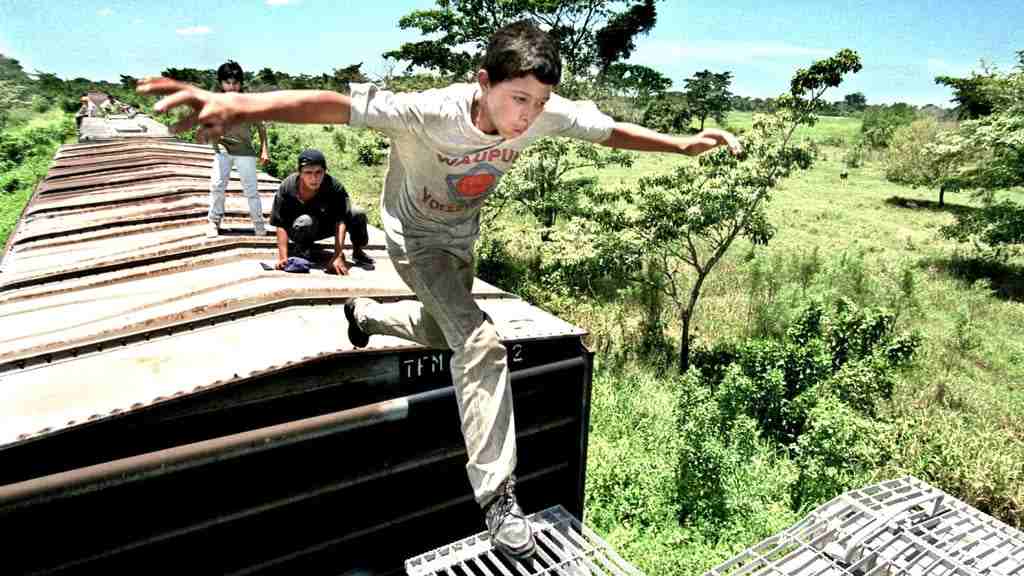
What I didn’t tell the sheriff,what I would never tell a soul in that valley, was what happened after the splash. When Judson and Daisy hit that swirling white water, they didn’t hit the jagged rocks. They hit a deep, swirling pool right under the bend of the canyon, a secret swimming hole Judson and I had found when we were twelve years old. The current was brutal, dragging them under until their lungs burned, but they kept their hands locked tight. They fought the river together, kicking toward the southern bank until they finally dragged themselves up onto the muddy gravel, coughing up foam and gasping for air.
They were bruised, freezing, and soaking wet, but they were alive. And for the first time in their lives, they were completely dead to the world below. They didn’t go back to the cabin. Instead, they scrambled up the steep embankment through the thick brush, making their way toward the high iron rails of the Northern Pacific Railroad line that cut right through the gorge.
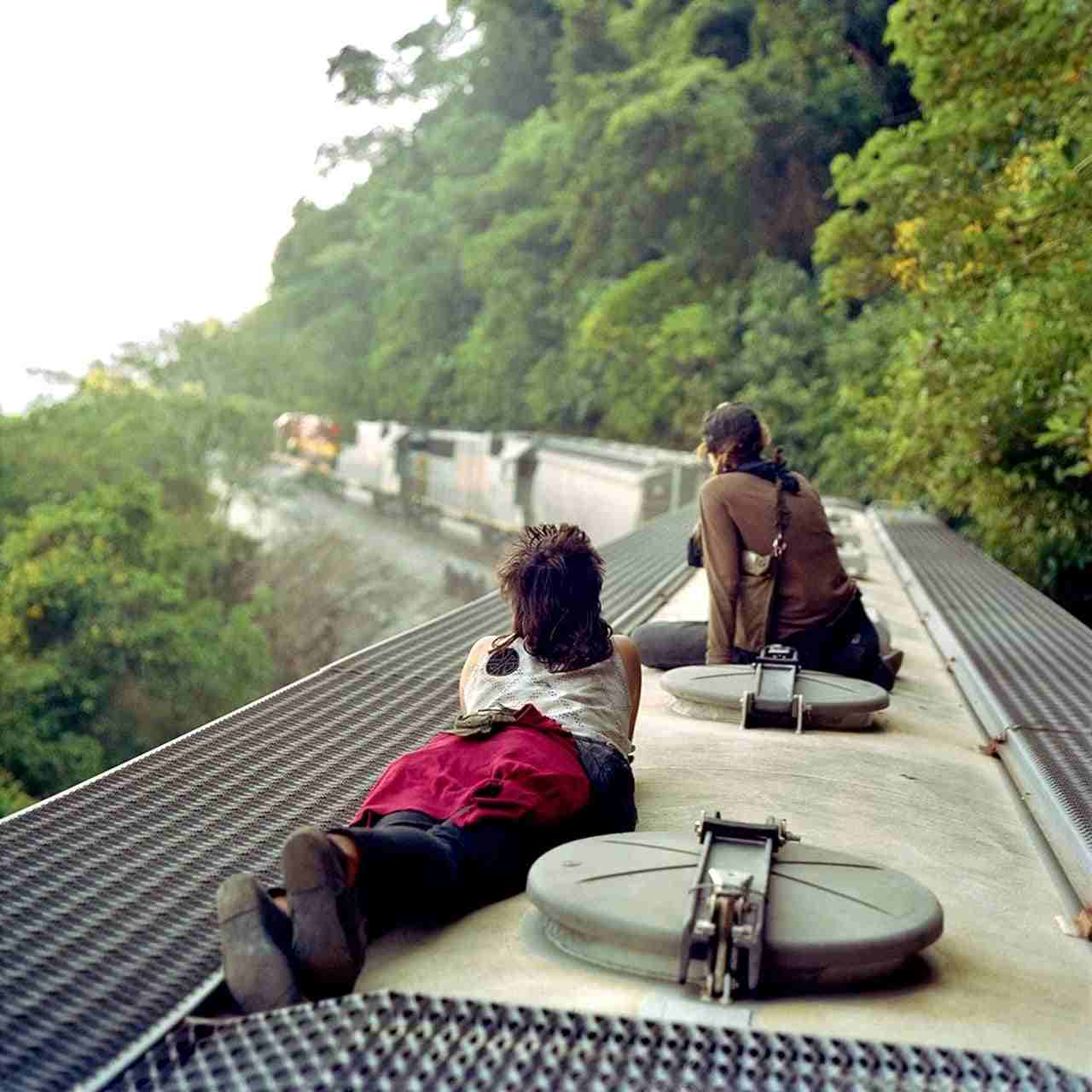
Then they hunkered down and waited. Till the midnight freight train slowed down to a crawl when it hit the steep grade climbing out of Black Horse Creek. By the time the low, heavy rumble of the locomotive vibrated through the tracks, the rain had started to fall, washing away their footprints. An empty boxcar rolled past, its heavy wooden door slid halfway open like an invitation. Judson caught the iron grab-iron first, swinging his wet boots onto the metal ledge. He turned back, stretching his arm out into the dark. Daisy didn’t hesitate. She took three running steps alongside the rattling train and grabbed his hand. He hauled her up into the dry, straw-scented darkness of the car just as the diesel engines roared, gaining speed and pulling them away from Mercer County forever. They made mad, passionate love , then sat on the wooden floor of the boxcar, wrapped in each other’s arms to stay warm, watching the lights of the valley fade into the North Dakota night. Down there, people were crying, fighting, and writing reports. But up here, there was nothing but the steady, rhythmic clatter of the tracks underneath them. They didn’t have any money, and they didn’t have a plan. But as the train picked up speed, heading west toward a completely blank horizon, they both smiled. They had jumped into the river as outlaws, but they were riding into the sunrise completely free.
Chapter 5: The Postcard from the Coast (Epilogue)
Three years went by like a slow North Dakota winter. In the valley, people still talked about the tragedy at Black Horse Creek Trestle. A songwriter down in Bismarck even wrote a ballad about the lovers who chose the river over a forced wedding, and old man Walker eventually sold off half his herd because he couldn’t stand looking at the hills anymore. For everyone else, Judson and Daisy had become a ghost story. But I never bought into the ghost stories. I knew my friends.
In the spring of 1971, I was working at the Mobil station off the highway when the mailman dropped a stack of bills on the grease-stained counter. Right in the middle of them was a postcard with a picture of a wide, sandy beach and giant green palm trees under a sky so blue it looked fake. I flipped it over. The postmark said San Diego, California. There was no return address, just a few lines written in a neat, familiar cursive that belonged to Daisy: Silas,
The weather down here is warm every day, and the ocean doesn’t have any currents like the creek. Judson got a job at a boatyard by the harbor, and I’m painting murals for a little café near the water. We built our own world out here, just like you said we should. We’re safe, Silas. We’re happy. Thank you for keeping the words. I smiled, my chest feeling lighter than it had in years. I pocketed the card, stepped out of the garage, and looked up at the big, empty North Dakota sky. They had made it. They were living their part, completely free.
The Epilogue
Two thousand miles away, the Pacific surf rolled lazily onto the warm sand of a San Diego beach. The late afternoon sun was turning the sky a brilliant shade of orange, casting long, peaceful shadows across the coast. Judson and Daisy walked hand-in-hand along the shoreline, the cool water lapping at their bare feet. Daisy laughed at something Judson said, her dark hair blowing back in the ocean breeze. They looked like any other young California couple in love, entirely wrapped up in each other and a million miles away from the cold hills of North Dakota. They thought the past was buried at the bottom of Black Horse Creek.
A few yards away, a man was lounging on a striped beach blanket, soaking in the last bits of the day’s warmth. He had a folded copy of a national newspaper propped up in front of him, turning the pages lazily.
His eyes scanned a small true-crime article tucked into the back section of the paper. The headline read: The Trestle Outlaws: Three Years Later, North Dakota Cattle Heir and Missing Woman Still Presumed Dead. Right below the text was an old black-and-white photograph from the Mercer County Fair—Judson and Daisy, standing side-by-side, smiling directly at the camera. A shadow fell across the newspaper as Judson and Daisy walked past his blanket, their footsteps leaving damp imprints in the sand.

The man on the blanket blinked, his gaze shifting from the edge of the paper to the young couple walking by. He looked down at the photo in the newsprint. He looked back up at the profile of the man with the starched-ranch posture and the beautiful half-Native girl walking at his side. The stranger lowered the newspaper just an inch, his eyes locking onto the back of their heads as they continued down the beach, completely oblivious to the world closing in.
Ti è piaciuto questo articolo?










Discussione 0
Regole della discussione
Per pubblicare serve un account BACKdigit, gratuito: bastano pochi secondi.
Nessun messaggio ancora. Inizia tu la discussione.