
Radio Online

La volpe sul ghiaccio: il folklore gotico di Foxtrot dei Genesis
Foxtrot: Come i Genesis (LINK) trasformato una fiaba medievale nella più grande epopea del rock.
Dimenticate i libri di storia del rock. Per comprendere appieno *Foxtrot*, il capolavoro del 1972 dei Genesis, bisogna mettere da parte le classifiche musicali e prendere in mano un libro di antiche leggende britanniche.
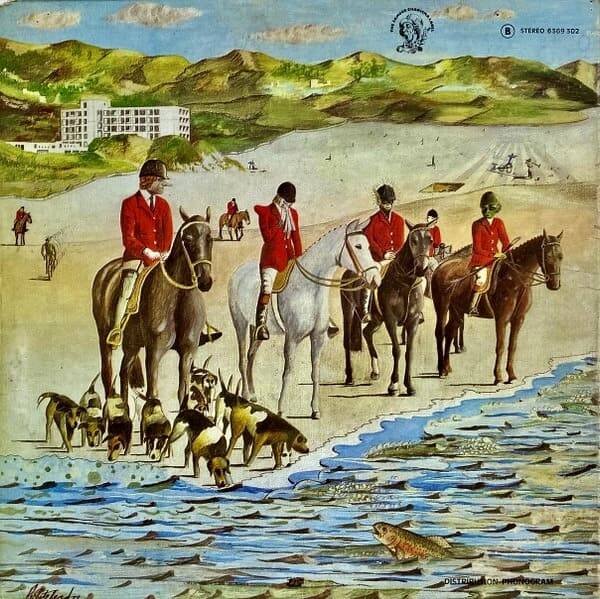
Genesis Foxtrot
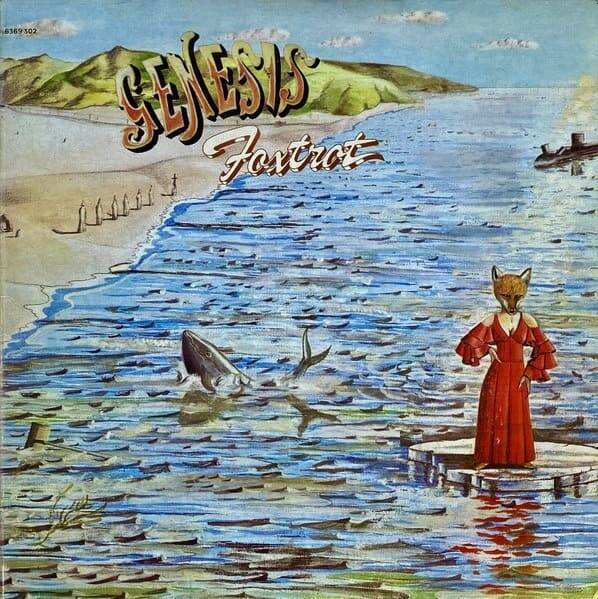
La magia unica di questo album risiede nella sensazione che trasmette: quella di un antico volume rilegato in pelle, polveroso e pieno di fiabe oscure, scoperto in un angolo nascosto di una vecchia biblioteca. Possiede un fascino rustico e acustico che ricorda il mondo degli Hobbit, ma cela al contempo una vena gotica e tagliente. Sotto il folklore fiabesco si cela un universo di maree mutevoli, mostri aziendali e battaglie apocalittiche.
Genesis Foxtrot
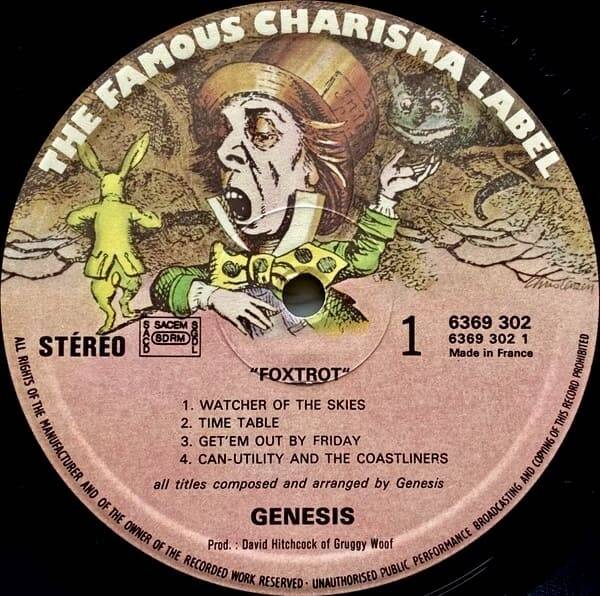
Cronaca brano per brano – 1. “Watcher of the Skies”
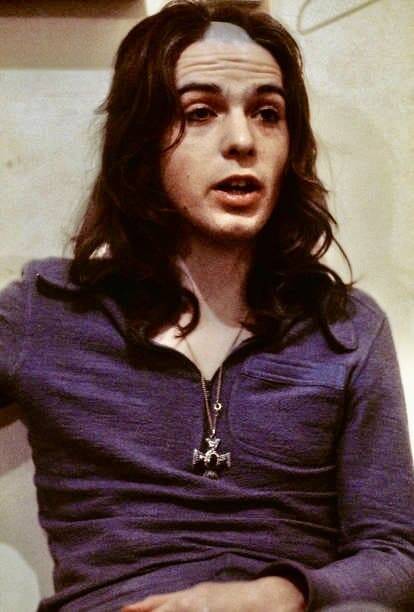
La storia: Un guardiano solitario osserva dall’alto una Terra deserta e post-apocalittica. Contributi musicali: Tony Banks apre l’album con un’introduzione iconica e inquietante al Mellotron, che evoca l’immagine di una nebbia che si dirada su un paesaggio antico. Mike Rutherford e Phil Collins danno solidità al brano con un ritmo incalzante e staccato, che richiama una marcia pesante e cadenzata. L’illuminazione: Questo brano funge da oscuro prologo dell’album. L’interpretazione vocale di Peter Gabriel è teatrale e distaccata, quasi come quella di un narratore onnisciente. La genialità del pezzo risiede nel contrasto: le note di chitarra distorte e svettanti di Steve Hackett si contrappongono ai rigidi accordi di tastiera di Banks, catturando perfettamente la tensione di un mondo ormai abbandonato a se stesso.
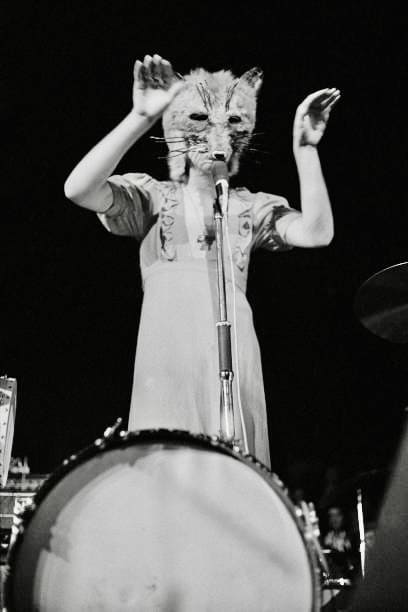
Fondendo miti antichi e inquietudini moderne, i Genesis hanno creato un linguaggio musicale che appare completamente fuori dal tempo.
Genesis Foxtrot
2. “Time Table”
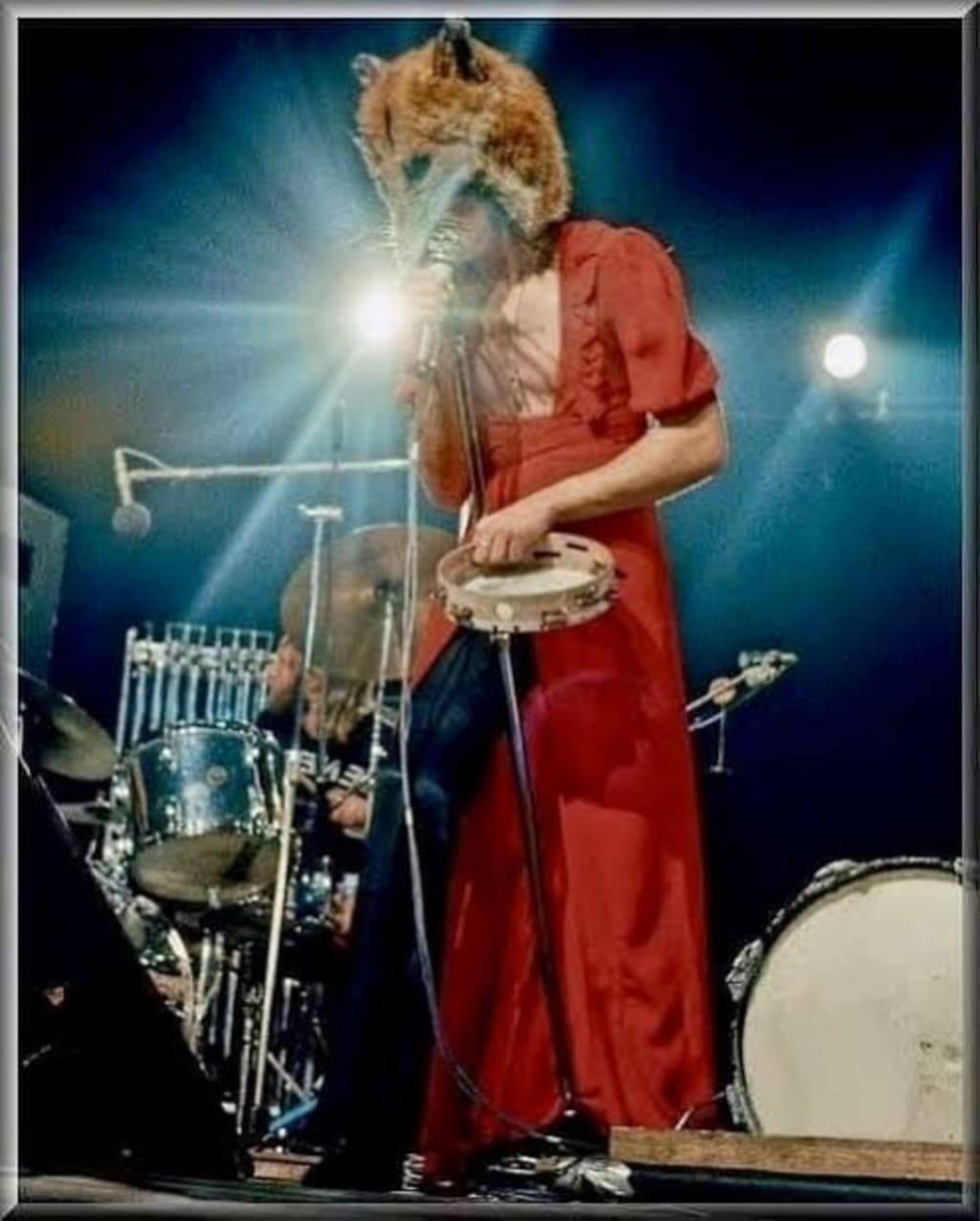
La storia: Una riflessione pacata su una sala da banchetti medievale ormai in rovina, dove un tempo si riunivano re, regine e valorosi cavalieri d’altri tempi. Contributi musicali: Tony Banks guida il brano con una splendida melodia di pianoforte a coda, fluida e a cascata. Peter Gabriel offre una delle sue interpretazioni vocali più delicate ed emozionanti dell’intero album. L’illuminazione: È il brano più squisitamente “medievale” del disco. Evoca l’atmosfera di una storia raccontata attorno a un falò in un’accogliente locanda. Sebbene venga spesso trascurato, il brano conferisce un peso emotivo fondamentale all’opera. Piange la perdita della cavalleria e della tradizione, affidandosi al delicato arpeggio acustico di Rutherford per ancorare la melodia a un’atmosfera folk calda e nostalgica.
3. “Get Them Out by Friday”
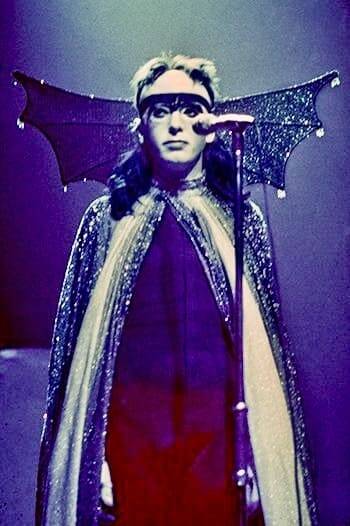
La storia: Una cupa favola fantascientifica in stile dickensiano, in cui spietati proprietari di casa sfrattano gli inquilini e rimpiccioliscono geneticamente gli esseri umani per stiparli in abitazioni più piccole. Contributi musicali: Peter Gabriel brilla in questo brano, modulando istantaneamente la voce per interpretare tre personaggi completamente diversi. Phil Collins guida la narrazione caotica e mutevole con frenetici passaggi di batteria dalle venature jazz. L’illuminazione: Questa canzone conferisce all’album una svolta teatrale unica. Funziona come una cupa rappresentazione di teatro di strada; la musica cambia continuamente tonalità e tempo per riflettere il dialogo. I fraseggi di chitarra taglienti e incisivi di Hackett fungono da perfetta punteggiatura musicale alle crudeli pretese del proprietario di casa, creando un racconto teso e geniale.
4. “Can-Utility and the Coastliners”
La storia: La leggenda classica di Re Canuto, che piazzò il suo trono sulla spiaggia per dimostrare alla sua corte di adulatori di non poter controllare il mare. Contributi musicali: Steve Hackett costruisce magistralmente il brano, trasformandolo da un tranquillo pezzo acustico in una tempesta elettrica. I pedali del basso di Rutherford, pesanti e cupi, trasmettono la sensazione fisica della marea travolgente. L’illuminazione: È il gioiello nascosto del primo lato dell’album. Cattura la vera essenza di una fiaba oscura: la tracotanza che va incontro alla distruzione. La transizione da una delicata ballata folk a un climax fragoroso dominato dall’organo è sbalorditiva. Quando l’organo di Banks esplode insieme alla batteria dirompente di Collins, si percepisce quasi l’acqua gelida dell’oceano infrangersi sulla corona del re.
5. “Horizons”
La storia: Il risveglio all’alba nella quiete della campagna inglese. Contributo musicale: Un brano solistico per il chitarrista Steve Hackett, che suona una chitarra acustica con corde in nylon. L’illuminazione: Il pezzo trae forte ispirazione dal Preludio della Suite per violoncello n. 1 di Bach, ma Hackett vi infonde un sapore pastorale e rinascimentale. Funge da perfetto momento di distensione e pulizia sonora: offre un rifugio acustico e sereno che prepara l’ascoltatore al grande viaggio che lo attende, evocando l’atmosfera di una tranquilla mattina nella Contea.
6. “Supper’s Ready”
La storia: Un’epopea di ventitré minuti suddivisa in sette parti; inizia in un’accogliente stanza riscaldata dal fuoco, con due innamorati, per poi espandersi in una battaglia cosmica e cinematografica tra bene e male attraverso un paesaggio mitico. Contributo musicale: Una lezione magistrale di perfetta intesa di gruppo. Phil Collins guida la band con naturalezza attraverso tempi complessi e vertiginosi (in particolare il leggendario ritmo in 9/8). Tony Banks sostiene i picchi emotivi con stratificazioni di organi, Mellotron e un frenetico, storico assolo di tastiera.
Steve Hackett e la tecnica del tapping
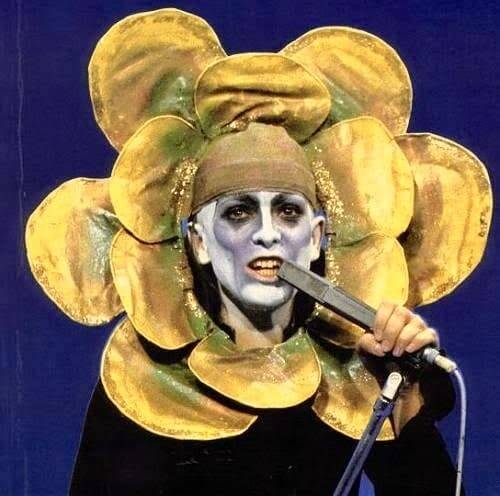
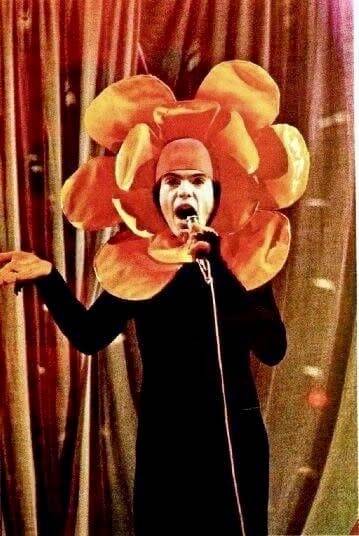
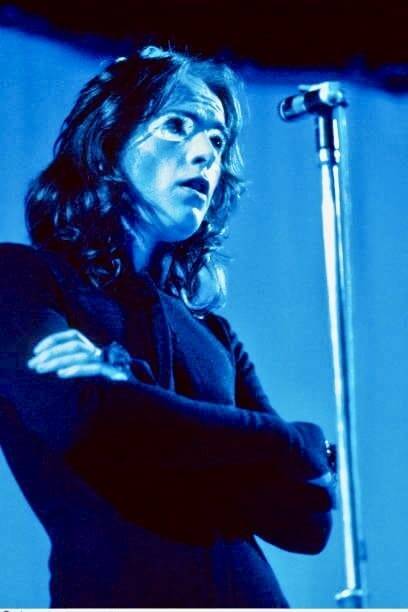
Steve Hackett utilizza tecniche pionieristiche come i *volume swells* (variazioni di volume) e il *tapping* per creare sonorità inquietanti e ultraterrene, mentre Michael Rutherford ancora le imponenti transizioni sonore con chitarre acustiche solide e il rombo profondo dei pedali bassi. L’illuminazione: Non è solo una canzone; è un film fantasy a tutti gli effetti che si svolge dietro le palpebre. Ognuno dei sette capitoli appare come una nuova scena di una pellicola epica. Si inizia con l’intimità acustica e calda, quasi “da Hobbit”, di “Lover’s Leap”, trasmettendo un senso di sicurezza accanto al focolare. Improvvisamente, lo scenario muta nel campo inquietante e avvolto dalla nebbia di “Guaranteed Eternal Sanctuary Man”. Proprio quando si crede di aver compreso il mondo del brano, la musica prende una piega surreale e cinematografica con “Willow Farm”, una bizzarra filastrocca sotterranea popolata da forme mutevoli e personaggi fiabeschi, stravaganti e oscuri.
Una folla giocosa
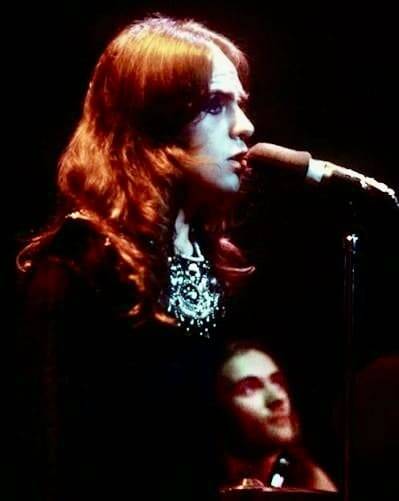
Questa follia giocosa viene immediatamente travolta da “The Apocalypse in 9/8”, brano che si sviluppa come il culmine ad alto budget di un film fantasy. L’organo di Banks ruggisce come un drago sulla batteria incalzante di Collins, mentre si consuma una guerra cosmica per le anime umane. Infine, le nubi si diradano per lasciare spazio a “As Sure As Eggs Is Eggs”: la voce di Gabriel si fa alta e trionfante, il basso trascinante di Rutherford solleva la melodia e l’album si chiude su un panorama cinematografico mozzafiato, una nuova valle dorata. Resta l’esempio supremo di come la musica possa dipingere un’epopea visiva di vasta portata senza mai aver bisogno di uno schermo.
L’incantesimo eterno di Foxtrot
Foxtrot rappresenta un traguardo monumentale, poiché ha dimostrato che il rock poteva possedere il peso, la profondità e l’atemporalità della letteratura classica. Intrecciando calore acustico, maestria strumentale e un folklore oscuro e bizzarro in un arazzo unico, i Genesis non si sono limitati a registrare un album: hanno evocato un mondo vivo. Il suo impatto sull’evoluzione del rock progressivo fu profondo e immediato. Definì il modello per il movimento prog “sinfonico”, ispirando generazioni di musicisti a concepire lo studio di registrazione come un teatro e il lato di un LP come una tela per narrazioni di ampio respiro. A decenni dalla sua uscita, l’album non ha risentito minimamente del passare del tempo; resta semplicemente in attesa nella sua custodia di velluto, pronto a trasportare il prossimo ascoltatore nella sua magica e senza tempo nebbia.
The Fox on the Ice: Decoding the Gothic Folklore of Genesis’s Foxtrot
How Genesis Spun a Medieval Fairytale into Rocks Greatest Epic.
Forget the rock history books. To truly understand Genesis 1972 masterpiece Foxtrot, you have to put down the music charts and pick up a book of ancient British lore.

The unique magic of this album lies in how it feels like a dusty, leather bound book Of dark fairy tales discovered in a hidden corner of an old library. It is “hobbity” in its rustic, acoustic charm, but it carries a sharp, gothic edge. Underneath the whimsical folklore lies a world of shifting tides, corporate monsters, and apocalyptic battles.
By blending ancient myths with modern anxieties, Genesis created a musical language that feels entirely outside of time.
The Track- by -Track Chronicle 1. “Watcher of the Sky”
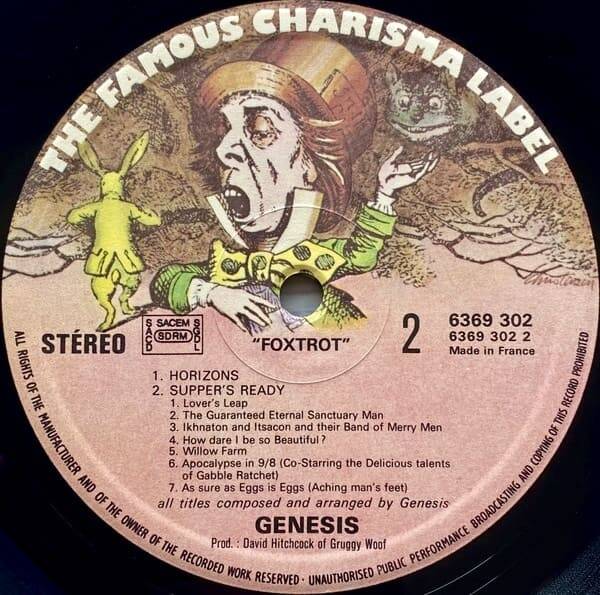
The Tale: A lonely guardian looks down on a deserted, post-apocalyptic Earth. Musical Contributions: Tony Banks opens the album with an iconic, eerie Mellotron introduction that sounds like a fog lifting over an ancient landscape.Michael Rutherford and Phil Collins anchor the track with a driving, staccato rhythm that mimics a heavy, deliberate march. The Illumination: This song serves as the album’s dark prologue. Peter Gabriel’s vocal delivery is theatrical and detached, acting as an omniscient narrator. The song’s brilliance in its contrast: Steve Hackett’s soaring, distorted guitar notes fight against Bank’s rigid keyboard chords, perfectly capturing the tension of a world left behind.
2. “Time Table”
The Tale: The quiet reflection on a ruined, medieval banquet hall where Kings, Queens, and brave knights of old once gathered. Musical Contributions: Tony Banks leads this track with a beautiful, cascading grand piano melody. Peter Gabriel delivers one of his most gentle, soulful vocal performances on the album. The Illumination: This is the most purely “Medieval” song on the record. It feels like a campfire story told in a cozy tavern. While it is often overlooked, the track provides crucial emotional weight. It mourns the loss of chivalry and tradition, using gentle acoustic strumming from Rutherford to ground the melody in a warm, nostalgic folk atmosphere.
3. “Get Them Out by Friday”
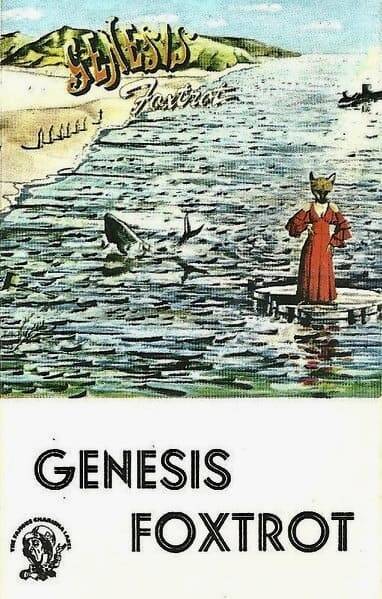
The Tale: A grim Dickensian sci-fi fable where ruthless landlords evict tenants and genetically shrink humans to pack them into smaller homes. Musical Contributions: Peter Gabriel shines here, shifting his voice instantly to play three entirely different characters. Phil Collins drives the chaotic,shifting narrative with frantic, jazz-fused drum fills. The Illumination: This song brings a unique, theatrical twist to the album. It functions like a dark street-theater play. The music shifts keys and tempos constantly to reflect the dialogue. Hackett’s sharp, biting guitar licks act as the perfect musical punctuation marks to the landlord’s cruel demands, creating a stressful, brilliant piece of storytelling.
4. “Can-Utility and the Coastliners”
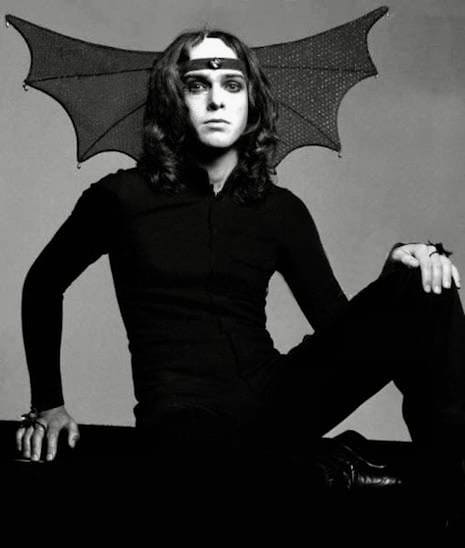
The Tale: The classic legend of King Canute, who placed his throne on the beach to prove to his flattering court that he could not control the sea. Musical Contributions: Steve Hackett masterly builds the track from a quiet acoustic piece into an electric storm. Rutherford’s heavy, rumbling bass pedals provide the physical sensation of the crushing tide. The Illumination: This is the hidden crown of of the album’s first side. It captures the true essence of a dark fairytale, hubris met with destruction. The transition from a gentle folk ballad to a roaring organ-driven climax is stunning. When Banks’ organ erupts alongside Collins’ explosive drumming, you can practically feel the freezing ocean water crashing over the king’s crown.
5. “Horizons”
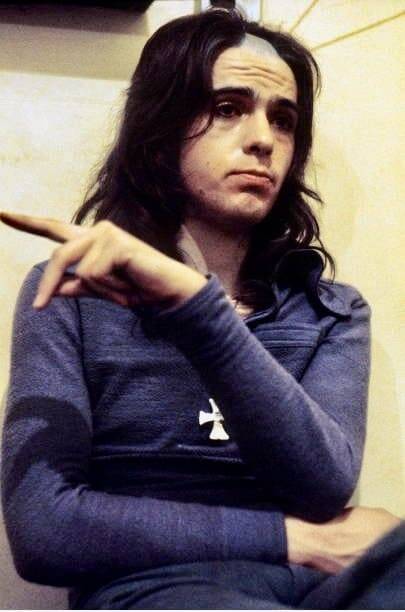
The Tale: A dawn awakening over a quiet English countryside. Musical Contributions: A solo showcase for guitarist Steve Hackett, playing a nylon string acoustic guitar. The Illumination: This piece is heavily inspired by Bach’s Prelude from Cello Suite No.1, but Hackett infuses it with a pastoral, Renaissance flavor. It acts like the ultimate palate cleanser. It provides a peaceful, acoustic sanctuary that prepares the listener for the massive journey ahead, feeling very much like a quiet morning in the shire.
Genesis Foxtrot
6. “Suppers Ready”
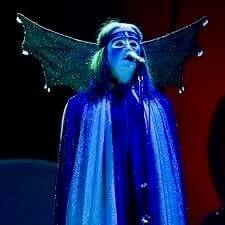
The Tale: A twenty three minute, seven part epic that begins in a cozy, firelit room with two lovers and expands into a cinematic cosmic battle between good and evil across a mythical landscape. Musical Contributions: A flawless masterclass in ensemble chemistry. Phil Collins effortlessly steers the band through dizzying, complex time signatures (particularly the legendary 9/8 rhythm). Tony Banks drives the emotional peaks with layers of organs, Mellotron, and a frantic, historical keyboard solo.
Steve Hackett and his tapping tecnique
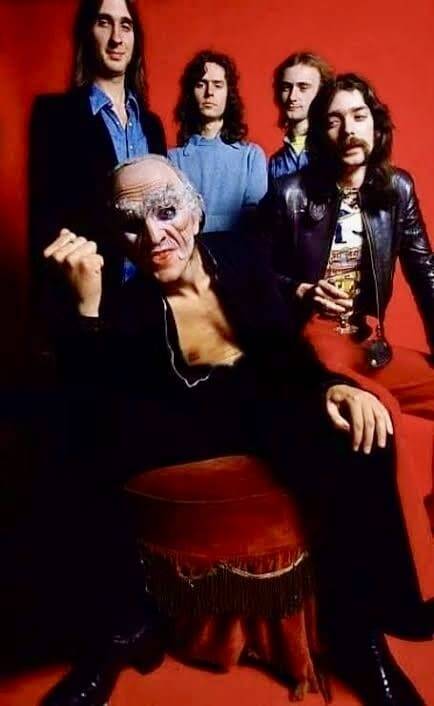
Steve Hackett uses pioneering volume swells and guitar tapping to create eerie, non-human textures, while Michael Rutherford anchors the massive sonic shifts with grounding acoustic guitars and rumbling bass pedals. The Illumination: This isn’t just a song; it is a full length fantasy film playing out behind your eyelids. Each of the seven chapters feels like a new scene in an epic movie. It begins with the warm, “hobbity” acoustic intimacy of “Lovers Leap,” making you feel safe by a hearth. Suddenly, the scenery shifts into the eerie, mist covered field of the “Guaranteed Eternal Sanctuary Man”. Just when you think you understand the world, the track takes a surreal, cinematic turn into “Willow Farm”, a bizarre subterranean nursery rhyme filled with changing shapes and whimsical, dark fairytale characters.
Genesis Foxtrot
A playful madness
This playful madness is instantly crushed by “The Apocalypse in 9/8”, which plays like the high budget climax of a fantasy film. Banks organ roars like a dragon over Collins relentless drumming as a cosmic war for human souls takes place. Finally the clouds part for “As Sureas Eggs is Eggs”. Gabriel’s vocals become soaring and triumphant, Rutherford’s driving bass lifts the melody, and the album closes on a breathtaking, cinematic panorama of a new, golden valley. It remains the ultimate example of how music can paint a vast, visual epic without ever needing a screen.
Genesis Foxtrot
The Eternal Spell of Foxtrot
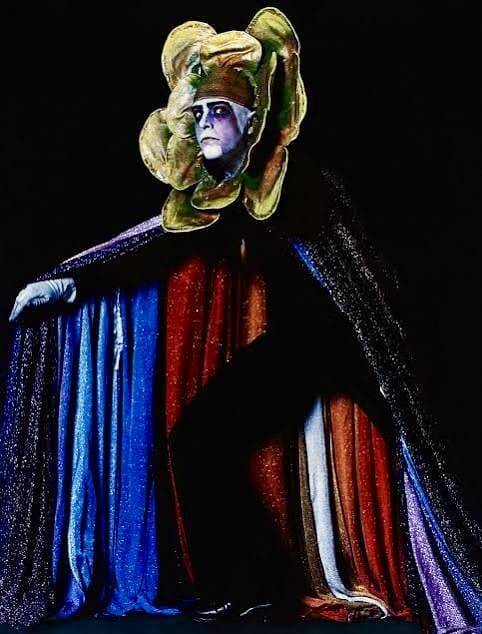
Foxtrot a monumental achievement because it proved that rock could possess the weight, depth,and timelessness of classical literature. By weaving acoustic warmth, complex musicianship, and dark,whimsical folklore into a singular tapestry, Genesis did not just record an album, they conjured a living world. It’s impact on the trajectory of progressive rock was profound and immediate. It established the definitive blueprint for the “symphonic” prog movement, inspiring generations of musicians to view the studio as a theater and an LP side a canvas for long form storytelling. Decades after its release, the album hasn’t aged a day; it simply remains waiting in its velvet sleeve, ready to sweep the next listener away into its magical timeless fog.
LEGGI ANCHE:
- LA VOLPE GENESIS of a Prog Band: nuovo reel su Foxtrot dei Genesis
- Perchè Anthony Phillips non appare nella videointervista del cofanetto deluxe From Genesis To Revelation
- From Genesis To Revelation: in edizione deluxe l’album che ha svelato la magia dei primi Genesis It./Eng. version
- Steve Hackett: esce Live Magic at Trading Boundaries
- Dieci cose che non sapete su Nad Sylvan – Ten things you don’t know about Nad Sylvan (english version)
- Jonas Reingold: tour in Usa con Steve Hackett
Altro per te
 progressive
The Making of Foxtrot: come nacque il capolavoro dei Genesis
Foxtrot è il quarto album in studio del gruppo progressive rock inglese Genesis. Fu pubblicato il 17 settembre 1972 su CharismaRecords. L'album fu scritto…
 LA VOLPE porta in tour i Genesis degli anni Settanta: “Looking For Someone…To Trust” parte da Roma
 LA VOLPE (Genesis of a Prog Band): Nine Minutes With LA VOLPE e concerto a Roma
 LA VOLPE – Genesis of a Prog Band: un viaggio dal vivo nella nascita del mito Genesis
 LA VOLPE live 1° Maggio 2026 a Roma (Chattanooga Saloon Appia)
 LA VOLPE (Genesis of a Prog Band): Online l’ultimo Short Reel verso il grande concerto di Roma.