
Radio Online

Una voce, mille vite: “I’m Every Woman” porta l’anima di Chaka Khan sul palcoscenico londinese
I’m Every Woman – The Chaka Khan (LINK) Musical Troubadour Wembley Park Theatre, Londra,16 settembre 2026
Ci sono musical che celebrano una carriera attraverso le canzoni e altri che cercano di scoprire la persona nascosta dietro il mito.
I’m Every Woman – The Chaka Khan Musical tenta entrambe le strade, trasformando la vita di Chaka Khan in un viaggio attraverso musica, famiglia, successo, dolore, dipendenze, maternità e desiderio di libertà.
La protagonista del musical Alexandra Burke
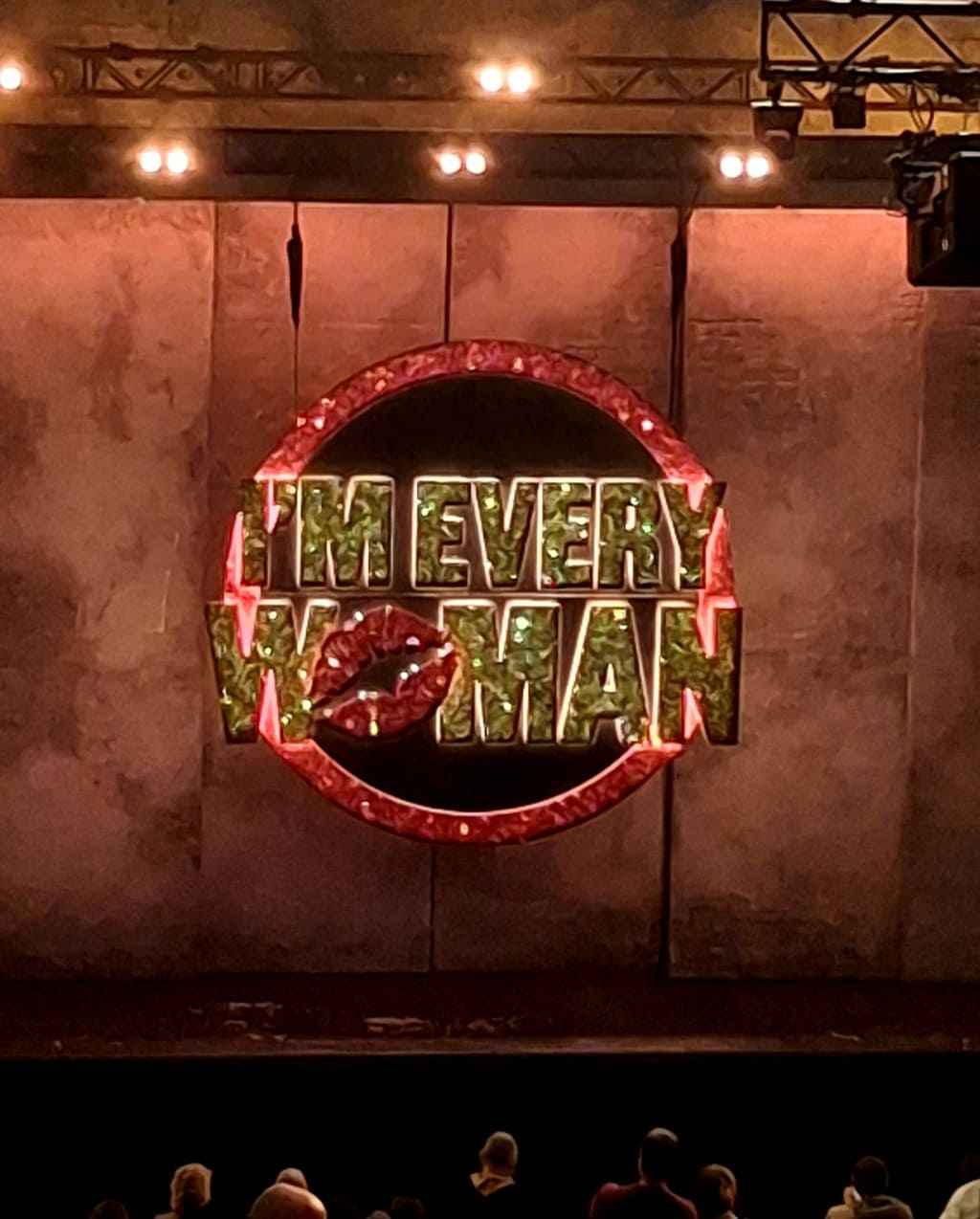
Il 16 settembre, al Troubadour Wembley Park Theatre, lo spettacolo trova in Alexandra Burke una protagonista dalla presenza scenica magnetica. (Alexandra Burke ha vinto la quinta edizione di The X Factor (Regno Unito) il 14 dicembre 2008.)
Sono proprio questi alcuni dei temi dichiaratamente al centro della produzione.
Il compito è tutt’altro che semplice: confrontarsi con una personalità e soprattutto con una voce entrate nella storia della musica, evitando che Chaka Khan diventi soltanto un’imitazione.
Burke sceglie invece di cercare la donna dietro la superstar. La sua potenza vocale emerge naturalmente nei grandi numeri musicali, ma sono anche i momenti più intimi a dare spessore alla sua interpretazione.
La Chaka che vediamo sul palcoscenico è energica e determinata, ma anche vulnerabile, divisa tra ambizioni artistiche, affetti, maternità e battaglie personali.
“I’m Every Woman”: gli altri interpreti
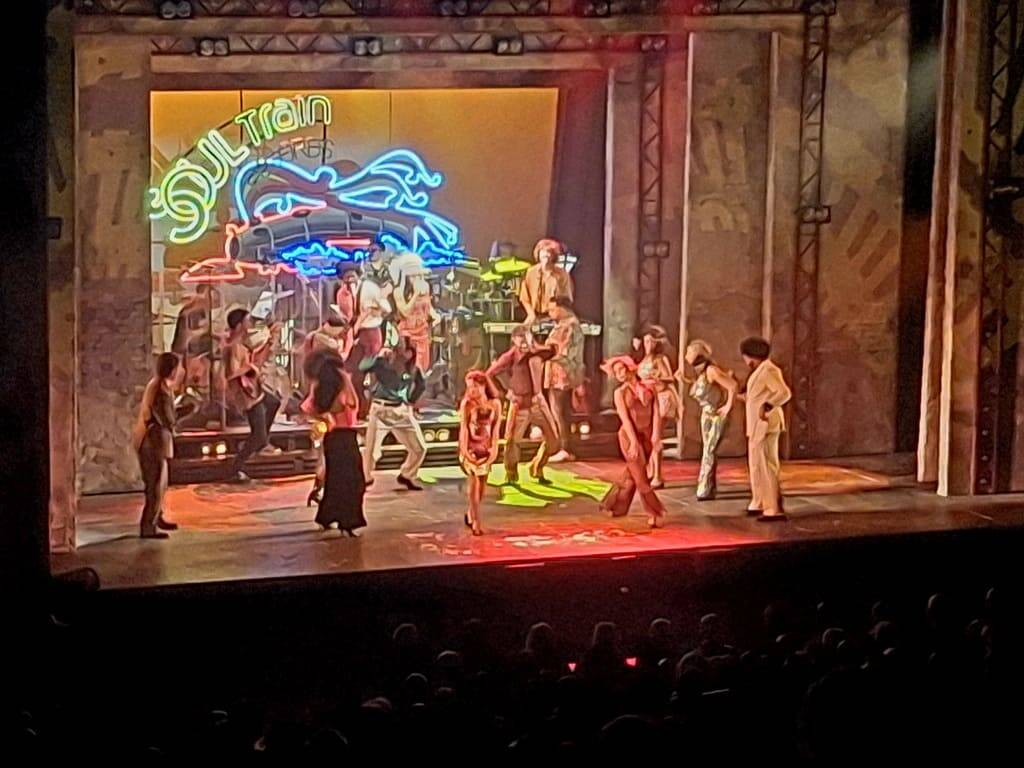
Eppure sarebbe ingiusto concentrare l’attenzione esclusivamente sulla protagonista. Una delle qualità più interessanti dello spettacolo è proprio la sua dimensione corale: intorno a Burke lavora una compagnia capace di dare personalità alle numerose figure che attraversano la vita dell’artista.
Chrissie Bhima, nel ruolo di Marie Stevens, contribuisce alla dimensione familiare del racconto, mentre Ashley Stroud, nei panni di Taka Boom, sorella di Chaka, porta sul palco energia e carattere.
Charlotte St. Croix interpreta invece Milini Khan e Whitney Houston, assumendo due identità molto diverse all’interno della storia. I ruoli sono confermati dal cast ufficiale della produzione.
Miles Anthony Daley e il suo doppio ruolo
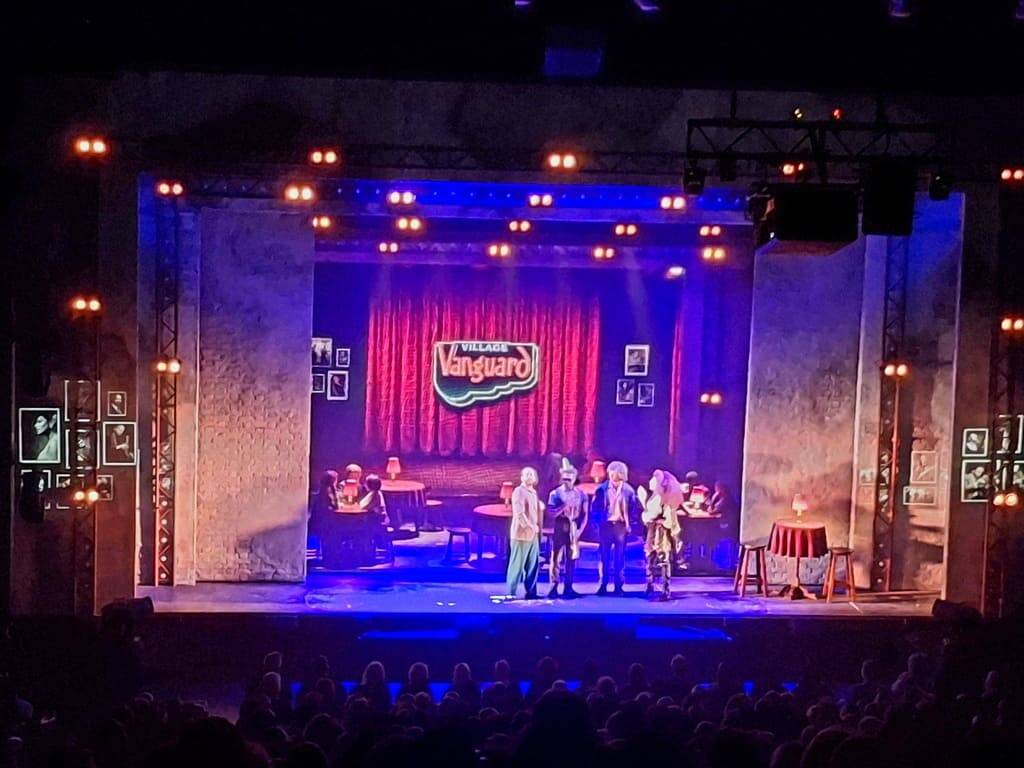
Particolarmente impegnativo è il lavoro di Miles Anthony Daley, chiamato a interpretare Richard Holland e Prince, mentre Jelani Munroe veste i panni di Hassan Khan e Luther Vandross. La presenza di personaggi appartenenti tanto alla vita privata quanto alla storia della musica permette alla produzione di muoversi continuamente tra biografia familiare e memoria collettiva.
Sophie Earl porta in scena Joni Mitchell; Teddy Wills interpreta Fred Hampton e Miles Davis; Chris Breistein è Steve Winwood.
Maryla Abraham interpreta Sandra Stevens, mentre Daniela Morain assume i ruoli di Tammy Michelle e Paulette Williams e Grant Zavitovsky quello di Bob Monaco.
Anche Samuel Sarpong-Broni, accreditato come Charles Stevens e Yoruba Priest, contribuisce alla ricchezza di una compagnia chiamata a passare continuamente fra epoche, ambienti e registri differenti.
Una menzione speciale per l’ensemble
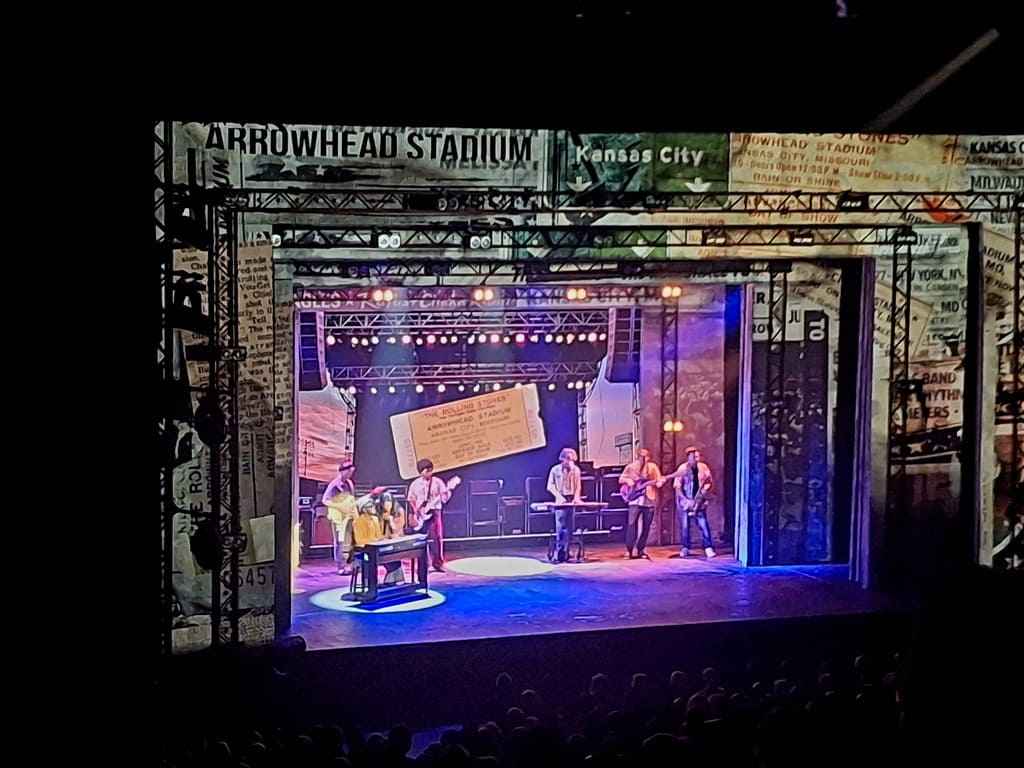
Merita una menzione speciale anche l’ensemble, con Nay Nay, Conor Wilkins, Lara Beth-Sas, Gregory Armand, Zinzilé Tshuma, Ryan Hughes e Oskarina O’Sullivan, insieme agli off-stage swings Amara Campbell, Nimi Spiff, Kazmin Borrer, Ryan Webb e Spin. Sono presenze essenziali per mantenere vivo il movimento dello spettacolo e trasformare le diverse fasi della storia in un racconto scenico dinamico.
Ed è proprio nella dimensione collettiva che I’m Every Woman acquista una parte importante della sua forza. Danza, canto e movimento impediscono alla produzione di trasformarsi in una semplice successione di episodi biografici, mentre le coreografie di Ebony Clarke accompagnano con energia un repertorio che invita quasi inevitabilmente il pubblico a partecipare emotivamente.
“I’m Every Woman”: la regia, il testo e la supervisione musicale
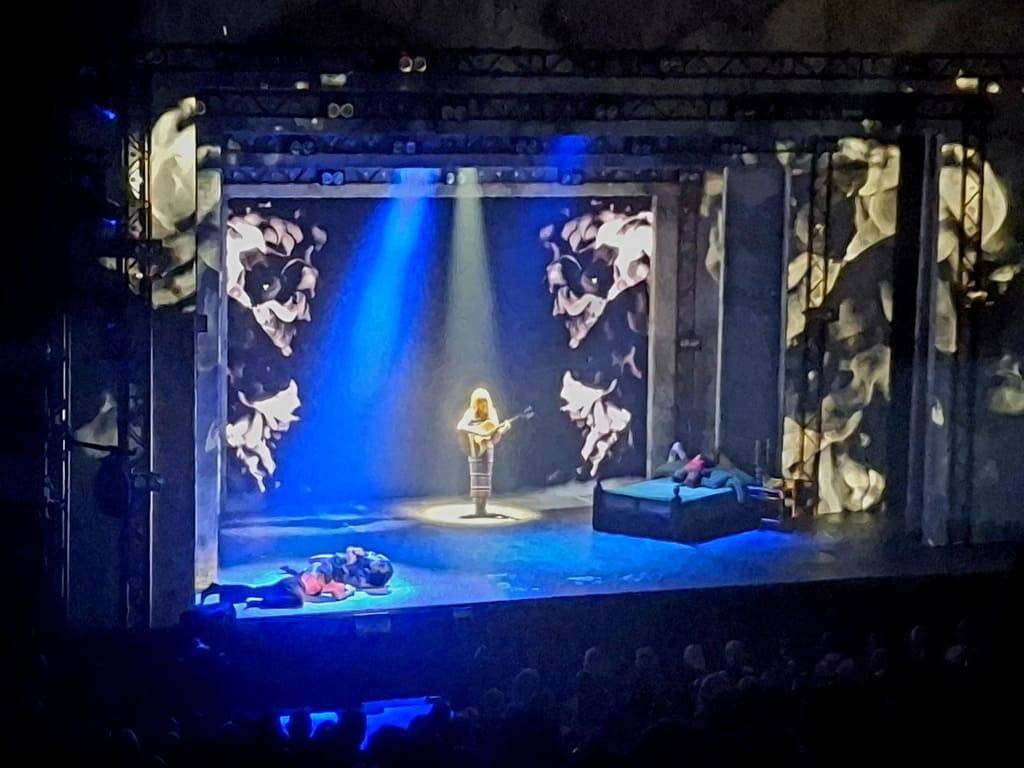
La regia è affidata a Racky Plews, mentre il testo è di Nia T. Hill e la supervisione musicale di Mark Crossland. Naturalmente, il vero battito cardiaco della serata resta la musica.
I Feel For You, Tell Me Something Good, Ain’t Nobody, Sweet Thing, Higher Love e Through the Fire fanno parte del repertorio utilizzato dallo spettacolo. Sono canzoni che il pubblico riconosce immediatamente, ma la produzione cerca di utilizzarle anche come elementi narrativi, collegandole alle diverse stagioni della vita della cantante. L’aspetto visivo accompagna efficacemente questo viaggio. Le scene di Sara Perks, i costumi di Natalie Pryce, le luci di Zoe Spurr, il sound design di Chris Whybrow, il video design di Buckloop e il lavoro di JJ Wigs per capelli, parrucche e trucco contribuiscono a evocare epoche e atmosfere differenti senza sottrarre centralità agli interpreti.
Il musical su Chaka Khan e il materiale biografico
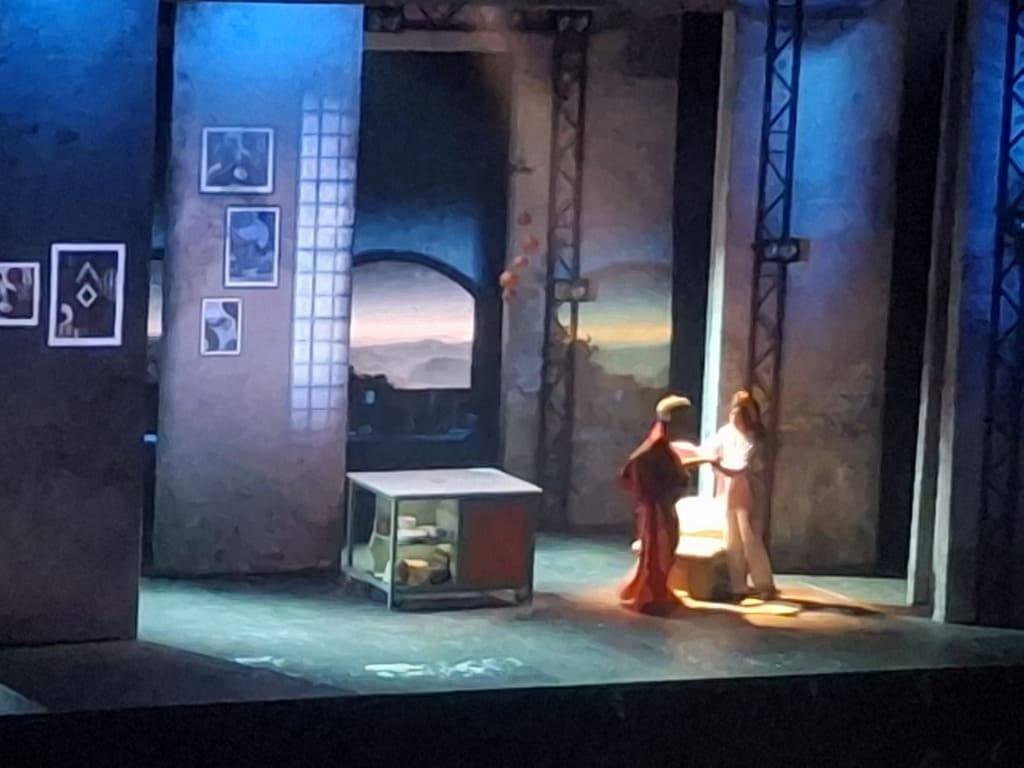
La grande quantità di materiale biografico rappresenta inevitabilmente anche una sfida. Alcuni passaggi scorrono rapidamente proprio quando sarebbe interessante rimanere più a lungo sulle conseguenze emotive degli eventi. È il rischio di raccontare in una sola serata una vita personale e professionale tanto complessa.
Ma quando musica, interpretazione e movimento trovano il giusto equilibrio, lo spettacolo riesce a superare la struttura del tradizionale jukebox musical. Non vediamo soltanto una sequenza di successi: dietro le canzoni comincia ad apparire una donna che deve continuamente riconquistare la propria identità.
Alexandra Burke è indiscutibilmente il centro di questo universo scenico, ma il risultato funziona proprio perché intorno a lei esiste una compagnia che non viene trattata come semplice contorno. Familiari, amici, amori e grandi protagonisti della musica diventano tasselli di un mosaico più grande.
Le dimensioni di “I’m Every Woman”
Alla fine, anche il titolo assume un significato differente. “Every Woman” non sembra indicare soltanto Chaka Khan, ma le madri, le figlie, le sorelle e le donne che attraversano la sua storia, ognuna portatrice della propria forza e delle proprie fragilità.
I’m Every Woman trova così la sua dimensione più convincente non soltanto nello scintillio di una grande celebrazione musicale, ma nella forza collettiva di chi la porta in scena. Burke ne rappresenta il cuore; il cast, l’ensemble e l’intero apparato creativo contribuiscono a farlo battere.
ONE VOICE, A THOUSAND LIVES: “I’M EVERY WOMAN” BRINGS CHAKA KHAN’S SOUL TO THE LONDON STAGE
I’m Every Woman – The Chaka Khan MusicalTroubadour Wembley Park Theatre, London16 September 2026
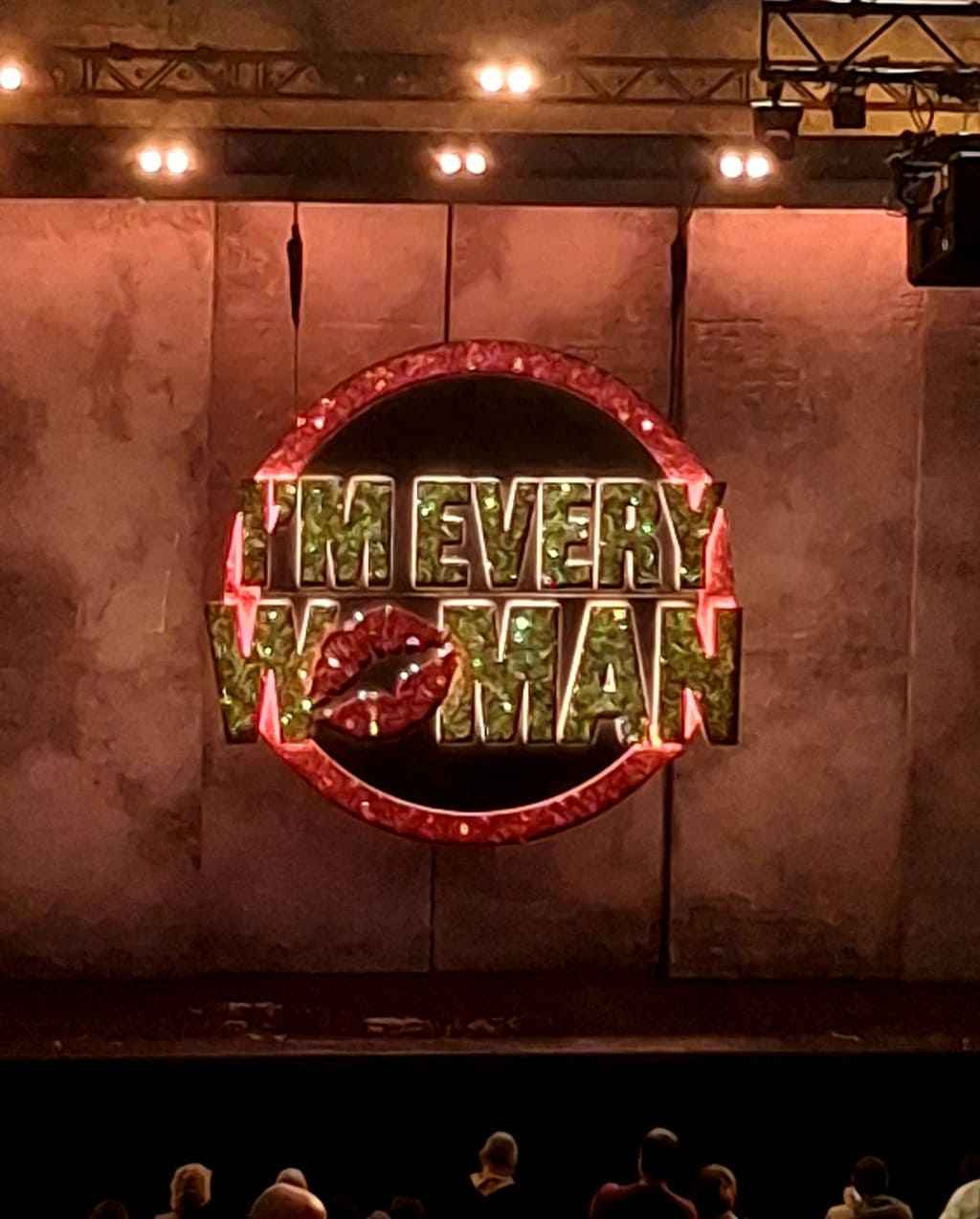
Some musicals celebrate a career through its greatest songs; others attempt to discover the human being behind the legend.
I’m Every Woman – The Chaka Khan Musical sets out to do both, turning Chaka Khan’s life into a journey through music, family, fame, pain, addiction, motherhood and the pursuit of personal freedom — themes that sit at the heart of the production.
At the Troubadour Wembley Park Theatre on 16 September, Alexandra Burke takes centre stage with a magnetic presence. (Alexandra Burke won the fifth series of The X Factor (UK) on December 14, 2008.)
The challenge on stage of Alexandra Burke
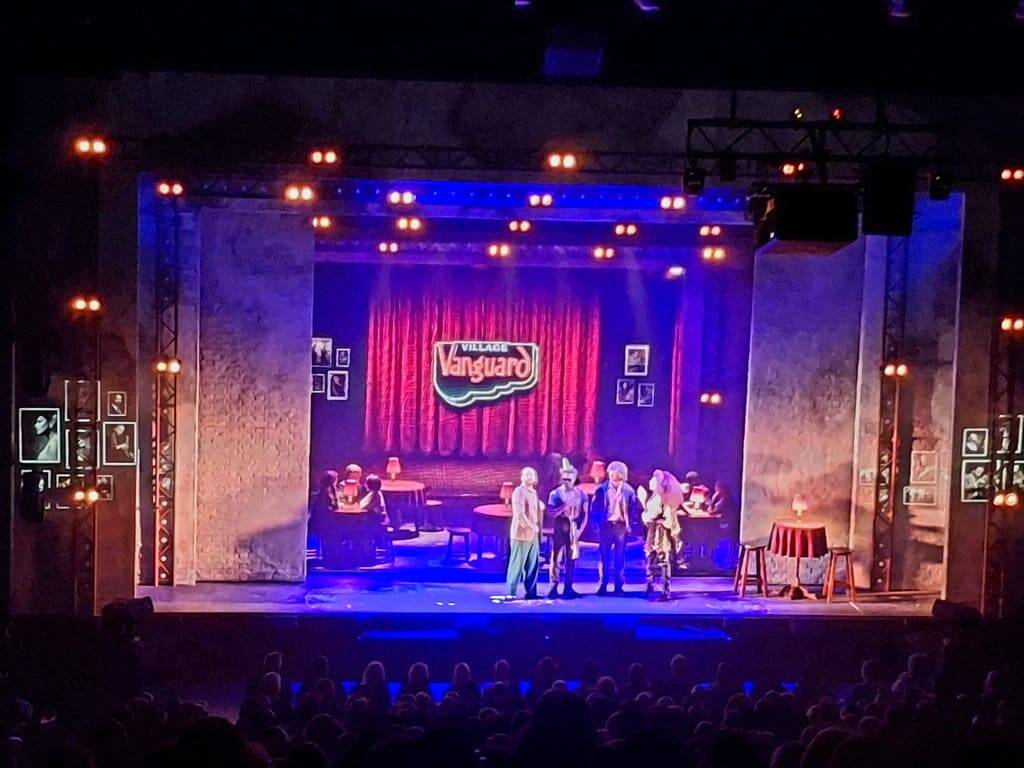
It is a considerable challenge: portraying a performer whose personality, music and unmistakable voice have become part of popular culture without reducing her to an impersonation.
Burke instead searches for the woman behind the superstar. Her formidable vocals naturally command attention during the major musical numbers, but the quieter passages also give her performance its depth.
This Chaka is powerful and determined, yet vulnerable too — a woman navigating artistic ambition, family, motherhood and deeply personal battles.
The musical dedicated to Chaka Khan: the other actors
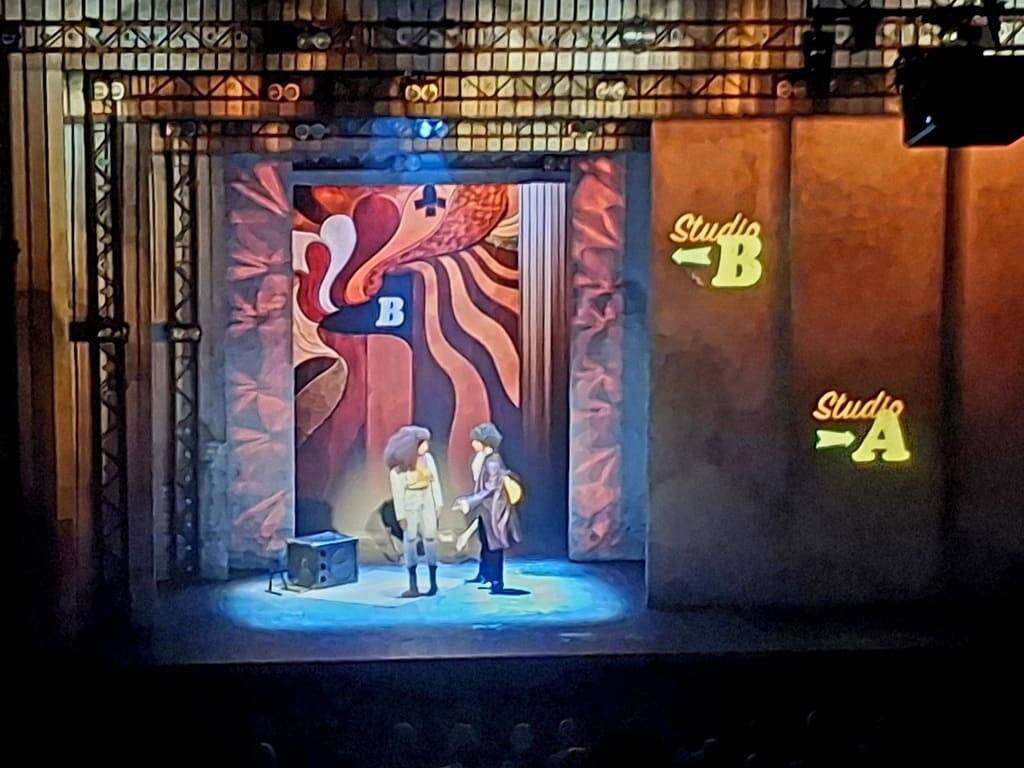
It would, however, be unfair to focus entirely on the leading lady. One of the production’s most engaging qualities is its ensemble spirit, with a company of performers giving identity and energy to the many people who pass through Khan’s remarkable life.
Chrissie Bhima, as Marie Stevens, contributes to the family dimension of the story, while Ashley Stroud, playing Chaka’s sister Taka Boom, brings energy and character to the stage.
Charlotte St. Croix takes on the contrasting roles of Milini Khan and Whitney Houston. These roles are confirmed by the production’s official cast listings.
Miles Anthony Daley and his double role

Miles Anthony Daley faces the particularly interesting challenge of playing both Richard Holland and Prince, while Jelani Munroe appears as Hassan Khan and Luther Vandross. By bringing together figures from Khan’s private life and some of music’s most recognisable names, the production continually moves between family biography and collective musical memory.
Sophie Earl appears as Joni Mitchell; Teddy Wills plays Fred Hampton and Miles Davis; and Chris Breistein takes on Steve Winwood. Maryla Abraham portrays Sandra Stevens, while Daniela Morain plays Tammy Michelle and Paulette Williams, with Grant Zavitovsky as Bob Monaco. Samuel Sarpong-Broni, credited as Charles Stevens and the Yoruba Priest, further demonstrates the versatility demanded of a company constantly moving between periods, settings and dramatic registers.
The ensemble deserves recognition in its own right
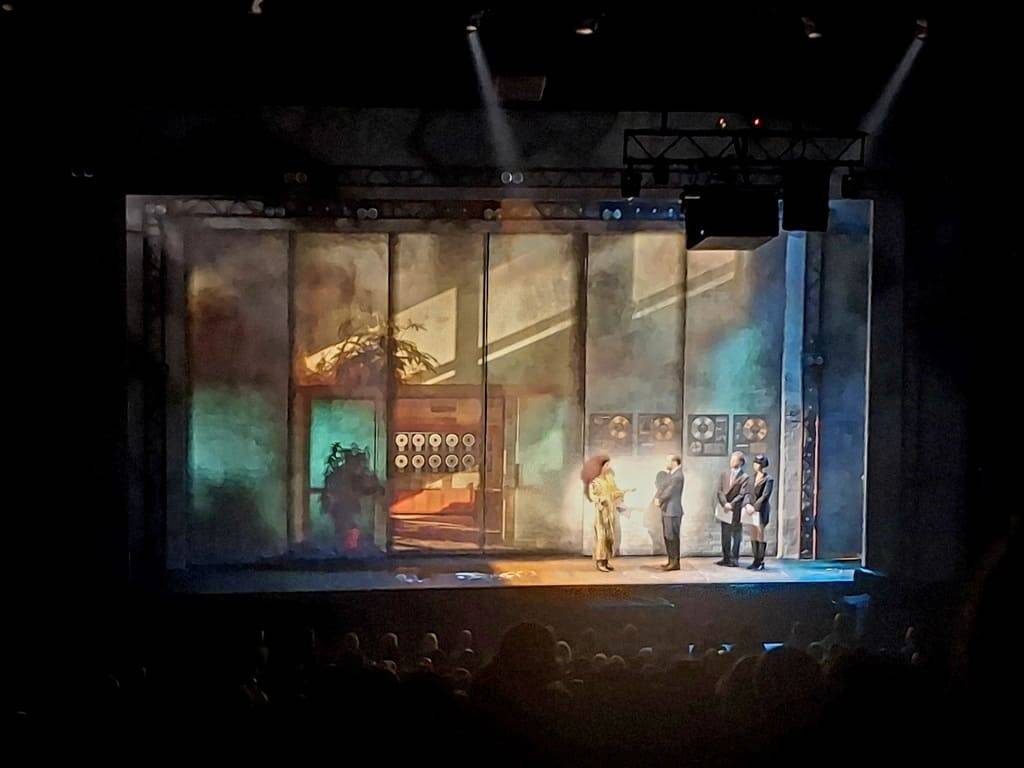
The ensemble deserves recognition in its own right. Nay Nay, Conor Wilkins, Lara Beth-Sas, Gregory Armand, Zinzilé Tshuma, Ryan Hughes and Oskarina O’Sullivan, together with off-stage swings Amara Campbell, Nimi Spiff, Kazmin Borrer, Ryan Webb and Spin, provide much of the movement and momentum that keep the production alive.
It is in this collective dimension that I’m Every Woman finds much of its theatrical strength. Dance, vocals and movement prevent the evening from becoming merely a sequence of biographical episodes, while Ebony Clarke’s choreography gives physical energy to music that almost inevitably invites an emotional response from the audience. Racky Plews directs, with a book by Nia T. Hill and musical supervision by Mark Crossland. Inevitably, however, music remains the heartbeat of the evening.
Chaka Khan songs featured in the show
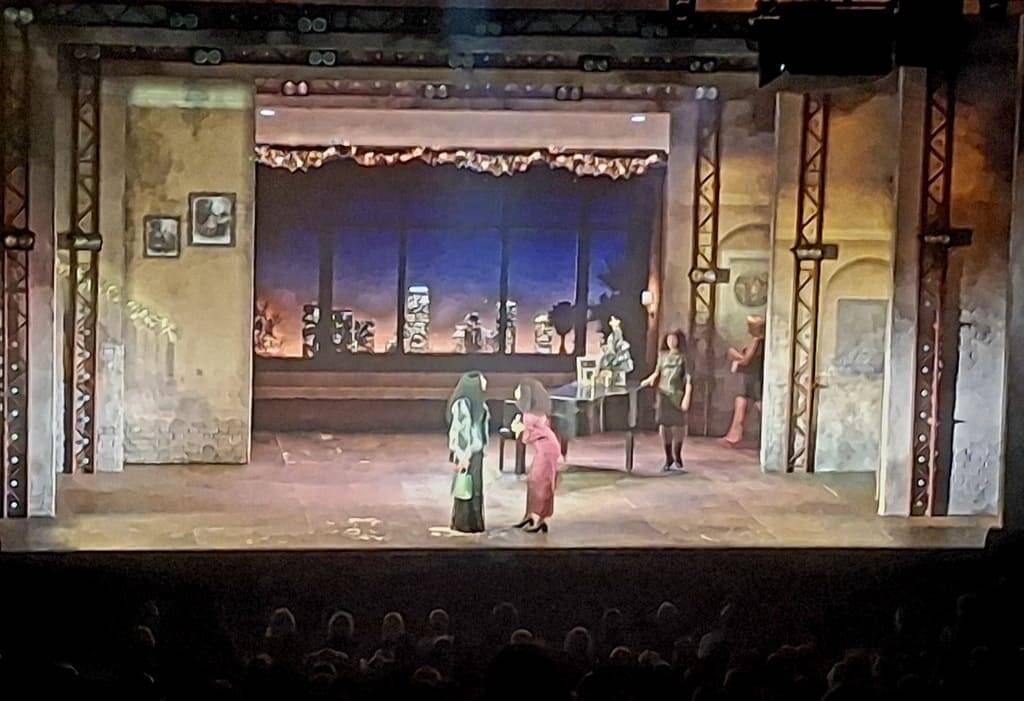
I Feel For You, Tell Me Something Good, Ain’t Nobody, Sweet Thing, Higher Love and Through the Fire are among the songs featured in the show. These are numbers many audience members recognise within seconds, yet the production also attempts to make them part of the storytelling, connecting familiar music with different chapters in Khan’s life.
The visual language supports that journey effectively. Sara Perks’ set design, Natalie Pryce’s costumes, Zoe Spurr’s lighting, Chris Whybrow’s sound design, Buckloop’s video work and JJ Wigs’ hair, wigs and make-up design help evoke changing periods and atmospheres without taking focus away from the performers.
“I’m Every Woman” and the biographical material
The sheer quantity of biographical material inevitably creates challenges. Certain episodes pass quickly at precisely the points where a little more stillness might have allowed their emotional consequences to resonate more deeply. Such compression is perhaps unavoidable when attempting to contain a life of this scale within a single evening.
Yet when music, performance and movement find their balance, the production reaches beyond the familiar structure of a jukebox musical. What emerges is not simply a parade of hits, but the portrait of a woman repeatedly fighting to reclaim ownership of her own identity.
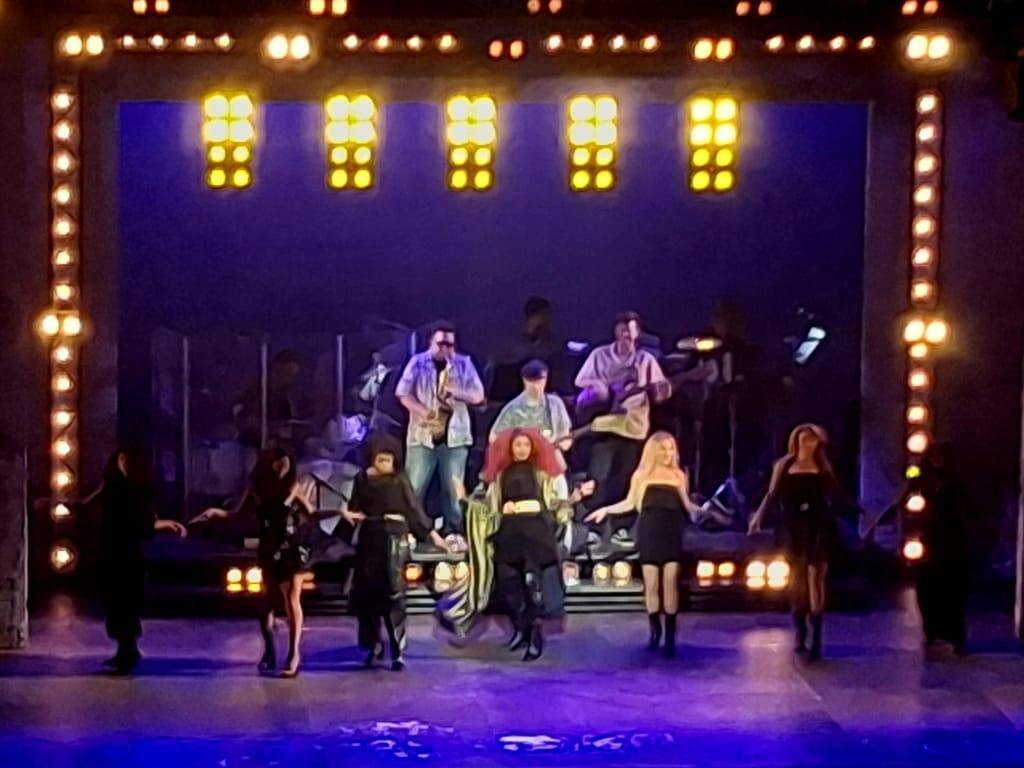
Burke is unquestionably the centre of this theatrical universe, but the production succeeds because a strong company surrounds her. Family, friends, lovers and celebrated musical figures become pieces of a much larger mosaic rather than decorative characters orbiting a star.
The musical dedicated to every woman
By the final moments, even the title seems to carry a broader meaning. “Every Woman” no longer appears to belong to Chaka Khan alone; it also evokes the mothers, daughters, sisters and women who pass through her story, each carrying her own combination of strength and vulnerability.
I’m Every Woman therefore finds its most compelling dimension not only in the glitter of a major musical celebration, but in the collective energy of the people bringing that story to life.
Burke provides its beating heart; the cast, ensemble and creative team ensure that heart is never left to beat alone.
LEGGI ANCHE:
- CANTANDO SOTTO LA PIOGGIA – the Broadway musical
- Raffaella Il Musical audizioni 2026: nuova giornata di casting al Teatro Brancaccio
- Raffaella il Musical a Roma: presentazione ufficiale al Teatro Brancaccio il 14 maggio
- Teatro Brancaccio di Roma, stagione 2026-2027
- Recensione – Il testamento di Ann Lee: Il musical religioso
- Lupin Il Musical – Il 21 marzo al Teatro Italia di Roma e le altre date
- “Gloria” il nuovo musical di Umberto Tozzi. Svelato il volto di Gloria.
Altro per te
 Spettacolo
Quando il Nilo incontra il palcoscenico: “Il Principe d’Egitto” diventa un kolossal musicale
Una storia entrata nell’immaginario di diverse generazioni si prepara a conquistare i teatri italiani, trasformandosi in un grande viaggio tra musica, emozioni e spettacolo.…
 GLORIA – IL MUSICAL: il celebre repertorio di Umberto Tozzi prende vita sui palchi italiani.
 La prestigiosa Sala Luttazzi di Trieste celebra la grande musica: “Sulle ali della melodia” un viaggio emozionante tra opera e musical
 Conferenza stampa de Il Principe d’Egitto – Il Musical: anteprima nazionale al Rossetti di Trieste dal 14 maggio
 I protagonisti del musical Buondelmonte nel video natalizio dedicato a Firenze
 Spettacoli natalizi al Nuovo Teatro Orione: ‘Un Natale da Favola’, Gospel e Musical per tutta la famiglia