
Radio Online
Artemisia e i ciottoli: Le Cronache del Broken Arrow Ranch Vol. 2 – Parte 2
Capitolo 4: Il fiume, la cresta e le ombre
Il ghiaccio invernale aveva finalmente ceduto, facendo ruggire i torrenti della prateria con le acque limpide e gelide dello scioglimento della neve. John, sette anni, ed Edward Jr., undici, uscirono di soppiatto dai cancelli del ranch un sabato mattina presto, portando con sé due canne da pesca ricavate da rami di salice e una scatola di latta piena di grossi lombrichi. Erano diretti verso un’ansa profonda del torrente, a un miglio di distanza nella distesa aperta, dove l’acqua ristagnava sotto una cresta frastagliata di massi grigi. Per John, poter attraversare a piedi quel territorio selvaggio, invece di viaggiare chiuso nella cabina coibentata della slitta del padre, significava libertà assoluta. “Non allontanatevi oltre la cresta”, li aveva avvertiti B, infilando loro in tasca due spesse fette di pane fatto in casa. A mezzogiorno, i ragazzi sedevano su una pietra piatta scaldata dal sole, con le lenze immerse nel torrente. Avevano già pescato tre trote punteggiate che giacevano luccicanti nell’erba. John rideva, il viso arrossato dal sole e punteggiato di lentiggini, completamente rapito dalla magia della primavera nella prateria. Poi, i cavalli sulla cresta in lontananza iniziarono a nitrire in modo straziante. Non era il solito nitrito da recinto; era un grido acuto, pieno di panico. Edward Jr. si bloccò, lasciandosi sfuggire la canna da pesca di mano. “John”, sussurrò con la voce incrinata. “Alzati. Subito.” Dalla fitta boscaglia di salici sull’altra sponda del torrente, un’ombra imponente si staccò dalla vegetazione. Era un orso nero, appena uscito dal letargo; il pelo era ispido e le spalle massicce rigonfie di muscoli. Annusò l’aria e i suoi occhi scuri puntarono immediatamente sull’odore fresco delle trote: le voleva.
L’orso emise un ringhio cupo che fece vibrare le suole degli scarponi di John
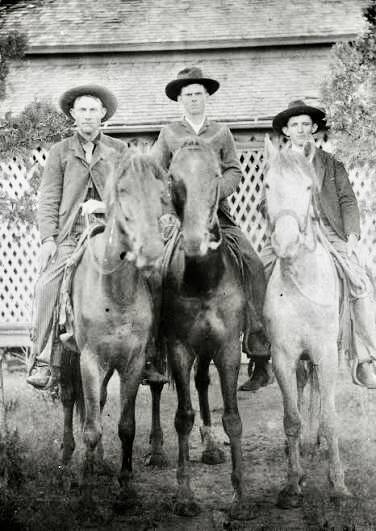
L’orso emise un ringhio cupo che fece vibrare le suole degli scarponi di John. “Corri verso le rocce!” gridò Edward Jr., afferrando John per il colletto della giacca di jeans.
Lasciarono cadere le canne da pesca e si arrampicarono in fretta sul ripido pendio di scaglie di roccia instabili del crinale. Alle loro spalle, il tonfo pesante e ritmico delle zampe dell’orso segnalava che l’inseguimento era iniziato. Un orso, in campo aperto, poteva superare in velocità un cavallo; i ragazzi avevano solo un disperato vantaggio iniziale. Edward Jr. individuò una stretta fenditura verticale nella parete di massi grigi, un crepaccio frastagliato appena abbastanza largo per un uomo adulto, che si restringeva fino a formare una cavità buia nella roccia. Spinse John dentro per primo. John si ritrasse nell’oscurità, respirando a fatica tra i singhiozzi di terrore, ma senza mai lasciare la lenza a cui era appeso il pesce. Edward Jr. si infilò subito dopo di lui, premendo la schiena contro la pietra fredda per fare scudo al fratellino. Un istante dopo, la luce fu completamente oscurata. Il muso enorme e sfregiato dell’orso si fece strada nell’apertura. Il suo fiato caldo e fetido riempì lo stretto anfratto, emanando un odore di carne in decomposizione e di carogne invernali marcescenti. Una zampa enorme e scura si allungò all’interno; gli artigli, lunghi oltre dodici centimetri, battevano violentemente contro le pareti di roccia, a pochi centimetri dal viso di Edward Jr. John nascose il volto nella giacca del fratello, con le lacrime che gli bruciavano gli occhi e le palpebre serrate. Gli tornarono in mente le figure congelate viste lungo la strada durante l’inverno. La prateria era un mostro bellissimo, e alla fine li aveva catturati. BANG.
L’orso ruggì per la sorpresa e la furia, ritraendo la testa dalla fenditura…
Il fragore di un colpo di fucile di grosso calibro squarciò il silenzio del canyon, riecheggiando contro la roccia come un tuono.
L’orso ruggì per la sorpresa e la furia, ritraendo la testa dalla fenditura. All’esterno, il terreno fu sconvolto da un caos frenetico: il pesante scalpiccio degli zoccoli, le grida concitate degli uomini e lo schioccare delle fruste. “Allontanati da loro, maledetto!” tuonò la voce di Dan Skelly, priva di quella calma pazienza che solitamente lo contraddistingueva.
Attraverso la stretta fessura tra le rocce, Edward Jr. osservava suo padre, Edward Sr., in sella a un enorme cavallo da tiro mentre caricava dritto verso il grizzly; sfruttando l’istinto maturato guidando i tram cittadini, spingeva l’orso lontano dal crinale con decisione, impartendo ordini come se stesse sgombrando una strada affollata di Philadelphia. Accanto a lui, lo zio Dan si ergeva dritto sulle staffe con il fucile puntato, esplodendo un secondo colpo di avvertimento direttamente nel terreno, ai piedi del grizzly.
Di fronte a due uomini che urlavano, a un cavallo lanciato al galoppo e agli spari assordanti, l’orso concluse che le trote nel torrente fossero un pasto più facile. Si voltò, emise un ultimo grugnito rabbioso e si dileguò tra la fitta vegetazione di salici.
Il silenzio che seguí fu pesante, interrotto soltanto dal vento
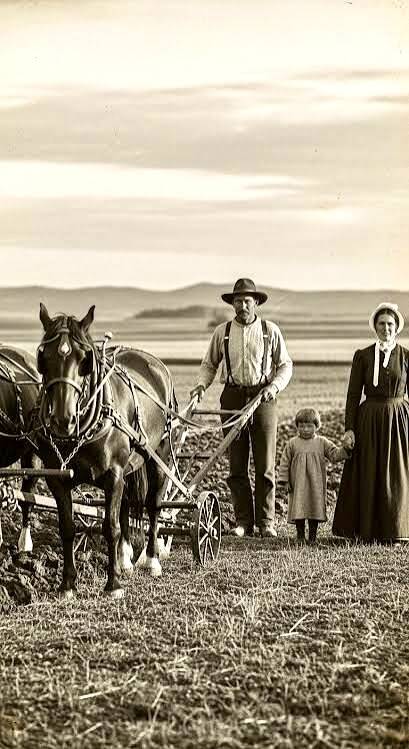
Il silenzio che seguì fu pesante, interrotto soltanto dal vento.
Un istante dopo, due volti oscurarono la luce del sole all’ingresso della fenditura. Edward Sr. si inginocchiò; con le mani tremanti, si protese nell’oscurità della roccia, tirò fuori John e lo strinse in un abbraccio appassionato. Subito dopo, lo zio Dan tirò fuori Edward Jr., scrollandogli di dosso i frammenti di roccia dalle spalle.
“Vi siete fatti male? Qualcuno di voi è ferito?” chiese Edward Sr., con la voce incrinata dall’emozione. John scosse la testa, alzando lo sguardo verso la camicia del padre sporca di grasso e poi verso lo zio Dan, che stava già scrutando la boscaglia con il fucile puntato, il volto cupo ma fermo. «Stiamo bene, papà», disse Edward Jr., cercando di mantenere la voce ferma come un adulto. «Abbiamo trovato un buon nascondiglio». Dan Skelly abbassò lo sguardo sui due ragazzi; un sorriso lieve e orgoglioso gli sfiorò l’angolo della bocca, nonostante il pericolo. Si batté la mano sulla sella. «Hai scelto la roccia giusta, ragazzo. Qui fuori impari a sfruttare il territorio per salvarti la pelle, altrimenti è il territorio a prendersi te».
Mentre tornavano al ranch cavalcando in due sullo stesso animale, John si voltò a guardare la cresta della collina. Quel giorno aveva imparato due cose: le pianure erano incredibilmente pericolose, ma finché suo padre e lo zio Dan avessero continuato a sorvegliare la mandria, i ragazzi Casey sarebbero sopravvissuti.
Capitolo 5: il banco della landa
La scuola a stanza unica sorgeva solitaria su un’altura, e al cospetto dell’immenso cielo del Nord Dakota sembrava poco più grande di un giocattolo. Era costruita in legno logorato dalle intemperie; la vernice bianca che un tempo la ricopriva era stata ormai scrostata dai venti impetuosi della prateria. Agli occhi del giovane John, non assomigliava affatto ai grandi edifici scolastici in mattoni a più piani che aveva visto dai finestrini del tram guidato dal padre a Philadelphia. Lì non c’erano cortili asfaltati, ma solo un palo a cui legare i cavalli e una latrina che spiccava tra l’erba alta.
All’interno, il mondo si riduceva a un’unica stanza satura dell’odore di trucioli di cedro, inchiostro e fumo di legna. Al centro troneggiava una grossa stufa in ferro che emanava un calore intenso, incapace però di raggiungere del tutto gli angoli gelidi dell’aula.
Miss Clara, una giovane donna dell’Ohio
Miss Clara, una giovane donna dell’Ohio dallo sguardo acuto giunta in quelle terre per insegnare, stava in piedi accanto alla lavagna che occupava l’intera parete di fondo. Davanti a lei sedevano sedici alunni: dai principianti di cinque anni fino ai robusti ragazzi di campagna diciassettenni, che frequentavano le lezioni solo quando il terreno era troppo gelato per essere arato.
John condivideva una panca di legno grezzo con suo fratello, Edward Jr. Data la notevole differenza di età tra gli alunni, la signorina Clara faceva lezione a turni. Mentre i ragazzi più grandi si cimentavano con la geometria alla lavagna, John era chino sulla sua lavagnetta d’ardesia, intento a esercitarsi con cura nella scrittura in corsivo. “Concentrati sul tuo lavoro, John”, sussurrò Edward Jr., dandogli una gomitata. Edward cercava di darsi un’aria sofisticata davanti ai ragazzi più grandi dei ranch. John sorrise, tracciando la lettera C di Casey. All’improvviso, un tonfo sordo fece tremare la parete nord della scuola. Calò un silenzio assoluto in tutta l’aula. La signorina Clara si immobilizzò, con il gesso sospeso a pochi centimetri dalla lavagna. I ragazzi più grandi afferrarono subito i fucili da caccia, ordinatamente appesi ai pioli di legno vicino alla porta sul retro: una precauzione abituale nella zona di frontiera. Tonfo. Tonfo. John trattenne il respiro. Attraverso i piccoli vetri ondulati della finestra, vide una massa di pelo bruno, ispido e arruffato. Un enorme toro randagio, proveniente da un allevamento vicino, si era spinto fino al cortile della scuola e stava usando gli angoli di legno grezzo dell’edificio per grattarsi il grosso corpo. L’intera scuola scricchiolava sotto il suo peso immenso. I bambini più piccoli piagnucolavano, ma i ragazzi più grandi ridevano. “È solo il vecchio Barnaby”, gridò Silas, un sedicenne imponente in salopette. “Crede che la scuola sia un palo del recinto!” La signorina Clara non fece una piega. Prese dalla cattedra un pesante campanello d’ottone, si diresse a passo deciso verso la porta d’ingresso e la spalancò. Con uno strattone energico, suonò il campanello proprio davanti al muso del toro, agitando contemporaneamente una pesante scopa di legno. “Via! Fila via, bestiaccia pigra! Questo è un luogo di studio!” Il toro sbuffò, spaventato dal clangore del metallo e da quella donna minuta ma furiosa, e si allontanò lentamente verso la boscaglia di artemisia. Miss Clara chiuse la porta con un colpo secco, si sistemò il grembiule e tornò verso la lavagna come se nulla fosse accaduto. “Dunque, come stavo dicendo prima di essere così bruscamente interrotti dal bestiame dei vicini… Silas, calcola l’area del triangolo.” John la osservava con assoluta meraviglia.
Persino l’insegnante doveva essere dura come un cowboy…
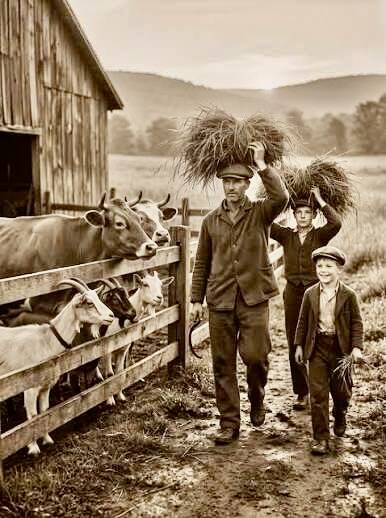
Da queste parti, persino l’insegnante doveva essere dura come un cowboy. Durante l’intervallo, i bambini giocavano a “Volpe e oche” nella polvere, e le loro risate echeggiavano attraverso le pianure deserte. John fece amicizia con un ragazzino silenzioso di nome Lukas, che arrivava a scuola in sella a un pony, seduto dietro alla sorella maggiore, Janey. Seduto sulla sbarra a cui si legavano i cavalli, Lukas mostrava a John come intrecciare una piccola trappola per uccelli usando l’erba rigida della prateria, mentre John descriveva l’aspetto di un grattacielo a Lukas, che non ne aveva mai visto uno. “Quegli edifici toccano le nuvole?” chiese Lukas, con gli occhi scuri spalancati. “Quasi”, rispose John, alzando lo sguardo verso l’infinito cielo azzurro sopra di loro. Mentre il sole pomeridiano iniziava la sua rapida discesa verso l’orizzonte, tingendo le nuvole di sfumature ambrate e violette, un suono familiare giunse dalle colline. Era il caratteristico, ritmico scricchiolio del cuoio pesante e il passo pesante e costante degli zoccoli. John guardò fuori dalla finestra. Oltre la collina stava arrivando la piccola casetta di tronchi montata su pattini, trainata dalla loro pariglia di cavalli da tiro. A cassetta sedeva suo padre, Edward Sr., che reggeva le redini con assoluta maestria, il colletto del cappotto alzato per proteggersi dal freddo serale incipiente.
La campanella suonò segnando la fine della giornata…
La campanella suonò, segnando la fine della giornata. John ed Edward Jr. afferrarono i berretti e si precipitarono fuori, correndo veloci verso il rifugio mobile rappresentato dal carro del padre. “Com’è andata a scuola, ragazzi?” chiese Edward Sr. dall’alto, con un sorriso caloroso che gli illuminava il volto segnato dalle intemperie, mentre li aiutava a salire nella casetta. “Un toro ha cercato di buttare giù la scuola, papà!” gridò John, con gli occhi scintillanti per l’eccitazione. “Ma la maestra Clara l’ha scacciato con una scopa!”
Edward Sr. rise; era una risata profonda e sonora che fece drizzare le orecchie ai cavalli. Voltò la pariglia verso il ranch, guidandola al sicuro nell’immensità del crepuscolo. John si stringeva vicino alla piccola stufa a legna all’interno della capanna, completamente rapito dal ritmo selvaggio e imprevedibile della sua infanzia nel West.
Capitolo 6: il mutare dell’alba
L’autunno nel Nord Dakota non arrivava con i colori delicati e pittoreschi dei boschi della Pennsylvania. Nelle pianure, il cambiamento era rapido e brutale. L’oceano sconfinato del verde estivo appassiva, trasformandosi in un ambra vivido e fragile che sibilava quando il vento spazzava la prateria. Il cielo assumeva una profonda tonalità blu ferro, cupa come un livido, e le mattine iniziavano con uno strato di brina così spesso da sembrare sale sparso sulla terra. Per i Casey, l’autunno significava una corsa contro il cielo.
Edward senior e Dan Skelly lavoravano dall’alba fino a ben oltre il momento in cui le stelle trafiggevano l’oscurità, guidando il bestiame giù dagli alti pascoli estivi. Il volto di Edward si era fatto scavato e scuro per l’esposizione alle intemperie; i suoi lineamenti da cittadino portavano ormai i segni indelebili della tipica espressione socchiusa degli uomini della prateria. Trascorreva le giornate in sella: le mani, un tempo abituate ai comandi dei tram, ora maneggiavano con naturalezza pesanti redini di cuoio e gelide corde da lazo. Un pomeriggio di fine ottobre, una quiete innaturale calò sul ranch: un silenzio pesante e soffocante che costringeva i cavalli a restare immobili nei recinti, con le orecchie tese verso nord.
“La pressione sta precipitando, Ed,” disse Dan, uscendo sulla veranda dell’alloggio dei braccianti e controllando il piccolo barometro tascabile che portava sempre con sé. “Sta arrivando un vento da nord-est. E sarà violento.” Nel giro di un’ora, la temperatura crollò di quaranta gradi. Il vento non si limitava a soffiare: ruggiva attraverso la pianura come una locomotiva fuori controllo, trasportando un muro accecante di nevischio ghiacciato e duro.
Il vento si abbatteva sulle pareti in legno…
All’interno della casa principale, Beatrice si stringeva vicino al grande fornello in ghisa insieme al piccolo John e a Edward junior. Il vento si abbatteva sulle pareti di legno con tale violenza che la fiamma delle lampade a cherosene tremolava e scoppiettava. Il nevischio batteva contro i vetri delle finestre come manciate di ghiaia. All’improvviso, la porta della cucina si spalancò ed Edward Sr. entrò barcollando, praticamente ricoperto di ghiaccio. Le sopracciglia erano bianche di brina e le mani gli tremavano violentemente mentre si sfilava i guanti di pelle gelati.
«Siamo riusciti a portare la mandria nella gola», ansimò Edward, con i denti che battevano, mentre B gli avvolgeva subito una spessa coperta di lana sulle spalle e gli metteva tra le mani una tazza di tè nero bollente. «Ma il vento, B… non riuscivo nemmeno a vedere le orecchie del mio cavallo.» Beatrice guardò il marito: il viso era grigio per la stanchezza, le dita screpolate e sanguinanti per il freddo. Volse lo sguardo oltre la finestra appannata, verso quel vuoto bianco e urlante.
Quella notte, dopo che i ragazzi si furono addormentati sotto una montagna di pesanti coperte, Edward e Beatrice sedevano soli accanto alle braci morenti della stufa. La casa gemeva sotto il peso della tempesta. “Edward,” disse Beatrice a bassa voce, con la sua cadenza irlandese carica di una quieta, incrollabile risolutezza. “Guarda le tue mani.” Edward abbassò lo sguardo sui palmi callosi e segnati da cicatrici. “Sei un tranviere, Ed,” continuò lei, con voce dolce ma ferma. “Conosci i binari. Conosci la città. Qui fuori, la terra cerca di ucciderci ogni giorno. Se non è il fiume a prendersi i ragazzi, saranno gli orsi. E se non saranno gli orsi, l’inverno li congelerà sul posto.” Edward fissava la stufa, col peso della frontiera che gli gravava sulle spalle. Pensò ai suoi figli. Pensò alle figure congelate che John aveva visto dal finestrino della cabina della slitta.
Pensò alle strade asfaltate e prevedibili di Philadelphia
Pensò alle strade asfaltate e prevedibili di Philadelphia, dove un uomo sapeva esattamente dove lo avrebbero condotto i binari. “Volevo costruire qualcosa di grande per noi, qui fuori, B,” sussurrò Edward, con la voce incrinata. “Ci hai tenuti in vita, ed è già abbastanza,” disse Beatrice, allungando la mano sul tavolo per coprire le mani ruvide di lui con le proprie. “I ragazzi hanno visto il mondo. Sanno che aspetto abbia l’orizzonte. Ma è ora di tornare a casa. A Philadelphia. Dalla famiglia.” Edward alzò lo sguardo, incrociando gli occhi della moglie. L’orgoglio fiero e ostinato dell’immigrato incontrò l’istinto feroce e protettivo di una madre. Lentamente, la tensione abbandonò le sue spalle ed egli lasciò andare un lungo sospiro affannoso. “Va bene,” disse Edward a bassa voce. “Torneremo in primavera. Non appena i treni potranno circolare.” Capitolo 7: Le strade si dividono. Il disgelo primaverile portò il fango e, con il fango, arrivarono le casse da imballaggio. La decisione era stata presa e un senso di dolceamara sollievo aleggiava sulla famiglia Casey.
John e Beatrice preparano le cose
John ed Edward Jr. aiutarono la madre a avvolgere in vecchi giornali i suoi pochi, preziosi oggetti, tra cui il centrino di pizzo bianco e la tazzina da tè in porcellana proveniente dall’Irlanda. La loro ultima mattina in North Dakota, il carro era carico e pronto a portarli alla stazione ferroviaria, dove un treno a vapore li avrebbe ricondotti oltre il Mississippi, verso la familiare e affollata rete stradale di Philadelphia. Dan Skelly se ne stava accanto al palo d’attracco, tenendo le redini di una splendida giumenta dal manto *buckskin* — color crema giallastro — e dal carattere fiero. Non stava preparando casse: tutta la sua vita era racchiusa in due bisacce di cuoio appese ai fianchi del cavallo e in un rotolo di coperte legato dietro la sella. Edward Sr. si avvicinò al cognato tendendogli la mano. “Sei sicuro di non voler tornare con noi, Dan? C’è sempre lavoro sulle linee ferroviarie. Un uomo in gamba può guadagnarsi da vivere dignitosamente.” Dan guardò la mano di Edward, poi la strinse con forza. Un sorriso lento e consapevole gli illuminò il volto. “No, Ed,” disse Dan, con voce pacata ma carica di una profonda, nuova certezza. “Il mio sangue di città è stato lavato via da quel fiume, l’anno scorso. I binari sono roba per te. Io, invece, devo scoprire cosa c’è oltre la prossima cresta.” Dan volse lo sguardo a ovest, dove le cime rocciose del Montana si stagliavano appena oltre l’orizzonte. Il sogno, nato sulle rive fangose del fiume Knife, aveva ormai messo radici profonde e indelebili. Si inginocchiò a terra per guardare negli occhi il giovane John; poi, infilata la mano in tasca, ne estrasse una piccola bussola di ottone lucido e la pose nel palmo della mano del bambino.
Dan consegna la bussola a John
“Tieni d’occhio l’ago, piccolo John,” disse lo zio Dan, dandogli una pacca sulla spalla con la mano ruvida. “Non dimenticare mai come leggere il territorio.” “Non lo farò, zio Dan,” rispose John, stringendo tra le dita il freddo ottone. Con un movimento fluido e sicuro, Dan Skelly infilò le lunghe gambe nelle staffe.
Si toccò la tesa dello Stetson in segno di saluto verso Beatrice, rimasta accanto al carro con gli occhi lucidi di lacrime mentre salutava il fratello. “Ci vediamo lungo la strada, Casey,” gridò Dan.
Spronò la giumenta con gli stivali. John guardò lo zio allontanarsi dal ranch: una sagoma alta e solitaria stagliata contro l’immensa volta del cielo dell’Ovest, diretto dritto verso il Montana, verso quel futuro in cui un ranch chiamato Ballymahon attendeva solo di essere strappato alla natura selvaggia.
Edward senior salì a cassetta, prese le redini e incitò la pariglia con un verso della lingua. Le ruote del carro iniziarono a girare verso est, lasciandosi le pianure alle spalle.
Epilogo: Il cowboy a Philadelphia
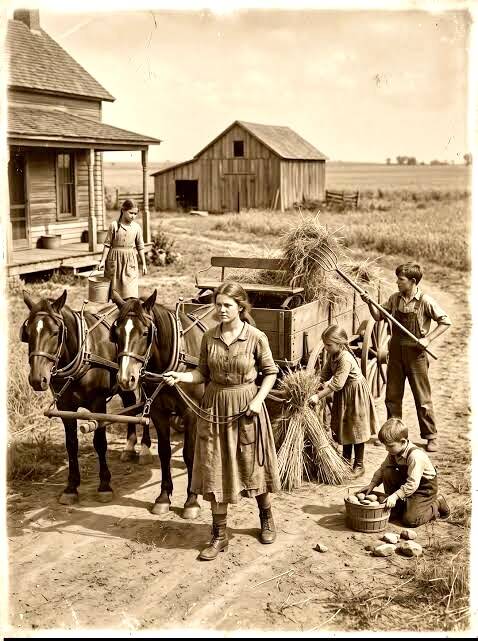
Nei primi anni Sessanta, il quartiere di Olney, a Philadelphia, era un mondo fatto di televisori in bianco e nero, del frastuono del traffico cittadino e di schiere di case a schiera in mattoni, addossate le une alle altre. John Casey era ormai un uomo adulto, con una casa tutta sua e due figli piccoli. I ricordi del North Dakota — le sagome immobili nella neve, l’orso tra le rocce, la stufa a legna fumante montata su pattini da slitta — si erano ormai dissolti nella nebbia soffusa e leggendaria delle favole della buonanotte.
Finché, in un caldo pomeriggio di giugno, dei colpi vigorosi fecero tremare la porta d’ingresso della casa di nonna B a Philadelphia. Mark, il figlio piccolo di John, corse ad aprire e si bloccò di colpo sulla soglia. Sul piccolo pianerottolo di cemento stava un uomo gigantesco. Sembrava uscito direttamente dallo schermo di un film western di Hollywood. Era incredibilmente alto; il suo volto, segnato da rughe profonde, era abbronzato dal sole d’alta quota che lo aveva colpito per decenni. Indossava stivali da cowboy in pelle lavorata a mano e lucidati a specchio, che schioccavano rumorosamente sull’asfalto cittadino, una camicia in stile western perfettamente stirata e una cravatta bolo d’argento scintillante, ben stretta al colletto. Emanava un odore di sapone per selle, lana vissuta, cuoio e una lieve, dolce nota di artemisia selvatica: un profumo del tutto estraneo alle strade di Philadelphia, soffocate dai gas di scarico. “Ma guarda un po’ chi c’è”, esclamò il vecchio con voce tonante, mentre un sorriso fiero e deciso gli illuminava il volto segnato dalle intemperie. Dal corridoio alle spalle del ragazzo uscì John Casey. Fissò il gigante sulla soglia e i suoi occhi si spalancarono in un istante, colti da un’emozione profonda nel riconoscerlo. Osservò quella figura imponente, gli stivali da cowboy e l’inconfondibile, pacata sicurezza di un uomo che sentiva l’orizzonte come cosa propria.
«Zio Dan», sussurrò John; la sua voce ringiovanì all’istante di quarant’anni, tornando quella del bambino che guardava fuori dal vetro appannato di una baracca. Dan Skelly sorrise mentre entrava nello stretto corridoio, riempiendo completamente lo spazio con la sua imponente presenza. Ce l’aveva fatta. Era sopravvissuto alla polvere, alla Grande Depressione e agli inverni. Da semplice mandriano senza un soldo al ranch Broken Arrow, era diventato l’orgoglioso proprietario del Ballymahon Cattle Ranch, nelle sconfinate distese del Montana. Aveva attraversato il continente per rivedere un’ultima volta sua sorella Beatrice, portando con sé l’intero, indomito West americano fin dentro un salotto di Philadelphia. E mentre il ragazzo alzava lo sguardo verso il prozio, la vecchia frontiera riviveva in quel legame senza tempo fatto di sangue, tenacia e orizzonti infiniti: i valori su cui era stato costruito il nome della famiglia Casey.
Sagebrush and Cabblestone: The Chronicles of Broken Arrow Ranch Vol. 2 Part 2
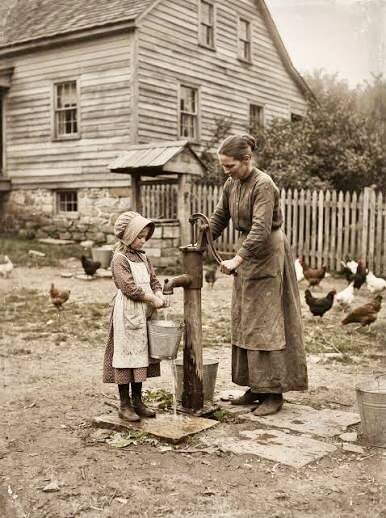
Chapter 4: The River, the Ridge, and the Shadows
The winter ice had finally surrendered, leaving the prairie creeks roaring with clear, cold snowmelt. Seven year old John and eleven year old Edward Jr. slipped out of the ranch gates early on a Saturday morning, carrying two willow branch fishing poles and a tin can full of fat earthworms. They were heading for a deep, bend in the creek, a mile out into the open plains, where the water pooled beneath a jagged ridge of grey boulders. For John, getting to walk through the wild territory instead of riding inside his father’s insulated sled cabin felt like absolute freedom.
“Don’t go wandering past the ridge,” B had warned them, pressing two thick slices of
homemade bread into their pockets. By noon, the boys were sitting on a flat sun warmed stone, their lines dangling in the creek. They had already caught three speckled trout that lay glistening in the grass. John was laughing, his face sunburned and freckled, completely lost in the magic of the prairie spring.
Then, the horses on the distant ridge began to scream.
It wasn’t a normal corral neigh; it was a high, panicked shriek. Edward Jr. froze, his fishing pole slipping from his hands. “John,” he whispered, his voice cracking. “Get up. Now.” From the dense willow thicket across the creek, a massive shadow detached itself from the brush. It was a black bear, freshly awoken from hibernation, its coat ragged and its massive shoulders humped with muscle. It sniffed the air, its dark eyes locking instantly onto the fresh scent of the trout, and it wanted them.
The bear let out a low growl that vibrated right through the soles of John’s boots. “Run for the rocks!” Edward Jr. yelled, grabbing John by the collar of his denim jacket.
They dropped the poles and scrambled up the steep…
They dropped the poles and scrambled up the steep, loose shale of the ridge. Behind them, the heavy, rhythmic thudding of the bears paws signaled that the chase was on.
A bear on the open plains could outrun a horse, and the boys had only a desperate head start. Edward Jr. spotted a narrow vertical split in the face of the grey boulders, a jagged crevice barely wide enough for a grown man, tapering into a dark pocket of stone. He shoved John inside first. John scrambled back into the darkness, his breath coming in ragged, terrified gasps, but still holding on to the line that held the fish. Edward Jr. squeezed in right after him, wedging his back against the cold stone, shielding his little
brother. A second later, the light was completely blocked out.The bears massive, scarred snout thrust into the opening. Its hot, foul breath filled the cramped crevice, smelling of putrefying decomposing flesh and rotting winter kill. A huge, dark paw reached in, its five inch claws clicking violently against the rock walls, just inches from Edward Jr’s face. John buried his face in his brother’s coat, tears stinging his eyes, squeezing his eyelids shut. He remembered the frozen figures he had seen by the side of the road in the winter. The prairie was a beautiful monster, and it had finally caught them. BANG.
The sound of a heavy rifle shot cracked through the canyon
The sound of a heavy rifle shot cracked through the canyon, echoing like thunder off the stone. The bear roared in surprise and fury, pulling its head out of the crevice. Outside, the
dirt erupted in frantic chaos, the pounding of heavy hooves, the fierce shouting of men, and the cracking of whips.
“Get away from them, you bastard!” Dan Skelly’s voice boomed, completely devoid of its usual quiet patience. Through the narrow slit in the rocks, Edward Jr. watched his father,
Edward Sr., riding a massive draft horse straight toward the grizzly…
Edward Sr., riding a massive draft horse straight toward the grizzly, using his old city trolley instincts to aggressively herd the bear away from the ridge, shouting commands as if he were clearing a crowded Philadelphia street. Beside him, Uncle Dan was standing tall in his stirrups, his rifle raised, firing a second warning shot directly into the dirt at the grizzly’s feet.
Faced with two roaring men, a charging horse, and the terrifying cracks of gunfire, the bear decided the trout in the creek were an easier meal. It turned, let out one final angry grunt, and crashed away into the deep willow brush.
The silence that followed was heavy, broken only by the wind.
A moment later, two faces blocked the sunlight in the crevice. Edward Sr. dropped to his knees, his hands trembling as he reached into the dark stone and hauled John out into the bright light, crushing him into a fierce embrace. Uncle Dan pulled Edward Jr. out next, dusting the stone grit from the boy’s shoulders.
“Are you hurt? Either of you?” Edward Sr. demanded, his voice thick with emotion. John shook his head, looking up at his father’s grease stained shirt and then over at Uncle Dan, who was already tracking the brush with his rifle, his face grim but steady. “We’re alright, Pop,” Edward Jr. said, trying to keep his voice steady like an adult.”We found a good hiding spot.”
Dan Skelly looked down at the two boys, a faint, proud smile touching the corner of his mouth despite the danger. He patted the side of his saddle. “You picked the right rock, kid. Out here, you learn how to use the country to save your skin, or the country takes you.”
As they rode back double on the horses toward the ranch, John looked back at the ridge. He had learned two things that day: the plains were incredibly dangerous, but as
long as his father and Uncle Dan were riding herd, the Casey boys were going to survive.
Chapter 5: The Desk in the Wilderness
The one-room schoolhouse sat entirely alone on a rise of low hills, looking no larger than a child’s toy against the massive North Dakota sky. It was constructed of weathered timber, its whitewash paint long peeled away by the fierce prairie winds. To young John, it looked nothing like the grand, multi-story brick school buildings he had seen from the windows of his father’s streetcar in Philadelphia. There were no paved courtyards here, just a hitching post for horses and an outhouse crouching in the tall grass. Inside, the world shrank down to a single room filled with the smell of cedar shavings, ink, and woodsmoke. A massive iron stove sat directly in the center, radiating a fierce heat that never quite reached the frosty corners of the room.
Miss Clara, a sharp eyed young woman from Ohio who had come west to teach…
Miss Clara, a sharp eyed young woman from Ohio who had come west to teach, stood by a blackboard that spanned the front wall. Before her sat sixteen students, ranging from five-year-old beginners to hulking seventeen-year-old farm boys who only
attended class when the ground was too frozen to plow.
John shared a rough wooden bench with his brother, Edward Jr. Because of the wide range of ages, Miss Clara taught in shifts. While the older boys struggled with geometry at the front blackboard, John leaned over his slate tablet, carefully practicing
his cursive letters.”Eyes on your own work, John,” Edward Jr. whispered, nudging him with an elbow. Edward was trying to look sophisticated in front of the older ranch kids.
John smiled, tracing the letter C for Casey. Suddenly, a heavy thud shook the northern wall of the schoolhouse.
The entire room went dead silent. Miss Clara froze, her chalk hovering an inch from the blackboard. The older boys instantly reached for the hunting rifles lined up neatly on the wooden pegs by the back door, a standard precaution on the frontier.
Thud. Thud. John held his breath. Through the small, wavy glass window panes, he saw a wall of coarse, matted brown hair. A massive, stray bull from a neighboring cattle outfit had
wandered onto the school grounds, using the rough corner timbers of the building to scratch an itch on its massive hide. The entire schoolhouse creaked under its immense weight.
The younger children whimpered, but the older farm boys laughed.
Miss Clara didn’t flinch…
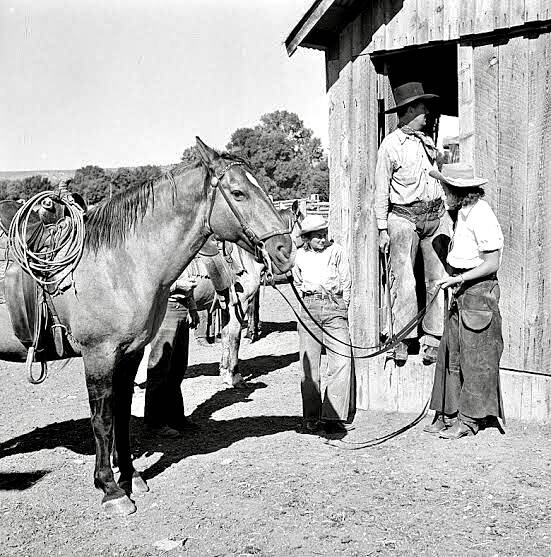
“Just old Barnaby,” shouted Silas, a towering sixteen-year-old in overalls. “He thinks
the schoolhouse is a fence post!”
Miss Clara didn’t flinch. She picked up a heavy brass handbell from her desk, marched straight to the front door, and flung it open. With a fierce yank, she rang the bell directly into the bull’s face while waving a heavy wooden broom. “Shoo! Get along, you lazy brute! This is a place of learning!” The bull snorted, startled by the clanging metal and the tiny, furious woman, and ambled away into the sagebrush.
Miss Clara shut the door with a firm snap, smoothed her apron, and walked back to the blackboard as if nothing had happened. “Now, as I was saying before we were so rudely interrupted by the neighbor’s livestock. Silas, solve for the area of the triangle.” John watched her in absolute awe. Out here, even the schoolteacher had to be as tough as a cowboy. When recess arrived, the kids played “Fox and Geese” in the dirt, their laughter echoing across the empty plains. John made friends with a quiet young boy named Lukas who had ridden to school double on a pony with his older sister, Janey.
Lukas showed John how to weave a small bird trap out of stiff prairie grass, while John explained what a skyscraper looked like, to Lukas, who had never seen one. “Do the buildings touch the clouds?”
Lukas asked, his dark eyes wide. “Almost,”
John said, looking up at the endless blue sky above them.
As the afternoon sun began its rapid dip toward the horizon, painting the clouds in shades of amber and violet, a familiar sound drifted across the hills. It was the distinct, rhythmic creaking of heavy leather and the steady plodding of hooves. John looked out the window. Coming over a hill was the little log
cabin on sled rails, pulled by their team of heavy horses. Up on the driver’s seat sat his father,
Edward Sr., holding the reins with absolute expertise , his coat collar turned up against the rising evening chill. The bell rang, signaling the end of the day. John and Edward Jr. grabbed their caps and bolted out the door, running hard toward the moving sanctuary of their father’s wagon.
“How was school, boys?” Edward Sr. called down, a warm smile breaking across his weathered face as he helped them climb up into the cabin.
“A bull tried to knock the school down, Pop!” John yelled, his eyes bright with excitement. “But Miss Clara fought it off with a broom!” Edward Sr. laughed, a deep, booming sound that made the horses prick their ears. He turned the team back toward the ranch, guiding them safely into the vast, unfolding twilight. John huddled close to the little wood stove inside the cabin, completely captivated by the wild, unpredictable rhythm of his childhood out west.
Chapter 6: The Turning of the Grass
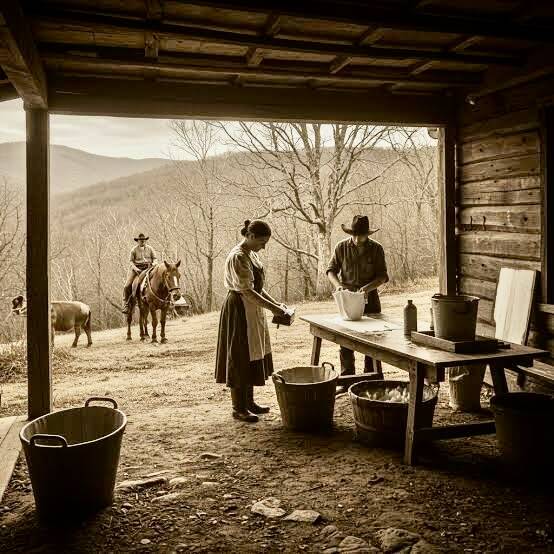
The North Dakota autumn did not arrive with the gentle, painted colors of the Pennsylvania woods. Out on the plains, the change was swift and severe. The endless ocean of summer green withered into a sharp, brittle amber that hissed when the wind
swept across the plains. The sky turned a deep, bruised iron blue, and the mornings began with a layer of frost so thick it looked like salt scattered across the dirt. For the Caseys, autumn meant the race against the sky. Edward Sr. and Dan Skelly worked from before dawn until long after the stars pierced the dark, driving the cattle down from the high summer pastures.
Edward’s face had grown lean and dark from the elements
Edward’s face had grown lean and dark from the elements, his city bred features now etched with the permanent squint of a plainsman. He spent his days in the saddle, his trolley car hands now completely at home with heavy leather reins and frozen lariat ropes.
One late October afternoon, a quiet fell over the ranch, a heavy, suffocating silence that made the horses stand rigid in their corrals, their ears pricked toward the north. “The glass is dropping like a stone, Ed,” Dan said, stepping onto the porch of the bunkhouse and checking the small pocket barometer he kept. “There’s a northeaster coming. A bad one.” Within an hour, the temperature plummeted forty degrees. The wind didn’t just blow; it roared across the plains like a runaway locomotive, carrying a blinding wall of hard, icy sleet.
Inside the kerosene lamps danced and sputtered…
Inside the main house, Beatrice huddled with young John and Edward Jr. by the massive iron kitchen range. The wind hit the timber walls with such force that the flame inside the kerosene lamps danced and sputtered. Sleet rattled against the glass panes
like handfuls of gravel. Suddenly, the kitchen door flew open, and Edward Sr. stumbled inside, practically
encased in ice. His eyebrows were white with frost, and his hands were shaking violently as he pulled off his frozen leather gloves.
“We got the herd into the draw,” Edward gasped, his teeth chattering as B instantly wrapped a thick wool blanket around his shoulders and pressed a mug of boiling black tea into his hands. “But the wind, B, I couldn’t see my own horse’s ears. “Beatrice looked at her husband. His face was gray with exhaustion, his fingers split and bleeding from the cold. She looked out the frosted window into the screaming white
void. That night, after the boys had fallen asleep under a mountain of heavy blankets,
Edward and Beatrice sat alone by the fading embers of the stove…
Edward and Beatrice sat alone by the fading embers of the stove. The house groaned under the weight of the storm.
“Edward,” Beatrice said softly, her Irish lilt heavy with a quiet, unbreakable finality. “Look at your hands.” Edward looked down at his calloused, scarred palms. “You’re a streetcar man, Ed,” she continued, her voice gentle but steady. “You know the rails. You know the city. Out here, the land is trying to kill us every day. If the river doesn’t get the boys, the bears will. If the bears don’t, the winter will freeze them in their tracks.”
Edward stared at the stove, the weight of the frontier pressing down on his shoulders. He thought of his boys. He thought of the frozen figures John had seen from the window of the sled cabin. He thought of the predictable, paved streets of Philadelphia, where a man knew exactly where the tracks would lead him. “I wanted to make something big for us out here, B,” Edward whispered, his voice cracking.
“You’ve kept us alive, and that’s big enough,” Beatrice said, reaching across the table to cover his rough hands with her own. “The boys have seen the world. They know
what the horizon looks like. But it’s time to go home. Back to Philadelphia. Back to family.”
Edward looked up meeting his wife’s eyes…
Edward looked up, meeting his wife’s eyes. The fierce, stubborn pride of the immigrant met the fierce, protective instinct of a mother. Slowly, the tension left his shoulders, and he let out a long, ragged sigh. “Alright,” Edward said quietly. “We’ll go back in the spring. As soon as the trains can run.”
Chapter 7: The Parting of the Ways
The spring thaw brought the mud, and with the mud came the packing crates. The decision had been made, and a sense of bittersweet relief hung over the Casey family. John and Edward Jr. helped their mother wrap her few precious belongings, including the white lace doily and the porcelain teacup from Ireland, in old newspapers. On their final morning in North Dakota, the wagon was loaded, ready to take them to the railhead where a steam train would carry them back across the Mississippi, back to the crowded, familiar grid of Philadelphia.
Dan Skelly stood by the hitching post, holding the reins of a beautiful, strong willed buckskin mare, its body a tan, yellowish cream color. He wasn’t packing a crate. His entire life was packed into two leather saddlebags slung over his horse’s flanks and a bedroll tied behind his saddle. Edward Sr. walked up to his brother-in-law, extending a hand. “You’re sure you won’t come back with us, Dan? There’s always work on the transit lines. A good man can make a steady living.” Dan looked at Edward’s hand, then gripped it fiercely. A slow, knowing smile crossed his face. “No, Ed,” Dan said, his voice quiet but echoing with a massive, newfound certainty.”My city blood washed out in that river last year. The tracks are for you. But I’ve got to see what’s over the next ridge.”
Dan turned his gaze toward the west…
Dan turned his gaze toward the west, where the rocky peaks of Montana lay just beyond the horizon. The dream that had been planted on the muddy banks of the Knife River had taken deep, permanent root. He knelt down in the dirt to look young John in the eye. Dan reached into his pocket and pulled out a small, polished brass compass, pressing it into the boy’s small hand.
“Keep your eyes on the needle, little John,” Uncle Dan said, his rough hand patting the boy’s shoulder. “Don’t ever forget how to read the country.” “I won’t, Uncle Dan,” John said, squeezing the cold brass. With a smooth, practiced motion, Dan Skelly swung his long legs into the stirrups. He tipped his Stetson hat to Beatrice, who stood by the wagon, her eyes shining with tears
as she waved goodbye to her brother. “See you down the trail, Caseys,” Dan called out. He dug his boots into the mare’s sides. John watched as Uncle Dan rode away from the ranch, a lone, tall silhouette against the massive, unfolding western sky, heading
straight toward Montana, straight toward the future where a ranch called Ballymahon was waiting to be carved out of the wilderness. Edward Sr. climbed onto the driver’s bench, took the reins, and clicked his tongue to the team. The wagon wheels began to roll east, turning their backs on the plains.
Epilogue: The Cowboy in Philadelphia
The early 1960s in the Olney section of Philadelphia was a world of black-and-white television sets, roaring city traffic, and tightly packed brick row houses. John Casey was a grown man now, with a home and two young sons of his own. The memories of North Dakota, the frozen figures in the snow, the bear in the rocks, the smoking wood stove on sled rails, had faded into the soft, mythical fog of childhood bedtime stories.
Until a warm afternoon in June, when a massive knock shook the front door of Grandmom B’s Philly house.
John’s young son Mark, ran to the door and pulled it open, stopping dead in his tracks. Standing on the cramped concrete stoop was a giant of a man. He looked as though he had walked straight off the screen of a Hollywood Western movie. He was incredibly tall, his face deeply lined and bronze from decades of high mountain sun. He wore highly polished, hand tooled leather cowboy boots that clicked loudly against the city pavement, a crisp western shirt, and a gleaming silver bolo tie cinched tight at his collar.
He smelled of saddle soap, aged wool, leather, and a faint, sweet hint of wild sagebrush, a scent completely foreign to the exhaust choked streets of Philadelphia.
“Well, look at you,” the old man boomed, a fierce, proud smile breaking across his weathered face. From the hallway behind the boy, John Casey stepped out. He looked at the giant in the doorway, his eyes widening in instant, emotional recognition. He looked at the tall frame, the cowboy boots, and the unmistakable, quiet confidence of a man who owned
the horizon. “Uncle Dan,” John whispered, his voice instantly dropping forty years, returning to the voice of the little boy looking through the frosted window of a sled cabin.
He had survived the dust, the depression, and the winters…
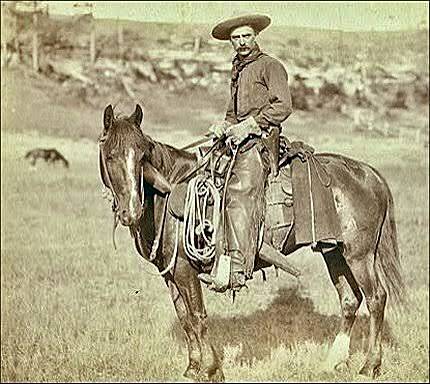
Dan Skelly smiled, stepping into the narrow hallway, completely filling the space with his immense presence. He had done it. He had survived the dust, the depression, and the winters. He had gone from a penniless ranch hand on the Broken Arrow, to the proud owner of the Ballymahon Cattle Ranch in the big sky countryof Montana.
He had come across the continent to see his sister Beatrice one last time, bringing the entire, untamed American West with him into a Philadelphia living room. And as the young boy looked up at his grand uncle, the old frontier lived again, a timeless bond of blood, grit, and the endless horizon that code, built the Casey family name.
Altro per te
 Libri
LibriLe cronache dei vampiri di Emily Barrett: lo spettro nella quercia – Parte 2
Le cronache dei vampiri di Emily Barrett: lo spettro della quesrcia - Parte 2. Capitolo 4: La cripta svedese di Pine Road: gli ultimi…
 Le cronache dei vampiri di Emily Barrett: lo spettro nella quercia – Parte 1
 Arrivo a mezzanotte sul Delaware: Cronache dei Vampiri di Torresdale Vol. 4 (Parte 2)
 Compagno di Banco: Andrea Bruni e il tour del Banco del Mutuo Soccorso Teatro Dehon Bologna – Parte 2
 Compagno di Banco: Andrea Bruni e il diario del Banco del Mutuo Soccorso concerto ad Altamura (BA) – Parte 2
 Intervista a Marco Licata: il volontario italiano che vive a Sharm El Sheikh ci svela i suoi progetti per la salvaguardia dei cani (e dei gatti) baladi – Parte 2
 Dune Parte 2 un cast stratosferico e record d’incassi
 Intervista a Cristina Giuriolo: “Fragile”, il coraggio di raccontarsi attraverso le cicatrici