
Radio Online

La splendida frattura: come Anthony Phillips ha plasmato i Genesis lasciando la band
Trespass: come Anthony Phillips ha plasmato i Genesis lasciandoli.
Quando i fan discutono della storia dei Genesis, la conversazione si divide solitamente in due schieramenti: l’era teatrale di Peter Gabriel e quella di Phil Collins, dominatrice delle classifiche pop. Tuttavia, per comprendere appieno il DNA dei Genesis, bisogna guardare alla genesi stessa del gruppo. Nello specifico, occorre esaminare il loro secondo capolavoro del 1970, “Trespass”, e l’architetto musicale dai modi pacati che lo ha costruito: Anthony “Ant” Phillips (LINK).
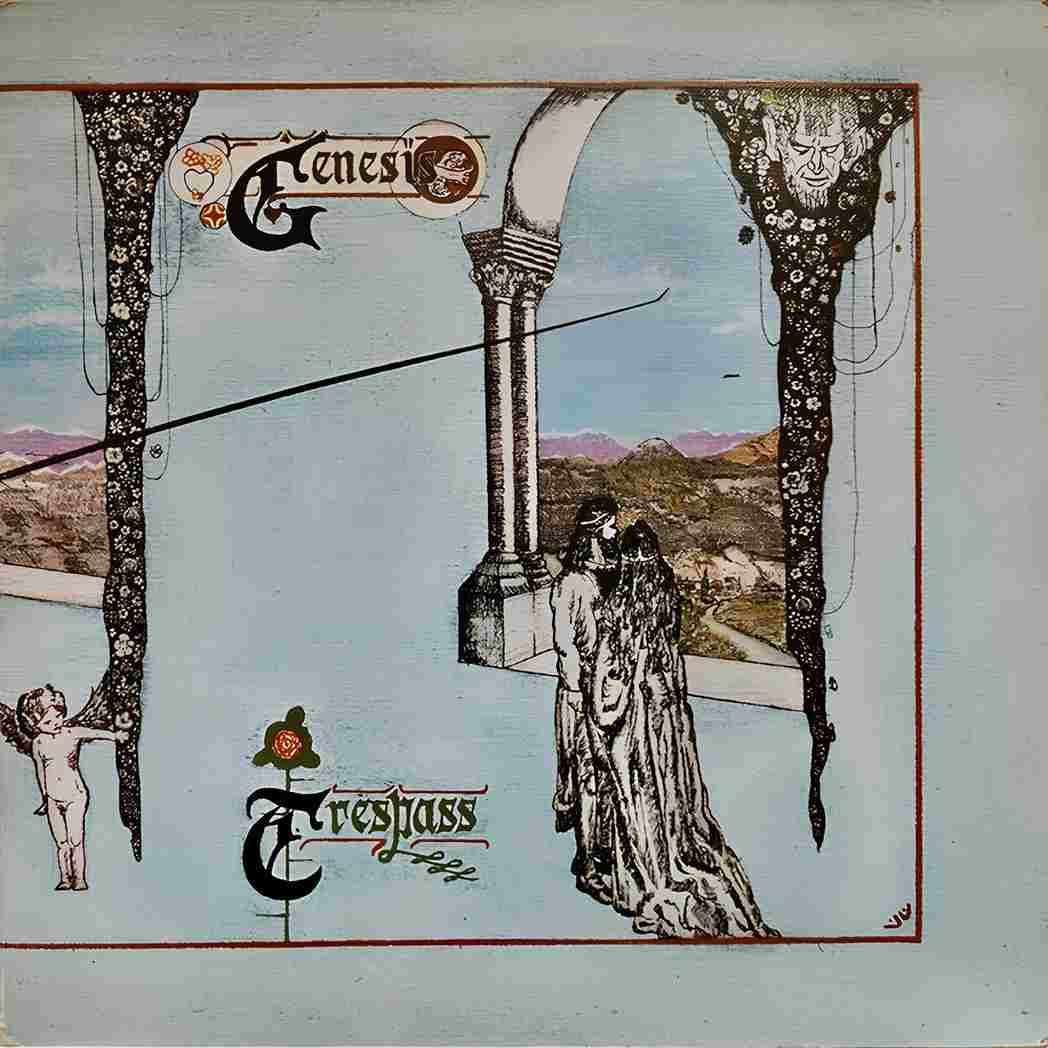
I libri di storia spesso descrivono l’abbandono di Phillips, avvenuto subito dopo “Trespass”, come una tragedia scaturita da una paralizzante paura del palcoscenico e da problemi di salute. Ma, col senno di poi, emerge un risvolto affascinante: l’uscita di scena di Phillips non fu una fine devastante, bensì una duplice benedizione. Si trattò di un catalizzatore necessario e altruistico che permise ai Genesis di evolversi in una potenza del rock progressivo, liberando al contempo Phillips affinché potesse esplorare un mondo musicale del tutto nuovo, fatto di sonorità folk pastorali e ambient.
Analisi di “Trespass”: il modello del rock progressivo
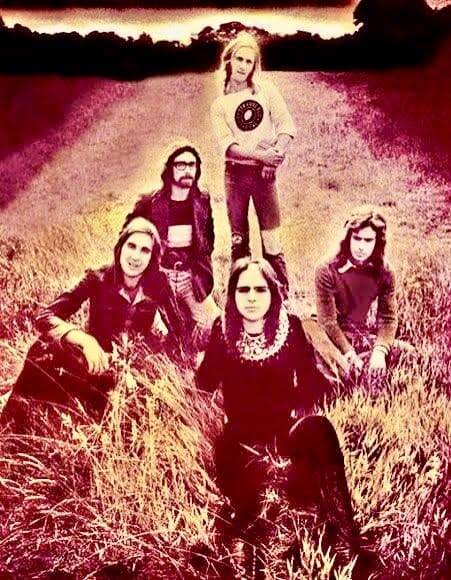
Ascoltare “Trespass” oggi significa sentire una giovane band intenta a inventare un genere in tempo reale, fortemente trainata dalla musicalità visionaria di Phillips. Abbandonato il pop ingenuo dell’album d’esordio, il gruppo abbracciò una narrazione ampia e articolata in più movimenti. Insieme al bassista Mike Rutherford, Phillips fu pioniere di quel ricco intreccio di chitarre acustiche a dodici corde che divenne il marchio di fabbrica del rock progressivo degli anni Settanta.
“Looking for Someone” e “White Mountain”
L’album si apre con “Looking for Someone”, brano in cui l’accompagnamento acustico di Phillips offre un delicato contrappunto all’interpretazione vocale cruda e intensa di Peter Gabriel. Tuttavia, è in “White Mountain” che il suo talento nel creare atmosfere diventa protagonista assoluto. Phillips usa la chitarra acustica per dipingere un paesaggio invernale vivido e cinematografico, evoca un racconto folcloristico suggestivo e dimostra che la musica rock può possedere la profondità della letteratura classica.
Il fulcro dell’album “Stagnation” e “Visions of Angels”
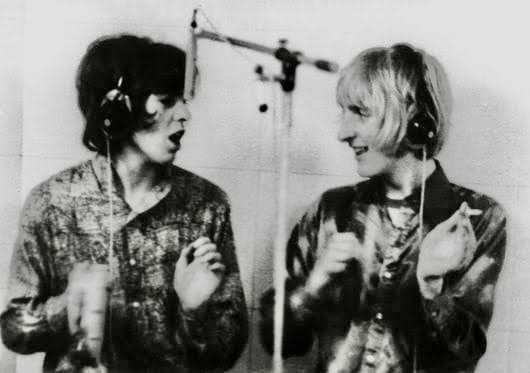
Il fulcro indiscusso dell’anima pastorale dell’album è “Stagnation”. Qui, le delicate armonizzazioni e gli intricati arpeggi di Phillips danno vita a un capolavoro etereo che cresce d’intensità gradualmente. È un brano che respira, evolvendosi da passaggi acustici quieti e scintillanti fino a un climax grandioso e trionfale dominato dall’organo. In “Visions of Angels” – brano che Phillips aveva composto addirittura prima dell’album di debutto – la sua sensibilità classica infonde un romanticismo tipicamente inglese, conferendo all’intero disco una bellezza senza tempo, quasi fiabesca.
“The Knife”
Eppure, Phillips non era un musicista limitato a un solo registro. L’album si chiude con la svolta cupa e drammatica di “The Knife”. Spesso indicata come il brano che ha preannunciato la futura evoluzione della band verso un rock sinfonico e aggressivo, la canzone è trainata con forza dal lavoro incisivo e graffiante di Phillips alla chitarra elettrica. I suoi riff taglienti e l’assolo caotico e saturo dimostrarono che sapeva rockeggiare con la stessa grinta dei suoi contemporanei, ponendo il sigillo perfetto alla sua esperienza con il gruppo. Non era soltanto un membro della formazione: ne rappresentava la spina dorsale musicale e ne era co-leader.
Anthony Phillips: il modello vivente
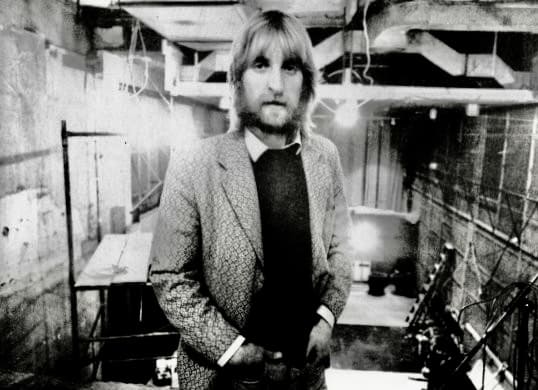
Quando Phillips se ne andò, non svanì davvero dai Genesis. Il suo spirito aleggiava con eleganza in ogni album successivo.
Leggi anche: Anthony Phillips: Il ritorno del Maestro con “Gemini – Pieces For Piano”
Quando Steve Hackett sostenne il provino per sostituirlo, fu ingaggiato proprio perché comprendeva e rispettava le complesse atmosfere acustiche create da Phillips. Le strutture ampie e articolate in più movimenti di “Nursery Cryme”, “Foxtrot” e “Selling England by the Pound” esistono perché “Trespass” aveva dimostrato che quel tipo di approccio poteva funzionare. È noto che Phil Collins descrisse la band come devastata dall’addio di Ant, poiché egli rappresentava l’energia creativa pura che li teneva uniti. Facendo un passo indietro, Phillips costrinse involontariamente Gabriel, Tony Banks e Rutherford a farsi avanti, a trovare la propria voce e a reclutare la formazione definitiva destinata a conquistare il mondo.
Una rinascita da solista: nessuna amarezza
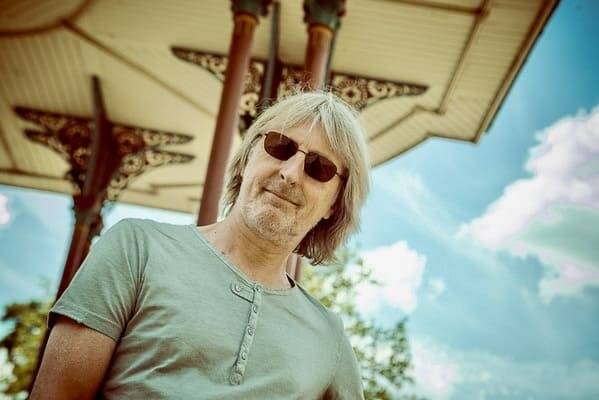
La prova definitiva che l’uscita di scena di Phillips si rivelò una svolta positiva risiede nella sua straordinaria carriera solista indipendente. Liberatosi dalle pressioni estenuanti e ansiogene dei tour, Phillips espresse al meglio il suo talento nel rifugio dello studio di registrazione.
Il primo album solista di Anthony Phillips: “The Geese & the Ghost”
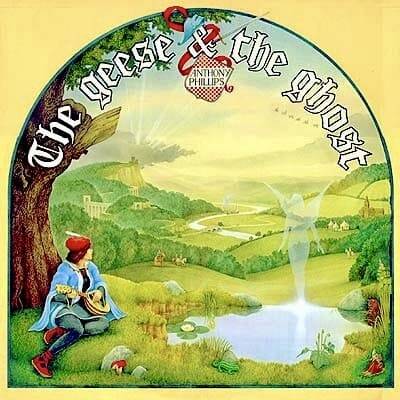
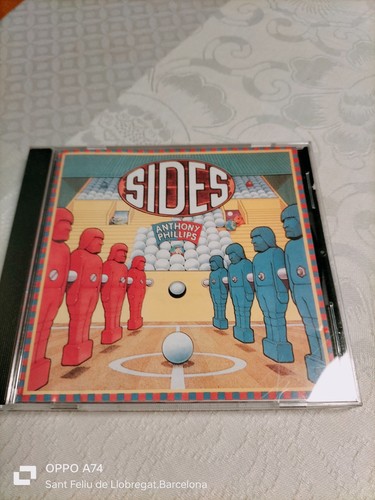
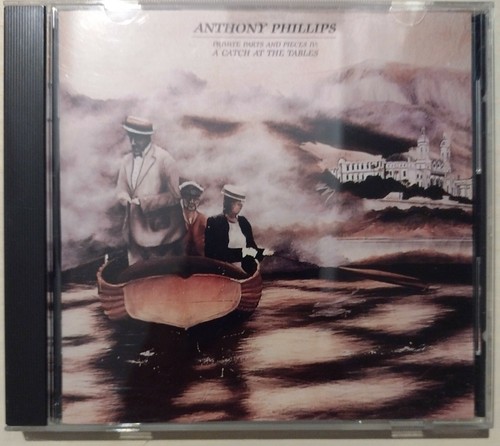
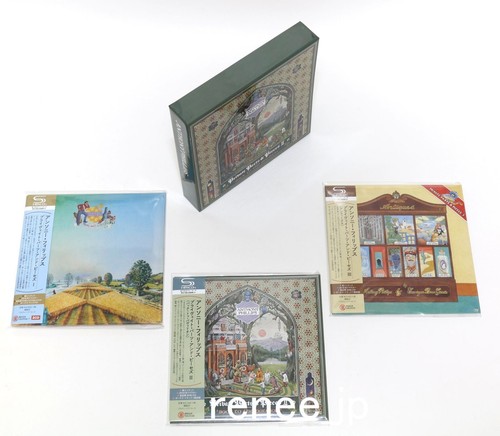
Il suo album di debutto da solista del 1977, “The Geese & the Ghost”, è un capolavoro di bellezza acustica. Significativamente, l’opera vide la partecipazione dei suoi vecchi amici Phil Collins e Mike Rutherford, a dimostrazione dell’assenza di qualsiasi rancore. L’album riprendeva esattamente il filo della vena pastorale di *Trespass*, libero da condizionamenti commerciali. In seguito pubblicò la leggendaria serie “Private Parts & Pieces” (articolata in più volumi), rivelando un polistrumentista eccentrico, fieramente indipendente e inesauribilmente ispirato, che preferiva la gioia silenziosa della creazione al boato delle folle negli stadi.
Leggi anche: Anthony Phillips – Gemini: Pieces for Piano (Recensione Disco n.2)
Non c’è traccia di amarezza nella storia di Anthony Phillips. C’è solo un profondo senso di gratitudine. Egli donò un’anima ai Genesis, lasciando loro la traccia per raggiungere la grandezza, per poi ritirarsi e creare un universo musicale mozzafiato, interamente suo.
The Beautiful Fracture: How Anthony Phillips Shaped Genesis by Leaving It
When fans debate the history of Genesis, the conversation usually splits into two camps: the theatrical Peter Gabriel era and the pop-juggernaut Phil Collins era. But to truly understand the DNA of Genesis, you have to look at the genesis of Genesis. Specifically, you have to look at their 1970 sophomore masterpiece, Trespass, and the soft-spoken musical architect who built it: Anthony “Ant” Phillips.
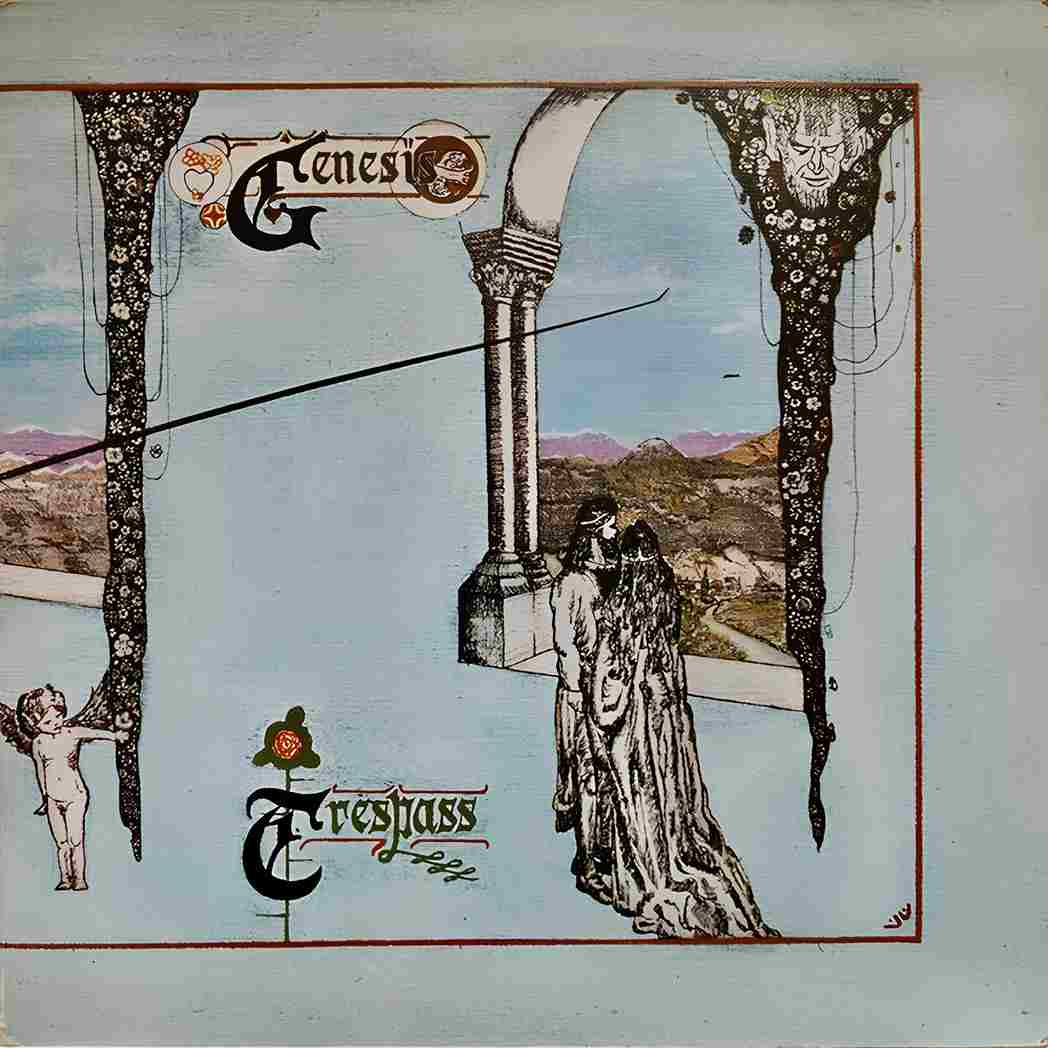
The history books often frame Phillips’ departure immediately after Trespass as a tragedy born of crippling stage fright and illness. But looking back, a beautiful twist emerges. Anthony Phillips’ exit wasn’t a devastating end; it was a dual blessing. It was a necessary, selfless catalyst that allowed Genesis to evolve into a progressive rock powerhouse, while simultaneously freeing Phillips to pioneer an entirely new world of pastoral, ambient folk music.
Reviewing “Trespass”: The Blueprint of Progressive Rock
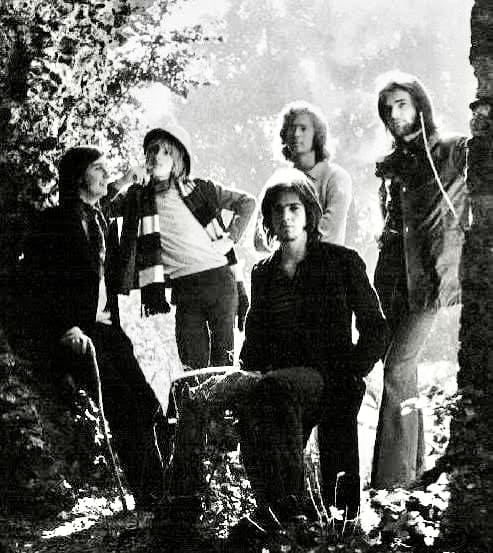
To listen to Trespass today is to hear a young band inventing a genre in real-time, heavily driven by Phillips’ visionary musicality. Abandoning the naive pop of their debut album, the band embraced sprawling, multi-movement storytelling. Alongside bassist Mike Rutherford, Phillips pioneered the lush, interlocking 12-string acoustic guitar tapestry that became the definitive signature of 1970s progressive rock.
“Looking for Someone” and “White Mountain”
The album opens with “Looking for Someone” where Phillips’ acoustic underpinnings provide a delicate counterpoint to Peter Gabriel’s raw, soulful vocal delivery. But it is on “White Mountain”where his gift for atmosphere takes center stage. Phillips uses his acoustic guitar to paint a vivid, cinematic winter landscape, evokes a haunting folklore tale, and proves that rock music could possess the depth of classical literature.
“Stagnation”, the centrepiece of the album and “Visions of Angels”
The undisputed centerpiece of the album’s pastoral side is “Stagnation.” Here, Phillips’ delicate chord voicings and intricate fingerpicking patterns build a slow-burning, ethereal masterpiece. It is a song that breathes, rising from quiet, shimmering acoustic movements into a grand, triumphant organ-led climax. On “Visions of Angels”, a song Phillips actually wrote before their debut album, his classical sensibilities inject a unique, English romanticism that grounds the entire record in a timeless, fairytale-like beauty.
“The Knife”
Yet, Phillips was no one-trick pony. The album closes with the heavy, dramatic shift of “The Knife.” Often credited as the song that pointed toward the band’s aggressive, symphonic rock future, it is heavily driven by Phillips’ blistering, aggressive electric guitar work. His stabbing riffs and chaotic, overdriven solo showed that he could rock as hard as any contemporary, providing the perfect exclamation point to his time with the band. He wasn’t just a member; he was the band’s musical backbone and co-leader.
Anthony Phillips: The Living Blueprint
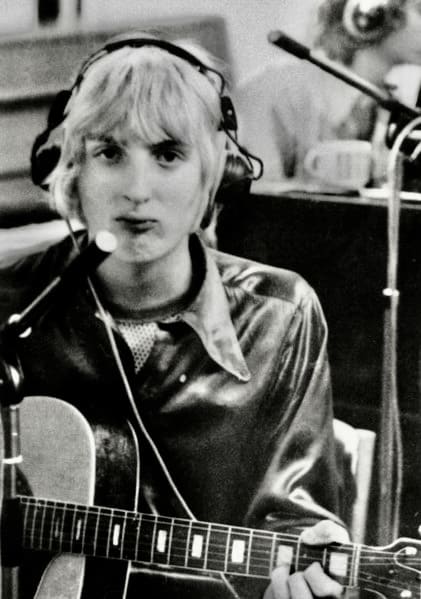
When Phillips left, he didn’t truly vanish from Genesis. His ghost lingered elegantly in every album that followed.
Leggi anche: Anthony Phillips: Dragonfly Dreams – PP&P IX celebrates 28 years
When Steve Hackett auditioned to replace him, Hackett was specifically hired because he understood and respected the intricate, acoustic spaces Phillips had created. The sweeping, multi-movement structures of Nursery Cryme, Foxtrot, and Selling England by the Pound exist because Trespass proved they could work. Phil Collins famously remarked that the band was devastated by Ant’s departure because he was the raw, creative energy keeping them together. By stepping aside, Phillips inadvertently forced Gabriel, Tony Banks, and Rutherford to step up, find their own voices, and recruit the definitive lineup that would conquer the world.
A Solo Renaissance: No Sour Grapes

The ultimate proof that Phillips’ exit was a positive twist lies in his staggering, independent solo career. Freed from the grueling, anxiety-inducing pressures of the touring road, Phillips thrived in the sanctuary of the studio.
Anthony Phillips’ debut album “The Geese & the Ghost”
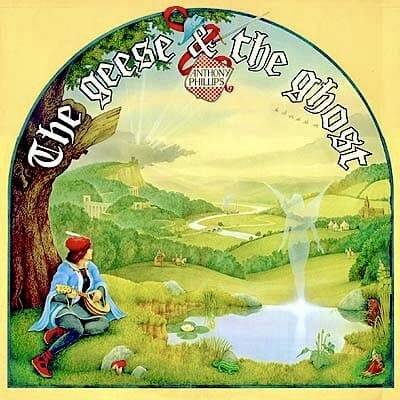
His 1977 debut solo album, The Geese & the Ghost, is a masterclass in acoustic beauty. Poetically, it featured cameos from his old friends Phil Collins and Mike Rutherford, proving there was zero bad blood.
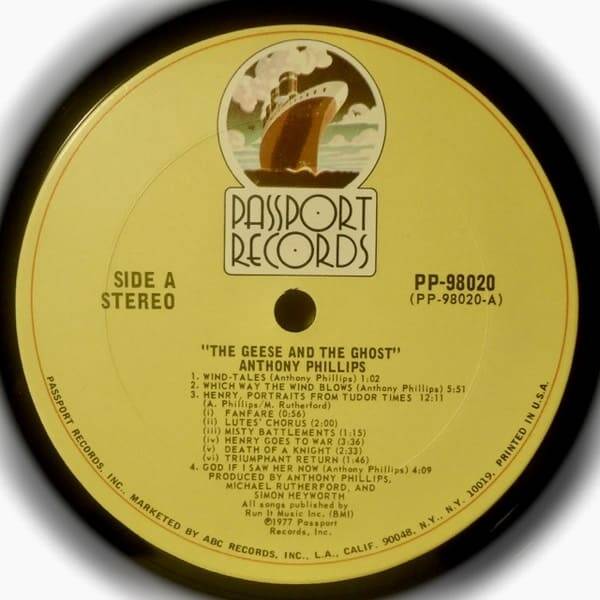
The album picked up right where the pastoral side of Trespass left off, unburdened by commercial pressure. He went on to release the legendary, multi-volume Private Parts & Pieces series, showcasing a quirky, fiercely independent, and endlessly inspired multi-instrumentalist who simply preferred the quiet joy of creation over the roar of stadium crowds.
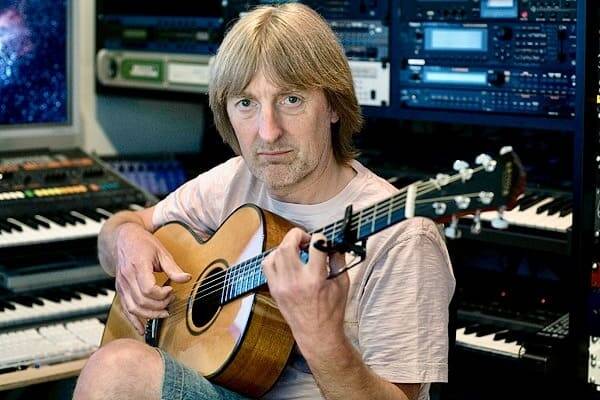
There are no sour grapes in the story of Anthony Phillips. There is only a profound sense of gratitude. He gave Genesis their soul, left them with the blueprint for greatness, and then gracefully stepped out to create a breathtaking musical universe entirely his own.
Altro per te
 progressive
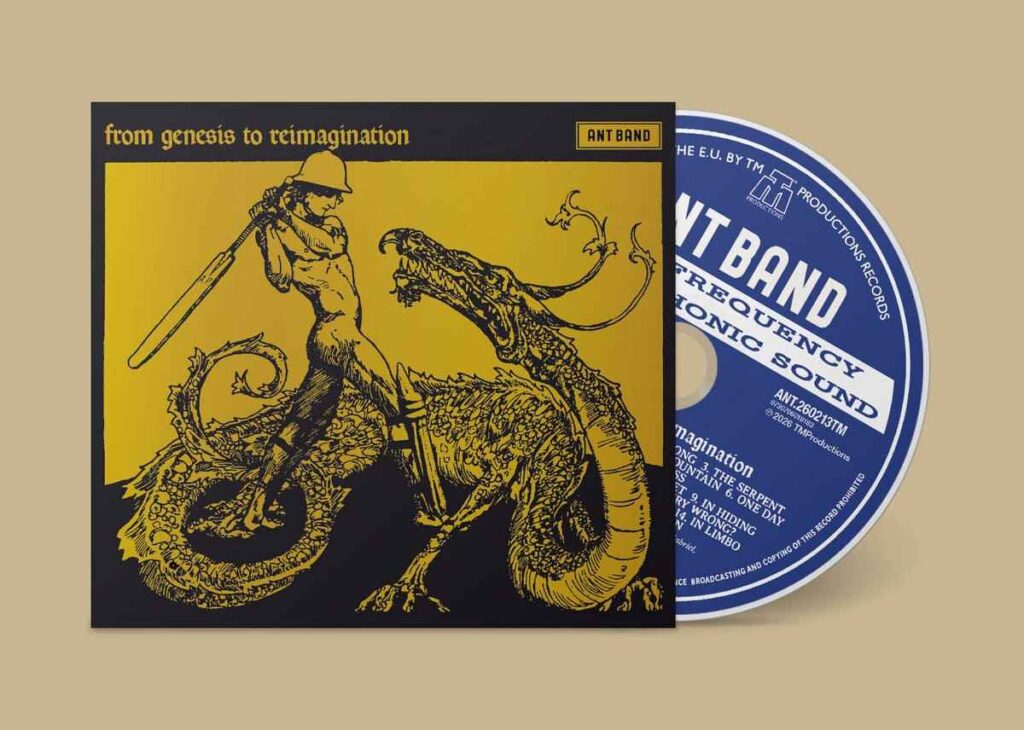
THE ANT BAND: la tribute band di Anthony Phillips pubblica From Genesis to Reimagination
The Ant Band continua il suo brillante percorso musicale con un nuovo album, From Genesis to Reimagination. La band tribute di Anthony Phillips (leggendario…
 Perchè Anthony Phillips non appare nella videointervista del cofanetto deluxe From Genesis To Revelation
 Silver Song: il “mistero” del capolavoro scritto da Anthony Phillips e cantato da Phil Collins – It/Eng version
 Gemini di Anthony Phillips: l’album di un musicista nella categoria degli eletti – It./Eng Version
 Anthony Phillips: Gemini – Pieces For Piano conquista ben due classifiche UK, The Official Charts Company e la Classical Artist Album
  Anthony Phillips: Gemini – Pieces for Piano – Recensione brano per brano – Disco Uno 1 Parte
 Joji Hirota: è scomparso il virtuoso batterista giapponese che collaborò con Anthony Phillips e fu direttore della Lindsay Kemp Company (It./Ingl. Version)
 From Genesis to Revelation: l’inizio di una leggenda
Su eBay: Anthony phillips


Link affiliati: se acquisti, BACKdigit riceve una piccola commissione senza costi per te.